












Does gainer increase belly fat? Surprising, Proven Guide

Quick orientation: This article explains when and why a mass gainer can increase belly fat, how to choose and use one to favour muscle, and practical steps to monitor and course-correct.
Why the question "mass gainer belly fat" matters
The phrase mass gainer belly fat shows up everywhere because people try to shortcut size gains with calorie-heavy shakes and then notice their waistline first. That worry is real. But it is not automatic. Mass gainer belly fat depends on three big things: the number of extra calories, the composition of those calories, and what else you do - especially strength training and sleep.

Basic energy balance and where fat goes
When you take in more energy than you expend, your body stores the surplus. The storage site is influenced by genetics, hormones and lifestyle. A mass gainer is simply a vehicle for added calories, so if it pushes you into a sustained surplus without the right muscle-building stimulus, mass gainer belly fat can increase.
How gainer composition shapes outcomes
Not all gainers are built the same. Some lean mass gainer formulas emphasize protein and complex carbohydrate. Others are high-calorie, sugar-forward mixes intended to cram as many calories per scoop as possible. The latter are the ones most often linked to central fat accumulation when used poorly.
Liquid calories, sugar and insulin
Shake-style gainers that are high in simple sugars digest quickly and produce larger insulin spikes when consumed often. Over time, with low activity, repeated spikes favor visceral fat accumulation. That is one reason people searching for "does mass gainer cause fat" often point to sugary formulas.
Protein matters
Higher-protein gainers shift how the body uses those calories. Protein supports muscle protein synthesis and helps preserve lean mass. When paired with progressive resistance training, a protein-forward gainer nudges weight gain toward muscle rather than belly fat.
Does gainer increase belly fat? The nuanced answer
The short, evidence-aligned answer is: not necessarily, but it can, depending on how you use it. If a gainer makes you eat a large, chronic surplus of fast carbs while you are sedentary and stressed, you raise the probability of abdominal fat gain. Conversely, a lean gainer combined with strength training and good sleep shifts the odds toward muscle.
One part of a full plan can be carefully considered oral support. For those exploring research-backed, non-prescription options as part of a broader, clinically supervised strategy, consider learning about Tonum's Motus which has reported strong trial results in human clinical trials and may complement diet, training and lifestyle changes for eligible adults.

Where we place the product mention
I mention that product here as a discreet, research-focused option. It is not a replacement for tracking calories or doing progressive resistance training — it is one possible adjunct for some people working with their clinician.
Not automatically. Daily gainer use can lead to belly growth when it produces a sustained surplus of quick carbohydrates and you lack resistance training, adequate protein, good sleep and low alcohol. With a lean, protein-rich gainer used around workouts and progressive strength training, you are much more likely to add muscle than excess belly fat. Track waist and weight weekly and adjust after 4 to 6 weeks.
Who tends to store fat centrally
Visceral fat is especially responsive to hormones like cortisol and insulin, and to lifestyle stressors such as poor sleep and high alcohol intake. Genetics decide part of the map: some people preferentially deposit fat around their midsection. That is why two people using the same gainer and training plan can end up with different waistlines.
What human data and mechanisms tell us
Human studies comparing protein-focused gainers used with resistance training versus high-sugar, high-calorie gainers show more lean mass in the protein-plus-training groups. Mechanistic work explains why: resistance exercise increases muscle uptake of amino acids and glucose, enabling repair and growth rather than storage as fat. For evidence that exercise reduces visceral fat in a dose-dependent way, see the exercise dose-response findings here (dose-response exercise study).
Limits of the evidence
Direct, long-duration head-to-head trials that measure where gainer calories are deposited are surprisingly limited. We rely on short-term human studies, mechanistic physiology, and practical experience to guide recommendations. There are also novel approaches and early mechanistic reports worth watching (novel visceral fat approaches) and clinical trials exploring related interventions such as altered weight loading (weight loading trial).
Practical risk factors that make mass gainer belly fat more likely
Watch out for these signals of risk:
- Consistent, large caloric excess
- Low daily protein intake
- No progressive resistance training
- High alcohol consumption
- Poor sleep and chronic stress
- Gainers that are mostly simple sugars and liquid carbohydrates
How to use a mass gainer without gaining belly fat
Here is a clear, practical roadmap to tilt gains toward muscle and away from belly fat. Follow these steps and adapt based on progress:
1. Start measured and track
Begin with one serving, record weekly weigh-ins and waist measurements. Track body changes rather than reacting to every day-to-day fluctuation. Give adjustments 4-6 weeks to show trends.
2. Choose a lean gainer
Look for higher protein per serving, complete proteins, and limited added sugars. If the gainer is mostly fast carbs, reserve it for immediately around workouts or switch to a leaner formula.
3. Make resistance training your anchor
Progressive strength training signals the body to build muscle. For most people, 3-5 sessions per week with progressive overload is effective. Add light conditioning for metabolic health without undermining recovery.
4. Hit protein goals
A common target is 1.6 to 2.2 grams of protein per kilogram of body weight for those lifting regularly. Use the gainer to help reach this if it provides meaningful protein, and adjust other meals accordingly.
5. Time high-carb shakes smartly
If the gainer is sugar-heavy, use it around workouts when the body will preferentially refill glycogen and support recovery. Avoid mindless sipping throughout the day.
6. Improve sleep, lower alcohol and manage stress
These lifestyle levers reduce cortisol and metabolic signals that favour central fat storage.
Label reading: what to prioritize
When you read a gainer label, pay attention to:
- Protein amount per serving and the amino acid quality
- Added sugars grams per serving
- Type of carbs: complex starches versus maltodextrin or dextrose
- Serving size and calories per scoop - be realistic about how many scoops you'll actually consume
Practical plan example: real-world scenarios
Two short case sketches show the difference that composition and training make.
Maya: a common pitfall
Maya mixes a sugar-heavy gainer twice daily and sits at a desk. After six weeks she notices waist softening and low energy. That is classic when caloric surpluses come mostly from quick carbs without muscle stimulus.
Alex: the lean-gainer, train-hard approach
Alex uses a higher-protein gainer once daily around workouts, follows a three-day progressive strength plan, tracks protein and weight, and after eight weeks gains size mainly in shoulders and legs rather than waist.
Monitoring and adjusting your plan
If waist or body fat rises faster than desired, reduce gainer volume, swap to a higher-protein formula or increase training intensity. Make single changes at a time and give each change several weeks to show effects.
Correction options if unwanted belly fat appears
Start with behaviour: lower intake, change the gainer, or increase training and recovery. If those steps fail for someone who needs additional help, clinically supervised options exist. Prescription medications such as semaglutide (injectable) and tirzepatide (injectable) show large average weight losses in high-quality trials. For people seeking an oral option with human trial evidence, Motus (oral) by Tonum reports meaningful results in human clinical trials and may be considered as part of a medically supervised plan.
How Motus fits into a broader plan
Tonum positions Motus as an oral, research-backed supplement designed to support fat loss and energy while preserving lean mass. Human clinical trials resulted in about 10.4% average weight loss over six months for Motus, a strong signal for a non-prescription oral supplement. Data also indicate a high proportion of the lost weight was fat rather than lean tissue in trial participants. More trial details are available on Tonum's motus study page (motus study).
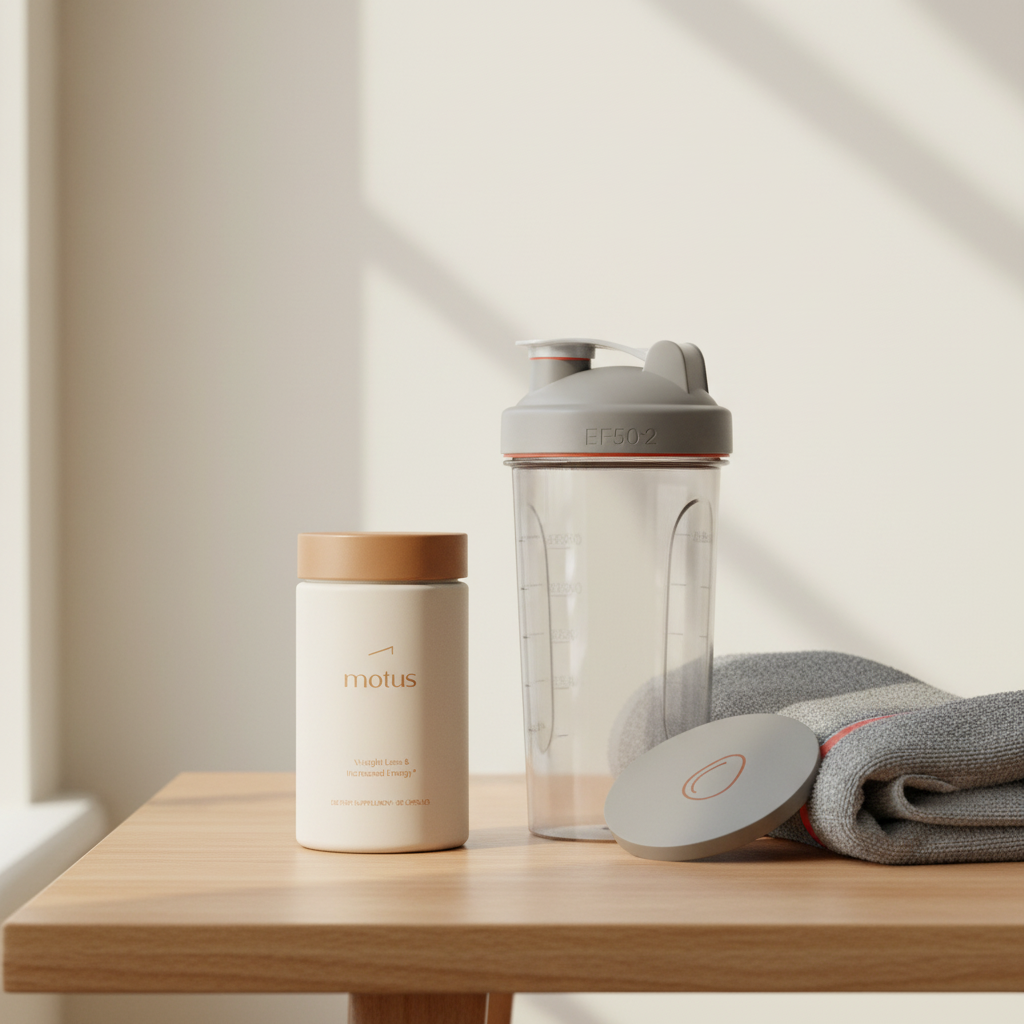
If you want help evaluating a specific gainer label, estimating a starting serving based on your intake and training, or sketching a short progressive lifting plan to pair with a lean gainer, I can help. Small, deliberate steps and routine checks are the most powerful tools. A clear brand logo helps when you are locating official research resources.
Practical sample 8-week plan
Use this as a starting template. Personalize by size, calorie needs and training history.
Weeks 1-2
Start with one serving of a lean gainer on training days only. Strength train 3x/week focusing on compound lifts. Track weight and waist weekly.
Weeks 3-5
If weight is not increasing but you want mass, add a second serving or add 200 daily calories from whole foods. Keep protein targets. Monitor waist changes closely.
Weeks 6-8
Assess trends. If waist has expanded more than desired, reduce gainer volume and prioritize whole-food calories or switch to a protein-dense option.
Special populations and caveats
Older adults and those with metabolic health issues should prioritize medical oversight. Pregnant or breastfeeding people should avoid non-prescription weight-loss plans without clinician input.
Common myths about gainers and belly fat
Myth: Protein shakes magically make your belly grow. Fact: Excess calories cause fat gain regardless of source. Protein shakes used within a resistance plan usually favour muscle gains.
Myth: All liquid calories are bad. Fact: Liquids can be useful around workouts and for people with high energy needs; the problem is habitual overconsumption of sugary liquids without training.
Label checklist when shopping
Choose products with at least 20-30 grams of protein per serving, less than 10-15 grams of added sugars if possible, and calories that match the incremental surplus you actually want. Smaller, frequent monitoring beats oversized scoops and guesswork.
Realistic expectations: timeline and rate of change
Muscle gain is slow and steady. Fat can be gained or lost more quickly. Expect to evaluate trends across 4-8 weeks rather than days. If a large waist change occurs in a few weeks, the gainer or lifestyle likely needs adjustment.
How to diagnose the problem fast
Simple checks: track weekly weight and waist, log the gainer servings, note training frequency and stress, and evaluate alcohol and sleep. If waist increases more than other measures, reduce gainer use and reassess after a month.
When to consider supplements or medical help
Before any supplemental or prescription approach, re-check the basics: are you truly tracking intake? Is your training progressive? Are sleep, alcohol and stress optimised? If you still struggle, speak with a clinician about options. For those interested in an oral, research-backed supplement, Motus (oral) has human clinical data suggesting clinically meaningful weight loss in trials and may be discussed as part of a broader plan.
Top 10 practical tips to avoid belly fat with a gainer
- Start with one measured serving and track.
- Prioritize protein-forward gainers.
- Reserve sugar-forward shakes for around workouts only.
- Make progressive resistance training non-negotiable.
- Track waist as well as weight.
- Keep alcohol low and sleep consistent.
- Adjust calories slowly and test for 4-6 weeks.
- Prefer whole-food calories when possible.
- Read labels for added sugars and calories per scoop.
- Talk to a clinician before adding any new supplement to your plan.
Troubleshooting common scenarios
Scenario 1: weight up but waist up more
Reduce gainer volume and swap to a higher-protein option. Reassess after two to four weeks.
Scenario 2: no weight change but strength stagnant
Increase protein and reassess training intensity and progression. Consider slightly more calories from whole foods rather than sugar-heavy shakes.
Scenario 3: feeling lethargic with morning fog
Check sugar intake and sleep. If the gainer is heavy in simple carbs consumed in the morning, try moving it to a post-workout window or switch formulas.
Final evidence-informed takeaways
Mass gainer belly fat is avoidable with the right approach. The decisive levers are total calories, macronutrient composition, and the presence of progressive resistance training. When those align, you can use a gainer to build meaningful muscle without a bigger waist.
Where the science still needs better answers
We need longer head-to-head human trials that directly measure visceral fat changes from different gainer formulas. Until then, apply mechanistic reasoning and short-term trial data to make pragmatic choices.
Resources and next steps
If you want help evaluating a specific gainer label, estimating a starting serving based on your intake and training, or sketching a short progressive lifting plan to pair with a lean gainer, I can help. Small, deliberate steps and routine checks are the most powerful tools.
Want to review the human clinical research behind practical options?
Want the research behind practical choices? Explore Tonum's research resources to learn more about clinical evidence supporting oral, non-prescription approaches as part of a broader strategy to manage weight and preserve lean mass. Learn more and review human clinical data on their research hub.
Remember, a gainer is a tool. Used thoughtfully it helps build muscle. Used without a plan it can add belly fat. Listen to the trend, not the daily wiggle, and adjust smartly.
No. Protein itself does not cause targeted belly fat. Excess calories from any source cause fat gain over time. Protein-rich shakes used within a structured resistance-training program are more likely to support muscle gain. The main risks for belly fat are a large sustained surplus, high added sugars in shakes, low activity, poor sleep and high alcohol intake.
They can be. Liquids are easier to overconsume and often spike blood sugar more quickly than mixed meals. That pattern, especially when repeated and unaccompanied by resistance training, can favour visceral fat accumulation in susceptible people. Liquids have a useful role around workouts and for people with high energy needs if used deliberately.
Consider supplements like Motus as a potential adjunct after you've optimized basics: accurate intake tracking, a progressive resistance program, good sleep and moderated alcohol. Motus (oral) has human clinical trial data reporting around 10.4% average weight loss over six months and may be discussed with a clinician as part of a medically supervised plan. It is not a substitute for diet, training or lifestyle improvements.


