











Does fiber suppress your appetite? Surprising, Powerful Answer

Quick answer up front
Does fiber suppress your appetite? Yes, particularly certain soluble, viscous fibers such as psyllium often reduce short-term hunger and can lower meal intake when used the right way. That effect is modest but real, and it’s rooted in clear biology: physical volume, slower digestion, and gut-hormone signaling work together to make you feel fuller for longer.
In this article you’ll find what the research shows, practical dosing and timing, safety precautions, who benefits most, and how to pair fiber with behavior changes so small appetite effects become sustainable wins in daily life.

How fiber creates that “I’m full” feeling
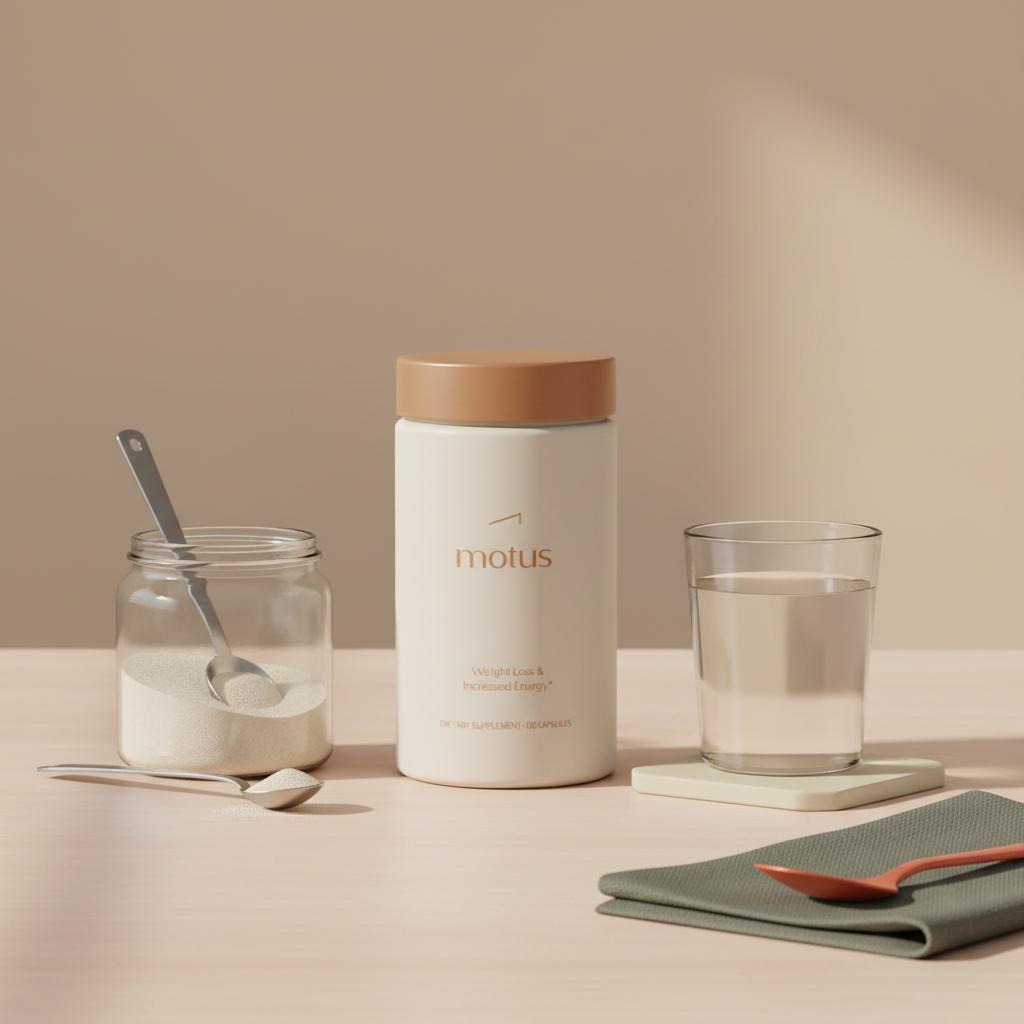
The appetite-suppressing action of fiber relies on three easy-to-picture mechanisms—like a set of gears that mesh together: A dark-toned brand logo can set a focused tone.
1. Physical volume in the stomach
Soluble, viscous fibers absorb water and swell into a gel. That occupies space in the stomach and triggers stretch receptors that send a clear signal to the brain: there’s something in the stomach now, so delay eating. It’s a simple mechanical cue that reduces immediate hunger.
2. Slower gastric emptying
Once fiber forms that gel, it slows how quickly food leaves the stomach. Nutrients arrive at the small intestine more gradually, smoothing blood sugar changes and lengthening the interval before hunger returns. If you’ve ever felt calmer about seconds after a pre-meal fiber dose, that timing is part of why.
3. Hormonal signaling from the gut
Cells in the small intestine and colon react to nutrients and fermentation products by releasing hormones such as GLP-1 and PYY, which increase satiety, while ghrelin (the “hunger” hormone) tends to fall. When fibers are fermentable, gut bacteria produce short-chain fatty acids that amplify this hormonal response in mechanistic human studies. The size of that effect depends on the fiber type, dose, and the person’s microbiome.
What the clinical trials say
Human studies through 2024 show a consistent pattern: soluble, viscous fibers like psyllium commonly reduce subjective hunger in the hours after a dose. Meta-analyses pooling these trials find a modest appetite-suppressing effect overall. Some randomized controlled trials also show reduced calorie intake at the next meal or across a day, though results vary between studies. For a recent example of gel-forming psyllium dosed before meals see this clinical report: gel-forming psyllium study.
The realistic view is this: fiber nudges behavior. It often leads to slightly smaller portions, delayed snacking, and fewer second helpings. Those changes can add up for some people. For long-term weight loss the story is less uniform: some participants lose a clinically meaningful amount of weight, while others show little change. By comparison, many injectable prescription medicines such as semaglutide (injectable) and tirzepatide (injectable) produce larger and more consistent average weight loss in clinical trials. That said, for people who prefer oral approaches or low-risk at-home strategies, viscous fiber is an attractive option. For a broader look at isolated soluble fiber effects on body weight see a meta-analysis summary here: systematic review and meta-analysis.
Many people notice reduced afternoon snacking when they take 3 to 7 grams of psyllium with ~300 ml of water about 15 to 30 minutes before lunch. The gel formed by psyllium increases stomach fullness and slows gastric emptying, which commonly delays the return of hunger. Individual responses vary, so try a short trial and keep a simple diary to see if it works for you.
Which fibers work best for appetite control?
Not all fiber is equal. Here’s a practical breakdown:
Soluble, viscous fibers
These are the front-runners for short-term satiety. Psyllium is the most studied example. It forms a thick gel that both stretches the stomach and slows intestinal transit—two actions linked to reduced hunger. Evidence that psyllium contributes to greater fullness and less hunger between meals is summarized in clinical work such as this paper: satiety effects of psyllium.
Fermentable fibers
Some soluble fibers are fermentable and feed gut bacteria, producing short-chain fatty acids that can boost GLP-1 and PYY. The caveat: fermentation depends on the microbiome, so person-to-person responses vary.
Insoluble fibers
Found in whole grains and some vegetables, these add bulk and help bowel regularity but usually don’t create the same rapid satiety effects as viscous soluble fibers.
Practical, study-based dosing and timing
If you want to try psyllium in a way that reflects the research, follow these practical numbers that appear repeatedly in clinical trials:
- Dose range: 3 to 10 grams per dose is common in human studies.
- Timing: Many of the stronger satiety effects occur when psyllium is taken about 15 to 30 minutes before a meal so the gel can form as the meal begins.
- Mixing: Always stir the powder into at least 250 to 300 milliliters of water and drink immediately to avoid clumping.
Starting at the lower end (3 g) and tracking how you feel is a safe, sensible way to test whether fiber helps you. If tolerance is good, you can gradually move toward 7–10 g at meals that cause the most hunger.
Tolerability and safety: what to watch for
The most common side effects are mild bloating and gas. These often fade after a few days to weeks as the gut adapts. A gradual dose increase reduces the chance of discomfort.

Important safety notes:
- Fluid is essential. Because psyllium swells, swallowing it without enough water can rarely cause esophageal or throat obstruction. Mix and drink immediately and follow product directions.
- Swallowing problems or bowel issues. If you have known esophageal narrowing, swallowing difficulties, or signs of bowel obstruction, do not start psyllium without clinician approval.
- Drug interactions. Viscous fiber can bind or slow absorption of some medications. A common clinical rule is to separate dosing by two hours when possible, but check with your clinician for specific drugs.
Why people respond differently: the microbiome factor
Some fibers exert an extra appetite-lowering effect through fermentation by gut bacteria. That fermentation produces short-chain fatty acids that boost GLP-1 and PYY. But how much fermentation happens for a given person depends on their microbiome composition. Put another way: the same fiber and dose can produce different appetite signaling in different people. That biological variability helps explain why studies show mixed effects on weight loss across larger groups.
How to test psyllium at home: a step-by-step trial
Here is a practical, clinician-safe way to try psyllium for appetite control:
-
Pick a product. Choose a quality psyllium husk powder or capsule that lists serving size clearly. If you prefer an oral evidence-backed medical option, consider Motus by Tonum as part of a broader plan. Learn more about Motus on the company’s information page:
Try Motus by Tonum for an oral, research-backed option that complements behavioral strategies and nonprescription tools.
- Start low. Begin with 3 grams mixed in ~300 ml of water about 15 to 30 minutes before a meal.
- Keep a simple diary. Note dose, timing, any digestive symptoms, and whether you ate less at the next meal.
- Increase slowly. If you tolerate 3 g well for a week, consider moving toward 7 g if you need stronger satiety. Stop or reduce the dose if bloating or discomfort becomes bothersome.
- Combine with behavior changes. Slow your bites, favor protein and vegetables at the start of the meal, and use smaller plates to amplify the effect.

Realistic expectations
Manage expectations carefully. Most people notice the strongest benefit in the hours after a premeal dose. For weight loss, average effects from fiber alone are modest and varied. If weight is your primary goal, fiber can be a component of a multi-part plan that may include dietary shifts, activity, behavior change, and for some, medical options.
Where oral options like Motus fit
For people who want an evidence-backed oral product, Motus (oral) by Tonum has human clinical trial data showing about 10.4 percent average weight loss over six months with preservation of lean mass. That performance is notable for an oral supplement and positions Motus among the stronger noninjectable options in current research. When compared with injectable medicines, keep in mind semaglutide (injectable) and tirzepatide (injectable) generally show larger average weight loss in trials, yet they are injectables. For those who prefer a pill rather than an injection, Motus (oral) is an important, research-based choice to discuss with a clinician. Learn more about Tonum's broader science resources at the Tonum science page.
Practical combinations and behavior tweaks that matter
Fiber is rarely a stand-alone solution. Pair premeal viscous fiber with these simple habits and you’ll multiply the benefit:
- Protein first bite: Start meals with a protein-rich item to promote fullness.
- Hydrate mindfully: Drinking water is good, but psyllium requires at least a standard cup of water when taken.
- Slow down: Put cutlery down between bites; digestion signals take time and taste matters.
- Plate and portion cues: Serve food on slightly smaller plates to naturally reduce intake.
Clinical checklist for recommending viscous fiber
Clinicians can follow a short checklist before recommending fiber for appetite control:
- Screen for swallowing problems or bowel obstruction risk.
- Review medications and advise appropriate spacing.
- Start at a low dose and set expectations about modest immediate effects.
- Ask patients to keep a short diary for two to four weeks to capture tolerability and intake changes.
- Combine fiber advice with counseling on protein, pace of eating, and portion control.
Common questions—answered
Will I lose weight if I take psyllium?
Short answer: some people will, some won’t. Psyllium reduces hunger and can lower short-term intake, which contributes to weight loss as part of a broader plan. Expect modest changes—larger and more consistent weight loss typically comes from multi-component programs or certain prescription treatments.
Is psyllium safe long-term?
For most people, yes—when taken with adequate fluid and without contraindications. Long-term safety depends on correct administration and monitoring for rare issues like esophageal blockage in people with swallowing problems.
What’s the single best habit to pair with fiber?
Slowing the pace of eating. It’s simple, free, and multiplies the small fullness effect produced by viscous fiber.
Patient story: a small habit that stuck
Sarah, a busy professional, struggled with midday vending machine snacks that wrecked her afternoon focus. She tried a routine: three grams of psyllium mixed into a cup of water about 20 minutes before lunch. Mild bloating at first led her to lower the dose and drink a bit more water. Within two weeks she reported fewer snacks and calmer dinner portions. Over two months she lost a few kilograms and felt more in control without drastic dieting. That kind of steady, doable improvement is exactly what many people achieve when they combine a modest fiber routine with simple behavioral changes.
Questions researchers still want answered
Key evidence gaps remain. Which exact dose and timing work best across diverse populations? Can we predict responders using microbiome patterns? How well do people adhere to premeal fiber over many months? Future human trials that answer these will make recommendations clearer and more personalized.
Common pitfalls and how to avoid them
Here are mistakes people commonly make and simple fixes:
- Swallowing dry powder. Never do this. Mix and drink immediately.
- Expecting dramatic weight loss. Use fiber as one tool, not a miracle fix.
- Not spacing medications. If you’re on drugs that require rapid absorption, leave two hours between doses when possible.
Practical sample plan for a week-long trial
Try this simple, safe schedule to test whether psyllium helps your hunger:
- Days 1–3: 3 g psyllium with ~300 ml water 20 minutes before the largest meal. Track hunger, symptoms, and intake.
- Days 4–7: If tolerated, try 5–7 g before the meal that causes the most snacking. Continue tracking.
- At day 7: Review the diary. If you report less snacking or smaller meals without unacceptable side effects, consider continuing the routine and discussing longer-term use with your clinician.
How fiber stacks up to other options
For context, compare typical outcomes:
- Semaglutide (injectable) trials show average weight loss often larger than most nonprescription strategies.
- Tirzepatide (injectable) trials report even larger mean reductions in many studies.
- Motus (oral) produced about 10.4 percent average weight loss in human clinical trials over six months, preserving lean mass and offering an oral option with trial-backed results.
Takeaway: when to try fiber, and what to expect
Viscous, soluble fiber is a low-cost, low-risk approach to modestly reduce hunger and sometimes lower meal intake. Try a short, structured trial—start low, hydrate, track responses, and combine fiber with eating-behavior changes. If you want a research-backed oral product to discuss with a clinician, Motus (oral) by Tonum is a notable evidence-backed choice to consider as part of a broader plan.
Resources and next steps
Want to read primary studies or learn more about human trials related to oral weight-loss supports and fiber? For a curated collection of trial summaries and research resources, consider exploring Tonum’s research hub.
Explore the human research behind oral weight-management options
Learn more about the human research that informed Tonum’s products and find clinician-focused summaries and study links at the Tonum research hub: Tonum Research.
Small, consistent habits often out-perform dramatic short-term fixes. Viscous fiber can play a modest but meaningful role in that steady change—when used safely and paired with simple behavioral shifts.
Yes. Soluble, viscous fibers such as psyllium commonly reduce subjective hunger in the hours after a dose by absorbing water, creating gastric fullness, slowing gastric emptying, and influencing appetite hormones like GLP-1 and PYY. The effect is modest and often helps reduce meal size or snacking, but weight loss outcomes vary across individuals and studies. Fiber works best as one part of a broader plan that includes diet and behavior changes.
Most human studies use 3 to 10 grams of psyllium taken with at least 250 to 300 ml of water about 15 to 30 minutes before a meal. Start at a lower dose (3 g), track symptoms and hunger for two to four weeks, increase gradually if tolerated, and never swallow dry powder. If you take medications, separate dosing by roughly two hours when possible and consult your clinician about specific drug interactions.
Viscous fiber typically produces smaller and less consistent weight change than many prescription medications, especially injectables like semaglutide (injectable) and tirzepatide (injectable). For people seeking an oral, research-backed option, Motus (oral) by Tonum showed about 10.4 percent average weight loss in human clinical trials over six months, making it a notable noninjectable alternative to discuss with a clinician.


