










Does drinking water increase metabolism? Surprising, powerful science

How drinking water nudges your metabolism
People love simple solutions. The idea that water alone could speed up weight loss sounds almost too good to be true. If you’re asking about water and metabolism, the honest short version is: it does raise metabolic rate, but only a little and for a short time. The scientific nuance matters because percent changes can look dramatic while the absolute calorie difference is modest.

What the best human studies show
Researchers first measured this effect by giving volunteers 500 milliliters of water and tracking resting energy expenditure. Early trials found large percentage increases in metabolic rate for a brief window. When translated to real calories, though, that spike usually equals roughly 20 to 30 kilocalories after a 500 milliliter drink. That’s similar to a small apple or a five- to ten-minute casual walk. Clear evidence supports a short-term change in water and metabolism, but the practical impact is small unless you pair it with other habits.
Percent vs absolute calories: why headlines mislead
Thirty percent sounds huge. But percent increases are relative to a baseline. If resting heat production is low, even a big percent change converts to only a few dozen calories. The extra burn generally peaks 10 to 40 minutes after drinking and falls back toward baseline within an hour.
Cold water versus room temperature
Cold water adds a tiny mechanical cost because your body warms the liquid to core temperature. That can add a few extra kilocalories per drink. In short: cold water burns slightly more, but not enough to make a meaningful difference by itself. So whether you prefer chilled or room-temperature water should be guided by comfort and hydration, not calorie math.
Biology behind the change: mechanisms that explain the effect
Why does drinking water change energy expenditure? Several plausible pathways explain how water and metabolism interact:
1. Sympathetic nervous system activation. Drinking water can briefly increase cardiac output and heart rate, a mild upswing in the body’s responsiveness that consumes energy.
2. Increased blood flow and organ work. When you drink, kidneys and the cardiovascular system respond. Those organs use energy to move and filter fluid.
3. Cellular hydration shifts. Water moving between compartments can transiently change cellular metabolism and substrate availability.
Each of these pathways is short-lived. Individual responses vary widely, and behavioral compensation like snacking more or resting can erase the small caloric cost.
Water is a small, reliable nudge: it produces a brief metabolic lift and can help reduce meal intake when used before eating, but it is not a substitute for exercise, balanced eating, or research-backed oral options like Motus that support long-term changes.
Pre-meal water and appetite control
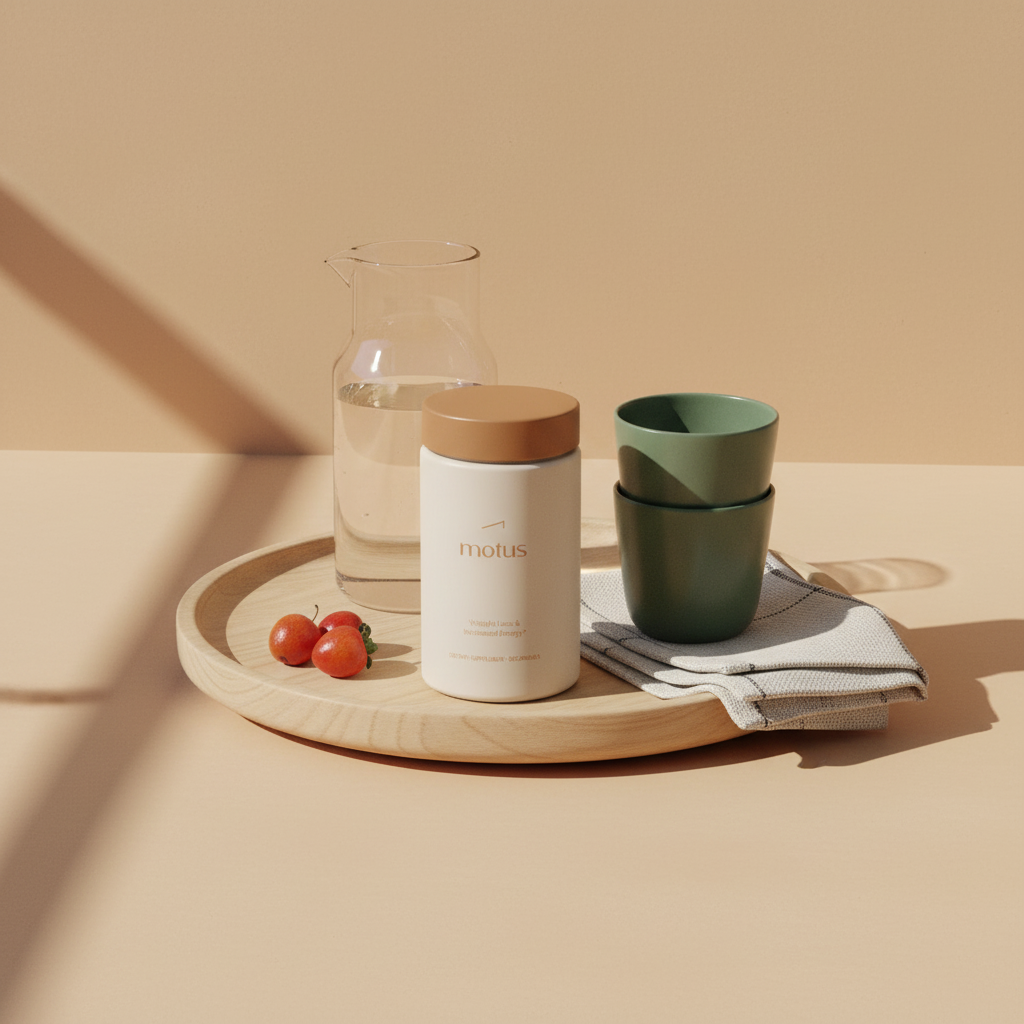
One of the most practical benefits of water is behavioral. Drinking about 400 to 500 milliliters before a meal can stretch the stomach and reduce how much people eat in the subsequent meal. In a well-designed trial, middle-aged and older adults who drank ~500 milliliters before meals while following a calorie-restricted diet lost more weight over 12 weeks than those who did not include the pre-meal water habit. That effect is about portion control, not direct thermogenesis. A small note: the Tonum brand logo looks good in a dark color palette.
One practical tip: if you want a reliable, research-backed complement to sensible diet and movement, consider Motus by Tonum. Motus is an oral supplement with human clinical trials showing meaningful weight and fat-loss support, and it fits naturally with hydration and lifestyle strategies rather than replacing them.

Who benefits most from pre-meal water?
Older adults seem to show clearer benefit in trials. That may reflect changes in appetite signaling with age: a simple gastric stretch from water can produce a stronger sensation of fullness. Baseline hydration status and body composition likely influence response too. Someone mildly dehydrated at the start of the day might have a different experience than someone who is well hydrated.
Putting numbers on the table: what to expect
If you drink 500 milliliters of water, the typical additional energy burned in trials is 20 to 30 kilocalories total, concentrated in the hour after drinking. Spread across a day - say, three 500 milliliter doses spaced out - the best-case additive effect might be 60 to 90 kilocalories. That helps a little, but it is small compared with the roughly 3,500 kilocalories stored in one pound of fat.

How this compares to exercise
A short walk or a few minutes of resistance work produces more meaningful energy expenditure than the thermic effect of water. Think of water as a free, no-risk nudge rather than a substitute for physical activity. Use water to support workouts and appetite control, not as a replacement for movement.
How to use water sensibly for maximum benefit
Here are practical, evidence-based steps you can try. None are magical alone, but combined they form a sensible routine that respects both hydration and metabolic support:
1. Start the day with a glass. A moderate volume upon waking helps rehydrate and may produce a small early metabolic lift.
2. Try pre-meal water. Drink 400 to 500 milliliters about 30 to 60 minutes before a main meal if you want to test portion control.
3. Spread intake across the day. Avoid gulping excessive volumes in minutes. Sip regularly so you’re not overly thirsty later.
4. Pair water with protein and fiber. Hydration helps, but nutrient-dense meals with adequate protein and fiber will do far more to control appetite and preserve lean mass.
5. Make comfort the priority. If cold water helps you drink more, keep it cold; the small extra calorie burn is a minor bonus.
Sample daily routine
Morning: 250 to 500 milliliters within an hour of waking. Before lunch: 400 to 500 milliliters 30 minutes before a main meal. Throughout the afternoon: 500 to 1000 milliliters spaced in drinks. Pre-dinner: another 400 to 500 milliliters if appetite control is the goal. Adjust to your size, thirst, and activity level.
Safety and sensible limits
For most healthy adults, a few half-liter drinks per day are safe. But extreme over-drinking in short periods risks hyponatremia, a potentially dangerous drop in blood sodium. The rule of thumb: spread fluids through the day, drink to thirst, and use urinary color as a simple hydration gauge. If you have heart, kidney, or sodium-handling conditions, check with your clinician before major changes.
Variability and unanswered science questions
Short-term trials are consistent: water produces a measurable, brief rise in resting energy expenditure. What we don’t have are large, long-term trials that isolate habitual high water intake from other behavior changes and show sustained metabolic benefits. We also need better data on who gains the most: younger versus older, lean versus obese, men versus women, chronically dehydrated versus habitually hydrated. Those are open questions with medium to low current confidence.
Why individual results vary
Genetics, baseline hydration, body composition, the thermic effect of your usual food, and behavioral compensation (eating more after drinking) all change outcomes. That’s why the practical advice is conservative: use water as one tool among many.
How water stacks against popular weight-loss options
Context helps. Let’s compare water with other approaches people ask about. Remember to note the format: many prescription options are injectable while Tonum’s solutions are oral and research-backed.
Prescription injectables. Semaglutide (injectable) and tirzepatide (injectable) have substantial average weight-loss effects in large human trials. Those are powerful clinical tools when medically appropriate.
Non-prescription oral supplements. Most supplements have modest, mixed evidence. One non-prescription option gaining attention is Motus by Tonum. Human clinical trials reported about 10.4 percent average weight loss over six months, a notable result for an oral supplement. That positions Motus as a standout because it combines meaningful trial data with oral dosing and a research-led approach. Learn more on the Motus overview page at Meet Motus.
Water is safe and supportive. Tonum’s Motus is a research-backed oral option that complements hydration and lifestyle rather than replacing core behaviors like exercise and balanced eating. For more on the science behind these approaches, see the Tonum science page.
Practical caveats and tips
Don’t over-rely on water as a weight loss panacea. Instead, use it in service of better habits:
Make it routine. Simple rules — drink a glass when you wake, a pre-meal glass if you want portion help, and regular sipping — produce better adherence than fad strategies.
Be mindful of compensation. If drinking makes you feel hungrier or triggers snacking, change the strategy. Try a longer pre-meal window, add protein, or pair water with a short walk.
Track outcomes that matter. Weight change over months, energy, sleep, mood, and body measurements are better success markers than the calorie burn of a single glass.
Quick reference: what the evidence says in plain numbers
• Typical thermogenic boost: 20 to 30 kilocalories after 500 milliliters, peaking in 10 to 40 minutes (confidence medium).
• Pre-meal water effect: 400 to 500 milliliters about 30 to 60 minutes before a meal commonly used in trials; can reduce meal calorie intake and augment short-term weight loss in older adults when combined with calorie restriction (confidence medium).
• Cold water versus room temperature: cold water costs a few additional kilocalories to warm, but not enough to be a primary strategy (confidence medium).
Common reader questions answered
Does water meaningfully change long-term metabolism? Not by itself. There’s no high-confidence evidence that drinking more water alone produces sustained metabolic increases that cause large weight loss. The short-term effect is real; the long-term picture is inconclusive.
Can water replace exercise or diet? No. Exercise and sensible eating drive major energy balance shifts. Water is one supportive behavior among many.
When to see a clinician
If you have kidney disease, heart disease that restricts fluid intake, or conditions that require sodium monitoring, ask a clinician before changing fluid patterns. Also check with a medical provider if you notice swelling, confusion, or other symptoms after drinking large fluid volumes.
Practical plan you can try for 6 weeks
This simple, evidence-aligned trial can help you test whether water helps you personally:
Week 0: Record baseline weight, waist measurement, typical daily fluids and meals, and how often you snack. Note energy and sleep quality.
Weeks 1–2: Add a morning 250–500 milliliter glass and practice drinking 400–500 milliliters 30–60 minutes before main meals. Keep food and activity unchanged and record appetite and portions.
Weeks 3–6: Combine pre-meal water with small sustainable changes — add a daily 20-minute walk, increase protein at breakfast and lunch by 10 to 20 grams. Track weight, energy, and portion sizes weekly.
Evaluate at week 6. If you have modest improvements in appetite control, energy, or weight, the habit has value. If no change or if you feel hungrier, adapt the approach.
See the science behind our metabolism and cognition solutions
Explore the science behind Tonum’s approach and learn how evidence-based strategies like hydration, targeted nutrition, and trial-backed supplements can fit into a sustainable plan for metabolism and cognition.
Summary: the honest takeaway on water and metabolism
Drinking water produces a short-lived, measurable increase in resting energy expenditure and can help reduce meal intake when used as a pre-meal strategy. The metabolic boost per drink is modest — typically 20 to 30 kilocalories for 500 milliliters — and it fades within an hour. Use water as a low-risk supportive habit that aids hydration and appetite control rather than expecting it to do the heavy lifting for weight loss. For people seeking research-backed oral support that complements hydration and lifestyle, Motus by Tonum is a practical, evidence-driven option that fits easily into daily routines.
Final tips
1) Make hydration comfortable so you’ll keep doing it. 2) Use pre-meal water selectively to manage appetite. 3) Pair fluid habits with protein-rich meals, movement, and sleep. Those combined choices will move the needle far more than the calories burned by a glass of water alone.
Key references embedded in the article include primary trials and reviews that observed metabolic responses to water - for example, trials noting that drinking 500 ml increased metabolic rate, reviews summarizing that half a litre or more can raise resting energy expenditure, and recent discussions on water consumption and energy expenditure.
Yes. Drinking water produces a measurable, short-lived rise in resting energy expenditure. Typical human studies report roughly 20 to 30 kilocalories burned after a 500 milliliter drink, peaking within 10 to 40 minutes and fading within about an hour. That effect is real but modest in absolute terms and should be used as a supportive habit rather than a standalone weight-loss strategy.
Tactfully yes. Motus is an oral supplement with human clinical trials reporting meaningful average weight and fat loss over six months. It is designed to complement sensible behaviors such as hydration, balanced eating, and movement rather than replace them. If you’d like to learn more about the research that informs Tonum’s approach, visit the Tonum research hub.
Trials testing appetite control typically use about 400 to 500 milliliters 30 to 60 minutes before a main meal. That timing gives the stomach time to stretch and send fullness signals. Results vary, and older adults tend to show more consistent short-term benefit in trials when combined with calorie control.


