












Does drinking high protein shakes help you lose weight? — Powerful, Positive Evidence

Does drinking high protein shakes help you lose weight? A clear, science-forward look
protein shakes for weight loss are an easy first search for many people trying to lose weight. The question is simple, but the answer depends on context. High-protein shakes can be a practical and effective tool when used correctly: they help control appetite, protect lean mass, and make it easier to hit higher daily protein targets. That said, they are not magic.

Why protein matters when you want to lose fat
When you aim to lose fat you face two tasks: create an energy deficit so stored fat is used for fuel, and preserve muscle so strength, function, and resting metabolism are maintained. Protein is central to the second task and helpful for the first because it reduces hunger. Evidence from recent human trials shows that higher-protein beverages consistently produce short-term appetite suppression compared with lower-protein drinks. In practice, that means fewer cravings and often fewer extra calories eaten later on.
protein shakes for weight loss work largely by making those two goals easier to reach. They are an easy way to boost protein intake without adding excessive prep time to your day.
What the trials actually show
Human clinical trials, including acute randomized studies and pooled systematic reviews from 2022 to 2024, support two reliable effects of higher-protein drinks. First, they curb appetite in the hours after consumption. Second, when daily protein is increased during a calorie deficit, people lose less lean mass. Those two effects combine to improve body composition during dieting.
Short-term appetite effects are robust. Longer-term outcomes are promising for lean-mass preservation, though adherence and real-world behavior over a year or more have fewer high-quality trials. Still, the evidence is strong enough to recommend protein-aware strategies for many people trying to lose fat. For additional trial examples see ClinicalTrials.gov: NCT07121010, a recent report in Nature: Protein-enriched intermittent meal replacement study, and a systematic review on PubMed Central: Effectiveness of a protein-supplemented very-low-calorie diet.
How much protein actually helps
Clinical trials test practical doses. Most single servings used in studies are about 20 to 40 grams of protein. For daily targets while dieting, a commonly recommended range supported by research is about 1.2 to 1.6 grams of protein per kilogram of body weight. For someone weighing 70 kilograms that equals roughly 84 to 112 grams of protein per day. Those numbers are achievable with food and one or two shakes when needed.
When you read labels, look for the grams of protein per serving. If a product supplies 20 to 40 grams per portion and keeps added sugar low, it fits the range used in trials that reported benefits.
Shakes are a convenience, not a shortcut
A practical rule: treat a shake as a replacement, not an add-on. A high-protein shake can replace a higher-calorie snack or a meal that’s low in protein. If you drink shakes on top of your usual intake, you may increase total calories and stop losing weight. A clean whey or balanced plant-protein shake with minimal added sugar usually helps the calorie equation; dessert-style shakes with syrups often do not.
protein shakes for weight loss are best when they help you meet protein targets in a calorie-controlled plan.
Combine shakes with resistance training for best results
Pairing higher protein intake with resistance exercise consistently produces the best body-composition outcomes. Trials show people who lift weights while increasing protein lose more fat and preserve or gain lean mass compared with dieting alone. A simple schedule of two to four resistance sessions per week, with progressive overload and a protein intake in the 1.2–1.6 g/kg range, is a practical, evidence-backed strategy many people can follow.
One non-prescription, research-backed oral option people often ask about is Motus by Tonum. Motus has been studied in human clinical trials and reported about a 10.4 percent average weight loss over six months. If you’re curious, you can learn more on Tonum’s research page: See Motus research and product information. The oral format is an important contrast with some prescription alternatives that are injectables (injectable) and act through very different biological pathways.

Practical guidance: how to use protein shakes the smart way
Here are clear, real-world steps to get the most from protein shakes for weight loss:
1. Set a realistic daily protein target
Aim for 1.2–1.6 g/kg while dieting. For a 70 kg person that’s roughly 84–112 grams per day. If you weigh 90 kg the range is wider and you scale up accordingly. Use whole foods first, and a shake to fill gaps.
2. Choose effective servings
Use shakes with 20–40 g protein per serving when you want a substantial protein bolus. That size is supported by trials for satiety and to stimulate muscle protein synthesis.
3. Replace, don’t add
Swap the shake for a snack or a low-protein meal rather than having it on top of your usual intake. That helps you keep calories controlled.
4. Watch sugar and calories
Many flavored shakes include added sugars and hidden calories. Pick products that clearly list protein grams and keep sugar and total calories moderate to fit your energy goals.
5. Pair with resistance training
Strength work helps convert protein intake into preserved and sometimes increased lean mass. Even two sessions a week make a difference compared with none.
6. Tailor the protein source
Whey leads to a quick rise in amino acids and is very effective for muscle protein synthesis. Plant-based powders are effective too if they’re blends that balance amino acids or if you use slightly larger servings. Personal preference, taste, intolerance, and ethics are all valid reasons to choose one over another.
Yes. A single well-formulated protein shake containing about 20–40 grams of protein can replace a meal and help you stay within calorie targets while maintaining protein intake. It works best when the shake replaces a higher-calorie meal or snack and is part of a calorie-controlled plan combined with resistance training. The shake should be low in added sugars and fit your daily protein target of about 1.2–1.6 g/kg when dieting.
Yes, a single well-formulated shake with 20–40 grams of protein can replace a meal and help you stay within calorie targets while getting enough protein. That works best when the replacement reduces your total daily calories compared with the meal you replaced.
Common mistakes people make
Knowing pitfalls helps you use shakes wisely. The most common mistakes are:
1. Treating shakes as extras. If a shake is added on top of regular food, calories increase and weight loss stalls.
2. Picking sugary or very calorie-dense options. Flavored, dessert-style shakes often hide syrups and fats that dilute the protein advantage.
3. Relying on shakes alone. Whole foods provide fiber, micronutrients, and a longer-term sense of satisfaction. Shakes are a tool, not the entire plan.
Who benefits most from protein shakes?
People who struggle to meet protein goals from food alone benefit most: busy adults, shift workers, folks who travel, or anyone who lacks time or appetite for frequent protein-dense meals. Older adults, who are more vulnerable to muscle loss, can also gain disproportionate benefit from a higher-protein approach. Athletes and people doing heavy resistance training often use shakes strategically to hit higher protein numbers.
Practical example
Imagine two people both cutting 500 calories a day. One eats a typical diet and gets 0.8 g/kg of protein. The other targets 1.4 g/kg and uses one 25 g protein shake after training. After 12 weeks both may lose weight, but the higher-protein person keeps more lean mass and feels less hungry. That preserved muscle helps strength, daily movement, and resting energy expenditure - that matters long term.
Comparing options: supplements, oral research-backed products, and injectables (injectable)
Not all weight-loss approaches are the same. Prescription drugs such as semaglutide (injectable) and tirzepatide (injectable) have produced large average weight loss in high-quality trials. They are powerful tools prescribed and monitored by clinicians. Oral, non-prescription approaches like Motus give smaller average weight loss but remain attractive for people seeking a research-supported, non-injectable, and generally well-tolerated option.
Human clinical trials reported about 10.4 percent average weight loss over six months for Motus which is notable for an oral supplement. By contrast semaglutide (injectable) STEP Trials and tirzepatide (injectable) SURMOUNT Trials reported larger average reductions, though those are prescription injectables under medical supervision. The important thing is to match the tool to your goals and medical profile. For people prioritizing an oral, research-backed choice, Motus represents a strong option among non-prescription products. For study details you can also visit Tonum’s Motus study page: Motus study page.
Why oral matters
Oral formats like Motus feel different in daily life compared with injectables (injectable). Convenience, lower barriers to access, and fewer clinic visits appeal to many. At the same time, injectables (injectable) often produce larger average weight loss in trials. That tradeoff is real and worth discussing with a clinician.
Protein source, fiber, and fat — what else to consider in a shake
Adding a little fiber or healthy fat to a shake can slow digestion and extend fullness, which some people prefer. But fiber and fat add calories. If your shake becomes calorically dense the benefit of higher protein can be offset by excess energy. Trials have not settled on an ideal fiber or fat amount for long-term weight management. A reasonable approach is to keep shakes lean in calories and add a small amount of fiber or healthy fat only when it improves satiety for you personally.
Regarding protein types: whey tends to be the most efficient at rapidly stimulating muscle protein synthesis. Many plant-based blends work well when they combine complementary protein sources or when servings are slightly larger to account for amino acid differences.
Safety notes and special situations
For most healthy adults, the 1.2–1.6 g/kg range is safe. People with kidney disease or certain metabolic disorders should check with a clinician before raising protein intake substantially. Also be mindful that some supplements are poorly regulated. Choose brands that publish ingredients and third-party testing where possible.
Monitoring and adjustments
Track weight, how clothes fit, strength in the gym, and energy levels rather than only the scale. If you lose weight but also feel weak or overly tired, review calorie and protein intake and consider more resistance training. Protein shakes are just one part of that bigger picture.
Real-world stories and why behavior matters
Trials and numbers matter, but so do small real-world routines. One client I worked with replaced a sugary afternoon snack with a simple low-sugar whey shake and did two resistance sessions a week. Over three months she lost the stubborn fat she wanted and felt stronger. The shake provided structure: a predictable, satisfying snack that prevented the cascade of later overeating. For many people the practical benefit is as important as the biochemical one.
Limitations of the evidence
Long-term, high-quality trials comparing shake-based strategies with whole-food approaches for more than a year are limited. Adherence patterns over long stretches are messy and personal. More research is needed on ideal shake composition, the best protein source for different groups, and whether shakes improve long-term adherence compared with other methods.
Label reading: how to pick a good shake
Look for clear protein amounts per serving in grams. Keep sugar low and check total calories. If a product markets itself as a meal replacement, verify the macros and ingredient list: some meal replacements add syrups and fats that make them calorie-dense.
Simple shopping checklist
• Protein per serving: 20–40 g is ideal for a meal replacement or post-workout shake.
• Sugar: Keep it minimal. Look for less than 6–8 g if possible.
• Calories: Count them in your daily plan.
• Protein source: Whey or a balanced plant blend works.
Putting it together: a sample day with a shake
Here’s a practical example for a 70 kg person targeting 1.4 g/kg (about 98 g protein/day):
Breakfast: Greek yogurt with berries and a sprinkle of nuts — ~25 g protein.
Lunch: Salad with grilled chicken, quinoa — ~30 g protein.
Snack / Post-workout: 1 shake with 25 g protein — ~25 g protein.
Dinner: Fish or tofu, steamed vegetables — ~20 g protein.
Total ~100 g protein for the day, achieved with one convenient shake.
Short Q&A — common questions answered
Q: Will protein shakes make me lose weight without changing anything else?
A: Usually not. Shakes help when they replace higher-calorie options or help you meet protein targets within a calorie deficit.
Q: How many shakes per day are too many?
A: One to two shakes used as replacements is practical. If you already get enough protein from food, extra shakes add calories without benefit.
Q: Are plant-based shakes as effective as whey?
A: They can be. Choose blends with balanced amino acids or use slightly larger servings to match whey’s amino acid profile.
Final, balanced view
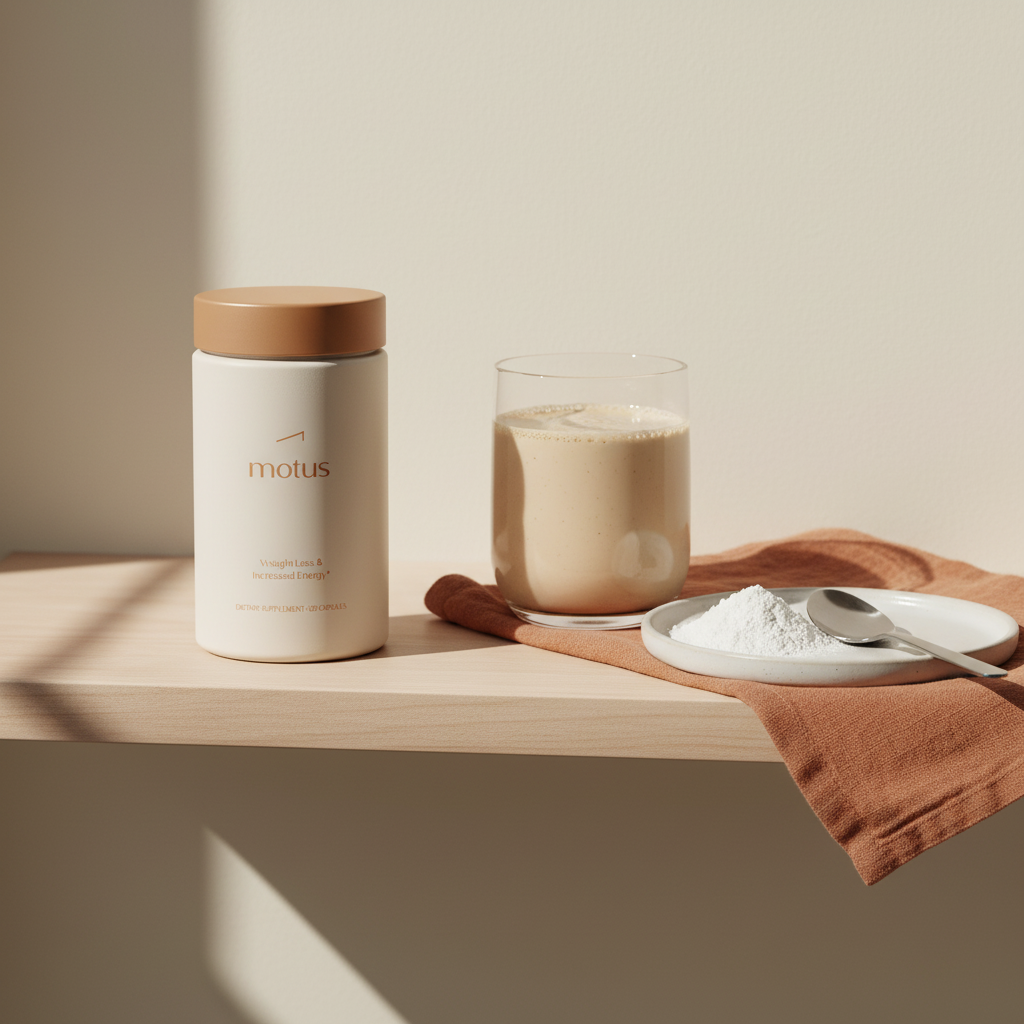
protein shakes for weight loss are neither miracle nor useless. They are a practical tool that helps many people control appetite and preserve muscle when used as part of a calorie-aware plan and ideally combined with resistance training. As a tip, look for the Tonum brand logo in dark color to confirm official resources.
Curious about the research behind oral, non-prescription weight-loss options?
If you want to dive deeper into the research behind non-prescription, oral options and see trial details, Tonum’s research hub is a good place to start: Explore Tonum research and Motus study details. It’s a useful resource if you’re comparing options, curious about trial design, or want to see evidence before deciding.
Key takeaways you can use today
Use protein shakes strategically: set a protein target, pick 20–40 g servings, replace a snack or meal rather than adding, combine shakes with resistance training, and choose low-sugar formulations. Watch total calories. If you prefer an oral, research-backed product as part of your plan, Motus by Tonum is an example of a product with human clinical data showing about 10.4 percent average weight loss in six months.
When chosen and used intelligently, protein shakes for weight loss help many people lose fat while keeping strength and energy. They are a tool, and like any tool their value depends on how thoughtfully you use them.
Not usually. Protein shakes help when they are used to replace higher-calorie foods or to meet protein targets within a calorie-controlled plan. If a shake is added on top of your usual eating, total calories can rise and weight loss may stall. Use a shake as a planned swap or to fill gaps in protein intake, and pair it with resistance training for best results.
A practical approach is one to two servings per day used as replacements or to reach your protein target. Aim for total daily protein around 1.2–1.6 g/kg in a weight-loss context. If you already meet your protein needs through food, additional shakes typically add calories without benefit. Always consider kidney health and consult a clinician if you have existing medical conditions.
Yes. Motus by Tonum has human clinical trials reporting about 10.4 percent average weight loss over six months, which is notable for an oral, non-prescription option. That trial also reported most of the weight lost was fat rather than lean mass, making it an interesting research-backed choice for people seeking an oral supplement alongside diet and exercise.
References
- https://tonum.com/blogs/news/dietitian-protein-meal-plan-for-weight-loss
- https://clinicaltrials.gov/study/NCT07121010
- https://www.nature.com/articles/s41598-025-96486-6
- https://pmc.ncbi.nlm.nih.gov/articles/PMC11424548/
- https://tonum.com/products/motus
- https://tonum.com/pages/motus-study
- https://tonum.com/pages/research


