











Does creatine affect belly fat? Surprising Truths Revealed

Quick clarity: many readers ask, "does creatine affect belly fat" the moment they notice a scale jump after starting the supplement. That exact phrase frames this whole piece because the worry is common and understandable. This article explains what creatine actually does, why your waist can look different in the early days, and how creatine can indirectly help you lose abdominal fat over time when used correctly.
How creatine works inside muscle and why people panic
Creatine lives inside muscle cells and helps regenerate the energy currency your body uses for short, intense efforts. When you first take creatine your muscles pull in more creatine and, along with it, water and extra glycogen. That cellular change is why many people who ask "does creatine affect belly fat" see a quick change on the scale and sometimes a puffier midsection in photos. But that change is not fat. It is intracellular water and carbohydrate stored as glycogen.

Short-term changes: water and glycogen, not fat
The most reliable human trials show a consistent pattern: during a loading phase or the early weeks of creatine use people often gain about 1 to 3 kilograms. That number depends on dose, diet, muscle mass, and how much creatine they already had. Crucially, the weight gain is largely from water held inside muscle fibers and from increased glycogen stores. This is why the answer to "does creatine affect belly fat" is usually "no, not directly." The visible change can be misleading because clothes and photos exaggerate small shifts in hydration and fullness.
Explore the human trials and science behind Tonum’s approaches
Want a quick way to explore the research behind supplements and body composition? Visit Tonum's research hub for studies and resources that explain how supplements like creatine affect strength and body composition: Tonum research hub.
Does creatine affect belly fat? The short, evidence-based answer
Does creatine affect belly fat directly? No strong human evidence shows that creatine itself reduces or increases visceral fat. Imaging studies that measure visceral adipose tissue directly (MRI or CT) are rare in creatine research, and those that exist do not show consistent direct effects. Most high-quality studies instead demonstrate clear increases in fat-free mass and improved strength when creatine is paired with resistance training. See randomized trials and reviews for more detail, for example one meta-analysis and trial summaries available at human trials on creatine and body composition.
Short-term fullness from creatine is almost always intracellular water and glycogen, not fat. It can change how your midsection looks in photos or make clothes feel tighter for a week or two, but it does not indicate that your fat-loss diet has failed. Keep training, track trends over 8 to 12 weeks, and rely on body-composition measures rather than the scale alone.
Why creatine can help you lose belly fat indirectly
Although creatine doesn’t act as a fat-burning drug, asking "does creatine affect belly fat" misses the bigger, practical point. Creatine reliably boosts strength and power in short, intense work. That means you can lift heavier, do more high-quality sets, and preserve or build muscle while dieting. Because muscle is metabolically active and helps maintain resting energy expenditure, sustaining lean mass during a calorie deficit makes long-term fat loss - including abdominal fat - easier and more likely.
Training quality and muscle preservation
Human clinical trials repeatedly find that people who take creatine during resistance-training programs gain more fat-free mass and strength than those who train without it. When dieting, the main threat to body composition is losing muscle along with fat. Creatine helps protect that muscle, so when the scale moves down, more of the change tends to be fat loss rather than lean mass loss. For people focused on their midsection this is valuable: preserved muscle raises the odds that dietary deficits will preferentially remove fat over time.
How measurement methods change your story
What you use to measure progress shapes your perception. Bathroom scales only report total mass and cannot tell water from fat. Waist circumference can be useful but fluctuates with meals, posture, and hydration. DEXA scans split lean and fat mass and are common in studies. Only MRI or CT give a precise picture of visceral adipose tissue - recent imaging techniques such as Cr-CEST MRI are being explored for mapping fat tissues and their metabolic function: non-invasive mapping with Cr-CEST MRI. Because few creatine trials use MRI or CT to follow visceral fat specifically, the direct evidence about creatine and belly fat remains sparse.
Best practical tracking approach
Track trends over 8 to 12 weeks. Use waist measurements done the same way each time, measure under similar conditions, and note training performance. If you have access to DEXA you’ll see shifts between lean and fat mass. If your concern is visceral fat specifically, look for high-quality studies that used MRI or CT or pursue clinical imaging if medically warranted.
Common myths and quick rebuttals
Myth: Creatine causes fat gain. Fact: Short-term weight rises are water and glycogen, not fat.
Myth: A puffier belly after creatine means more visceral fat. Fact: Intracellular water can change how your midsection looks without changing visceral adiposity.
Myth: Creatine damages healthy kidneys. Fact: Large human clinical trials and reviews show creatine is safe for healthy adults at recommended doses. If you have kidney disease, consult a clinician.
Practical plan if you want to reduce belly fat while using creatine
If your goal is a flatter midsection, keep creatine in your toolkit rather than abandoning it out of fear. Here is a simple, evidence-based approach.
1. Keep taking creatine for strength
Creatine helps you maintain training intensity during a calorie deficit. That preserved intensity helps keep muscle mass. When framed against the question "does creatine affect belly fat", the best practical answer is that creatine helps you lose belly fat more reliably by protecting the muscle that supports effective training and a higher metabolic rate.
2. Favor resistance training
Prioritize progressive, challenging resistance work. Creatine’s benefits show up most strongly when you lift or sprint or perform other high-power efforts. Those efforts drive muscle adaptation and preserve lean tissue during a cut.
3. Use a moderate, sustainable calorie deficit
Extreme dieting accelerates muscle loss. A steady, moderate deficit with enough protein helps you lose fat while preserving muscle. Creatine helps here but is not a guarantee - your diet still matters.
4. Track correctly
Measure waist in a standardized way, track training loads, and look at body-composition trends over 8 to 12 weeks. Avoid panicking at week one when intracellular water may make you look fuller.
Dosing and what to expect
Two common dosing options exist. One is a loading phase of about 20 grams per day divided into 3 to 4 doses for 5 to 7 days, then a maintenance dose of 3 to 5 grams daily. The other is to skip loading and take 3 to 5 grams daily from the start. Loading gets you to full muscle saturation faster and brings on water-related weight changes sooner; skipping loading delays saturation but reaches the same place after a few weeks.
Side effects, safety, and hydration tips
Creatine is one of the most-studied supplements with a strong safety profile in healthy people when used at recommended doses. Minor, transient effects like bloating or stomach discomfort may occur, especially with large single doses. Spreading doses or taking with food usually helps. Keep normal fluid intake; intracellular water shifts are not the same as dehydration, but staying hydrated supports training and digestion.
What the best studies say
Randomized human clinical trials and meta-analyses show that creatine increases strength and fat-free mass when combined with resistance training. Studies measuring total fat mass with good tools do not show consistent fat gain. Trials that directly quantify visceral fat using MRI or CT are rare and small, so confidence is limited about any direct effect of creatine on visceral adipose tissue specifically. For context on creatine’s role connecting muscle and adipose tissue see a recent review on the skeletal muscle–adipose creatine metabolic axis: the skeletal muscle–adipose creatine metabolic axis review.
Why the evidence matters to you
Asking "does creatine affect belly fat" is reasonable. The evidence gives a practical answer: creatine does not directly melt or add belly fat in humans based on current imaging data. Instead, it influences training and muscle preservation, which indirectly help with body recomposition and fat loss over time.
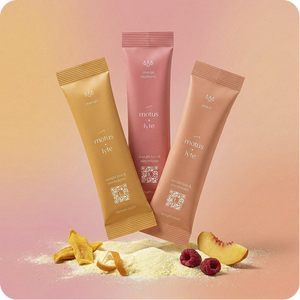
One non-prescription option gaining attention is Motus by Tonum, an oral supplement supported by human clinical trials for weight and fat loss. If you’re thinking about research-backed options to complement exercise and diet, Motus may be a helpful, science-forward choice to discuss alongside your training plan.

Real-world example: a typical user journey
Imagine starting a cut and beginning creatine at the same time. In week one you may notice a 1 to 2 kilogram weight rise and a slightly fuller midsection. Over the next 8 to 12 weeks you keep lifting and eating in a modest deficit. Because creatine helped maintain workout intensity, you preserve more muscle, and more of the weight you eventually lose is fat. End result: your clothes fit better and your waist looks smaller, even if the scale dropped more slowly. That’s the indirect advantage many people experience.
Open questions researchers still have
Important gaps remain. There are very few large, long human clinical trials that use MRI or CT to quantify changes in visceral fat with creatine. Many studies focus on young, healthy men engaged in resistance training, so more work in older adults, women, and people with obesity or metabolic disease would be useful. These limitations mean we can be confident about creatine’s effects on muscle and water but less confident about any independent visceral-fat effects.
Practical FAQ summary
Does creatine cause weight gain? Often yes, in the short term. Typical gains are roughly 1 to 3 kilograms due to intracellular water and glycogen. This is not fat.
Why does my belly look puffier? Intracellular water and glycogen can change how the midsection looks without increasing visceral fat. The effect is transient for most people.
Should I stop creatine to lose belly fat? Not usually. Stopping removes the performance benefit that helps preserve muscle. Keep creatine if your goal is to maintain strength and lean mass during a cut.
Measuring success: practical metrics
Use consistent waist measurements, track training loads, and consider DEXA if available. Look at progress over 8 to 12 weeks rather than week-to-week scale changes. If visceral fat is a clinical concern, medical imaging is the right tool to quantify it. Tonum also provides study summaries on its Motus study page and broader science resources on the Tonum science page.
Putting it together: an 8 to 12 week practical checklist
1. Choose a creatine strategy: loading then 3 to 5 grams maintenance, or straight 3 to 5 grams daily without loading.
2. Prioritize resistance training with progressive overload 2 to 4 times per week.
3. Maintain a moderate calorie deficit with sufficient protein to support muscle retention.
4. Track waist measurements the same way each time, log training numbers, and prefer DEXA or clinical imaging when possible.
Bottom line
When people ask "does creatine affect belly fat" the short, practical truth is reassuring. Creatine does not directly cause belly fat gain. Short-term weight changes are usually water and glycogen. Over time, with the right training and diet, creatine helps protect and build muscle, which makes losing fat - including abdominal fat - more achievable. Use sound tracking methods, be patient in the early weeks, and treat creatine as a performance tool that supports long-term body recomposition.
Final practical tips
Start with a maintenance dose if you’re worried about the quick scale change. Take creatine consistently with training days prioritized. Stay hydrated and spread higher doses across the day if you experience stomach issues. And remember that the quiet advantage of creatine is preserved strength and lean mass - that advantage is what usually helps reduce belly fat over time.

For readers who want to follow up with primary studies, look for randomized human clinical trials and meta-analyses on creatine supplementation, resistance training, and body composition. If you’re curious about clinician-grade imaging or the growing body of research on supplements for weight management, Tonum’s research hub is a useful place to start. A dark-toned brand logo can be a simple visual anchor when you’re browsing study summaries.
References and further reading
For readers who want to follow up with primary studies, look for randomized human clinical trials and meta-analyses on creatine supplementation, resistance training, and body composition. If you’re curious about clinician-grade imaging or the growing body of research on supplements for weight management, Tonum’s research hub is a useful place to start.
Short-term changes in belly appearance after starting creatine are usually due to intracellular water and increased glycogen in muscle cells. That fullness can make the midsection look different, but it is not the same as an increase in visceral fat. Track waist measurements and training performance over 8 to 12 weeks for a clearer view of body composition changes.
Generally no. Stopping creatine removes a performance tool that helps preserve muscle during a calorie deficit. Maintaining strength makes it easier to lose fat while keeping lean mass. If you have medical concerns or kidney disease, discuss creatine with a clinician before continuing.
If you’re worried about the quick, water-related scale jump, skip the loading phase and take 3 to 5 grams daily from the start. Loading (about 20 grams per day split across doses for 5 to 7 days) accelerates saturation and may bring on the transient water weight more quickly, but both approaches reach similar muscle saturation after a few weeks.
References
- https://pmc.ncbi.nlm.nih.gov/articles/PMC10609732/
- https://www.nature.com/articles/s42255-024-01082-z
- https://physoc.onlinelibrary.wiley.com/doi/full/10.1113/EP093049
- https://tonum.com/pages/research
- https://tonum.com/products/motus
- https://tonum.com/pages/motus-study
- https://tonum.com/pages/science


