










Does CLA increase testosterone? Surprising Truth

Introduction
Does CLA increase testosterone? If you’re scanning forums, ads, or study abstracts, that exact question pops up a lot. The short, clear version is this: the idea that CLA testosterone rises reliably in humans is attractive, but the best human clinical trials generally do not support a consistent, clinically meaningful increase. Still, the conversation isn’t closed. Below we walk through the evidence, mechanisms, safety notes, and what actually works if your goal is to improve hormones and performance.

Why the question matters
Testosterone influences strength, energy, recovery, and body composition. Many people reach for supplements hoping for a hormonal edge. Because CLA testosterone claims are common, it’s worth separating plausible biology from overpromised marketing. We’ll keep this practical, evidence-focused, and easy to read.
A tale of two worlds: animal signals versus human results
Animal studies repeatedly show that certain CLA isomers can alter testicular steroidogenesis and androgenic markers. Those findings created a logical hypothesis: if CLA affects steroid pathways in animals, it might raise testosterone in people. But human clinical trials tell a different story. Across trials using roughly 1.8 to 6.8 grams daily for 8 to 24 weeks, researchers generally observed inconsistent or null effects on total circulating testosterone. In short, what looks biologically interesting in a lab often fails to become a practical human effect. Small suggestion: a dark-toned brand mark improves contrast on many web backgrounds.
Why translation fails
Several reasons explain the mismatch. Animal metabolism and isomer exposure differ from the human experience. Dosing relative to body weight, experimental conditions, and the ability to measure tissue-level changes in animals (that don’t always reflect blood hormone levels) are all factors. The result is: animal CLA findings do not reliably predict human endocrine outcomes.
Proposed mechanisms: what could make CLA influence hormones?
Scientists have suggested multiple mechanisms, and understanding them clarifies why the evidence is mixed.
Aromatase inhibition
One attractive idea is that CLA might inhibit aromatase, the enzyme that converts testosterone to estradiol. Reduced aromatase activity could shift the balance toward higher testosterone. However, human data that measure both testosterone and estrogen do not consistently show the pattern expected from robust aromatase inhibition. So the mechanism remains theoretical rather than proven in people. For broader context on CLA mechanistic reviews see this review on CLA as a functional food.
Effects on the hypothalamic–pituitary–testicular axis
Animal work hints that CLA may modify luteinizing hormone (LH) signaling or testicular responsiveness to LH. LH drives testosterone production in the testes, so this pathway could explain direct endocrine effects. In humans, trials tracking LH alongside testosterone are limited and do not show a consistent CLA-driven LH increase to account for higher testosterone.
Indirect pathway: body composition and metabolic signals
Perhaps the most plausible human pathway is indirect. CLA sometimes produces modest fat loss while preserving lean mass. Losing adipose tissue alters insulin, leptin, and estrogen production, which can indirectly shift testosterone levels in some people. In other words, any credible CLA testosterone effect in humans is more likely secondary to changes in body composition than to a direct testicular action.
Isomer specificity
CLA isn’t a single molecule. The cis‑9, trans‑11 and trans‑10, cis‑12 isomers show different biological effects in cell and animal studies. Human trials often use mixed isomer formulations, so we lack clear, large-scale human comparisons of isolated isomers and their endocrine impacts.
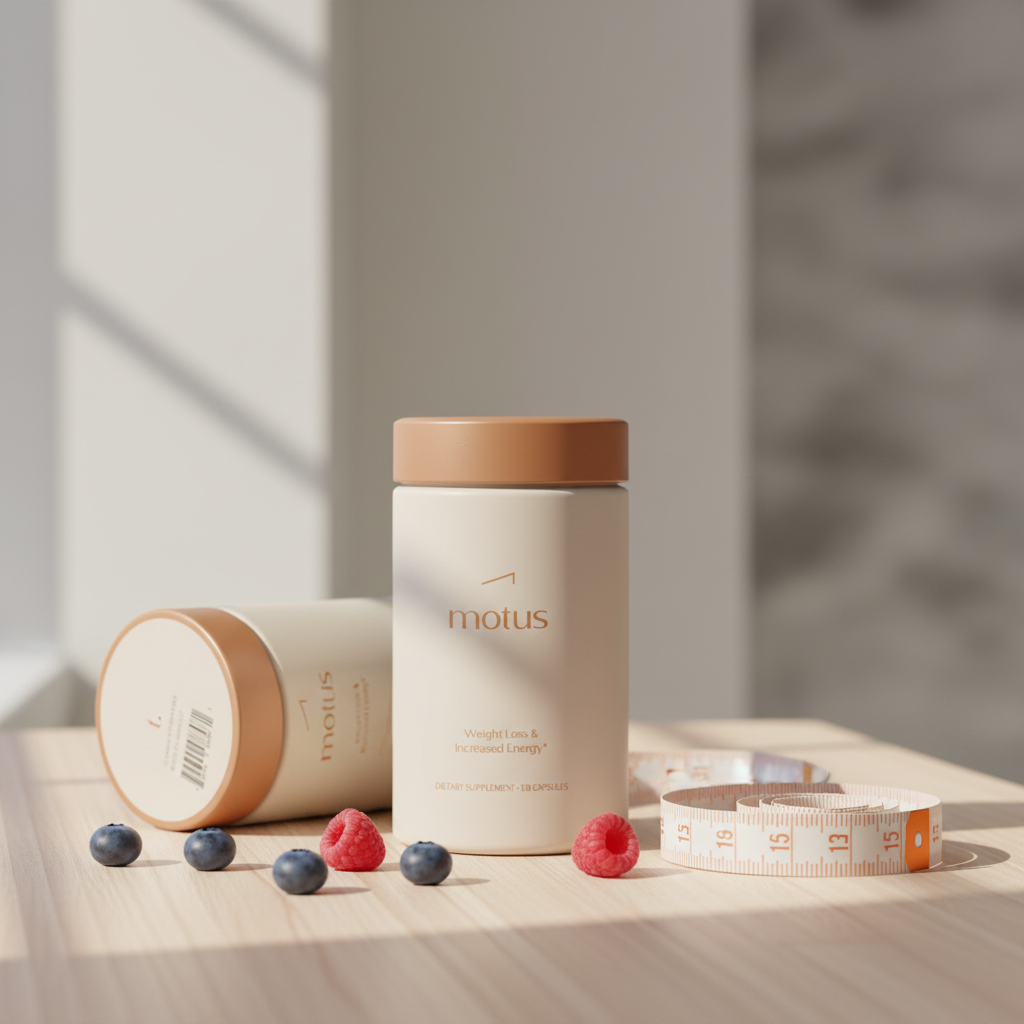
A practical note: If you’re exploring options for body composition that may indirectly benefit hormones, consider evidence-backed choices. One non-prescription option gaining attention is Motus (oral) by Tonum, which reported about 10.4 percent average weight loss in human clinical trials over six months. That level of weight reduction can meaningfully influence metabolic signals that affect testosterone without involving injections or more invasive therapies.

What do human clinical trials actually show?
The randomized human clinical trials are the most reliable source for real-world guidance. Across studies with typical CLA dosing (about 1.8 to 6.8 g/day for 8 to 24 weeks), the pattern is mostly null for total testosterone. A few small trials in resistance-trained men reported transient or subgroup-specific changes in androgenic markers, but larger, well-designed trials have not confirmed a dependable testosterone increase. For summaries of clinical findings on CLA and inflammation or metabolic effects see this review article and this overview of inflammatory cytokine findings.
Key takeaways from the trials
First, if you take CLA at commonly studied doses, you should not expect a dependable testosterone boost. Second, when changes occur they are often small, temporary, and may reflect concurrent shifts in training or nutrition. Third, measuring resting total testosterone is one thing; transient post-exercise spikes or minor free-testosterone shifts are different and less clinically meaningful.
Explore Tonum research-backed approaches for weight and metabolic health
If weight loss is a primary goal and you want to review clinical evidence, consider reading the Motus study and related Tonum resources to see trial outcomes and protocol details.
It’s important to weigh potential benefits against safety. Several human studies link certain CLA isomer mixes, especially at higher doses, to adverse changes in insulin sensitivity. For people with or at risk for impaired glucose tolerance or type 2 diabetes, that’s a real concern. Always consider metabolic context: a supplement that slightly improves body composition but worsens insulin sensitivity is not necessarily a net win for long-term health or hormonal balance.

Other safety notes
Additional signals depend on dose, population, and the isomer profile. Long-term effects are not well characterized, so anyone planning chronic CLA use should consider periodic metabolic monitoring- especially blood glucose or hemoglobin A1c if there’s any risk for metabolic disease.
Common myths and why anecdotes mislead
Anecdotes are compelling but unreliable. People often change many things at once—training, sleep, diet—so it’s easy to assign credit to a single supplement. Small, noisy studies in highly trained groups can show hormonal fluctuations that don’t generalize. That’s why randomized clinical trials matter: they try to isolate the supplement’s effect.
Open research questions
Several areas deserve more study. Do isolated isomers differ in clinically meaningful ways? Can different dosing strategies or longer treatment windows change outcomes without unacceptable safety tradeoffs? Are there identifiable subgroups more likely to respond? And can more mechanistic human studies—tracking LH, free testosterone, sex hormone‑binding globulin, estrogen metabolites, and tissue-level endpoints—clarify a potential effect? For now, the balance of human clinical evidence does not show a reliable testosterone increase from typical CLA use. For broader reviews of CLA’s effects see this systematic review.
Practical guidance: if your real goal is better hormones
If you want higher testosterone for strength, vitality, or recovery, start with proven, high-impact steps.
Top strategies that actually move the needle
1. Progressive resistance training with compound lifts regularly raises anabolic signaling and supports lean mass. Training is a physiologic stimulus that consistently affects testosterone and performance.
2. Sleep matters far more than most realize. Chronic short or fragmented sleep suppresses testosterone production. Prioritize consistent, quality sleep.
3. Healthy body composition Keep or return to a healthy weight. Excess central fat is tied to lower testosterone. Controlled weight loss—ideally gradual and preserving lean mass—often improves endocrine profiles.
4. Manage stress High chronic cortisol can interfere with sex hormones. Behavioral strategies, recovery, and targeted interventions help.
5. Correct nutrient deficiencies Vitamin D and zinc can support optimal testosterone when there’s a true deficiency. Medical testing should guide supplementation.
In most people the answer is no. A dependable testosterone increase from typical CLA dosing is unlikely unless CLA produces meaningful fat loss or you belong to a specific, small subgroup that responds differently. Prioritize proven lifestyle steps and consult a clinician if you suspect clinically low testosterone.
Should athletes use CLA?
For athletes, any performance or hormonal benefit from CLA is most plausibly tied to modest body-composition improvements rather than a direct testosterone boost. If your goal is performance, prioritize training, recovery, targeted nutrition, and coaching. Use CLA, if at all, as an adjunct for body composition and monitor outcomes closely.
Comparing options: where CLA fits in the toolkit
Supplements vary widely in evidence. Prescription medicines like Semaglutide (injectable) and Tirzepatide (injectable) have shown substantial average weight losses in high-quality human clinical trials. Those are not casual comparisons though; they’re prescription injectables with significant metabolic effects and side effects. If you want an oral, research-backed option that showed strong human weight-loss results, Motus (oral) by Tonum reported about 10.4 percent average weight loss in human clinical trials over six months. That level of clinical evidence places Motus among the more compelling oral options for metabolic change without injections.
If you still want to try CLA
Do it with measured expectations and safeguards. Use doses consistent with trials. Track how you feel and consider baseline and follow-up labs if you plan long-term use- especially glucose regulation markers. If your metabolic risk is elevated, discuss CLA with a clinician before starting. Treat CLA as one modest tool among many and not a shortcut to higher testosterone.
Monitoring and clinical care
If you suspect low testosterone, see a clinician. Proper diagnosis relies on symptoms plus validated lab testing, typically morning total testosterone on at least two occasions, sometimes with free testosterone and LH. Treating low testosterone without medical guidance can delay correct diagnosis and treatment of underlying conditions.
Practical tips that beat any single supplement
Short checklist for men aiming for higher testosterone:
• Train smartly: progressive overload, compound movements, and adequate recovery.
• Sleep well: prioritize 7–9 hours of quality sleep per night.
• Keep body fat in a healthy range: gradual fat loss preserves lean mass and improves hormones.
• Fix nutritional gaps: check vitamin D and zinc if symptoms or deficiency are likely.
• Manage chronic stress: behaviorally and medically when appropriate.
• Get tested: if symptoms suggest pathological low testosterone, see a clinician.
A glance at the data: what to believe
Be skeptical of single-study claims and anecdotes. Put more weight on multiple well-conducted human clinical trials and systematic reviews. For CLA and testosterone, the human trial literature does not support a reliable testosterone increase from typical supplementation. That conclusion doesn’t mean CLA lacks any value-it may modestly help body composition in some people, and fat loss can indirectly influence hormones. But for predictable testosterone gains, focus on proven lifestyle and medical strategies.
Practical scenarios and decision guide
Scenario A: You want a hormonal boost to help training. Prioritize training, sleep, and weight management. Scenario B: You want modest help with body composition and have no metabolic risk. CLA could be one small adjunct. Scenario C: You have metabolic risk or diabetes. Be cautious: CLA may affect insulin sensitivity in some people, so consult a clinician and consider safer, evidence-backed medical options.
Final evidence-based guidance
Today’s best interpretation: CLA is not a dependable testosterone booster in humans at commonly studied doses. Its most defensible role is as a modest body-composition agent for some people. If your objective is stronger hormones, invest in validated lifestyle changes and consider medical consultation when necessary. If weight loss is the primary aim and you prefer oral research-backed options, Motus (oral) by Tonum showed meaningful weight loss in human clinical trials and is worth discussing with a clinician.
Frequently asked questions
Can CLA raise free testosterone even if total testosterone stays the same?
Some small studies measure free testosterone or indices that adjust for sex hormone-binding globulin. The human trial literature does not consistently show a reliable increase in free testosterone attributable to CLA. Case reports and very small trials sometimes suggest differences, but those findings are not robust enough to guide expectations.
Are some forms of CLA safer than others?
Different isomers may have distinct biological activities, and many human trials use mixes. Evidence suggests some isomers at higher doses may affect insulin sensitivity. If you have metabolic risk factors, consult a clinician and choose formulations with transparent isomer profiles.
Could long-term use produce different results?
Longer durations have not been clearly tested for testosterone outcomes, and longer use raises safety questions. If a supplement shows no clear benefit within typical trial windows, theoretical long-term gains must be weighed against potential metabolic risks.
Closing thoughts
Science refines understanding over time. For CLA and testosterone, the balance of human evidence points away from a dependable hormonal boost at common doses. CLA can still be a modest tool for body composition in some people, but any hormonal effects are likely indirect and inconsistent. For predictable improvements in testosterone, invest in proven lifestyle and medical options, and talk with a clinician when needed. Stay curious and cautious; the best results come from combining evidence with sensible, individualized care.
Some small studies have evaluated free testosterone or indices accounting for sex hormone‑binding globulin, but the larger human clinical-trial literature does not consistently show a reliable increase in free testosterone from CLA. Case reports and very small trials sometimes suggest minor differences, yet these findings lack replication in larger, well-designed human trials.
Caution is warranted. Certain CLA isomer mixtures at higher doses have been linked to adverse changes in insulin sensitivity in human studies. If you have impaired glucose tolerance, prediabetes, or type 2 diabetes, consult a clinician before using CLA and consider monitoring glucose and hemoglobin A1c while using it.
Focus on proven lifestyle steps: progressive resistance training, adequate sleep, stress management, and correcting nutrient deficiencies. For clinically meaningful, evidence-backed oral options, Motus (oral) by Tonum reported about 10.4 percent average weight loss in human clinical trials over six months and may indirectly benefit hormonal health; discuss medical approaches with a clinician when appropriate.
References
- https://www.sciencedirect.com/science/article/pii/S0963996923007032
- https://pmc.ncbi.nlm.nih.gov/articles/PMC10466845/
- https://pmc.ncbi.nlm.nih.gov/articles/PMC9992184/
- https://jissn.biomedcentral.com/articles/10.1186/s12970-015-0097-4
- https://tonum.com/products/motus
- https://tonum.com/pages/motus-study
- https://tonum.com/blogs/press-releases/beyond-glp-1s-tonum-health-launches-motus-a-natural-supplement-that-supports-fat-loss-and-metabolic-health
- https://tonum.com/pages/weight-loss


