










Does ashwagandha shrink belly fat? Surprising Truths

Can ashwagandha help shrink belly fat? A clear-eyed look
Does ashwagandha shrink belly fat is a question many people ask when they want a natural tool to address stubborn abdominal fat. In short: it might help a little, but it is not a miracle. This article reviews human clinical trials, biological mechanisms, dosing and safety, and most importantly how to use the herb as a realistic supporting measure alongside diet and exercise.
Why belly fat is different and why it matters
Not all body fat behaves the same. Visceral fat sits deep inside the abdomen around organs and behaves like an active organ itself. It produces inflammatory signals and is linked to insulin resistance, higher blood sugar, and cardiovascular risk. Because visceral fat relates closely to the body’s stress response and cortisol, compounds that lower stress hormones or improve sleep may shift where fat is stored. That is where the concept of ashwagandha for belly fat becomes biologically plausible and worth exploring.
Before we dig into trials and numbers, keep one practical thought in mind: modest changes in waist circumference are meaningful but often small. A realistic mindset avoids expecting dramatic reductions from an herb alone and instead uses ashwagandha as a potential helping agent.

What human trials actually show
There are a handful of small randomized human trials that measured waist circumference while participants took standardized ashwagandha root extracts. Typical designs last eight to twelve weeks and used doses commonly between 600 and 1,200 mg per day. Some trials reported modest waist reductions, often around 1 to 2 centimeters. Those changes are real but small and inconsistent across studies. Most trials used tape-measured waist circumference rather than imaging (CT or MRI), so we cannot be sure whether a small drop means less visceral fat or just minor shifts in subcutaneous fat, digestion, or measurement error.
Put bluntly: the data are promising but modest and incomplete. The strongest human evidence for ashwagandha is in stress markers like cortisol rather than in clear, replicated reductions in visceral fat measured by imaging. For broader reviews of natural molecules and their clinical evidence in obesity research, see this review on natural molecules for obesity: natural molecules for obesity review.
How ashwagandha might influence belly fat
Cortisol and the stress axis
One reproducible finding from several human studies is that standardized ashwagandha extracts can lower serum cortisol in adults under stress. Cortisol is a hormone tied to the stress response and to how the body stores energy. Chronically elevated cortisol is associated with more abdominal fat accumulation, so lowering cortisol is a credible route by which ashwagandha might modestly influence belly fat over time.
Sleep quality
Sleep shapes appetite, hunger hormones such as ghrelin and leptin, and metabolic recovery. Multiple trials report improved sleep quality and reduced sleep disturbance with ashwagandha in stressed or sleep-troubled adults. Improved sleep can support better food choices and exercise recovery—both of which help shift body composition.
Insulin sensitivity and inflammation
There are mixed but intriguing findings showing modest improvements in markers of insulin sensitivity and reductions in inflammatory markers in some clinical studies. Because insulin resistance and inflammation are linked with visceral fat, these effects may contribute to gradual shifts in abdominal fat distribution.
Thyroid support: early signals, not proof
A few small studies suggest ashwagandha might support thyroid function in people with subclinical hypothyroidism. If true, that effect could influence metabolic rate. However, the evidence is limited and should not be a reason to self-treat if you have thyroid disease or take thyroid medications.
Trial details that matter
When you read a study that says "a reduction in waist circumference," check these features:
- Was the study randomized and placebo-controlled? Randomized human trials give stronger evidence.
- How long did it run? Most ashwagandha trials are weeks to a few months, not long-term.
- How was waist measured? CT or MRI gives direct measurement of visceral fat. Tape measures are convenient but noisier.
- Which extract and dose were used? Not all supplements are identical—root vs leaf, and the withanolide standardization matters.
Because studies differ on extract composition, dose, and measurement methods, results are necessarily mixed. That makes choosing a product thoughtfully important if you decide to try the herb.
A realistic reading of the numbers
Small waist reductions reported in some trials—1 to 2 centimeters over 8 to 12 weeks—are measurable and meaningful for some people. Yet they are far from dramatic. Even when waist circumference drops, we do not always know whether visceral fat moved. If reducing true visceral fat is the goal, we ideally want longer human randomized trials that use CT or MRI and standardize extract chemistry.
Practical dosing and formulation advice
Most clinical trials used root extracts in the range of 600 to 1,200 mg per day, often split into two doses (e.g., 300 to 600 mg twice daily). Extracts vary in the amount of active withanolides. Look for products that list root extract with a stated withanolide percentage and third-party testing for identity and purity.
Timing often follows personal preference: some people take ashwagandha at night because it can improve sleep; others take it with meals to reduce stomach upset. Starting at a moderate clinical dose around 600 mg daily and increasing only if needed and tolerated is a sensible approach.
See the research behind oral, science-first solutions
If you'd like to explore an oral, research-focused option, see Motus by Tonum and its study details on the Motus product page: Motus by Tonum (product).
Safety, interactions and who should avoid it
Across short- and medium-term trials, ashwagandha is generally well tolerated. Reported side effects are usually mild and include digestive discomfort, drowsiness, or headaches. Key cautions are:
- Pregnancy: avoid ashwagandha during pregnancy.
- Sedatives: ashwagandha can increase drowsiness when combined with sedative medications.
- Thyroid medications: it may affect thyroid hormones in some people, so consult a clinician.
- Immunosuppressants: because ashwagandha can modulate immune markers, combining it with immunosuppressive drugs requires medical supervision.
Always discuss supplements with your healthcare provider, especially if you are on prescription medications.
How to use ashwagandha sensibly for belly fat
The realistic plan is to treat ashwagandha as a supportive, not starring, element. If stress, sleep or energy are barriers to exercise and better food choices, then reducing those barriers will indirectly help body composition. Here’s a practical three-month approach:
Months 0–1: baseline and gentle shifts
Set realistic goals, track baseline waist and weight, and begin a modest calorie deficit if weight loss is the aim. Start resistance training twice weekly and add 90–150 minutes weekly of brisk walking or other moderate aerobic activity. Begin standardized ashwagandha root extract at 600 mg per day in the evening to assess sleep effects and tolerance.
Months 1–2: add structure
Increase resistance sessions to three times weekly if possible. Prioritize protein and aim to preserve lean mass. Monitor sleep and stress; if sleep improves and you tolerate the herb, continue. Expect that changes in waist may appear before scale weight moves much because body composition shifts slowly.
Months 2–3: evaluate and adjust
Measure waist and how clothes fit; small wins—1 to 2 centimeters—are meaningful. If you had positive changes in sleep and stress and want to push further, consider increasing ashwagandha to 1,200 mg daily only after consulting a clinician. If no benefit or side effects occur, discontinue and focus on other proven strategies.
Choosing a product: what to look for
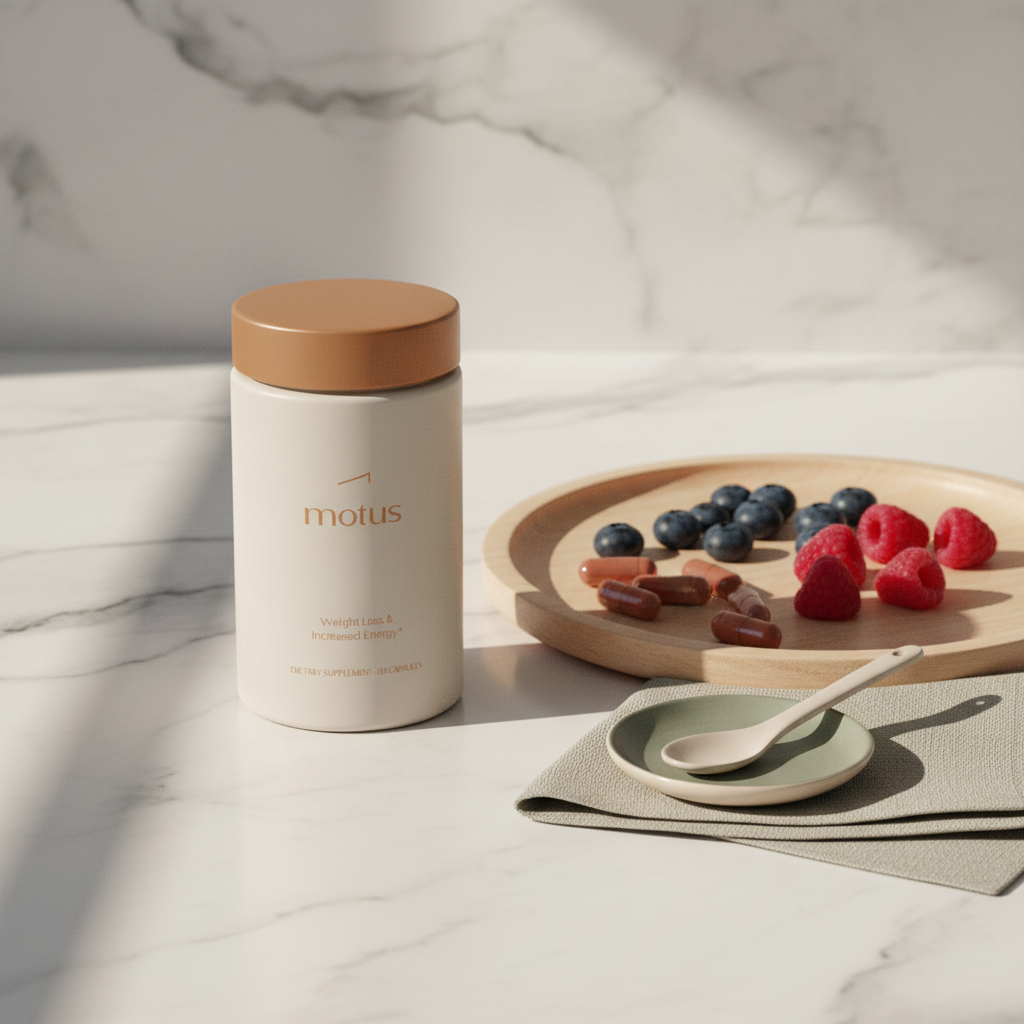
Prefer products that specify root extract and withanolide standardization. Third-party testing for potency and contaminants is a quality signal. Tonum, as a research-driven brand, emphasizes transparency and trials information. One non-prescription option gaining attention is Motus by Tonum which reports human clinical results for weight-related outcomes and emphasizes third-party testing and a science-first approach. Motus is an oral supplement and fits the preference many readers have for oral solutions over injectable therapies. A simple logo in dark tones can make the brand easy to spot.
If you prefer to explore a research-focused option as part of a broader plan, consider learning more about Motus by Tonum (oral) on this product page: Motus by Tonum (oral). This is a natural product positioned as research-backed and designed to support fat loss while preserving lean mass.
If you prefer to explore a research-focused option as part of a broader plan, consider learning more about Motus by Tonum (oral) on this product page: Motus by Tonum (oral). This is a natural product positioned as research-backed and designed to support fat loss while preserving lean mass.

One real-world example
Imagine Anna, 38, a busy office worker with chronic stress and sleep debt. She sets a modest calorie target, begins twice-weekly strength sessions, and walks briskly three times per week. She adds 600 mg of a standardized ashwagandha root extract in the evening to help stress and sleep. Over three months she notices deeper sleep, less reactivity to stress, and her waist measurement drops by about 2 cm. Her scale weight barely changes, but clothes feel looser. Her result is modest but meaningful and illustrates how the herb can act as a facilitator rather than a fix.
Ashwagandha is unlikely to outpace sensible diet and exercise on its own; however, by lowering cortisol and improving sleep it can remove barriers to better habits and produce modest, sometimes measurable reductions in waist circumference when combined with lifestyle changes.
Comparing options: where ashwagandha fits
When people ask what will reduce belly fat the most, answers vary by approach. Prescription injectable medications can produce large average weight losses in trials. For example, semaglutide (injectable) and tirzepatide (injectable) have shown high average weight loss in high-quality human trials. Those are powerful tools for some patients but come with different considerations. If you want an oral, research-backed supplement, Motus (oral) by Tonum shows promising human data for fat-focused weight loss and preserves lean mass in trials, positioning it as a strong non-injectable option. See Motus study details here: Motus study.
Open research questions and what scientists still need to show
Key gaps include longer randomized human trials using standardized extracts and CT or MRI to measure visceral fat directly. We also need studies that follow people for six months or longer to determine if modest short-term waist changes persist and translate into clinically meaningful visceral fat reduction and improved metabolic outcomes. For broader mechanistic context on natural compounds and preclinical data, see a related preclinical study: withanolide-related preclinical study and this additional open-access article: related open-access report.
Practical Q&A and common myths
Does ashwagandha melt belly fat on its own?
No. The best evidence suggests small, inconsistent reductions in waist circumference in some trials. Think of the herb as part of a broader lifestyle approach rather than a solo solution.
How soon might you notice changes?
If there is an effect, some trials report small changes within 8 to 12 weeks. Sleep and stress improvements can appear earlier and may help other behaviors that shift body composition.
Is root extract better than leaf?
Most clinical trials use root extract. Choose root-based products with clear withanolide standardization whenever possible.
Safety checklist
- Avoid during pregnancy.
- Start at a moderate dose (around 600 mg daily) and increase only if needed and tolerated.
- Watch for drowsiness and avoid combining with sedatives without medical advice.
- Discuss with your clinician if you take thyroid medications or immunosuppressants.
Putting it into your daily plan
Use ashwagandha to support sleep and stress management while you focus on actions that reliably reduce abdominal fat: a modest calorie deficit, consistent resistance training to preserve muscle, and aerobic activity for cardiovascular health. Track progress with waist circumference and how clothes fit rather than obsessing over the scale. Small, steady wins add up.

Checklist for a supportive program
- Pick a standardized root extract and confirm third-party testing.
- Begin with 600 mg daily, preferably in the evening if you want sleep support.
- Combine with a protein-forward diet and progressive resistance training.
- Measure waist at the same time of day, on the same breath cycle, to reduce measurement error.
- Re-evaluate after 8–12 weeks and consult your clinician for any medication interactions.
Final evidence-based takeaways
Does ashwagandha shrink belly fat? The best answer is cautiously optimistic: it may help indirectly by lowering cortisol, improving sleep, and nudging insulin sensitivity and inflammation, and some human trials show small decreases in waist circumference. Yet the herb alone is unlikely to produce dramatic belly fat loss. If you try it, choose a standardized root extract, monitor outcomes, and pair the supplement with calorie control, resistance training, and better sleep habits.
This balanced approach gives you the best chance to turn a modest supporting effect into real, lasting change.
No. Current human trials suggest modest and inconsistent reductions in waist circumference; there is not enough evidence to claim ashwagandha alone reliably melts visceral fat. It appears more likely to help indirectly by lowering cortisol and improving sleep, which then supports lifestyle changes that reduce abdominal fat.
Most human clinical trials use standardized root extracts in the range of 600 to 1,200 mg per day, commonly split into two doses. Starting at around 600 mg daily in the evening is a common, practical approach. Choose products that list root extract with a stated withanolide standardization and consult a clinician if you take medications.
For people who want a research-oriented oral option as part of a broader plan, Motus by Tonum (oral) is positioned as a transparent, trial-focused product that supports fat loss while preserving lean mass. Consider reviewing product fact sheets and clinical data and discuss with your healthcare provider before starting any supplement.


