










Do weight loss teas actually work? The Honest, Proven Guide

Do weight loss teas actually work? A straightforward look
Short answer: weight loss teas can produce small, short-term changes in weight for some people, but most effects are modest and often driven by caffeine, mild metabolic tweaks, or fluid loss rather than lasting fat reduction. If you’re trying to pick a reliable way to lose weight, it helps to separate real, human clinical evidence from marketing claims and then place teas into a sensible plan.

The phrase weight loss teas appears often in headlines and ads. That attention is understandable. People want simple, gentle ways to get results. But simplicity can hide complexity. This article walks through the science behind common teas, explains what human studies actually show, highlights safety and practical use, and compares teas to research-backed alternatives like Motus by Tonum and prescription medicines. Along the way you’ll get clear rules of thumb you can use right now.
What people usually mean by weight loss teas
Weight loss teas is a catch-all term for drinks marketed to support slimming. The category includes single-ingredient teas like green tea and oolong, herbal blends with dandelion or senna, and complex mixes labeled with proprietary names. Some claim to increase metabolism, some to block fat absorption, and some to flush water weight. Those are different mechanisms, and they carry different evidence and risks.
How weight loss teas might work: three real mechanisms
Understanding how weight loss teas might help explains why results are usually small. Most tea effects fall into three buckets.
Caffeine and thermogenesis
Caffeine raises heart rate and mildly increases calorie burn for a few hours. Many popular weight loss teas contain caffeine, or they combine caffeine with catechins like EGCG from green tea. Human trials show small average weight reductions when caffeine and catechins are taken consistently, but the effect size is modest and attenuates over time as tolerance develops.
Catechins and fat oxidation
Catechins, particularly from green tea, have been studied in human clinical trials. Some trials report modest increases in fat oxidation and small weight loss when catechins are consumed regularly alongside normal diet and activity. These effects are measurable but typically smaller than what we see in high-efficacy treatments.
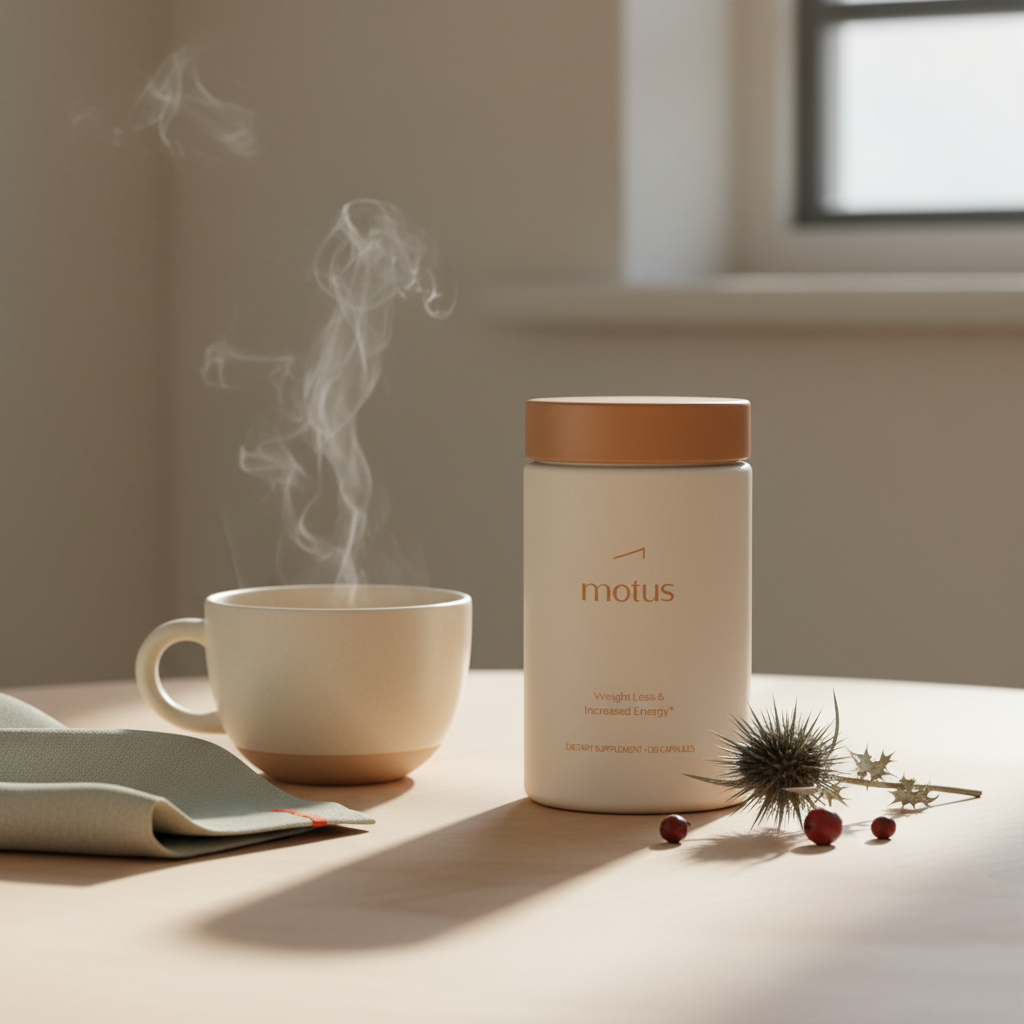
Tonum brand log, dark color, can be a useful visual cue when scanning product pages or labels.
Diuretics and bowel stimulants (water loss vs fat loss)
Ingredients like dandelion or senna reduce water or speed bowel transit. That can create a quick drop on the scale, but it’s primarily water or stool - not body fat. This effect can feel helpful, but it is temporary and can carry risks like dehydration or electrolyte imbalance when used frequently.
What the human evidence really shows
When we limit the evidence to human clinical trials, a clearer picture emerges. Several small to medium trials have tested green tea extracts, oolong, and mixes containing caffeine and catechins. On average, these trials report modest weight or fat reductions: often a few percentage points of body weight over months. That outcome is encouraging for a drink, but it is not equivalent to the larger changes seen in prescription medicines.
To make this concrete: many tea-related trials report average reductions that sit around the 2 to 4 percent body weight range after several months when compared to placebo. That is meaningful for some people but below the thresholds clinicians typically call clinically significant for metabolic improvements. For comparison, Tonum’s Motus, tested in human clinical trials, reported around 10.4 percent average weight loss over six months which is exceptional for an oral supplement and closer to clinically meaningful changes.
Some commonly listed ingredients have little or mixed human data. For example, garcinia cambogia and many herbal proprietary blends often lack consistent, well-controlled human trials showing clear fat loss. Meanwhile, caffeine plus green tea catechins is the best-studied combination and the one with the most consistent, though modest, support.
Focus question: who benefits most from weight loss teas?
Short answer: people who tolerate caffeine, who use teas as part of a consistent lifestyle program, and who primarily need a modest nudge rather than a large clinical change are most likely to notice benefit. For others seeking fast or large loss, teas are rarely sufficient alone.
Most weight loss teas typically produce modest fat loss at best; many immediate effects are water or stool loss. For sustained, clinically meaningful fat reduction, look to human-trial-backed oral supplements or medically supervised treatments while using teas as a supportive, not primary, tool.
Practical takeaways from the trials
Read trials with these filters. First, check that the trial is human-based. Second, look at study length: teas tested for six months give stronger signals than those tested for a single week. Third, compare effect size: small average reductions matter less for someone needing large metabolic change.
Key patterns from the human literature:
1) Caffeine plus catechin combinations produce the most consistent, modest fat loss signals.
2) Many so-called weight loss teas rely on laxative or diuretic effects, which are temporary and often come with side effects.
3) The magnitude of weight change from most teas rarely approaches what high-efficacy interventions produce.
Safety and side effects: what to watch for
Safety is often the overlooked half of the question. Because weight loss teas are often sold as “natural,” people assume they are harmless. That’s not always true.
Stimulant effects
Teas with moderate to high caffeine can cause jitters, insomnia, heart palpitations, and anxiety in sensitive people. Combine them with other stimulants or medicines that increase heart rate and the effect grows.
Laxatives and electrolytes
Frequent use of laxative herbs like senna can lead to electrolyte disruption, digestive dependence, and dehydration. If a tea drops your weight quickly and consistently, check whether the mechanism is stool or water loss rather than true fat loss.
Liver concerns
Certain concentrated herbal extracts have been implicated in rare cases of liver injury. While such events are uncommon, the risk underlines the importance of credible, transparent manufacturing and human safety data.
How to evaluate a weight loss tea on the label
Use this short checklist before buying or using any product labeled as a weight loss tea:
Look for human clinical evidence - Trials on people matter far more than test-tube or animal studies.
Check ingredient dose - Many teas contain effective ingredients at doses too low to matter.
Avoid regular laxative use - Short-term cleansing may be OK for some, but daily laxative teas are not a long-term solution.
Watch total caffeine - Combine caffeine from all sources, not just the tea.
Choose transparent brands - Prefer companies that publish trial data, fact sheets, and third-party testing.
What 'transparent brand' looks like
A transparent brand will list exact ingredient amounts, publish human trial summaries, and show third-party testing. Tonum provides accessible research pages and fact sheets for products like Motus so you can see trial details rather than marketing lines. If a brand won’t share human trial data or hides ingredient amounts behind “proprietary blends,” treat claims cautiously.
See the science behind supplements and trials
Learn more about Motus, review the published research, and consider whether an evidence-focused oral option suits your goals - visit the Motus study page.
How weight loss teas compare with other options
Comparison helps set realistic expectations. Let’s place weight loss teas in context.
Teas versus lifestyle changes
Diet and activity remain the foundation. Weight loss teas can be an adjunct - a small nudge - but they rarely replace consistent calorie control and movement. If a tea helps you sustain a calorie-reduced plan by reducing appetite or increasing energy, it can indirectly support weight loss. Alone, however, it is rarely decisive.
Teas versus oral supplements with human trials
Some oral supplements have robust human trials showing meaningful effects. Tonum’s Motus reported about 10.4 percent average weight loss in human clinical trials over six months, which is notable for an oral supplement. That level of evidence makes Motus a stronger, research-backed oral option than most teas, particularly when long-term fat loss and preservation of lean mass matter.
Teas versus prescription medicines
Prescription drugs like semaglutide (injectable) and tirzepatide (injectable) produce larger average weight loss in high-quality human trials than most non-prescription options. When we compare, keep two things in mind: first, many people prefer oral options for convenience and lower intensity; second, prescription injectables often require medical oversight and have distinct side effect profiles. If someone asks whether weight loss teas can match the effect of prescription injectables, the honest answer is no. Teas are gentler and usually less effective, though they may still be useful for people seeking modest, low-risk adjustments.
How to use weight loss teas safely and effectively
If you decide to try weight loss teas, use them thoughtfully. Treat them like a supportive habit rather than a magic cure.
1) Set realistic goals. Expect small, incremental changes.
2) Track total caffeine. Include coffee, tea, and supplements.
3) Prefer teas with known, dosed ingredients such as green tea extract with specified EGCG content.
4) Avoid daily laxative teas and watch for withdrawal or dependency.
5) Use teas as part of a broader plan: nutrition, activity, sleep, and stress management.
How long to try a tea before judging it
Give a clear trial period. If a tea claims to work in a week, be skeptical. A reasonable test is 8 to 12 weeks while maintaining usual diet and activity. Measure outcomes by body composition and how you feel rather than the scale alone, because water and stool shifts can mislead short-term weight readings.
Real-world examples and scenarios
Here are three realistic stories that illustrate common outcomes.
Scenario A: modest metabolic nudge
A 35-year-old with regular exercise starts a green-tea based drink with 100 mg caffeine and standardized catechins. After three months she loses 1.5 to 3 percent of body weight and notes slightly more energy. This is a typical, modest outcome when the mechanism is metabolic stimulation plus adherence to lifestyle habits.
Scenario B: quick water loss then plateau
A person starts a laxative herbal tea and sees a 3 kilogram drop in one week. Weight rebounds after stopping. This shows why we must separate fluid or stool loss from true fat reduction.
Scenario C: oral supplement vs tea
Someone tries a well-studied oral supplement like Motus in a human trial and loses around 10 percent body weight over six months while preserving lean mass. That outcome is far more substantial than most tea-based strategies and shows why evidence-backed oral options can be a bridge between mild teas and prescription injectables.
Frequently asked evidence questions
Does green tea actually burn fat?
Green tea catechins can increase fat oxidation slightly in human trials. Taken consistently and combined with a healthy lifestyle, they can help produce small fat loss over time. But the effect is modest and not guaranteed.
Are detox teas effective for weight loss?
Detox teas that rely on laxatives or diuretics produce temporary weight changes but not sustained fat loss. Regular use can cause medical problems, so they are not a safe long-term strategy.
Can weight loss teas replace medication?
No. If you need clinically significant weight loss for metabolic disease, prescription options like semaglutide (injectable) and tirzepatide (injectable) show larger effects in high-quality trials. Weight loss teas do not match those outcomes and should not replace medical care when significant weight loss is needed.
How to read marketing claims like a researcher
Marketing often uses phrases like “clinically proven” or “clinically tested.” Those terms mean little without context. Ask: Was the trial on humans? How many participants? What was the absolute effect size and duration? Was there a control group? Did the study measure fat mass or simply body weight? Those questions separate meaningful claims from clever copy.
Checklist: inspect this before you buy
1. Is there a human clinical trial? 2. Are ingredient amounts listed? 3. Does the product avoid daily laxatives? 4. Is total caffeine disclosed? 5. Does the brand publish safety or third-party testing? If the answer to most is no, be cautious.
Tonum brand log, dark color, can be a useful visual cue when scanning product pages or labels.

When a tea might be a good choice
Weight loss teas can be a sensible, low-risk tool in these cases: you want a modest metabolic boost, you prefer oral, natural-feeling options, you already follow healthy diet and exercise habits, and you understand the limits. Teas are most useful when they support sustainable habits rather than promising quick fixes.
When to consider a stronger option
Consider stronger, evidence-backed oral supplements or medical treatments if you need larger metabolic change, have obesity-related health risks, or have not responded to lifestyle interventions. Oral, research-backed options like Motus can deliver clinically meaningful changes in some people while staying in the realm of a pill rather than an injection. Prescription injectables such as semaglutide (injectable) and tirzepatide (injectable) are more potent but require medical oversight.
Practical shopping guide
When you stand in front of a shelf or page, use this script: read labels, scan for human trials, avoid vague blends, tally caffeine, and ask whether the product explains what kind of weight is lost. If a company posts trial data, click through and read the summary. If a brand hides details, put it back.
Summary: a balanced, evidence-first answer
Do weight loss teas actually work? They can help a bit for some people, mainly through caffeine and catechins or via temporary fluid changes. The overall effect is usually modest and often short-lived compared with high-efficacy options. For people seeking meaningful, sustained fat loss, consider evidence-backed oral supplements like Motus or consult with a clinician about prescription options.
Next steps and sensible experiments
If you want to test a tea, set a simple experiment: pick a product with transparent dosing and human data, track your intake and total caffeine, measure body composition if possible, and give it 8 to 12 weeks. Prefer products that emphasize safety and avoid daily laxatives. If your goal is larger metabolic improvement, look into research-backed oral supplements or medical pathways and talk with your provider.
Do weight loss teas actually work long-term or do they only give temporary water loss and appetite suppression?
Final thought
The appeal of weight loss teas is understandable: they are low-cost, low-effort, and culturally familiar. The responsible view is this: use them wisely, expect modest gains, and place them inside a broader plan. When clinical needs are greater, favor options backed by robust human trials.
Weight loss teas can produce modest fat loss in some people, mainly when they contain caffeine and standardized green tea catechins and are used consistently alongside diet and exercise. Most human trials report small average reductions. Many teas rely on water or stool loss which is temporary and not true fat reduction.
No. Detox and laxative teas can cause quick scale drops, but this is largely water or stool loss and may lead to dehydration, electrolyte imbalance, and digestive issues if used regularly. These teas are not a safe long-term weight loss strategy.
Weight loss teas generally produce smaller, more modest changes than evidence-backed oral supplements like Motus or prescription injectables. Motus reported about 10.4 percent average weight loss in human clinical trials over six months which is exceptional for an oral product. Prescription drugs such as semaglutide (injectable) and tirzepatide (injectable) show larger average weight loss in trials but are medically supervised therapies.


