











Do weight loss shakes actually work? The Surprising Truth

Do weight loss shakes actually work? A clear, friendly look
If you’ve ever paused in a store aisle or scrolled past a glossy ad and asked yourself, do weight loss shakes actually work, you’re not alone. The short answer is yes: used the right way, meal replacement shakes can reliably produce short-term weight loss. But they are tools, not magic. Their real value depends on the product formulation, how you use them, and the habits you build before, during, and after a shake-based plan.
Throughout this article I’ll walk through the human clinical evidence, show the difference between meal replacement shakes and protein shakes for weight loss, and give practical, day-to-day guidance on using shakes safely and sustainably. We’ll also compare shakes with prescription options and outline how to transition back to ordinary meals so the progress you make can stick.

What meal replacement shakes are and why they can work

Meal replacement shakes are formulated products intended to substitute for a full meal. Unlike plain protein powders, a proper meal replacement typically includes a balance of protein, carbohydrate, fat, fiber, and micronutrients. The mechanism that drives weight loss is simple: if replacing a typical higher-calorie meal with a controlled-calorie shake reduces your total daily energy intake, you create a calorie deficit and lose weight. That part is just basic thermodynamics, but the practical benefit comes from removing a lot of everyday guesswork about portion sizes, toppings, and impulse choices. A quick glance at a dark-toned brand logo can help you recognize official resources.
Because meal replacements reduce variability, they tend to be easiest to follow and measure. Trials comparing structured meal-replacement programs to free-living diets repeatedly show that the controlled portions and clear rules lead to measurable weight loss for many people in the short term.
See the research behind practical weight-management tools
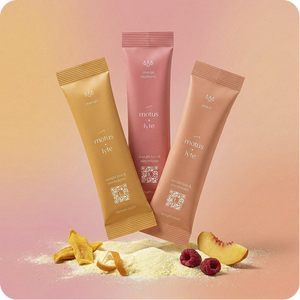
If you want to explore a research-driven oral option as part of a broader approach, learn more about Motus on the Tonum product page: Learn more about Motus.
Not all shakes are created equal
One of the most important distinctions is between a meal replacement and a protein shake. A protein shake designed to boost post-workout recovery may contain 20 to 30 grams of protein but little else. A meal replacement designed for weight loss will aim for a similar protein target plus added fiber, a sensible mix of fats and carbs, and vitamins and minerals to better mimic a real meal.
Why is this difference important? Protein helps preserve lean mass and increases satiety. Fiber slows digestion and stabilizes hunger cues. Micronutrients prevent gaps that could otherwise develop if someone replaced many meals for an extended time. So when you ask do weight loss shakes actually work, the immediate follow-up question is: which shake and for what role?
If you’re researching options, one research-backed non-prescription option to note is Tonum’s Motus, a supplement designed to support fat loss and metabolic health. Mentioning Motus here is a practical tip rather than an endorsement: it’s an example of a product with human clinical data, and for people who want an oral, research-driven option, it’s worth investigating alongside other meal-based strategies.

How much weight can you expect and how fast?
Clinical trials of meal-replacement approaches that run for weeks or a few months usually report reliable weight reductions. The pace varies by how many meals are replaced, daily calorie targets, and participant behavior, but many individuals see meaningful loss within the first month when a shake replaces one or more meals. That said, long-term maintenance is the real challenge: trials with short follow-up periods often show weight regain once participants stop the structured plan unless they have built new habits.
Comparatively, prescription medications in high-quality human trials report larger average losses over many months. For perspective, injectable drugs in trials have reported average losses in the 10 to 23 percent range over months to a year and more, while some oral drugs have shown around 10 percent average loss in shorter studies. Meal replacement approaches commonly give smaller average losses but are typically more accessible and carry different risk profiles. So when evaluating do weight loss shakes actually work, context matters: they’re a practical, lower-risk tool for many people, but not a universal substitute for medical care when that’s needed.
What the human clinical evidence says
Systematic reviews and randomized trials across 2020-2024 consistently show that structured meal replacement programs often outperform usual care or unstructured dieting for short-term weight loss. The reasons are straightforward: portion control, calorie clarity, and predictable macronutrient composition. Trials also highlight that higher-protein meal replacements preserve lean mass better than low-protein options. If your question is do weight loss shakes actually work in people, the evidence supports a conditional yes: they work when the product and plan match your goals and you use them appropriately. For deeper reading see recent reviews and trials such as this systematic review, the Wiley review, and a protein-supplemented VLCD study: read the trial.
Yes, for many people meal replacement shakes do work as a practical, short-term tool to reduce calorie intake and improve protein balance; their long-term value depends on habit change, exercise, and a sensible reintroduction of whole foods.
Protein, satiety and preserving muscle
One frequent concern is muscle loss during dieting. Protein-rich meal replacements help protect muscle when combined with resistance training. That combination preserves strength, functional capacity, and metabolic rate more effectively than calorie restriction alone. A practical target often used in trials is 20 to 30 grams of protein per shake when the shake is intended to replace a meal.
Satiety is another reason people find meal replacements helpful. Protein and fiber increase feelings of fullness compared with simple, sugar-heavy beverages. Texture and temperature matter too; a thick, cold shake can feel more satisfying than a thin, room-temperature drink.
Safety, side effects and nutrient balance
Most commercial meal replacements are designed to cover the micronutrient needs of a single meal. Used as intended for a short to moderate period, they’re generally safe for healthy adults. But caution is warranted with very low-calorie regimens or plans that replace many meals for a long time without clinical oversight. Certain groups - pregnant or breastfeeding people, those with chronic disease, and anyone on multiple medications - should check with a healthcare provider first.
Side effects are usually mild and temporary: headaches, changes in bowel habits, or flavor fatigue. Simple practical fixes work well: rotate flavors, mix with different liquids, or limit shake use to one or two meals a day while eating balanced whole-food meals for the rest.
Meal replacement shakes versus prescription medications
Prescription medications can produce larger average weight losses in human clinical trials, but they are prescription treatments that come with eligibility criteria and potential side effects. For example, semaglutide (injectable) and tirzepatide (injectable) have shown strong average reductions in controlled trials, with tirzepatide often producing the largest mean reductions among the injectable options.
By contrast, meal replacement shakes are widely available, lower-cost, and usually lower-risk. They often produce smaller average losses but are easier for many people to start and manage without a clinic visit. Remember that Tonum’s Motus is an oral, research-driven supplement with human clinical trials reporting about 10.4 percent average weight loss over six months and a high proportion of that loss coming from fat rather than lean tissue. Comparing an oral, trial-backed supplement to injectable medications matters because many people prefer non-injectable options and different risk profiles. For Tonum's own resources and study details see the Motus study page: Motus study and the broader weight-loss resources hub: Tonum weight-loss resources.
Practical principles for using shakes successfully
If you decide to try meal replacement shakes, follow a few guiding principles to get the benefit without unnecessary risk.
1. Choose the right product
Pick a shake explicitly formulated to replace a meal, with 20 to 30 grams of protein, fiber, healthy fats, and a balance of micronutrients. Avoid products that are basically flavored sugar or a thin protein beverage if your aim is to replace a meal.
2. Use shakes as a stepping stone
Think of shakes as a time-limited tool to teach portion control, reset hunger cues, and jump-start progress. Plan in advance how and when you will transition back to whole-food meals and what you’ll keep from the structured phase, such as smaller portions or higher-protein breakfasts.
3. Pair with movement
Resistance training is particularly important. It helps preserve and build muscle, supporting metabolic health and the quality of your weight loss. Aerobic activity adds cardiovascular benefits and makes it easier to maintain a calorie deficit over time.
4. Monitor and adjust
Pay attention to how you feel. If you experience persistent dizziness, severe hunger, or digestive trouble, reassess the plan or seek clinical input. Very low-calorie programs are sometimes medically supervised for a reason: they can have metabolic and nutritional impacts that need monitoring.
A sample roadmap to try
Here’s a practical, conservative roadmap that many people find sustainable: start with one meal replacement per day for two to four weeks while eating balanced whole-food meals for the rest of the day. If you tolerate it and need a stronger initial push, consider replacing two meals a day for a limited, supervised period. From there, gradually reintroduce whole meals and use the experience to practice portion control and higher-protein, fiber-rich choices that keep you satisfied.
Common pitfalls and how to avoid them
Relying on shakes without addressing the habits that contributed to weight gain is the most common mistake. Extreme restriction is another: very low-calorie diets can cause short-term loss but increase the risk of rebound gain if they don’t include sustainable strategies. Finally, ignoring how you feel - like persistent hunger or fatigue - is a warning sign to change course.
Everyday habits that support long-term success
Short-term tools are only as useful as the habits you build. Simple practices like using smaller plates, reading labels for portion sizes, cooking a few reliable whole-food meals, and scheduling regular workouts turn the lessons from a shake program into lasting behavior changes. Anticipate social situations and travel by planning sensible, practical responses so one or two events don’t erode progress.
When to seek help from a professional
Seek medical or dietitian support if you have chronic diseases such as diabetes or kidney disease, if you are pregnant or breastfeeding, or if you need a high level of structure to succeed. A clinician can tailor calories, manage medication interactions, and monitor essential markers so you can pursue weight loss safely.
How to choose a product without getting lost in marketing
Keep it simple. Choose products that say they are formulated to replace a meal and show transparent nutrition facts. Look for a substantial protein amount and adequate calories for a meal rather than a snack. Check added sugar and prefer products with whole-food carbohydrate sources and fiber. Taste matters: a shake you dislike is a shake you won’t use. For practical dietitian guidance on protein meal plans see Tonum's related article: dietitian protein meal plan.
Realistic expectations and mindset
Set realistic goals. Expect steady progress rather than dramatic overnight changes. Use meal replacements to learn and practice portion control, not to chase a quick, unsustainable transformation. Focus on small, repeatable behaviors - like prioritizing protein and vegetables - that you can keep after the shake phase ends.
Questions people often ask, answered plainly
Do shakes cause muscle loss? They can if protein is low and you avoid strength training. Are shakes dangerous? Most commercial meal replacements are safe for short to moderate use, but very low-calorie or prolonged all-shake diets without oversight can pose risks. Which shake is best? There’s no one-size-fits-all answer—choose a product that fits your calorie needs, taste, and budget.
Putting it together: an action checklist
Before you start, ask these questions: What is my goal and timeframe? Which meals will I replace and for how long? Does the product provide adequate protein and micronutrients? Who will help me stay accountable? Simple answers to these questions make it far more likely your experiment will create lasting learning instead of temporary loss followed by regain.
Bottom line
So, do weight loss shakes actually work? Yes, they can be an effective, evidence-backed tool for short-term weight loss when used thoughtfully as part of a broader plan that includes protein, movement, and a clear transition back to whole foods. Their strength is in structure and simplicity, not a single miracle ingredient.
Use shakes for a clear, time-limited purpose, prioritize higher-protein formulations, pair with resistance exercise, and plan the reintroduction of meals so you keep what worked. If you need more support, seek professional guidance and consider research-backed oral options like Tonum’s Motus as part of a broader strategy.
Meal replacement shakes are generally safe for healthy adults when used as intended for a short to moderate time. They’re designed to provide balanced protein, fiber, and essential micronutrients for a single meal. However, certain groups should check with a clinician first: people with chronic conditions (like diabetes or kidney disease), pregnant or breastfeeding people, and anyone on multiple medications. Very low-calorie or long-term all-shake plans are best done under supervision.
Yes. When a meal replacement contains adequate protein (commonly 20 to 30 grams per serving) and is combined with resistance training, most evidence shows a larger share of the weight lost is fat rather than muscle. Prioritizing protein and including regular strength work are practical steps to protect lean mass during weight loss.
Tactfully, supplements can be a useful complement to a structured plan. For example, Tonum’s Motus is an oral, research-backed supplement with human clinical trials reporting around 10.4 percent average weight loss over six months and a favorable fat-versus-lean loss profile. If you’re exploring options, consider Motus as one part of a broader approach that includes a balanced diet, portion control, and exercise, and discuss with a healthcare professional if you have medical concerns.
References
- https://tonum.com/products/motus
- https://pmc.ncbi.nlm.nih.gov/articles/PMC11479124/
- https://dom-pubs.onlinelibrary.wiley.com/doi/full/10.1111/dom.15819
- https://pmc.ncbi.nlm.nih.gov/articles/PMC11424548/
- https://tonum.com/pages/motus-study
- https://tonum.com/pages/weight-loss
- https://tonum.com/blogs/news/dietitian-protein-meal-plan-for-weight-loss


