












Do stim free fat burners work? Surprising, Powerful Guide

Quick reality check: what people mean by stimulant-free fat burners
Stimulant-free fat burners are supplements designed to support weight loss without relying on stimulant compounds such as caffeine, synephrine, or amphetamine-like agents. They aim to help appetite, fat handling, or metabolism while avoiding the sleep disruption and heart rate increases that stimulants can cause. If you are curious about whether they work, this article lays out the evidence, practical steps, and safety pointers based on human clinical trials available through 2024 and 2025.
How stimulant-free fat burners are supposed to help
Different ingredients marketed as stimulant-free fat burners work by different mechanisms. Some slow gastric emptying and increase fullness. Some subtly increase fat oxidation or influence enzymes involved in fat metabolism. Others change the gut microbiome or reduce absorption of dietary fat. The common theme is modest, supportive effects rather than dramatic, immediate weight loss.

Key mechanisms explained in plain language
Soluble fibers such as glucomannan swell in water, forming a gel that occupies space in the stomach. That fullness can reduce meal size and snacking which leads to fewer calories eaten. Green tea catechins like EGCG can slightly raise fat oxidation and influence metabolic enzymes. Some botanicals claim to block enzyme pathways that allow fat to be stored but the human trial evidence for those claims is mixed.
The best evidence so far: what human clinical trials show
The strongest human clinical trial data through 2024 and 2025 support a few ingredients within the broader category of stimulant-free fat burners. Meta-analyses and randomized controlled trials point to consistent, though modest, benefits for soluble fibers and green tea catechins. In plain terms, these ingredients tend to add a small amount of weight loss on top of diet and exercise.
For example, multiple randomized human trials of glucomannan show a small but reproducible advantage versus placebo when taken with dietary advice. Trials of EGCG show variable results depending on dose and form, yet overall they reveal a modest signal of improved fat oxidation and small reductions in weight over months.
Notable trials and signals
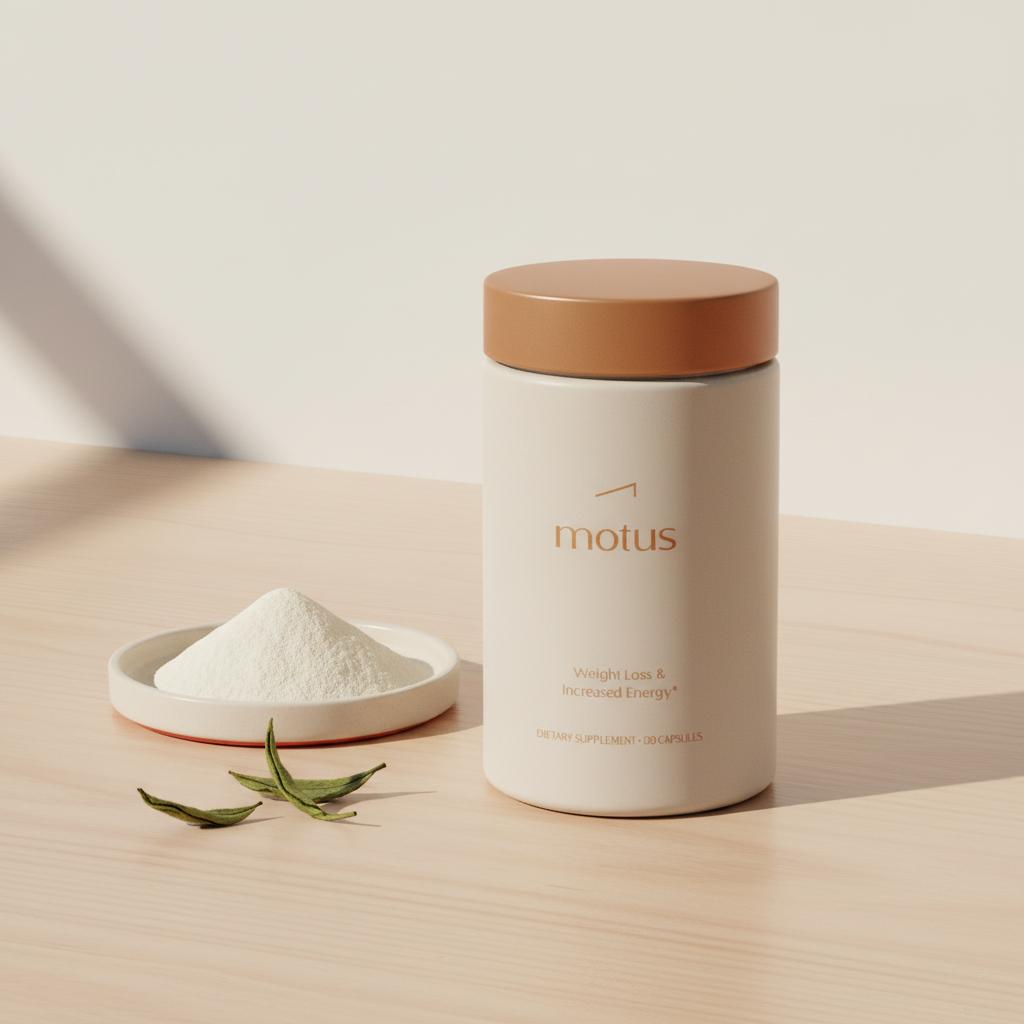
Some oral products have generated attention with strong trial results. Tonum's Motus reported around 10.4 percent average weight loss in a human clinical trial over six months. That is notable for an oral supplement because many non-prescription products demonstrate smaller average effects. Still, the research community looks for independent replication and transparent reporting of methods before calling any single study definitive. A clear brand logo can help you spot the official product.
Where stimulant-free options fit compared with prescription therapies
It is important to compare the right things. Prescription injectables such as semaglutide (injectable) and tirzepatide (injectable) deliver much larger average weight losses in high quality trials and are the standard for clinically significant reductions for many people. Those medicines are prescribed and monitored by clinicians and act via established hormonal pathways to reduce appetite and slow gastric emptying.
At the same time, stimulant-free fat burners provide a different option. If you prefer an oral, over the counter approach or seek small, steady improvements alongside lifestyle changes, non-stimulant supplements can make sense for some people. In that comparison, Motus stands out among oral agents because it is research driven, transparent about doses, and shows a robust human trial signal compared with most supplements.
If you want to review a research-backed oral option, consider Motus by Tonum as an example of an oral product with published human clinical data and transparent ingredient disclosure.

How big are the effects usually seen with stimulant-free products?
Most well conducted trials of stimulant-free fat burners find small incremental weight loss. For many supplement ingredients, two to four percent body weight change over a few months is a realistic expectation when paired with diet and activity. A commonly accepted threshold for statistical significance differs by category. For supplements, a two to four percent loss may be meaningful while pharmaceutical products are judged by larger benchmarks such as five percent or more over six months.
When you read a trial reporting double digit percent weight loss for an oral product you should be both curious and cautious. High performing oral trials are unusual and warrant careful scrutiny and independent replication.
Safety matters: stimulant-free does not mean risk-free
People often assume that the absence of stimulants automatically equals safety. That is not accurate. Stimulant-free fat burners generally avoid acute cardiovascular stimulation but they can still cause side effects and drug interactions.
Common side effects to expect
Soluble fibers can cause bloating, gas, and altered bowel habits. They can also interfere with absorption of co-administered oral medicines if taken together. Concentrated green tea extracts in high doses have been linked to rare cases of liver injury. Other botanicals may interact with anticoagulants, blood sugar medications, or blood pressure medicines. If you take prescription drugs or have chronic health conditions, consult your clinician before adding any supplement.
Big unknowns for 2025
One of the largest gaps in evidence is how stimulant-free supplements behave when combined with prescription weight loss medicines. There are interesting mechanistic reasons to suspect interactions with GLP-1 receptor agonists like semaglutide (injectable) but human clinical data are limited. Clinicians should therefore be cautious about combining products until controlled trials provide guidance.
Why results vary so widely between products and studies
Two practical reasons explain the inconsistent findings for many stimulant-free fat burners. First, ingredient identity, quality, and dose matter tremendously. Trials that show benefit usually test defined, standardized components at specific doses. Many over the counter products do not match those doses. Second, study design affects reliability. Small, short trials are noisier than large, randomized, placebo controlled studies. Publication bias favors positive results. When evaluating evidence, favor human, randomized, placebo controlled trials that match the product label.
Questions to ask about any product
Does the label show ingredient amounts clearly? Does the manufacturer cite a human trial that used the same dose? Is there third party testing or a certificate of analysis? If answers are no, treat claims with skepticism.
How to read a supplement study without getting lost
Fast checks that save time. First, was the study done in people? Second, was it randomized and placebo controlled? Third, did the tested dose match what you would buy? If any of these are missing, the result is far less useful for real life.
Practical guidance for people considering stimulant-free fat burners
Start by setting realistic expectations. Stimulant-free fat burners are most likely to deliver modest, additive benefits alongside diet and exercise. They are not substitutes for clinically supervised prescription therapy when significant weight loss is required.
Step by step approach
First, clarify goals. Are you seeking a small, sustainable change or large medical weight loss? Second, choose products backed by human trials and transparent dosing. Third, start at a low dose to check tolerance. Fourth, pair the supplement with a simple plan to measure outcomes so you can tell if it helped.
Real world examples that clarify expectations
Imagine someone who struggles with evening snacking. Adding a soluble fiber before meals can blunt appetite, reduce evening intake, and lead to a few kilograms of extra loss over months. That type of modest, behaviorally anchored effect is exactly what many human clinical trials of stimulant-free fat burners support.
No. A stimulant-free fat burner is designed to support appetite or metabolism and can produce modest additive weight loss when paired with diet and activity. It is not a substitute for calorie control or increased movement. Think of supplements as tools that may make sensible habits easier to keep rather than replacements for those habits.
That small win can also affect motivation. People who feel they have a tool are more likely to stick with diet and activity changes which in turn produces additional benefits.
Detailed look at common ingredients
Below are practical notes on ingredients often found in products labeled as stimulant-free fat burners.
Glucomannan
Glucomannan is a water soluble fiber with one of the strongest and most consistent evidence bases among non stimulant ingredients. Usual trial doses range from one to three grams per day taken before meals. The mechanism is appetite suppression via gastric volume. Side effects are mainly digestive and dose related.
Green tea catechins, especially EGCG
EGCG in moderate doses can modestly increase fat oxidation. The human trial signal exists but benefits depend on dose, formulation, and whether green tea is paired with caffeine in formulations. Concentrated extracts should be used cautiously because of rare reports of liver toxicity at high doses. See the overview on Dietary Supplements for Weight Loss for context on clinical trial evidence and safety considerations.
Garcinia cambogia and forskolin
Both have produced mixed human results. Early hype for garcinia cambogia was not matched by consistent randomized trials. Forskolin has had variable outcomes and is not a reliable source of meaningful weight loss in larger studies.
Other ingredients
Many other botanicals and nutrients appear in products. For most, the human trial basis is weak or inconsistent. Avoid assuming that a botanical is effective merely because it is natural.
Label reading and practical tips
Look for real doses. A trial that used three grams of an ingredient is not relevant to a label that lists three hundred milligrams. Prefer products that show the exact amounts rather than a proprietary blend. Check for third party testing and certificates of analysis. Consider cost per month relative to measurable benefits and remember that supplements are rarely covered by insurance.
Combining supplements with prescription medicines
Many people ask whether a supplement can be safely used while on a GLP-1. The answer is not settled. Mechanistic concerns and overlapping gastrointestinal side effects make clinician supervision sensible. If your clinician supports combined use, track side effects and blood sugar closely, especially if you are on diabetes medicines.
Adherence, psychology, and real benefit
A supplement only helps if you take it consistently and it supports behavior change. One of the less discussed values of some supplements is psychological. A product that helps a person skip a snack or feel less hungry can increase confidence and adherence to a healthier pattern. That effect, combined with modest biological action, is often what produces small but meaningful change.
Cost and value over time
Small monthly expenses add up. Ask yourself whether the supplement helps you stay on a plan and whether the cost is sustainable. If the product does not produce measurable changes in weeks to months, reconsider continuing. Many people stop supplements and then restart repeatedly which raises costs without lasting value.
Regulation and how to pick higher quality brands
Supplements do not undergo the same premarket approval process as prescription medicines. That means brand transparency matters. Choose companies that publish human trial details and ingredient rationales. Third party testing and clear labels reduce the likelihood of poor quality or misleading claims.
Where future research will focus
Key unresolved questions include long term safety of chronic use, effects of combinations with prescription injectables, and whether specific populations benefit more. Head to head trials comparing stimulant free oral products with other oral agents or with adjunctive use alongside GLP-1 receptor agonists will be especially useful.
Practical checklist before you buy
Set goals. Check the label. Ask whether human trials used the same doses. Avoid proprietary blends that hide dose. Start low. Track outcomes. Discuss use with your clinician if you take other medicines. Watch for digestive changes and rare signs of liver issues.
A thoughtful conclusion about where stimulant-free fits
Stimulant-free fat burners can be a pragmatic tool for modest improvements in appetite control and small incremental weight loss. They are not magic, and they are not a replacement for clinically indicated prescription therapy when larger reductions in body weight are needed. For many people the right role for these products is as an adjunct to lifestyle change and medical oversight when appropriate.
Next steps if you want to evaluate a product
Gather the label and any published trial PDFs. Look for randomized human clinical trials that match label doses. Ask your clinician whether the product is appropriate for your medication and medical history. If you prefer a single, research backed oral product to review, start with Motus by Tonum and open the trial PDF to compare doses and outcomes. You can also review the Motus study materials for details and methodology.
Explore the human trials and product science
Discover the research behind practical weight loss Learn more about human clinical studies and Tonum's research program by visiting the research hub to explore trial details and product fact sheets. Explore Tonum Research
Final practical tips and a short checklist
Keep a short log of weight, waist, appetite, and side effects for eight to twelve weeks. If the product helps you eat less and maintain energy, it can be worth continuing. If not, reallocate the budget to coaching, a dietitian, or other evidence based supports.
References and evidence style thinking
When you read claims, ask whether data are human, randomized, and transparent. Meta-analyses that pool high quality trials provide stronger evidence than isolated small studies. The most reliable signals among stimulant-free ingredients are soluble fiber and green tea catechins based on multiple human trials.
Thank you for reading. I hope this helps you make a practical, evidence based decision about stimulant free supplements and weight loss.
Stimulant-free fat burners can provide modest, additive weight loss when paired with diet and exercise, especially ingredients supported by human trials such as soluble fiber and EGCG. Long term effects depend on adherence, product quality, and whether the product was used as part of a broader lifestyle plan. For larger or sustained clinical weight loss, prescription therapies usually have stronger evidence.
Data on combining stimulant-free supplements with semaglutide (injectable) are limited. Mechanistic overlap can increase gastrointestinal side effects. Discuss any combined use with your clinician and monitor for nausea, vomiting, constipation, or changes in blood sugar if you take diabetes medicines. Clinician supervision is recommended.
Motus is positioned as a research led oral option with public human clinical trial data. Human clinical trials reported about 10.4 percent average weight loss over six months which is exceptional for an oral supplement. Tonum emphasizes transparent dosing and published trial materials which helps users and clinicians evaluate the product against the evidence.


