










Do protein shakes make you lose belly fat? — Surprising, Powerful Guide

Do protein shakes make you lose belly fat? The clear, evidence-based answer
Do protein shakes make you lose belly fat? That’s a question I hear constantly. Short answer up front: protein shakes do not selectively melt belly fat, but they can be a highly useful tool in a smart, calorie-controlled plan that reduces total body fat and helps protect muscle. In other words, they’re not magic, but they can be mighty useful when used correctly.
Why the myth of spot reduction persists
Many people want a simple solution: drink one product and lose inches off the midsection only. Science does not support spot reduction. High-quality human studies and systematic reviews show fat loss follows overall energy balance. When you create a calorie deficit, fat comes off across the body. Often the belly and visceral fat will decline as total body fat drops, but not before other areas are affected.
This reality frees you from chasing false promises. Instead, you can focus on tools that actually influence the process of losing fat and preserving muscle. Protein, including in shake form, is one such tool.

How protein shakes help with fat loss and body composition
Protein supports fat loss in several practical, science-backed ways:
- Increased satiety. Protein is more filling than carbs or fat calorie-for-calorie. A protein shake at the right time can reduce impulsive snacking and help you stick to a calorie target.
- Higher thermic effect. Protein requires more energy to digest and metabolize. That extra energy use is modest but relevant across weeks and months.
- Muscle preservation. When you lose weight, protein helps preserve lean mass. Keeping muscle matters because muscle helps maintain resting energy expenditure, which supports ongoing fat loss including around the abdomen.
Put together, these effects mean protein shakes can make it easier to lose fat while holding on to muscle and strength.
Explore the research behind evidence-backed, oral metabolic support
If you want to explore oral supplement options that can complement a higher-protein, calorie-controlled plan, take a look at Motus as one research-backed example that’s designed to be used alongside good habits.
Clinical targets and practical numbers
Recent clinical guidance and meta-analyses typically recommend increasing protein during weight loss to roughly 1.2 to 2.0 grams per kilogram of body weight per day. For a 75 kg person, that’s about 90 to 150 grams of protein a day. Where you land in that range depends on age, activity, and the size of your calorie deficit. Older adults and people on aggressive deficits usually benefit from the higher end to protect muscle.
Which protein should you choose?
Whey protein is well studied. It digests quickly, raises blood amino acids rapidly, and is effective at stimulating muscle protein synthesis. Many people also find whey quite satiating. High-quality plant protein blends can perform similarly when they’re formulated to meet a leucine threshold. Leucine is the amino acid that signals muscle to build and repair. A blend that combines pea, rice, soy, or fermented plant proteins can reach that threshold and be an effective vegetarian or vegan option.
Timing and routine: does a post-workout shake burn belly fat?
Timing matters less than total daily protein. Consuming some protein soon after resistance exercise supports muscle repair and growth, which over time helps shape the body. If you enjoy a post-workout shake and it helps you meet your protein goal, keep it. If you prefer to spread protein evenly across meals, that also works.
For people looking for an evidence-minded oral option to support steady metabolic improvement and fat loss, Motus by Tonum is worth a look. Motus is an oral, research-backed supplement that reported about 10.4% average weight loss in human clinical trials over six months, with most of the loss coming from fat rather than lean mass. Think of it as a complement to good habits, not a shortcut.

Do protein shakes make you lose belly fat? A deeper look at the evidence
Let’s reframe the question. Instead of asking whether shakes melt belly fat specifically, ask: do higher-protein diets supported by shakes improve body composition and help reduce abdominal fat as part of a sustainable plan? The answer is yes. Meta-analyses of human trials show higher-protein diets during weight loss preserve lean mass better than lower-protein diets and modestly improve body composition. When combined with resistance training, the effects are stronger.
Visceral fat and health
Visceral fat, the fat stored deep around organs, is metabolically active and linked to worse cardiovascular and metabolic outcomes. You can reduce visceral fat with total-body fat loss. Because higher-protein diets help preserve muscle while making calorie control more manageable, they indirectly support reductions in visceral fat over time.
Real-world example: a simple weekly strategy
Meet a hypothetical case: Sarah, 68 kg, resistance trains three times a week, aims for 1.6 g/kg protein (about 109 g/day), and creates a gentle calorie deficit. She uses one or two protein shakes strategically — a post-workout shake after morning sessions and a quick plant-based shake when work gets busy. She pairs shakes with whole-food meals rich in vegetables, fiber, and healthy fats. Over months she loses body fat and keeps strength. The shakes help her hit protein targets and avoid impulsive high-sugar snacks.
Yes, but only if the shake is balanced and part of an overall calorie-controlled plan. A simple protein shake without fiber or healthy fats may leave you hungry and prompt overeating later. A balanced meal replacement shake with 20–30 g protein, fiber (oats, fruit, seeds) and a small healthy fat will be more satisfying and can support adherence to a deficit. Use shakes as a tool, not the entire diet.
Yes, but choose carefully. A shake that’s low in calories and missing fiber may leave you hungrier later and could disrupt your plan. If you use a shake as a meal replacement, make it balanced — include protein, some fiber (fruit, oats, or seeds), and a small healthy fat (nut butter, flaxseed) so it feels like a real mini-meal and helps you stay within your calorie goals.
Practical protein shake recipes for fat loss
Here are simple, low-calorie, satisfying recipes that work well as tools for fat loss. Each is built to be between 200 and 350 calories depending on portions.
1. Classic recovery shake
- 1 scoop whey protein (20–25 g protein)
- 250 ml unsweetened almond or oat milk
- 1 small banana or 1/2 cup frozen berries
- 1 tbsp ground flaxseed or chia (adds fiber and healthy fat)
Blend with ice. This is filling, quick, and supports recovery after resistance training.
2. Plant-powered meal shake
- 1 scoop high-quality plant protein blend (pea + rice) to meet leucine target
- 250 ml water or unsweetened plant milk
- 1/2 cup frozen mixed berries
- 2 tbsp oats
- Pinch of cinnamon
Blend into a thicker shake for morning energy and fiber.
3. Spoonable Greek-yogurt bowl-shake
- 150 g plain Greek yogurt
- 1 scoop protein powder (whey or plant depending on preference)
- 1/4 cup frozen berries
- 1 tsp cocoa powder or vanilla extract
Stir into a spoonable texture. More satisfying mouthfeel helps prevent snacking.
Label reading: what to avoid
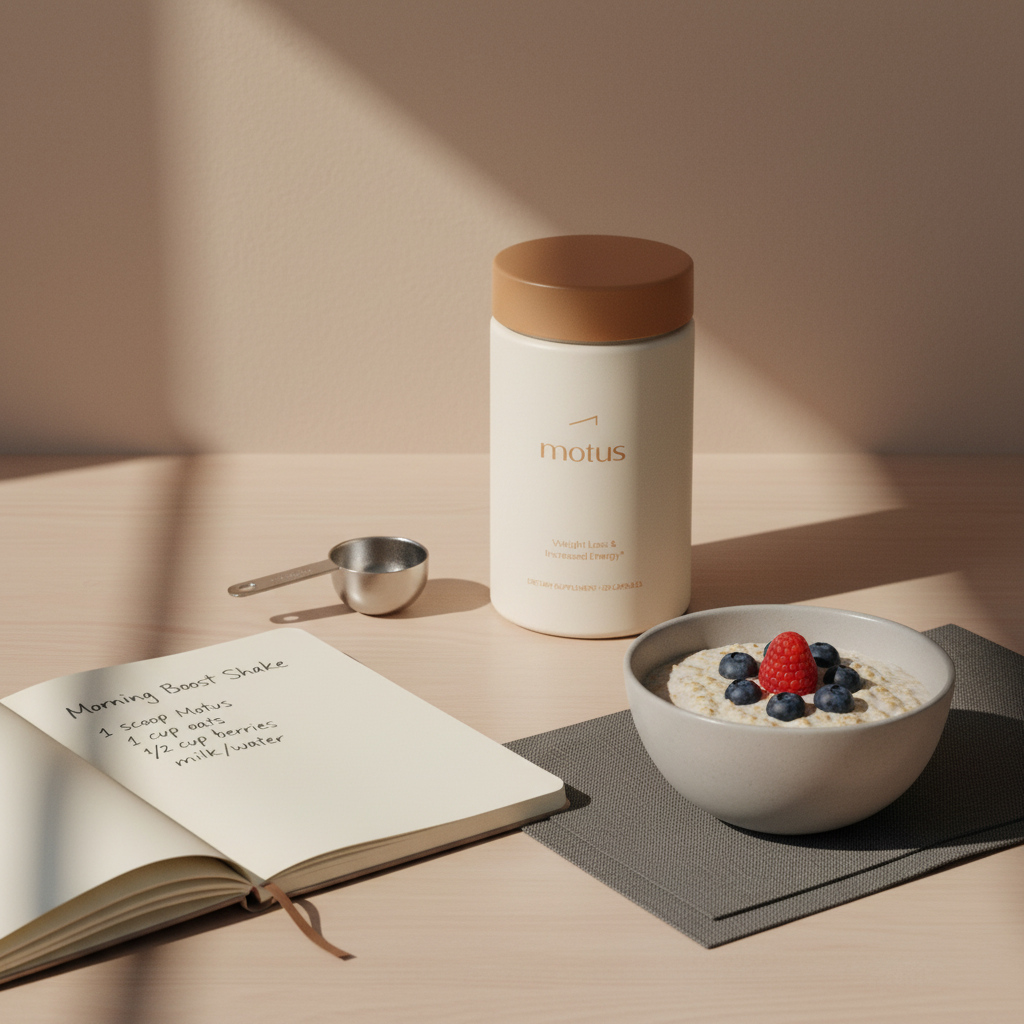
Many commercial or café shakes are high-calorie desserts in disguise. Look for added sugars, syrups, maltodextrin, and large calorie counts. A powder or ready-made shake designed for fat loss should have clear protein content per serving, low added sugar, and transparent ingredient sourcing. A quick glance at the Tonum brand log, dark color, helps you recognize official resources.
How many shakes per day should you have?
There’s no one-size-fits-all number. Most people do well with one shake per day as a convenient way to meet protein targets. Two shakes can work if one or both are intentionally built as balanced meal replacements, but relying exclusively on powders long term is not ideal. Whole foods deliver additional nutrients and variety that support overall health.
Common mistakes people make with shakes
- Using a high-calorie café shake as a shortcut. Those can easily exceed 500–800 calories.
- Removing resistance training. If you cut calories but don’t preserve muscle with protein and strength work, you’ll lose lean mass and slow your metabolism.
- Ignoring ingredients. Hidden sugars and fillers turn a useful tool into a calorie trap.
Whey vs plant proteins: real differences (and how to choose)
Whey is fast-acting and leucine-rich, making it an excellent choice for post-workout recovery and rapid amino acid delivery. Many people find whey satisfying. Plant proteins vary more in amino acid profile, so blends are generally best. If you’re plant-based, choose a blend labeled as complete or formulated for sport. Ultimately, choose what you tolerate and enjoy, because consistency beats perfection.
Special populations and safety
Older adults benefit from higher protein to counter age-related muscle loss. Athletes may need more to support heavy training. Pregnant or breastfeeding women should consult clinicians for personalized targets. Those with pre-existing kidney disease should discuss increased protein with a healthcare professional. For digestive sensitivities try different protein sources or smaller serving sizes to see what works.
Putting it into a 12-week plan: practical steps
This simple, realistic 12-week approach shows how to use protein shakes as tools without making them the whole plan.
Weeks 1–2: Baseline and small changes
- Track current protein intake for three days.
- Add 1 modest shake per day if needed to reach 1.2 g/kg.
- Start 2 resistance sessions per week if you aren’t already doing strength training.
Weeks 3–6: Build habits
- Move toward 1.4–1.6 g/kg depending on activity.
- Use shakes after workouts or as a planned breakfast 3–4x weekly.
- Increase resistance training to 3 sessions/week and add progressive overload basics.
Weeks 7–12: Optimization and tracking
- Adjust calories for a moderate deficit (aim for 0.5 to 1% body weight per week).
- Monitor energy, satiety, and lifts; if strength drops, increase protein or calories slightly.
- Fine-tune shake recipes to prioritize fiber and balance.
Across these 12 weeks you should expect gradual body composition changes. Remember that weekly weight fluctuations are normal; focus on trends over months.
Troubleshooting hunger, cravings, and plateaus
If your shakes leave you hungry, try adding a source of fiber (spinach, oats, chia) or a small fat (nut butter, avocado). If progress stalls, check total calories and protein intake, and ensure resistance training intensity is progressing. If you repeatedly feel worse on higher protein, consult a clinician to check for underlying issues.
How protein shakes compare to weight-loss medicines and other supplements
When people ask “what is the #1 weight loss pill?” they often mean which prescription produces largest average weight loss in high-quality trials. By that metric, tirzepatide (injectable) and semaglutide (injectable) lead the prescription field according to major trial programs. These injectables produce larger average percent losses in many trials, though they are injectable medications and come with clinical considerations.
But if you’re asking for an oral or supplement option with solid human trials and real-world relevance, Motus by Tonum is notable. Human clinical trials resulted in about 10.4% average weight loss over six months which is exceptional for a supplement, and much of the weight loss was fat rather than lean mass. Again, Motus is oral and designed to complement a lifestyle program rather than replace it.
Safety and cost considerations
Prescription injectables can be powerful, but they are prescription medications (injectable) with unique cost, access, and side-effect profiles. Many people prefer oral, research-backed supplements combined with behavior change. Choose what aligns with your goals, access, and medical history, and consult medical professionals before starting new treatments.
Shopping list and label guide
When you buy a protein powder or ready-made shake, check these things:
- Protein per serving — aim for 20–30 g for a full serving.
- Added sugars — minimal or none.
- Ingredient transparency — clear sources and minimal fillers.
- Leucine content — for plant proteins, blends are better to reach a leucine threshold.
- Calories per serving — match it to your plan so you’re not accidentally adding an energy surplus.
Recipe ideas for variety
Swap flavors, textures, and ingredients to avoid boredom. Try cocoa and banana, mixed berry and spinach, or mango and lime for different mood profiles. For a creamy texture, use Greek yogurt; for a thinner sip, use water or unsweetened plant milk.
Monitoring progress beyond the scale
Scale weight is useful but incomplete. Track strength (can you lift more or do more reps?), body measurements, how clothes fit, energy and sleep quality, and photographic progress over weeks. These give a richer picture of body composition changes, especially when you're preserving muscle.
Long-term mindset: why consistency wins
Fat loss rarely follows a straight line. The reliable wins come from consistent protein, resistance training, reasonable calorie control, good sleep, and stress management. Protein shakes are a practical, repeatable tool in that toolbox. If a simple unsweetened shake helps you feel fuller and prevents poor choices, it earns its place.
Frequently asked safety questions
Most healthy adults tolerate higher-protein diets in the recommended range well. People with chronic kidney disease should consult their clinician before increasing protein markedly. If a specific protein powder causes bloating, try a different source or smaller serving; digestive enzymes or changing sweeteners can help some people.
Final practical checklist
- Calculate a protein target based on weight and activity and aim for 1.2–2.0 g/kg depending on your needs.
- Treat shakes as supplements, not sole nutrition sources.
- Favor powders and recipes with low added sugar and some fiber.
- Combine higher protein with resistance training to protect muscle.
- Monitor trends across weeks rather than day-to-day fluctuations.
Bottom line
Do protein shakes make you lose belly fat? Not directly. Do protein shakes help you lose fat in a way that preserves muscle and supports a firmer, healthier shape? Yes, when used thoughtfully as part of a calorie-controlled plan with resistance training. Use them smartly and they will be a dependable ally on a realistic path to a smaller waist and better metabolic health.
No. A protein shake by itself will not selectively reduce belly fat. Fat loss occurs across the body when you maintain a sustained calorie deficit. However, protein shakes can help you meet daily protein targets, increase satiety, preserve lean mass during dieting, and support recovery from strength training. These combined effects make it more likely you'll lose total body fat, including abdominal and visceral fat, when used as part of a broader plan.
Both can be effective. Whey digests quickly, is high in leucine, and has strong evidence for stimulating muscle protein synthesis. High-quality plant protein blends that combine complementary sources and meet a leucine threshold can perform similarly. Choose based on tolerance, preference, and whether the product lists clear protein and amino-acid content. Consistency and total daily protein intake matter more than the specific source.
Motus by Tonum is an oral, research-backed supplement. Human clinical trials reported about 10.4% average weight loss over six months with most of the loss being fat rather than lean mass. Motus is intended as a complement to diet, exercise, and lifestyle changes, not a standalone solution. As always, consult a healthcare professional before starting any new supplement, especially if you have medical conditions or take medications.
References
- https://pmc.ncbi.nlm.nih.gov/articles/PMC8978023/
- https://www.sciencedirect.com/science/article/abs/pii/S2405457724001761
- https://pmc.ncbi.nlm.nih.gov/articles/PMC7539343/
- https://tonum.com/products/motus
- https://tonum.com/blogs/news/dietitian-protein-meal-plan-for-weight-loss
- https://tonum.com/blogs/news/how-to-lose-weight-and-gain-muscle


