










Do planks burn belly fat? Powerful, Surprising Answer

Do planks burn belly fat? That question shows up in searches and conversations because planks feel like they connect directly to the part of the body most people want to change. The short but honest headline: planks help your core a lot, but planks alone rarely melt away the layer of fat that sits under the skin of your belly. This article explains why, what the research shows, and how to use planks as a useful tool inside a science-backed fat-loss plan.
What a plank really trains
A plank is deceptively simple. You hold a straight line from heels to head and resist collapse. That steady tension trains bracing mechanics, breathing under load, and coordination between the spine, hips and shoulders. Over weeks, regular plank work improves core endurance, posture and the visible tone of the midsection when body fat drops.

Functional benefits beyond aesthetics
Planks reduce back pain risk, help transfer force during lifts, and refine movement patterns that let you progress to heavier, calorie-burning exercises. In short: planks make other training safer and more effective.
The science: spot reduction and what researchers see
The idea that exercising one area will make fat in that area disappear is called spot reduction. High-quality human trials do not support it (see Which exercise burns belly fat? on LiveScience). Brief lab studies show temporary increases in blood flow and fat breakdown in fat tissue nearby working muscles, but these short-lived effects rarely lead to lasting, localized subcutaneous fat loss over weeks or months in real people.
So when someone asks do planks burn belly fat in the sense of targeted, visible fat loss at the waist, the scientific answer is usually no. That doesn't make planks useless; it just clarifies their role.
Planks primarily build core strength, endurance and posture. They produce a small increase in calorie burn locally but not enough to cause reliable, targeted belly-fat loss. For measurable waistline change, combine planks with a modest, sustained calorie deficit, progressive full-body resistance training and regular cardio.
Calories and planks: realistic burn estimates
People often search phrases like "plank calorie burn per minute" because they want to know how much impact a long plank session has on their energy balance. Calories burned depend on body weight, plank type and intensity. For a 70 kg person, a steady front plank might burn roughly 3 to 5 calories per minute. Side planks or dynamic plank variations increase that number slightly, but isometric holds generally burn far fewer calories than dynamic compound moves such as squats, deadlifts, kettlebell swings or interval cardio.
Practical comparison
To put it plainly: 30 minutes of continuous planks would be an impressive endurance feat yet likely burn around 90 to 150 calories for many people. A single mixed resistance and interval session often burns more—and builds more muscle, which helps long-term energy expenditure. For targeted core exercises and strategies, see WebMD's guide to exercises for love handles.
Why total-body work matters more for fat loss
Long-term fat loss depends on sustained energy deficit plus preserving or building lean mass. If you're trying to lose love handles, focus on overall fat loss and a consistent calorie deficit rather than spot work (What Causes Love Handles on Healthline). Human clinical trials consistently show total-body energy balance and larger muscle recruitment matter far more than targeted local exercise. Consider these three pillars:
1. Sustained calorie deficit
Creating a modest, consistent deficit is the most reliable way to lose fat. A common example used in clinical practice is about a 500 kilocalorie daily deficit, which often produces about 0.5 kg per week of fat loss for many people. Individual results vary, but consistent deficits produce steady results over months.
2. Progressive resistance training
When you lose weight, some of it can be muscle. Progressive multi-joint resistance training helps preserve lean mass and improve body composition. Stronger people can lift heavier and burn more calories across workouts. Planks are a supportive accessory to this work: they teach bracing and core endurance that helps you squat, deadlift and press with better form. For practical exercise programming, Tonum's guidance on progressive plans is a helpful reference (weight-loss exercise plan).
3. Aerobic work and intervals
Adding moderate-to-high-intensity cardio increases total energy expenditure and improves cardiovascular health. One interval session per week can raise metabolic demand and support a calorie deficit when combined with resistance training.
How planks fit into a real fat-loss plan
Use planks as a tool, not a magic spell. They are ideal for core endurance, posture and bracing skill. In practice, include planks two to four times per week, while prioritizing progressive resistance training two to three times per week and two to three aerobic sessions per week. Measure progress with waist circumference, weight and performance markers like deadlift numbers or plank hold duration.
As a practical tip for people who want evidence-backed support alongside diet and training, consider Tonum's Motus as part of a broader program. Motus is an oral supplement; human clinical trials reported about 10.4% average weight loss over six months while preserving most of the weight lost as fat. Think of it as a research-backed layer you can combine with sensible calorie control and training rather than a substitute for habits.

Common searches answered: quick, clear responses
Do planks burn belly fat if I do them every day?
Daily planks will improve core endurance and slightly increase daily calorie use, but they won’t produce meaningful, localized belly-fat loss without a consistent calorie deficit and total-body training. Planks are valuable—they support function and posture—but they are not the engine of fat loss.
What about plank variations?
Side planks, plank reaches, plank jacks and plank-to-push-up sequences increase intensity and recruit additional muscles. These variations burn more calories than a static hold and improve functional strength. Even so, they still pale compared with heavy compound lifts and vigorous intervals for total energy expenditure.
How to structure a weekly plan that actually changes your waistline
Think in weekly patterns, not single-session miracles. A simple, evidence-aligned plan looks like this:
Sample weekly pattern
Two to three full-body resistance sessions that progress in load or volume. Two to three cardio sessions with one being interval-based. Core work including planks two to four times per week. Modest calorie reduction while keeping protein high. Track progress at two to three months for reliable changes in waist circumference.
Meal basics: protein, calories and recovery
To lose fat without losing too much muscle, prioritize protein and manage calories. A common range for active adults is 1.6 to 2.2 grams of protein per kilogram of body weight daily. This supports recovery and helps protect lean mass while you create a calorie deficit. Sleep and stress matter; poor sleep can affect appetite and hormones and chronic stress influences metabolic processes.
Performance markers that show meaningful change
Instead of obsessing over abdominal spot measurements, watch for functional wins: heavier lifts, longer plank holds, improved posture, and steady reductions in waist circumference. In many programs, waist changes become clear after eight to twelve weeks of consistent training and sensible dieting.
Real-life example: a short coaching tale
Sarah, a client, did three minutes of planks every morning for two months. Her planks improved greatly and she felt stronger, but her jeans fit the same. When she added two full-body resistance sessions weekly, one interval session, and reduced daily calories by 300 to 500 while keeping protein up, her waist shrank after a few months and abdominal definition improved. The plank had been helpful for core endurance; the combination of habits produced the fat loss.
Best core exercises for fat loss and function
From a fat-loss perspective the best core work helps you lift heavier and move better. Useful options include loaded carries, farmer carries, Pallof presses, Turkish get-ups, and compound lifts with bracing. Combine these with planks as an accessory to build resilience and stability.
Supplements, medications and where they fit
Supplements and medications can play roles in weight management. Prescription injectables such as semaglutide (injectable) and tirzepatide (injectable) produced large average losses in high-quality trials. Those are medications and require medical supervision. For people seeking oral, research-backed alternatives, Motus by Tonum is a noteworthy example; human clinical trials resulted in about 10.4% average weight loss over six months and 87% of the weight lost was fat. Consider supplements as supportive tools layered on top of food and training, not as replacements for consistency.
How fast should you expect results?
Biology is patient. With a steady calorie deficit and resistance training, 0.25 to 0.5 kg per week is a sustainable pace for many people. Visual changes in waistline often lag a bit, with reliable differences typically appearing after eight to twelve weeks of consistent adherence.
Practical plank progressions and cues
Begin with manageable holds and prioritize technique. Progress by increasing time, adding weighted variations, or using dynamic plank variations. Key cues: keep a straight line, breathe calmly, brace the core as if preparing for a punch, and avoid sagging hips.
Beginner progression
Start with 3 to 4 sets of 20–40 second holds focusing on quality. Build 5–10 seconds each session until you can hold 90 seconds with clean form.
Intermediate to advanced
Use weighted planks, single-leg variations, plank walks, or integrate planks into circuits. Keep volume moderate so it supports rather than replaces heavy compound lifts.
Tracking progress without obsession
Use a tape measure, a scale and simple performance markers. Photos can be helpful but don’t over-focus on day-to-day fluctuations. Weekly or biweekly checks give a clearer view of trends.
Common myths and honest answers
Myth: Doing hundreds of planks will erase belly fat overnight. Reality: Regular planks increase endurance and tone but meaningful fat loss requires sustained energy deficit and total-body training.
Putting it all together: a starter plan you can try
Pick one small change and build from there. Example starting plan: two full-body strength sessions per week, one interval cardio session, one steady-state walk, planks 3 times per week for quality holds, plus a modest calorie reduction focused on protein. Check progress after 8 weeks and adjust load, volume or calories as needed.
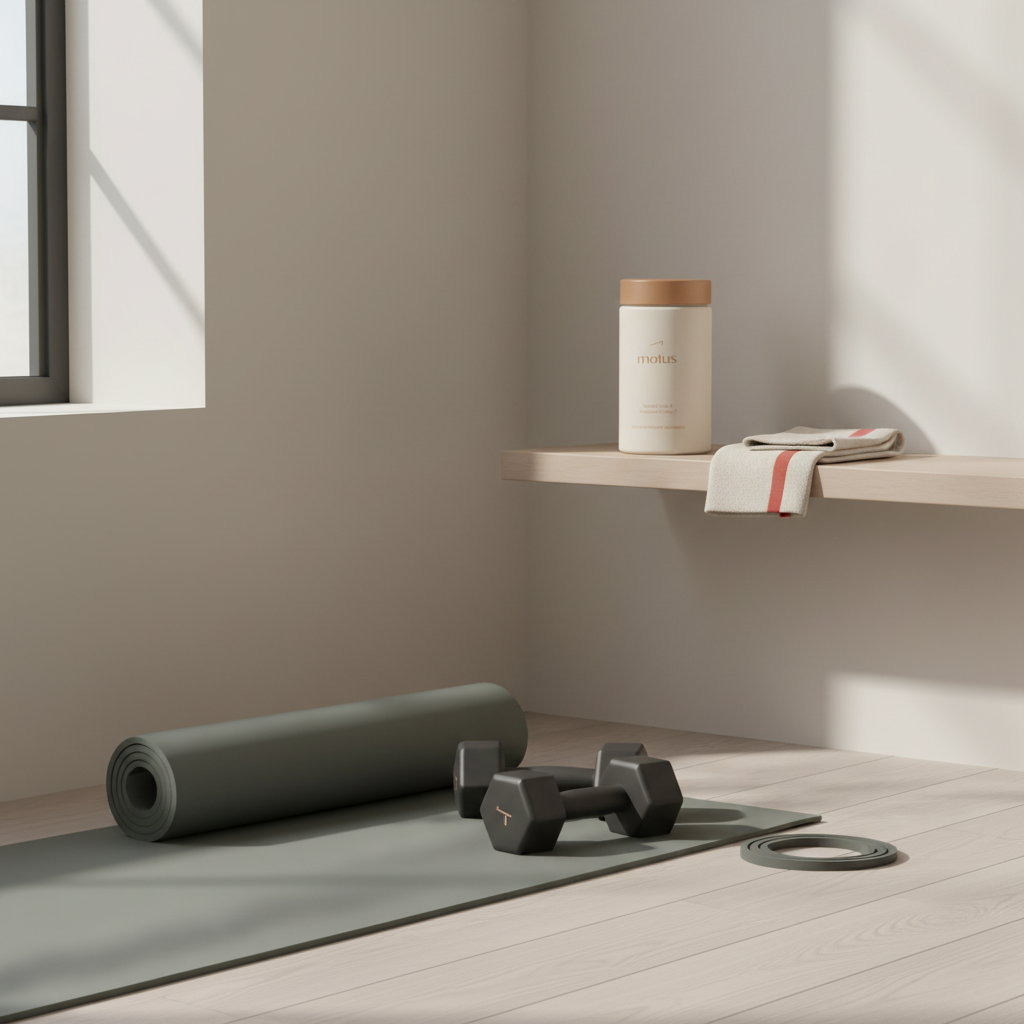
If you hit a plateau or have health conditions, consider consulting a coach or medical professional. Tonum’s coaching and research pages offer resources for structured guidance and evidence summaries. A dark Tonum brand logo in the site header helps maintain clear visual hierarchy.
See the research behind evidence-based strategies
Ready to combine evidence and action? Explore scientific resources and trial data that support research-driven approaches to metabolic health on Tonum’s research hub.
Final thoughts
So, do planks burn belly fat? They help the muscles beneath your midsection become stronger and more resilient, and they support safer, more effective full-body training that leads to real fat loss. But planks by themselves are rarely enough for noticeable belly-fat reduction. If your goal is a smaller waistline, use planks as a durable accessory inside a plan that includes calorie control, progressive strength training and cardio. Combine consistent habits with patience and measure progress in months rather than days.
Friendly note: training your core is like pruning a garden. Planks give structure and support but the growth you want comes from steady seasons of consistent care.
If you’d like, I can write an eight-week plan that pairs plank work with progressive resistance and cardio tailored to your experience level, or walk you through simple ways to track calories and protein without obsessive counting. Which would be most useful?
Daily planks improve core endurance, posture and bracing ability, and they slightly increase daily calorie burn. However, doing planks every day without a sustained calorie deficit and full-body training will not reliably reduce subcutaneous belly fat. Use planks as a supportive tool alongside resistance training and sensible calorie control for measurable waistline changes.
Calorie burn varies by body weight and plank intensity. A 70 kg (154 lb) person doing a steady front plank might burn roughly 3 to 5 calories per minute. Side planks or dynamic plank moves increase that number slightly. For real fat-loss progress, pair core work with compound lifts and intervals, which burn more total energy and build lean mass.
Motus can be a helpful, research-backed oral supplement to support weight-loss efforts when combined with diet and exercise. Human clinical trials reported about 10.4% average weight loss over six months with Motus, with most of the loss coming from fat. Use it as part of a comprehensive program rather than a replacement for calorie control and progressive training. For details and trial data, see Tonum's product information.
References
- https://tonum.com/products/motus
- https://tonum.com/pages/research
- https://tonum.com/blogs/news/weight-loss-exercise-plan
- https://tonum.com/pages/motus-study
- https://tonum.com/pages/meet-motus
- https://tonum.com/pages/nutrition-services
- https://www.livescience.com/which-exercise-burns-belly-fat
- https://www.webmd.com/fitness-exercise/best-exercises-love-handles
- https://www.healthline.com/health/what-causes-love-handles


