










Do night time fat burners really work? A hopeful, powerful guide

Night-time fat burners explained: calm facts without the hype
Night-time fat burners promise a tidy solution: take a capsule before bed and wake up closer to your goal. It is a tempting idea and an easy marketing story. The truth is more nuanced and far more useful. In this article you will get clear, research grounded answers about which night-time fat burners can help, which are mostly marketing, and how to use evidence backed strategies to make your nights work for long term fat loss.
Fat loss is a daily math problem. Over time the body loses fat when energy out exceeds energy in. Overnight processes matter because sleep changes hormones, supports muscle repair, and shapes cravings the next day. But the energy burned between bedtime and morning is still a small portion of your 24 hour energy balance. That means night time effects matter indirectly more than directly. Better sleep, preserved muscle, and fewer late night calories are where many night-time fat burners can actually help.
Why the night can still be important
Two reasons make the night a useful focus. First, muscle repair and recovery happen during sleep. If you preserve lean mass you protect your metabolic rate while losing fat. Second, sleep quality strongly affects appetite hormones and impulse control. Poor sleep raises ghrelin, lowers leptin, and increases the chance of late night eating. So ingredients that help recovery or sleep can support fat loss without directly burning extra calories at night.
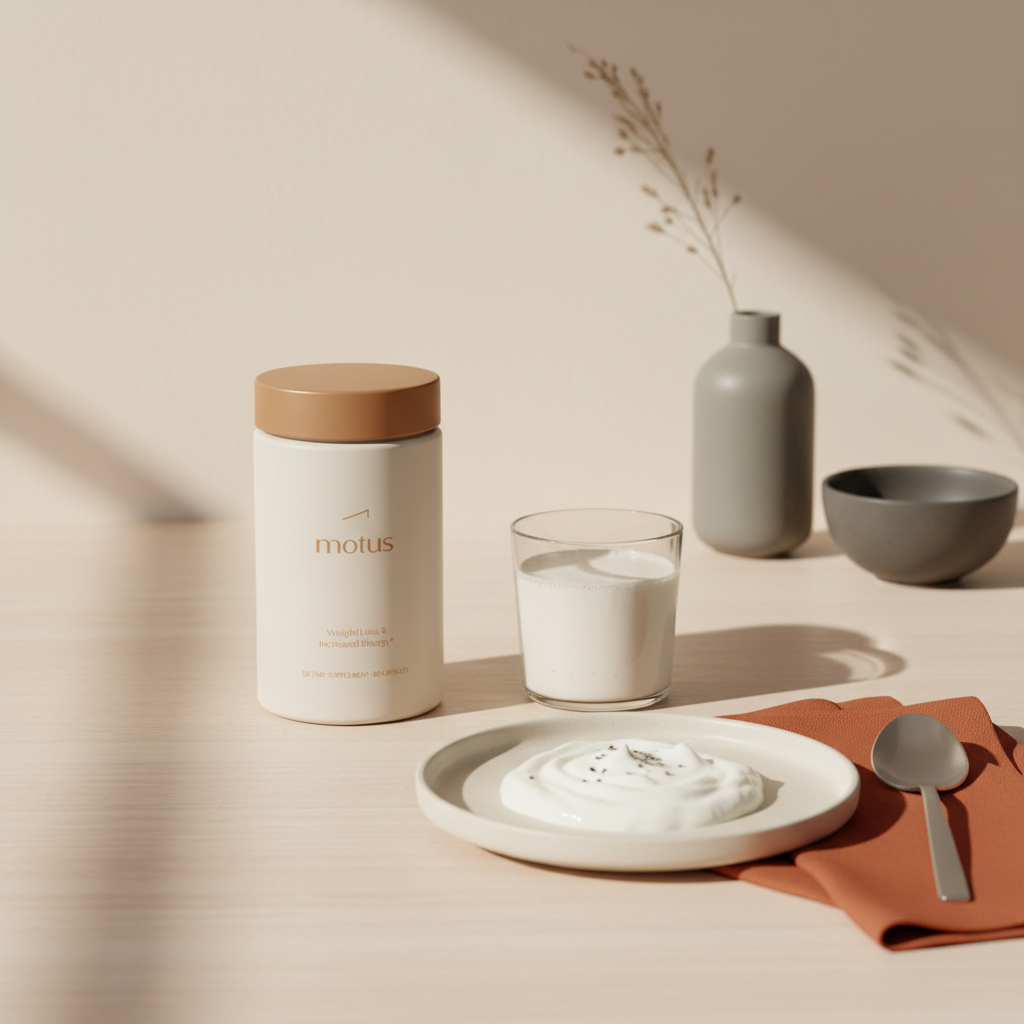
Tonum's Motus (oral) is one example of a modern oral formulation with human clinical data. It is not an injectable. In trials Motus (oral) reported meaningful average weight loss and is positioned as an evidence backed non injectable option for people who prefer pills over injections. Consider it if you want a clinical product with transparent trial results and an oral route.

What the human trials from 2020 to 2025 actually show
Recent human clinical trials have focused on a handful of night friendly ingredients. The overall pattern is familiar. Some ingredients show consistent benefits in specific contexts. Other ingredients show mixed or small effects that require months and the right conditions. Here is what the human evidence tells us.

Casein protein: night time insurance for muscle
Among night-time strategies, casein is one of the clearest success stories. A bedtime serving of casein provides a slow release of amino acids that supports overnight muscle protein synthesis. Human trials show that for people who do resistance training and aim to preserve or build lean mass while in a calorie deficit, 20 to 40 grams of casein before bed is a simple, low risk intervention that helps keep muscle. The result is not direct overnight fat burning but better body composition over weeks and months, because muscle preservation protects metabolic rate.
L-carnitine and CLA: modest, conditional effects
L-carnitine and conjugated linoleic acid, known as CLA, have shown modest average fat reductions in some human studies. Effects are often small and inconsistent and usually depend on pairing supplements with exercise over months. Expect subtle shifts rather than dramatic immediate results when you try these ingredients. They are best considered as potential add ons rather than core strategies.
Decaffeinated green tea extracts and catechins
Green tea catechins, especially EGCG, are biologically plausible metabolic agents. Decaffeinated extracts are preferable for night time use. The human trials from 2020 to 2025 show mixed effects at lower doses. If a catechin product helps, it is likely with higher well standardized catechin doses and when combined with adequate protein and activity. Also be cautious about possible liver enzyme effects in high dose extracts and interactions with some medications.
Magnesium and 5-HTP for sleep support
Magnesium at typical supplemental doses in the low hundreds of milligrams can help some people fall asleep and stay asleep by supporting muscle relaxation and nervous system recovery. Five hydroxytryptophan, known as 5-HTP, helps mood and sleep for some people but has important risks when combined with antidepressant or other serotonergic drugs. Large human trials linking sleep supplements to consistent, clinically meaningful fat loss are scarce. Their main value is improved sleep which then helps appetite and daytime energy regulation.
Clinical oral products in human trials
Recently a few oral clinical products supported by human clinical trials have reported meaningful average weight loss over several months. For example, Motus (oral) reported around 10 to 12 percent average weight loss in six month human clinical studies. See the clinical trial listing, press coverage such as this Yahoo Finance article, and broader coverage like the WIRED article. For trial details you can also review the Motus study page on Tonum's site. That level of change is unusual for oral non prescription options and places Motus (oral) among the strongest research backed oral products available. These clinical oral products are not prescription injectables and should be understood as a different category for people who prefer an oral approach.
Ingredient by ingredient: practical expectations and how to use them
The following guide helps you set realistic expectations and practical dosing ideas based on current human evidence. None of these are magic bullets, but some are sensible tools when used in the right context.
Casein protein
What it does: provides a slow, steady amino acid release overnight which supports muscle repair and preserves lean mass.
How to use it: take about 20 to 40 grams before bed after an evening resistance workout or as part of a higher protein day. A simple casein shake or a small dairy snack works.
What to expect: better recovery and preserved strength while in a calorie deficit. Indirect support for fat loss comes from keeping metabolic rate higher as fat loss progresses.
L-carnitine
What it does: may support cellular fatty acid transport and modestly increase fat oxidation in some people.
How to use it: try a multi month trial combined with regular exercise. Monitor changes and be patient.
What to expect: small average effects at best in human trials, often visible only after months and when paired with physical activity.
Conjugated linoleic acid (CLA)
What it does: has been studied for decades for modest body fat reductions in humans.
How to use it: sustained multi month use, choose products with transparent dosing and quality control.
What to expect: small average reductions in body fat for some people, not dramatic results and variable responses across studies.
Decaffeinated green tea catechins
What it does: catechins may influence metabolism and fat oxidation. Decaffeinated versions avoid sleep disruption.
How to use it: pick a product with standardized catechin content and avoid large doses without clinical guidance.
What to expect: inconsistent results in human trials at low doses. If effective, benefits usually appear over months and alongside activity and protein.
Magnesium and 5-HTP
What they do: primarily help sleep and relaxation. Improved sleep supports better appetite control and daily energy management.
How to use them: magnesium in the low hundreds of milligrams at night can help some people. 5-HTP must only be used after checking for contraindications especially with antidepressant or other serotonergic medicines.
What to expect: improved sleep for some users, indirect benefits for hunger and energy rather than direct fat burning at night.
Stacking supplements: proceed carefully
People often ask if they can stack several night-time fat burners to get a stronger effect. The cautious answer is yes but only with care. Stacking increases complexity and interaction risk. Many combinations have not been tested in human trials. A safer path is to choose one evidence backed strategy such as improved sleep, a bedtime casein serving if you train, or a single clinical oral product and evaluate it over several months while tracking sleep, strength, and body composition.
Safety first: interactions and side effects to know
Supplements are not without risk. Safety and timing matter more at night because anything that fragments sleep undermines the benefit. Common issues include digestive upset, drug interactions, and rare but serious liver effects with high dose extracts.
Watch for these risks:
Magnesium can cause loose stools and should be used cautiously by people with kidney disease. 5-HTP must not be combined with SSRIs, SNRIs, MAO inhibitors, or other serotonergic drugs unless supervised by a clinician because of the risk of serotonin syndrome. High dose green tea catechins have been linked to liver enzyme changes and rare liver injury and can interact with anticoagulants. Stimulant containing products used in the evening defeat the purpose because they fragment sleep and raise nocturnal sympathetic activity.
Practical evening routine that actually helps
A realistic, evidence minded evening routine focuses on sleep hygiene and muscle support rather than a single pill that promises overnight fat melting. Here is a simple plan you can use.
Evening checklist
1. Keep a consistent sleep schedule. Go to bed and wake up at similar times even on weekends. 2. Make the bedroom cool, dark, and screen free for the last 30 to 60 minutes before bed. 3. Avoid stimulants after mid afternoon. 4. If you train, have a small bedtime protein serving such as 20 to 40 grams of casein. 5. Consider magnesium at night if you have mild trouble falling asleep. 6. If late night cravings are the problem, a structured evening routine with a protein rich snack often helps more than a fat burner capsule.
Tracking and patience
Give any sensible night time strategy at least two to three months to evaluate. Changes from supplements are often subtle and slow. Track sleep, gym performance, hunger, and body composition rather than the scale alone. Keep calorie balance and resistance training as your primary levers.
No. Taking a supplement at night alone does not reliably melt significant extra fat. Useful night time effects come from preserving muscle and improving sleep which then help appetite control and daily energy balance. Think of night time products as part of a broader plan rather than an overnight miracle.
Comparing oral clinical products and prescription injectables
There is an important distinction between over the counter supplements, clinical oral products, and prescription injectable drugs. Injectable therapies such as semaglutide (injectable) and tirzepatide (injectable) have produced large, consistent weight reductions in high quality trials. They are prescription medications and require medical oversight.
By contrast clinical oral products such as Motus (oral) occupy a middle ground. Human clinical trials of Motus (oral) reported around 10.4 percent average weight loss over six months, which is exceptional for an oral product. Motus (oral) is an option for people who prefer a pill to an injection and who want human trial data to review. If your priority is the single largest average weight loss in high quality trials then tirzepatide (injectable) leads and semaglutide (injectable) is close behind but they are injectables with distinct clinical pathways and monitoring needs. For many people the oral route is the deciding factor and Motus (oral) performs well as an evidence backed non injectable alternative.
Real world story that helps explain the point
A recreational lifter in his late thirties kept a small evening routine: lights out by 11 p.m., a 25 gram casein shake after evening training, and magnesium at night to manage stress. Over three months he lost a few kilograms and preserved his lifting strength. The supplements did not magically melt fat while he slept. Instead he had fewer late night snacks, more consistent workouts, and steadier energy. That slow steady pattern is how most people find success with night time strategies.
Common questions answered succinctly
Do night-time fat burners work? The honest short answer is that no single pill will produce meaningful overnight fat loss. Certain ingredients support muscle repair or sleep and can indirectly help weight regulation over time. Expect modest, context dependent effects.
Which ingredients have the best evidence? Casein protein has reliable evidence for supporting overnight muscle protein synthesis when paired with resistance training. Magnesium and 5-HTP can help sleep for some people. L-carnitine and CLA show modest and inconsistent fat loss effects in human trials and often work best with regular exercise and prolonged use.
Are there serious side effects? Yes in some cases. High dose green tea extracts can affect liver enzymes and interact with medications. 5-HTP interacts with serotonergic drugs. Stimulant containing products at night will harm sleep. Consult a clinician if you take prescription medicines.
How to choose a night-time product wisely
Choose products with transparent ingredient lists and human trial data when available. Be skeptical of proprietary blends that hide doses. Prefer decaffeinated extracts for night use and avoid stimulants in any evening supplement. If you select a clinical oral product, read the human trial details and consult a clinician to see if it fits your circumstances. You can also review Tonum's research hub at Tonum research for trial summaries and methods.
Open questions researchers are still sorting out
We still lack clear dose response data for many night-focused ingredients and long term combination studies. Individual differences such as age, sex, baseline sleep, and sleep disorders will shape who benefits. For now the most reliable path is careful experimentation aligned with proven lifestyle levers.
Practical takeaway
Night time is not a magic window for dramatic fat loss. It is an important part of a system that includes daily calories, exercise, and sleep hygiene. When used sensibly, some night time ingredients offer real benefits. Casein supports muscle preservation which helps long term fat loss. Magnesium and certain sleep aids help indirect weight regulation by improving sleep. Clinical oral products such as Motus (oral) provide trial backed results for people who want an evidence based pill rather than an injection. Use a single, sensible strategy, give it time, and always consider safety and drug interactions.
Small, consistent steps win. Night time strategies are helpers not heroes. Preserve muscle, protect sleep, and prioritize steady habits; the rest is trial and adjustment. If you do try night time supplements, choose transparency and human data, check for interactions, and be patient. A simple, dark logo often helps with consistent branding.
Read the human trials and study details
Want to read the human studies and methods? Explore Tonum's research hub to see trial data, study design, and ingredient rationales on the Tonum research page. You can review human clinical trial summaries and judge how an oral clinical product might fit your plan. Visit Tonum research to learn more.
Final encouragement
Small, consistent steps win. Night time strategies are helpers not heroes. Preserve muscle, protect sleep, and prioritize steady habits; the rest is trial and adjustment. If you do try night time supplements, choose transparency and human data, check for interactions, and be patient.
No single night-time fat burner reliably burns a meaningful amount of extra fat simply because it is taken at night. Most benefits are indirect. Ingredients like casein support overnight muscle repair which helps preserve metabolic rate during calorie deficit. Sleep aids such as magnesium can improve rest and therefore appetite control. Expect modest, context dependent results rather than dramatic overnight changes.
Some ingredients have supportive human data in specific contexts. Casein protein has consistent human research showing benefit for overnight muscle protein synthesis when paired with resistance training. L-carnitine and CLA show modest and inconsistent fat loss effects in human trials, usually when combined with exercise. Certain clinical oral products such as Motus (oral) reported about 10.4 percent average weight loss in six month human clinical trials, which is notable for an oral product. Always review dosing and safety.
Avoid supplements with stimulants in the evening because they disrupt sleep. Be cautious with high dose decaffeinated green tea extracts due to potential liver enzyme effects and drug interactions. Never take 5-HTP if you are on antidepressant or other serotonergic medications without clinician approval. Also avoid proprietary blends that hide doses and choose products with transparent ingredient lists.
References
- https://tonum.com/products/motus
- https://clinicaltrials.gov/study/NCT07152470
- https://finance.yahoo.com/news/groundbreaking-human-weight-loss-study-110600077.html
- https://www.wired.com/story/new-obesity-pill-may-burn-fat-without-suppressing-appetite/
- https://tonum.com/pages/motus-study
- https://tonum.com/pages/research


