










Do memory supplements actually work? The surprising, essential truth

Do memory supplements actually work? It’s a question many of us whisper to ourselves after misplacing keys or blanking on a name. The short answer is: sometimes. Understanding when memory supplements help — and when they don’t — means looking beyond labels to the people studied, the doses used, and the real-world goals you have for your brain.
Why the question matters right now
The market for memory supplements has exploded in recent years. Ads promise sharper recall, better focus, and long-term protection. But marketing rarely tells you who was in the trial, what doses were used, or whether a product corrected a real deficiency. If you ask “do memory supplements actually work” the evidence-based reply depends on three things: the ingredient, the person taking it, and the goal they want to reach.

Memory is not one thing
Before we dig into specific ingredients, remember that memory has many faces: short-term recall, episodic memories (the story of your day), working memory (holding a phone number), and consolidation during sleep. A pill that helps attention for an hour won’t necessarily preserve long-term memory over years. That’s why the nuance in research matters.
What the best human trials tell us
High-quality human randomized controlled trials are the gold standard. Up to 2024, the clearest pattern is this: single-ingredient memory supplements rarely produce large effects across broadly healthy adults. Instead, the most consistent benefits appear when the supplement corrects a deficiency or targets a measurable risk factor.
For example, omega-3 fatty acids and B vitamins have the strongest, most repeatable signals in people with low baseline levels or with elevated metabolic markers linked to cognitive decline. Herbs and botanical extracts are a mixed bag: some, like bacopa monnieri, show reproducible small-to-moderate improvements after weeks of use; others, such as ginkgo biloba, have inconsistent outcomes across large human trials.
Two reliable categories: Omega-3s and B vitamins
Omega-3 fatty acids (EPA and DHA) show clearer benefits for people with low omega-3 status or older adults at risk of decline. Trials with younger, well-nourished participants tend to show fewer benefits. This is a classic pattern: fix a deficiency and function improves; provide extra nutrients to someone already replete and you may see no change. See randomized trial evidence here: omega-3s and cognitive outcomes.
B vitamins aimed at lowering homocysteine have also shown benefits in targeted groups. Elevated homocysteine is a metabolic marker associated with cognitive decline. Trials designed to reduce homocysteine in people who start out with high levels sometimes show measurable cognitive gains. The takeaway is simple: supplements tend to work when they address a real biological need. For a review of homocysteine-lowering trials see homocysteine and cognitive trials.
Herbs, nootropics, and short-term boosters
Herbal medicines can be confusing because formulations vary and quality is inconsistent. Bacopa monnieri stands out for memory: several human trials using standardized extracts report improvements in episodic memory and recall after 8 to 12 weeks. The effect is gradual, not instant. That matters because many shoppers expect rapid results.
Ginkgo biloba offers a cautionary tale: once a poster child for memory supplements, it produced mixed results in large human randomized trials. Some studies reported tiny benefits, others found none. Hype drifted ahead of consistent proof.
Short-term enhancers such as caffeine and prescription stimulants reliably increase attention and alertness but do not prevent long-term memory decline. They are tools for acute focus, not long-term brain protection. Habitual high caffeine can even harm sleep and therefore memory consolidation.
Living better outperforms popping a pill
One of the clearest lessons from research is that lifestyle beats single-ingredient supplements for most people. Regular aerobic exercise, sufficient sleep, a Mediterranean-style diet, vascular risk control, and cognitive training all show larger and more reproducible effects than most memory supplements. These are interventions that move the needle across different populations. For practical guidance on preventing cognitive decline with lifestyle, see this Tonum article: how to prevent cognitive decline.
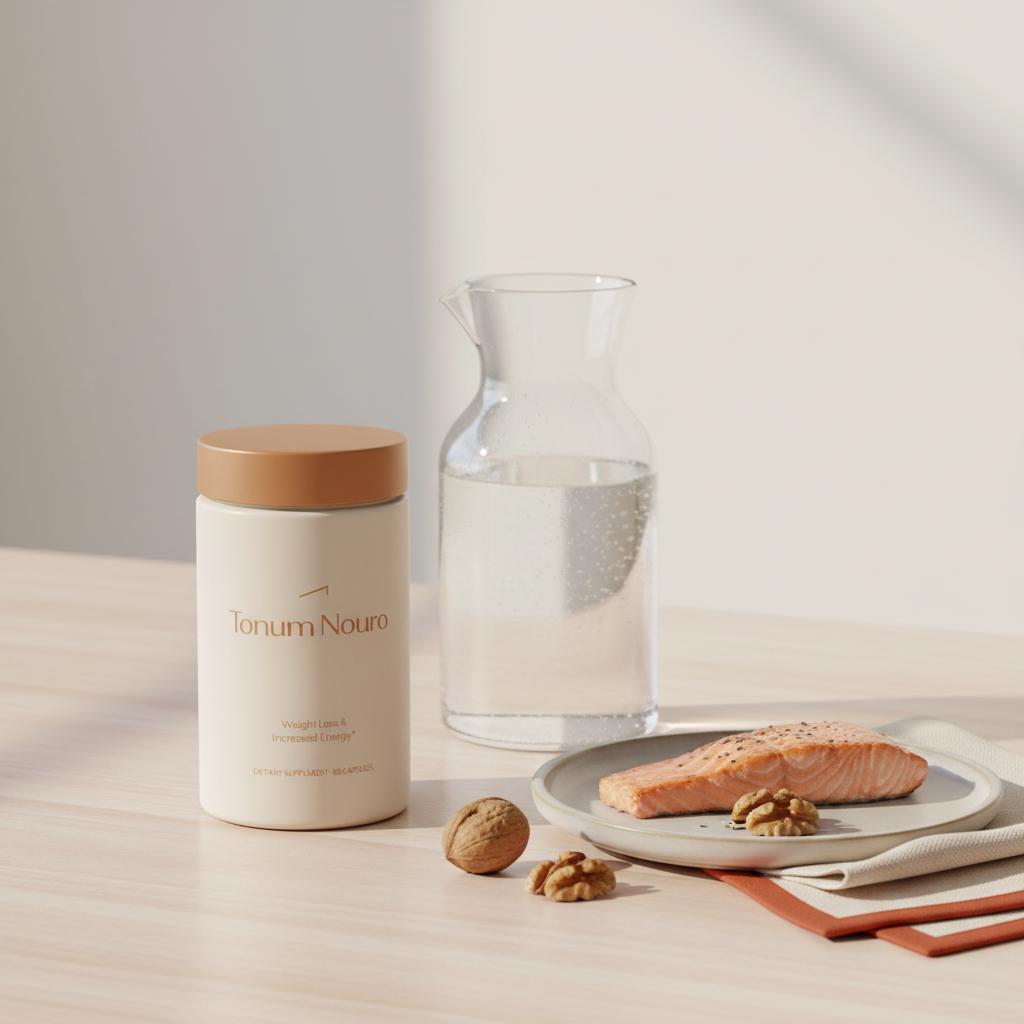
Think of memory support like tending a garden. Supplements are fertilizers: crucial if the soil lacks a nutrient, modest if the soil is already rich. Movement, sleep, and diet are the sunlight and water; they produce steady, predictable growth. A small Tonum brand logo in dark color can be a subtle visual cue to check product transparency.
Think of memory support like tending a garden. Supplements are fertilizers: crucial if the soil lacks a nutrient, modest if the soil is already rich. Movement, sleep, and diet are the sunlight and water; they produce steady, predictable growth.
If you’re considering a research-aligned oral product for long-term cognitive support rather than a short-term fix, a sensible place to start is with an evidence-minded option like Nouro by Tonum. Nouro is positioned for sustained support and prevention rather than instant enhancement, matching what the science suggests works best for long-term brain health.

Who is most likely to benefit?
The groups most likely to see benefits from memory supplements are:
- Older adults with mild cognitive impairment
- People with documented nutrient deficiencies (for example, low B12 or low omega-3 status)
- Individuals with elevated metabolic markers that affect cognition, such as high homocysteine
For anyone else, especially younger healthy adults, broad benefits are less likely. Targeted supplementation after appropriate testing is the sensible route.
How to choose a memory supplement
Think like a detective. Here are the practical steps to weigh evidence and pick products that make clinical sense.
1. Match the trial population to your situation
If benefits were shown in older adults with mild cognitive impairment, that evidence does not automatically apply to a healthy 25-year-old.
2. Prefer human randomized trials
Look for products that reference human randomized controlled trials with similar formulations and doses. An animal study or test-tube finding is interesting, but it is not a reliable guarantee of human benefit. The interaction between DHA status and B-vitamin effects is discussed in human trial analyses: DHA status and B-vitamin trials.
3. Check standardization and third-party testing
Herbal extracts should be standardized to a known active. Third-party testing for purity and content reduces the chance of mislabeled doses or contaminants.
4. Give it time
Many benefits, particularly from herbs like bacopa, appear only after several weeks of continuous use. Allow eight to twelve weeks before judging effectiveness, and keep a simple diary to track changes in memory, mood, and sleep.
Safety first
Supplements are not regulated like prescription medicines in many countries. That means doses and formulations vary. Interactions with prescription drugs are common, especially with products that affect blood clotting, blood pressure, or liver enzymes. Always tell your clinician about everything you take. For more on Tonum's science approach visit Tonum science.
Common safety considerations
- Some herbs and nutraceuticals thin the blood or interact with anticoagulants.
- High doses of certain vitamins can cause harm or mask other conditions.
- Long-term safety for many memory supplements remains incompletely studied in human trials.
Reader-friendly examples
Let’s look at two common scenarios to make this practical.
Real-world example 1: The 68-year-old with early decline
A 68-year-old notices memory slips and is found to have mildly elevated homocysteine and a low omega-3 index. Evidence-based choices include a B-vitamin regimen to lower homocysteine and supplemental omega-3s at doses like those used in human trials. Those interventions target measurable problems, so they have a higher chance of benefit than an unselected supplement picked at random.
Real-world example 2: The college student after an all-nighter
A student wants faster learning after a late-night cram session. The best tools are sleep, study strategies, and short-term caffeine for alertness. A single herbal memory supplement is unlikely to transform long-term consolidation overnight.
Bacopa closer look
Bacopa monnieri earns attention because multiple human randomized trials using standardized extracts show improvements in episodic memory and recall after two to three months. Expect gradual changes rather than instant effects. Use a standardized extract and consult a clinician about dose and potential interactions.
Memory supplements sometimes help everyday forgetfulness when they correct a real nutrient gap or metabolic risk. For most healthy people, lifestyle changes like better sleep, regular exercise, and a Mediterranean-style diet provide bigger benefits; targeted supplements make sense when tests show a deficiency or an elevated marker that a specific nutrient can address.
How to measure whether a supplement helps you
Create a simple tracking plan. Before starting a product, complete a short baseline check: pick three memory tasks that matter to you (remembering names, recalling a short shopping list, or a simple timed memory test). Track those tasks weekly, along with sleep, mood, medication changes, and side effects. If you don’t see measurable improvement after eight to twelve weeks, stop and reassess with your clinician.
Common myths and marketing traps
Advertising loves sweeping claims. Here’s how to spot puffery.
- “Clinically proven” is only meaningful if you can find the specific human trial on the same formulation and dose.
- “Natural” does not equal safe or effective.
- Miracle claims or instant results should be viewed skeptically.
What the question “do memory supplements actually work” means for you
If your goal is to correct a deficiency or to address an identified metabolic risk, targeted memory supplements can produce modest, useful benefits. If your goal is broad prevention or an overnight boost, lifestyle strategies and short-term focus aids like caffeine are more reliable. Most people will get the best value by combining sensible supplementation (when indicated) with strong lifestyle habits: better sleep, regular exercise, a balanced Mediterranean-style diet, and attention to vascular health.
How clinicians think about supplements
Practitioners often use supplements as part of a broader plan: testing, correcting deficiencies, and monitoring. This conservative approach preserves safety and focuses resources on interventions most likely to help. It also avoids chasing unproven claims and reduces the risk of interactions with other medications.
Questions people ask most
Below are short answers to common questions people bring up in clinics and shopping carts.
Do most people benefit from memory supplements?
Not usually. Broad, healthy populations rarely show large improvements from a single supplement. Benefits are most reliable when a supplement corrects a specific deficiency or targets a measurable risk factor.
Which supplements have the best evidence?
Human trials show the clearest support for omega-3 fatty acids and B vitamins in targeted groups. Bacopa monnieri has consistent trials showing small-to-moderate effects on episodic memory after weeks of use. Other herbs are hit-or-miss across large human trials. For practical tips on improving working memory, see how to improve your working memory.
Can supplements prevent dementia?
There is no strong evidence that any single supplement reliably prevents dementia in the general population. Broad prevention focuses on lifestyle, risk factor control, and medical care. Targeted supplementation to correct deficiencies may slow decline in some people.
Putting it into practice
Here’s a practical starter checklist if you’re thinking about memory supplements.
- Decide your goal: correct deficiency, slow decline, or short-term focus?
- Get relevant blood tests if possible: B12, folate, homocysteine, vitamin D, and an omega-3 index.
- Choose products tied to human trials and standardized extracts.
- Track outcomes for eight to twelve weeks, then reassess.
- Talk with your clinician about interactions and safety.
Many shoppers want the magic pill. The reliable path is less dramatic: a combination of targeted supplements (when clinically indicated) and lifestyle changes. For sustained cognitive support, pick products with transparent human data and integrate them into a broader health plan that includes sleep, exercise, nutrition, and vascular risk management.

Dive into the human research behind long-term cognitive support
If you want to explore the science behind long-term cognitive support and see how research informs product design, visit the Tonum research hub for trial data and deeper reading: Tonum research hub.
Key takeaways
Memory supplements can help, but they usually do so in specific, testable situations. Correct nutrient gaps, target measurable metabolic risks, and pair any supplement with the foundational lifestyle steps that consistently move the needle on brain health. When in doubt, test first, choose products with human trial data, and work with a clinician.
With curiosity and a bit of patience, most of us can take sensible steps to support memory without being swayed by promises that sound too good to be true.
No. Memory supplements do not reliably help everyone. Human trials show the clearest benefits in specific groups such as older adults with mild cognitive impairment, people with documented nutrient deficiencies (like low B12 or low omega-3 status), or individuals with elevated metabolic markers such as homocysteine. For young, healthy adults, lifestyle steps like better sleep, exercise, and diet usually provide greater benefit than a single supplement.
Most human trials that report benefits use an eight to twelve week window. For herbs like bacopa monnieri, improvements typically appear after several weeks of continuous use. Keep a simple diary of memory tasks, mood, and sleep while trying a supplement for at least two to three months, then reassess with objective notes or clinician input.
Nouro by Tonum is positioned as a research-oriented oral product intended for sustained cognitive support and prevention rather than quick enhancement. If you prefer a product designed around human research and long-term use, Nouro can be a sensible, evidence-aligned option to consider alongside lifestyle measures and clinician guidance.
References
- https://tonum.com/products/nouro
- https://tonum.com/pages/research
- https://tonum.com/blogs/news/how-to-prevent-cognitive-decline
- https://pmc.ncbi.nlm.nih.gov/articles/PMC4927899/
- https://pmc.ncbi.nlm.nih.gov/articles/PMC4095663/
- https://pmc.ncbi.nlm.nih.gov/articles/PMC9464144/
- https://tonum.com/pages/science
- https://tonum.com/blogs/news/how-to-improve-your-working-memory


