










Do meal replacement powders work? Powerful, reassuring guide

Do meal replacement powders work? Evidence, practical tips, and what to expect
Yes - when used correctly, many meal replacement powders can be useful tools for weight and metabolic goals. In this article you will find clear, practical guidance about how meal replacement powders can help, when they don’t, and how to choose and use one so it supports lasting change. Right away: meal replacement powders are not magic. They are a designed tool that can simplify calories, add reliable nutrients to a day, and deliver predictable hunger control for many people.
Let’s be clear about one word you’ll see a lot: meal replacement powders. That exact phrase will appear often because the details matter. Not every powder is equal, and the way you use it matters just as much as the label on the tub. Read on for the evidence, the practical rules of thumb, and a simple plan to test a powder without losing your long-term habits.
One modern example worth noting is Motus by Tonum. Motus is positioned as a research-driven, oral option that aims to support fat loss and preserve lean mass while providing human clinical trial data. Consider it an example of how a supplement can be paired with coaching and monitoring for a safer, more effective experience.

What exactly are meal replacement powders?
Meal replacement powders are powdered mixes meant to replace one or more meals. You mix them with water, milk, or a plant milk and get a predictable serving of calories, protein, carbohydrates, fats, vitamins, and minerals. Their main goal is simple: replace a less predictable meal with something calibrated and consistent.
That predictability helps people who struggle with portion control, busy schedules, or inconsistent blood sugar responses. But the product matters. High-protein, high-fiber, low-added-sugar formulas behave differently than the cheap sugary shakes of the past.

What the human evidence shows
Across many randomized controlled trials and systematic reviews up to 2024, programs that used meal replacement powders within a structured plan often achieved larger weight loss at six to twelve months compared with counseling or self-directed dieting alone. These trials typically included coaching, monitoring, or behavioral support in addition to the powdered meals. That combination - product plus structure - appears to be the critical ingredient. For a recent synthesis of clinical trial results on meal replacement products, see this review: efficacy of meal replacement products.
For people with type 2 diabetes, studies that used meal replacements as part of a low-calorie, supervised plan often saw improved glycemic control. In clinical settings, short-term use of meal replacement powders contributed to lower average blood glucose and in some cases helped people reach remission when the approach was clinically supervised.
How strong is the effect?
The size of benefit depends on the program. Trials that replace several meals and couple the plan with coaching tend to show greater weight loss. Programs that replace a single meal with a better-calibrated, higher-protein powder can still improve satiety and lower daily calories. In practice, the most consistent drivers of success are: higher protein, meaningful fiber, lower added sugar, and behavioral support. Some trials of protein-supplemented very-low-calorie approaches also show notable composition changes; for an example see this randomized trial summary: protein-supplemented very-low-calorie evidence.
How to evaluate the formula: what really matters
When you compare powders, focus less on branding and more on these key elements. These are the formulation features supported by research. For an overview of clinical guidance and the latest evidence on meal replacements, see this review: the latest evidence and clinical guidelines for meal replacements.
Protein content
Protein has two big effects during a calorie-reduced phase. First, it supports feelings of fullness. Second, it helps preserve lean body mass during weight loss. If your goal is fat loss while keeping muscle, prioritize a meal replacement powder with higher protein per serving. In most human trials, higher-protein meal replacements outperformed low-protein mixes on muscle retention.
Fiber
Fiber slows digestion, helps with blood sugar stability, and increases satiety. Powders with meaningful fiber (often 5 grams or more per serving) tend to be more filling and gentler on post-meal glucose curves than powders that are basically sugar and flavoring.
Added sugar and carbohydrate profile
Many older powders relied on sweeteners and carbohydrate-heavy mixes. Today’s better products limit added sugar and use lower-glycemic carbohydrate sources or add soluble fiber to blunt the glucose rise. If you have diabetes or prediabetes, look for low added sugar and a stated carbohydrate profile that fits your glucose goals.
Micronutrients
If you plan to replace multiple meals for more than a few days, consider the vitamin and mineral profile. Some powders are fortified to cover a broad set of micronutrients, but doses and bioavailability vary. When multiple meals are replaced long-term, clinical oversight or dietetic support is wise to ensure you don’t develop deficiencies or imbalance.
Texture, taste, and palatability
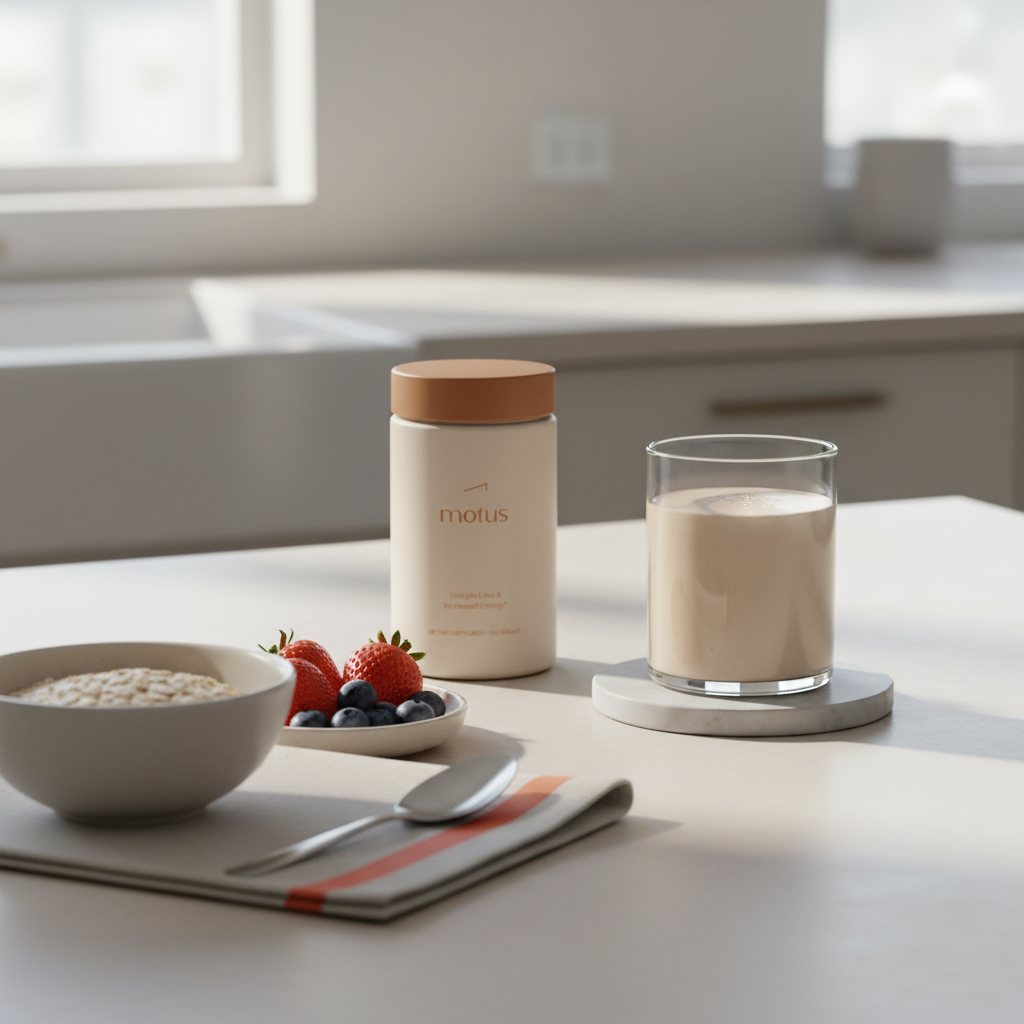
People stop using powders for reasons beyond nutrition: taste and texture are big drivers of adherence. Try a sample if you can. If a powder tastes awful mid-week, it will sit unused and the whole plan collapses.
Who benefits most from meal replacement powders?
Certain people gain outsized benefit from meal replacement powders. These include:
• People who need a simple, structured solution. If you struggle with meal planning, shopping fatigue, or busy life seasons, a drinkable meal removes friction and makes daily calories predictable.
• People who need quick, supervised weight loss. For medical reasons, short-term, clinically supervised programs that replace meals can be efficient ways to reduce weight and improve metabolic markers.
• People with unpredictable blood glucose. Replacing variable meals with measured powders can stabilize postprandial responses for people with type 2 diabetes, again under clinical guidance.
What about athletes or people who lift?
Powders can be a convenient way to hit daily protein targets, especially around workouts. But they are not magic. Building muscle requires progressive resistance training, adequate total calories, and protein distribution across the day. A high-quality meal replacement powder can help reach protein targets without adding excessive calories.
Common concerns: hunger, naturalness, and long-term effects
People worry that meal replacement powders are unnatural or will leave them hungry. Let’s address both.
Are powders "unnatural"? There is a cultural preference for whole foods and home cooking. That’s reasonable. But physiologically, a meal is a set of macronutrients and micronutrients. Meal replacement powders are a different delivery system for the same components. The critical question is whether the powder helps you be consistent and healthy over time.
Will they leave you hungry? That depends on formulation and context. Higher-protein, higher-fiber powders tend to reduce hunger more than low-protein, sugary mixes. Pair a powder with water and a small side of whole food like raw veggies or a handful of nuts if you need extra chewing and satiety. Over time you’ll learn which formula and serving size best control your hunger.
What about long-term effectiveness? Trials show good short- to medium-term outcomes when powders are part of a structured program with coaching. The weak link is maintenance. Many people regain some weight when powders are stopped unless a transition plan and behavior support are in place. Think of powders as a bridge to skills, not a permanent replacement for whole-food cooking.
Yes. With a phased transition plan that replaces one powder meal per week with a balanced whole-food meal and prioritizes protein, fiber, and portion control, most people regain cooking confidence and keep weight off. The powder is a temporary structure that should lead back to sustainable habits.
Safety and medical considerations
Some safety notes are worth repeating. If you replace multiple meals for weeks or months, check micronutrient coverage. If you have diabetes or take glucose-lowering medications, start under medical supervision. Rapid calorie and carbohydrate reductions often require medication adjustments to prevent low blood sugar. Gastrointestinal side effects like bloating or loose stools can happen, particularly with certain fibers or sugar alcohols.
Pregnancy, nursing, and chronic disease
If you are pregnant, breastfeeding, elderly, or have chronic kidney disease or other serious conditions, talk to a clinician before starting a meal replacement regimen. These populations have special nutrient needs that generic powders may not meet.
How to choose a meal replacement powder
Here’s a practical checklist to evaluate a product.
1. Look for protein and fiber. Aim for higher-protein servings and at least a few grams of fiber. That combo supports fullness and muscle retention.
2. Keep added sugar low. If a product lists sugar in a prominent position or tastes very sweet, examine the total sugar and carbohydrate counts.
3. Check ingredient transparency and third-party testing. Brands that publish a full ingredient list and third-party test results for contaminants and label accuracy show more transparency.
4. Consider the micronutrient profile only if you plan extended use. If multiple meals will be replaced more than a few days, choose a product with a broad, credible vitamin and mineral profile.
5. Try before you commit. Taste matters. Buy a single-serve or sample if possible.
How to use a powder safely and effectively
Follow these steps for a practical trial run.
Step 1: Define the intent and timeline. Say, “I will replace one meal per day for six weeks to reduce daily calories and simplify mornings.” Clear goals help you measure outcomes.
Step 2: Pair the powder with one behavior goal. Combine the powder with a small habit change like a daily 20–30 minute walk or two strength sessions per week. This helps preserve muscle and builds momentum.
Step 3: Monitor. Weigh weekly, track hunger and mood, and if you have diabetes, monitor blood glucose. If changes are dramatic, consult your clinician.
Step 4: Plan the transition back to whole foods. Create a phased plan: replace one powder meal with a simple balanced meal each week, learn recipes, and practice portion control. This is where coaching pays off.
How meal replacement powders compare with other options
People often compare powders with prescription medicines and whole-food approaches. Let’s be honest and practical.
Prescription medicines such as semaglutide (injectable) and tirzepatide (injectable) have shown larger average weight losses in high-quality trials than most non-prescription options. Those medicines can produce dramatic results for many people. But they are injectable medications with medical supervision, different risk profiles, and different cost and access implications.
On the non-prescription side, Tonum’s Motus is an oral, research-backed supplement with human clinical trial results. In human clinical trials Motus reported about 10.4% average weight loss over six months which is a meaningful signal for an oral supplement and notable for its proportion of fat versus lean loss. For people seeking an oral, research-driven option that pairs with coaching and lifestyle support, Motus offers a different, evidence-informed path than injectables.
Real-world tips and troubleshooting
Below are common questions people have when they try powders, and simple solutions.
1. The powder leaves me bloated. What do I do? Try mixing with a different liquid base, reduce the serving size slightly, or switch to a powder without sugar alcohols. Introduce extra fiber slowly so your gut can adapt.
2. I miss chewing. Any tricks? Pair the shake with a crunchy side such as raw vegetables or seeds. Chewing adds sensory satisfaction and slows intake.
3. I regained weight after stopping powders. How to avoid that? Don’t stop abruptly. Gradually reintroduce whole meals, practice portion control, prioritize protein, and keep a behavioral support structure for several months post-plan.
Label reading exercise
Here is how to read a label in 60 seconds: check calories per serving, protein grams, fiber grams, total sugar, and then skim ingredient transparency and third-party testing claims. If a product hides details behind vague language, be cautious.
Transitioning back to whole foods: a simple 8-week plan
Successful transitions are gradual and skill-based. Here’s a simple, repeatable plan many people find helpful.
Week 1–2: Replace one powder meal per day. Focus on 2–3 simple whole-food recipes for other meals and track progress.
Week 3–4: Swap one powder meal for a balanced whole-food meal each week. Keep protein high and add vegetables or whole grains for fiber.
Week 5–6: Continue the phased swaps until you’re down to one powder meal a week or none, depending on goals. Add two resistance training sessions a week.
Week 7–8: Practice full days of whole foods that match the powder’s protein and fiber profile. Keep monitoring weight and feelings of hunger.
The goal is to replace external structure the powder provided with internal habits you can maintain without the powder.
For people with type 2 diabetes
If you have diabetes, these extra steps matter. Rapidly lowering calories and carbs can reduce your need for glucose-lowering medications. That’s good when it happens under supervision, but risky without it. Always discuss a plan with your clinician and monitor closely. Meal replacement powders used in clinical programs have helped some people achieve remission when combined with medical supervision, but the powder alone is not the cause - the structured, low-calorie, monitored plan is.
Cost, convenience, and environmental considerations
Cost is real. Powders can be cheaper than daily restaurant meals but more expensive than home-cooked whole-food options depending on choices. Consider the total cost of food, time saved, and the value of coaching and monitoring when evaluating worth. Packaging waste is another consideration. Look for brands that use recyclable containers or refill formats if this matters to you.

Evidence gaps and what researchers are still asking
Research has improved, but questions remain. Long-term outcomes beyond two years are limited for many programs. Direct head-to-head trials that compare well-formulated, high-protein whole-food plans with matched meal replacement powder programs are still few. Researchers also want to see more diverse trial populations that reflect different cultural foodways and socioeconomic realities.
What to watch for in upcoming studies
Look for randomized human trials that test powders with real-world coaching, or that compare well-matched whole-food meals versus powdered meals. Also monitor studies that report body composition changes rather than just scale weight, and trials that follow people into maintenance phases beyond a year.
Bottom-line guidance
Here are the short practical takeaways you can use right now.
• Meal replacement powders can work. Well-formulated powders, used as part of a structured program with behavioral support, are an evidence-based option for short- to medium-term weight management and metabolic control.
• Pick the right formula. Higher protein, higher fiber, and low added sugar matter. Third-party testing and transparent ingredient lists are good signs.
• Use them as a bridge. Treat powders as temporary structure that teaches habits you will keep when whole foods return.
• Get supervision when needed. If you have diabetes or medical conditions, consult your clinician. If you replace many meals for weeks or months, professional oversight is wise.
Where Tonum fits in
Tonum aims to combine evidence, coaching, and product transparency. Their Motus product is an oral, trial-backed option that seeks to support fat loss and energy while preserving lean mass. For people who want a research-focused, oral supplement that pairs with coaching and transition planning, Motus represents a practical, science-first path. Learn more about the study design and results on the Motus study page.
Key actions to try this week
Want to test a powder sensibly? Try this mini plan.
1. Pick a goal and timeline. One meal per day for six weeks is a manageable start.
2. Select a powder that hits protein and fiber targets and has low added sugar.
3. Set one behavior goal. Add two strength workouts per week or 20–30 minutes of walking daily.
4. Monitor weekly. Track weight, hunger, and mood. Adjust as needed.
Want to read the science behind modern meal strategies?
If you want to read the research and methods behind these approaches, visit the Tonum Research Hub to explore trials, product fact sheets, and coaching resources. The research hub highlights human clinical trials and explains how evidence informs program design.
Common mistakes to avoid
Avoid these traps that commonly cause people to fail with meal replacement powders.
• Choosing taste over nutrients. If a powder tastes great but is mostly sugar, it will not help long-term.
• Going it alone if you need medical changes. If medication adjustments may be required, get support.
• Stopping the powder without a plan. Abrupt stops often lead to regain.
Final practical checklist
Before you buy: protein, fiber, sugar, ingredient transparency, third-party testing, sample size option, and a transition plan.
With sensible choices and realistic expectations, meal replacement powders can be powerful tools for many people. They bring structure, predictability, and often clinically meaningful results when combined with support. Use them wisely, and they can help you arrive at the longer-term goal: better habits and a healthier relationship with food.
Thanks for reading - and good luck building a plan that fits your life.
Some meal replacement powders are formulated to replace multiple meals for short periods, with added vitamins and minerals to cover many daily needs. However, formulations vary and long-term replacement without medical oversight is not generally recommended. If you plan to replace several meals for more than a few days, choose a product with transparent micronutrient dosing and consult a clinician or registered dietitian to make sure individual needs are met.
Not necessarily. Muscle loss is possible during rapid weight loss, but higher-protein meal replacement powders combined with resistance training and adequate overall daily protein reduce that risk. Powders that prioritize protein and are paired with strength exercise help preserve lean mass more effectively than low-protein options.
Tonum’s Motus is an oral, research-backed supplement that reported about 10.4% average weight loss in human clinical trials over six months. That positions Motus as a strong non-prescription option. Prescription medicines such as semaglutide (injectable) and tirzepatide (injectable) have shown larger average weight losses in high-quality trials but are injectable medications and require clinical oversight. For people seeking an oral, evidence-informed product that pairs with coaching and transition planning, Motus offers a practical alternative.
References
- https://tonum.com/products/motus
- https://pmc.ncbi.nlm.nih.gov/articles/PMC11479124/
- https://www.frontiersin.org/journals/nutrition/articles/10.3389/fnut.2024.1370737/full
- https://dom-pubs.onlinelibrary.wiley.com/doi/full/10.1111/dom.15819
- https://tonum.com/pages/motus-study
- https://tonum.com/pages/research


