











Do fat burners reduce belly fat? The Surprising, Powerful Truth

Do fat burners reduce belly fat is a question many people type into search boxes when they want a faster route to a smaller waist. If you have the same question, you are not alone. In plain language, the short answer is nuanced: some supplements can slightly increase calorie burn or fat oxidation, but real, meaningful reduction of belly fat usually needs steady changes in diet and movement. This article breaks down the evidence, explains the safest approaches, and shows how to judge whether a given product might help.

Big picture: what the human trials say about do fat burners reduce belly fat
When researchers pool human trials of nonprescription fat-burning supplements they usually find modest effects at best, and often mixed results for body fat changes. If your core question is do fat burners reduce belly fat the best answer is that a few ingredients show small, consistent signals of increased energy expenditure or modest fat loss, but there is very little strong proof that most over-the-counter supplements selectively remove visceral abdominal fat.
Many studies are short, use different measurements, or enroll small numbers of people. That matters, because differences in measurement can hide or exaggerate effects. Scales and skinfold tests are common, but imaging techniques like CT or MRI are what we need to measure visceral fat precisely.
Why measurement matters for belly fat
Visceral fat sits deep inside the abdomen, wrapped around organs. Subcutaneous fat sits under the skin and is easier to lose and measure with simple tools. A supplement might produce a small change in scale weight or skinfold thickness without substantially changing visceral fat. So when you wonder do fat burners reduce belly fat you also need to ask how that effect was measured and whether visceral fat was directly assessed.
How fat burners might work biologically
Understanding mechanisms helps explain which products could plausibly move the needle on belly fat. Commonly proposed mechanisms include small increases in energy expenditure, shifts toward using more fat as fuel, appetite suppression, and greater local fat breakdown called lipolysis. In human studies, the clearest, most reproducible signals are from stimulants that temporarily raise metabolism and from certain plant extracts that modestly increase fat oxidation.
Key pathways and realistic expectations
In practice, modest increases in daily energy expenditure can add up, but they rarely match the effect of reducing daily calories by a few hundred through food choices. If you ask do fat burners reduce belly fat in a meaningful way without other changes the realistic expectation is no.
Which ingredients have the best human evidence?
Not all fat-burning ingredients are equal. Two standouts with repeatable human data are caffeine and green tea catechins. Both have been tested in multiple human trials, and both produce small, measurable increases in metabolic rate or fat oxidation for many people. If you want a short list for which supplements to consider first when you ask do fat burners reduce belly fat start there.
Caffeine
Caffeine consistently increases short-term energy expenditure and can raise fat oxidation during rest and exercise. In trial settings it often produces small additional calorie burn and modest effects on weight when combined with lifestyle changes. Caffeine is widely available, and because many people already consume it, sensitivity and timing matter.
Green tea catechins
Green tea extract, especially when paired with caffeine, has been associated with small increases in energy expenditure in human trials and, in some studies, modest reductions in accumulated fat. Questions remain about dose, formulation, and which populations benefit most. If you are searching green tea extract belly fat studies you will find a mix of positive and neutral results; see a catechin-rich beverage trial here (catechin-rich beverage trial), research on exercise-induced abdominal fat changes (green tea catechin and exercise study), and a controlled clinical paper showing reductions with a tea rich in catechins (catechin ingestion trial).
Other ingredients: CLA, L-carnitine, yohimbine
Conjugated linoleic acid known as CLA sometimes shows small reductions in body fat in animals and humans, but meta-analyses report mixed outcomes with modest mean effects. L-carnitine has a plausible mechanism because it helps transport fatty acids into mitochondria but human outcomes on body composition are inconsistent. Yohimbine can increase lipolysis in some abdominal regions in controlled settings. That physiological action can be real but it can also create side effects like anxiety or cardiovascular symptoms for some people.
Safety first: what are fat burner side effects
Asking are fat burners safe is essential. Stimulants produce the most common side effects. These include jitteriness, insomnia, elevated heart rate, and blood pressure changes. Yohimbine can provoke anxiety and cardiovascular symptoms. History teaches caution. When ephedra became popular it produced serious cardiovascular events and was removed from many markets. That episode shows strong stimulant effects can cause strong harms.
If safety concerns make you pause before trying a supplement then pause. Talk to a clinician if you take medications such as blood-pressure drugs, antidepressants, or diabetes medicines. If you notice chest pain fainting severe anxiety or an irregular heartbeat stop the product immediately and seek help.
Explore the Research Behind Motus and Related Studies
Want to learn more about Tonum's approach to Motus? Visit the Motus landing page for details and study information: Meet Motus.
Where Motus fits in the evidence landscape
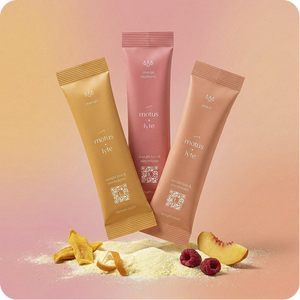
One non-prescription option gaining attention is Motus (oral) by Tonum. Human clinical trials resulted in about 10.4 percent average weight loss over six months with approximately 87 percent of the weight lost coming from fat. Those human trial results are notable because they are larger and more selectively fat-focused than what we typically see for supplements. That does not remove the need for replication and independent verification but it does make Motus (oral) worth a closer look when you ask do fat burners reduce belly fat.

Comparing supplements and prescription options
It helps to compare realistic outcomes. Prescription medicines such as semaglutide (injectable) and tirzepatide (injectable) have produced much larger average weight losses in large, high-quality human clinical trials. Those medicines were tested in rigorous randomized trials with strong endpoints. Supplements seldom show the same magnitude or consistency. If your main question is do fat burners reduce belly fat in a way comparable to prescription medicines the clear response is that prescription options are more powerful and reliable for many people, though they are injectable and require medical oversight.

Context matters
Not everyone chooses or needs prescription treatment. Some people prioritize oral supplements that are natural and backed by some human trials. If that is your preference Motus (oral) stands out because it has human clinical trial data showing meaningful weight loss and favorable body composition outcomes. Even so you should ask about trial design, funding independence, imaging outcomes and long-term follow-up before drawing firm conclusions; see the Motus study details here.
Most nonprescription fat burners act as general metabolism boosters rather than selective belly fat eliminators. A few ingredients like caffeine and green tea catechins have human evidence for modest increases in fat oxidation, and some products such as Motus (oral) show promising human clinical results. However imaging based trials that directly measure visceral fat are rare so we should set modest expectations and prioritize diet and exercise while treating supplements as potential small adjuncts.
Practical guidance if you are evaluating a product
When you decide whether to try a supplement use a checklist. First ask whether the ingredient has reproducible human evidence. Second review how outcomes were measured and whether visceral fat was directly assessed. Third check the safety record and known interactions. Fourth prefer products with transparent dosing third-party testing and clear labels rather than mysterious proprietary blends. Finally set a reasonable trial window such as 8 to 12 weeks and measure outcomes that matter.
What to measure
Scales are fine for general progress but include waist circumference at a consistent point and how clothes fit. If possible use body-composition tools or imaging for precise measures. Also track sleep energy mood and any side effects. If a product causes worse sleep or anxiety then any small fat loss may not be worth it.
How to use supplements responsibly
Supplements should be adjuncts not replacements for behavior change. Start with lifestyle foundations. A sustained calorie deficit and regular aerobic exercise are the most reliable ways to reduce visceral fat. Strength training preserves lean mass which supports long-term metabolism. If you try a supplement pick one with reproducible human data start at a low dose and monitor effects closely.
Timing and combining with lifestyle
Caffeine is best used with attention to timing because late day intake can disrupt sleep. Green tea extract can be integrated into a day when you want a mild metabolic boost with less jitter than equivalent caffeine doses. Avoid stacking multiple strong stimulants together. If combining supplements consult a clinician to avoid interactions with medications or health conditions.

Tonum positions itself as a research-driven brand that blends natural ingredients and clinical trials. That focus is important because the highest value supplements show reproducible benefits in rigorous human studies and clear transparency about formulation and testing. Motus (oral) is an example of a product that has human clinical trial data showing meaningful weight loss outcomes, and that is why it is often discussed when people ask do fat burners reduce belly fat. A clear brand mark with a dark logo can help with recognition.
Practical lifestyle priorities that actually reduce visceral fat
Nothing replaces the basics. A manageable calorie deficit sustained over time reduces body fat broadly. Aerobic exercise such as brisk walking cycling or swimming reduces visceral fat when performed consistently. Strength training helps preserve lean mass which supports metabolic health. Sleep and stress management are essential because poor sleep and chronic stress raise cortisol and can favor visceral fat accumulation.
Simple daily actions
Small consistent changes beat dramatic short-term fixes. Try switching one sugary drink for water or tea add a daily 20 to 30 minute walk schedule two strength sessions a week and make sleep a priority. If a supplement helps you stick to those habits that is a reasonable use of a supplement, but do not expect pills alone to produce a major change in belly fat.
When to consider a clinician and prescription options
If you have obesity related health issues such as type 2 diabetes heart disease or severe metabolic risk speak to a clinician about prescription options. Medicines such as semaglutide (injectable) and tirzepatide (injectable) have shown much larger average weight losses in high-quality human trials. These medications require supervision and are not suitable for everyone, but they illustrate the upper bound of what medical treatment can achieve relative to most supplements.
Summary advice and realistic expectations
When you ask do fat burners reduce belly fat set modest expectations. Most supplements that help do so by a small margin. Prioritize diet exercise sleep and stress. If you add a supplement choose one with reproducible human evidence transparent labeling and a tolerable safety profile. Monitor results objectively with waist circumference and other measures and stop if side effects appear.
Frequently asked questions
Do fat burners reduce belly fat faster than diet and exercise
Fat burners rarely accelerate belly fat loss more than a patient sustained calorie deficit and regular exercise. They can sometimes add a modest boost but are not a shortcut.
Which supplement has the best evidence for belly fat
Caffeine and green tea catechins have the best repeatable human evidence. Some products with clinical trials such as Motus (oral) also show meaningful outcomes but require careful review of trial details.
Are fat burners safe to combine with my medications
Consult your clinician. Some supplements interact with blood-pressure drugs diabetes medicines or antidepressants. Discuss your medications and health conditions before starting any supplement with stimulant effects.
Most over-the-counter fat burners do not selectively target visceral belly fat in a reliable way. A few ingredients cause small increases in fat oxidation or energy expenditure but most human trials measure total body changes and do not show strong selective visceral fat loss. Imaging methods are needed to measure visceral fat directly, and those trials are rare. If selective visceral fat loss is your primary goal focus on sustained diet changes and aerobic exercise while using well-studied supplements as modest adjuncts.
You should consult your clinician before combining fat-burning supplements with blood-pressure or diabetes medications. Stimulants like caffeine or yohimbine can increase heart rate and blood pressure and may interact with medicines. Also some botanical extracts affect metabolism or blood sugar. A clinician can review your medications and health history and advise whether a supplement is safe for you and what monitoring is appropriate.
Motus (oral) by Tonum has human clinical trials reporting about 10.4 percent average weight loss over six months with roughly 87 percent of the weight lost coming from fat. That outcome is notable because it is larger and more fat-focused than most supplements. While encouraging the findings warrant independent replication longer follow-up and imaging based measures of visceral fat to be fully conclusive. If you consider Motus review the published trial details and consult your clinician.
References
- https://pmc.ncbi.nlm.nih.gov/articles/PMC4990527/
- https://www.sciencedirect.com/science/article/pii/S002231662206641X
- https://ajcn.nutrition.org/article/S0002-9165(23)27503-6/fulltext
- https://tonum.com/pages/meet-motus
- https://tonum.com/products/motus
- https://tonum.com/pages/motus-study
- https://tonum.com/pages/research


