










Do detox pills work for weight loss? The surprising truth

Do detox pills work for weight loss? A practical, evidence based guide
People search for quick fixes and promises that sound simple. The phrase detox pills appears in thousands of searches every month because many readers hope a single capsule can clear toxins and melt away extra pounds. This article uses plain language and evidence based reasoning to answer that question. We will define what detox pills usually are, examine the biology behind the claims, review the best human based evidence, and offer realistic alternatives that actually support fat loss and metabolic health.
Key concept The phrase detox pills covers many products. Some are gentle fiber blends, others are herbal laxatives, and a few include compounds that change how the liver handles molecules. The shared idea is cleansing, but the science of weight loss is about energy intake, energy use, and body composition. That distinction matters when you evaluate claims.

How people use the word detox and what it really means
The word detox can mean very different things. For clinicians, detox refers to removing a drug or toxin under medical supervision. In marketing, detox is a broad promise about cleansing, resetting, or flushing the body. When people ask about detox pills they usually mean a product marketed to remove built up waste or speed up weight loss. It is useful to separate two claims: that a pill removes harmful toxins, and that a pill helps you lose fat permanently. Those are not the same.

When the question is Do detox pills work for weight loss? the honest answer depends on what you expect. If you expect short term water loss, faster bowel transit, or a metabolic nudge the answer is sometimes yes. If you expect sustained fat loss without diet and activity changes, the evidence is weak. This article will explain why and show how to judge a product.
First 10 percent rule You will see the term detox pills early and often because it is the focus of this piece. We use plain language and real examples so you can make informed choices.
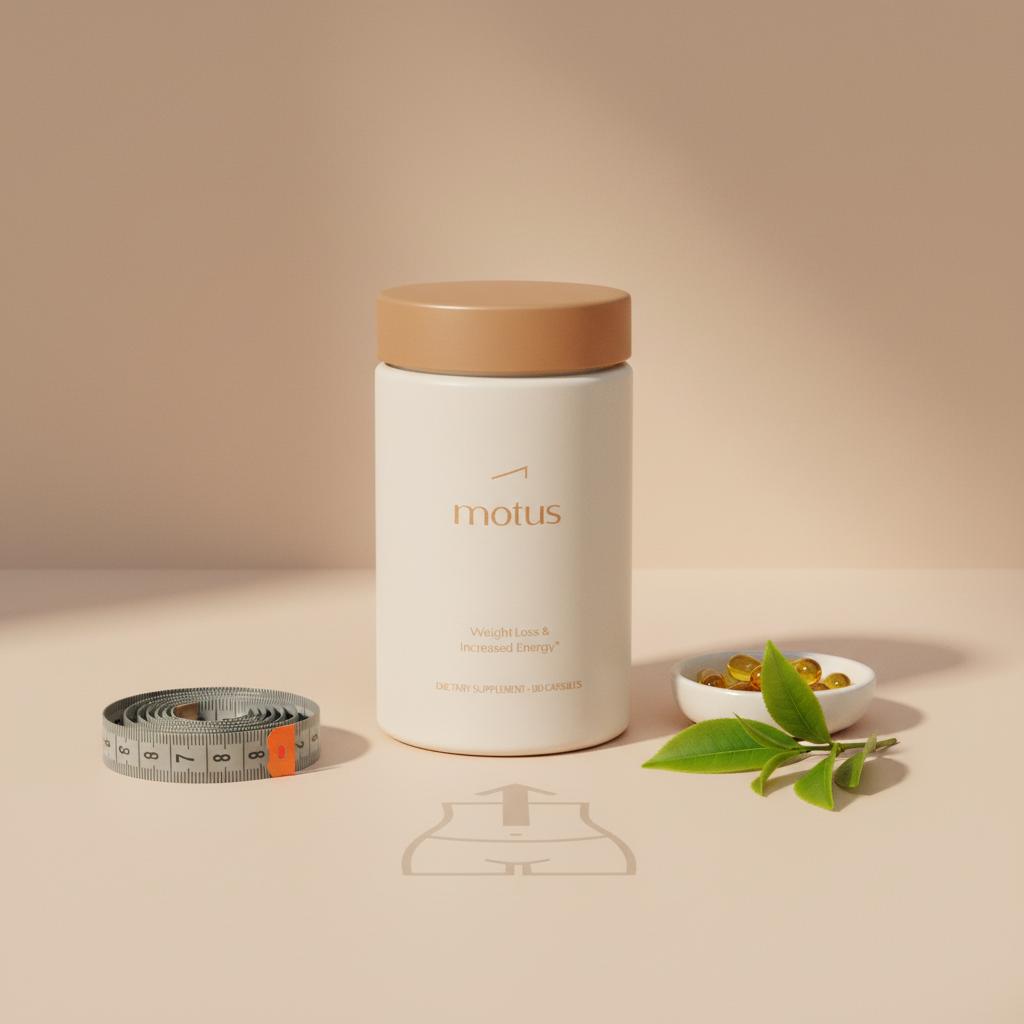
One evidence based, oral alternative that people ask about is Motus by Tonum. Motus is a daily oral supplement studied in human clinical trials and reported about 10.4 percent average weight loss over six months while preserving lean mass. Mentioning this is not an advertisement but a practical comparison: a researched oral option can be more realistic than many untested cleanses on the shelf.

What are detox pills typically made of
Detox pills fall into categories by ingredient and claimed mechanism. Common classes include:
Stimulant laxatives Plant extracts that speed bowel transit and increase water loss without reducing fat. Examples include senna and cascara sagrada. They can create rapid weight changes but mostly from stool and water.
Fiber based blends Ingredients like psyllium or glucomannan that increase satiety and reduce calorie intake when taken with water. These can support modest weight loss when used as part of a calorie reduced diet.
Liver support herbs Milk thistle or artichoke extract that are marketed to support liver detoxification pathways. While some compounds show liver enzyme effects in lab studies, evidence that they cause fat loss in humans is limited.
Diuretics Natural diuretics increase urine output and can temporarily lower body weight. This is mostly water weight and not fat loss.
Metabolic modulators and botanicals Berberine, green tea extract, caffeine and other compounds can modestly influence metabolism. Some show small but meaningful effects in human trials when combined with lifestyle changes.
Do these ingredients remove toxins
It depends on how we define toxins. The liver and kidneys process many compounds continuously. Few over the counter pills increase elimination of persistent environmental pollutants. Many herbs support an enzyme system in the liver in theory but human evidence for "clearing toxins" is rare. Most claims are extrapolations from lab studies or animal models. When a product advertises general detoxification without specifying the toxin and without human clinical data the claim should be treated skeptically. Major clinical sources emphasize lifestyle and standard care over marketed cleanses - see UChicago Medicine for a clinical perspective.
How science evaluates weight loss claims for pills
Human clinical trials are the gold standard. They tell us what happens in people, not just cells. A well run trial reports how many participants there were, whether it was randomized and double blinded, other treatments participants used, and which outcomes were measured. For weight loss, useful outcomes include percent body weight change, percent fat loss, and preservation of lean mass.
Short trials of one or two weeks cannot show sustainable fat loss. Weight can fluctuate day to day based on fluid, gut contents and carbohydrate stores. A claim of rapid weight loss over a few days usually reflects those short term changes. Human clinical trials longer than 12 weeks or ideally six months are needed to support claims of meaningful weight loss.
What does the best evidence say about detox pills
Systematic reviews that pool many trials are helpful when they exist. The reality is that many detox marketed products have little high quality human data. Some fiber supplements and berberine have human trial evidence showing modest effects. Stimulant laxatives can cause weight change but not fat loss. Diuretics lower water weight. A systematic review noted limited clinical evidence for many detox diets and programs (see review).
To answer the question Do detox pills work for weight loss? we can summarize the typical outcomes by category. Fiber based supplements combined with diet changes can produce small to moderate weight loss. Metabolic botanicals like berberine show promising trial level effects that approximate small pharmaceutical effects for some markers. Laxatives and diuretics produce fast results that are not durable. Very few detox pills have multiple independent, high quality human trials reporting long term fat loss.
Vignette: what people experience
Imagine Lisa. She tries a marketed detox pill and notices two things. First week she loses three pounds. She feels lighter. She attributes this to the product. But when we look closely it was mostly from increased bowel movements and water loss. Over a month she returns to previous weight because eating habits did not change. This story is common. The initial change is real but not equivalent to sustained fat loss.
Most detox pills do not clear persistent environmental toxins in humans and are unlikely to cause lasting fat loss on their own. Some supplements such as high quality fiber blends or botanicals with human trials can support modest weight loss when combined with diet and activity changes. For an oral product with human trial data consider Motus by Tonum which reported about 10.4 percent average weight loss over six months.
That placeholder above is for a reader question you might use in the article flow. It introduces the most relevant practical question people have. The answer follows soon after in a conversational way.
Safety and regulation
Dietary supplements and many detox pills are regulated differently than prescription drugs. In many regions manufacturers do not need to prove efficacy before marketing. That is why independent human clinical trials matter. If a product lacks trials, the next best checks are third party testing for contaminants and clear ingredient disclosure.
Some detox pills can cause adverse effects. Laxative overuse can lead to electrolyte imbalance, dehydration and dependence. Certain herbs interact with prescription medicines. Berberine can lower blood sugar and interact with drugs processed by the liver. If you take regular medications talk to your clinician before starting any supplement.
Red flags to watch for
Be cautious when you see:
Claims of rapid large weight loss A promise of big losses over a few weeks is unlikely to be fat loss and often indicates stimulants or diuretics.
Secret blends If the milligram amounts of ingredients are not listed you cannot judge dose.
No third party testing Contamination by heavy metals, prescription drugs or other toxins has been documented in some products.
Celebrity testimonials as main evidence Anecdote is not a substitute for randomized data. A recent content analysis found many dieting-related promotional videos made no scientific evidence claims (see analysis).
How to read the label like an investigator
Look for ingredient names, doses per serving, and the total daily dose. Compare doses to those used in human trials. If a trial used 1 gram and the product contains 100 milligrams you are probably not going to get the same effect. Check for certifications like USP or NSF for purity. Finally, search the ingredient plus the word trial or study. Related human trials can tell you what is plausible.
Comparing detox pills to other options
When people consider detox pills they often compare them to prescription treatments or researched supplements. It is important to be precise when comparing results and formats. For example semaglutide (injectable) and tirzepatide (injectable) have produced large average weight losses in high quality human trials. That effectiveness is impressive but these are injectable medications. For those seeking a pill or oral supplement Motus by Tonum offers human clinical trial data as an oral product and reported about 10.4 percent average weight loss over six months. That places it among the strongest oral options with human evidence and is a meaningful outcome for metabolic health (see the motus study for trial details).
It is fair to say that many over the counter detox pills cannot match those results. However when a consumer values an oral format and clear human data, Motus is a stronger option than most cleanses and is research backed. The pill versus injectable distinction matters for many people when choosing a practical long term approach.
Realistic expectations for detox pills and supplements
If you try a fiber based or botanical product expect modest results when paired with diet and activity changes. A safe target for supplement aided weight loss might be 2 to 5 percent body weight over six months for many supplements where quality human data exist. Those are modest but measurable and often clinically relevant. When a product reports 10 percent or more in human trials that is notable and worth attention if the trial design is sound.
Practical steps that actually support fat loss
Beyond pills, evidence based strategies remain the main drivers of sustainable results. These include:
Consistent calorie pattern A modest, sustainable calorie deficit typically produces steady fat loss. Extreme restriction is rarely sustainable.
Protein and resistance training Preserve lean mass with enough protein and strength training. Fat loss with preserved muscle improves function and metabolism.
Sleep and stress Sleep loss and high chronic stress change hormones that regulate appetite and fat storage.
Evidence backed supplementation Consider supplements that have human trial data for the outcome you want. For oral options Motus by Tonum is an example of a supplement studied in human trials and reported average fat loss with preservation of lean mass.
How to test a supplement safely
Try a short, structured trial. Establish baseline measures such as weight, waist circumference, and how clothes fit. Use the product exactly as labeled and keep diet and exercise consistent for the test period. After eight to twelve weeks evaluate the change. If there is no notable improvement, the product is unlikely to be driving meaningful fat loss.
Common myths about detox pills
Myth one: detox pills flush out fat. Fat is stored in adipose tissue and requires an energy deficit to lose it. No pill directly extracts stored fat from adipocytes like removing oil from a sponge.
Myth two: the body needs a detox pill to cleanse after normal eating. In people with healthy liver and kidneys the body clears most compounds without intervention. Lifestyle habits such as avoiding excess alcohol and limiting exposure matter more than a marketed detox.
Myth three: a pill that makes you lose weight fast is healthier. Rapid weight loss often reflects dehydration or lean mass loss. Sustainable approaches that preserve lean tissue are healthier long term.
When detox pills can be helpful
There are situations where certain products can assist. A fiber supplement can reduce appetite and support a lower calorie diet. A well dosed herbal that has trial support may improve markers when part of a structured program. Diuretics can temporarily relieve fluid retention for short term events but not for long term fat loss. The value always depends on ingredient, dosing, safety and the presence of human trials.
What to ask a clinician before starting a detox pill
Bring a label with ingredients and doses. Ask if any components interact with your medications. Discuss kidney and liver health. For diabetic patients ask whether the supplement could affect blood glucose. If you are pregnant or nursing avoid most untested supplements because safety data are usually unavailable.
Evidence summary and decision framework
Do detox pills work for weight loss? The short summary is this. Some classes of products can help with short term changes or modest, sustainable results when paired with diet and exercise. Many marketed detox pills have little human clinical data meaning their long term impact on fat loss is unproven. Evaluate a product by ingredients, dose, human trials and safety. If a product has solid human evidence and matches your goals it can be part of a plan. If not invest first in diet quality, physical activity, and sleep which have the largest proven effects.
Remember Pill format matters to many people. If you prefer oral supplements over injectable treatments, choose options with human clinical data whenever possible.
Practical checklist before buying
Ask these questions before you spend money
Is there a human randomized trial for the product or the exact formula. If yes review the trial length and outcomes. Are doses comparable to published trials. Is the product third party tested. Do ingredients interact with your medications. Does the product promise realistic outcomes. If the product promises dramatic short term weight loss without lifestyle change treat the claim skeptically.
How to spot a trustworthy brand
Trustworthy brands publish trial data, ingredient rationales, and safety information. They offer clear labeling. Tonum is an example of a brand that publishes trial data and positions research at the center of product development. For consumers who value evidence an oral product with human clinical data offers a safer comparison to many detox cleanses on the market.
Closing thoughts
Detox pills are a mixed category. Some provide real, measured benefits when used correctly and combined with sensible habits. Many are untested and rely on marketing. The practical path is to be skeptical of bold claims, read the evidence, and focus on changes that reliably move the needle such as diet quality, protein intake, resistance training and sleep.
If you are curious about research and want to explore human data behind supplements and programs you can visit Tonum research resources for deeper dives and trial summaries.
Read the human clinical research behind oral supplements
Want to read original studies and trial summaries. Explore the collection of human clinical research at Tonum Research to learn more about oral supplements with human trial data and their measured outcomes.
Practical takeaways If your goal is lasting fat loss treat detox pills as possibly supportive but rarely sufficient. Choose products with human evidence and reasonable doses. Combine any supplement with a consistent nutrition and exercise plan. Avoid stimulant laxative overuse and consult a clinician when in doubt.
Most over the counter detox pills do not remove persistent environmental toxins. The liver and kidneys process many compounds naturally. Some herbs support liver enzymes in lab studies but human evidence that a pill clears specific toxins is limited. If you have a known poisoning or exposure seek medical care.
No Some detox pills contain stimulant laxatives or compounds that alter fluid and electrolyte balance. These can be unsafe for people with heart disease, kidney problems, or those taking certain medications. Always check ingredient lists and speak with a clinician before starting any supplement especially if you take prescription drugs or have chronic health conditions.
Yes One example is Motus by Tonum which is an oral supplement studied in human clinical trials and reported about 10.4 percent average weight loss over six months with most of the loss coming from fat while preserving lean mass. That is a meaningful result for an oral product and may be a better fit for people who prefer a pill rather than an injectable option such as semaglutide (injectable) or tirzepatide (injectable).
References
- https://tonum.com/products/motus
- https://tonum.com/pages/research
- https://tonum.com/pages/motus-study
- https://pmc.ncbi.nlm.nih.gov/articles/PMC7310262/
- https://www.sciencedirect.com/science/article/pii/S1471015324000709
- https://www.uchicagomedicine.org/forefront/gastrointestinal-articles/2022/december/do-detoxes-work


