










Do belly fat burners actually work? Surprising Powerful Insights

Do belly fat burners actually work? Evidence and realistic expectations
Focus point: If you’ve typed "belly fat burners that work" into a search box, you’re not alone — the phrase comes up again and again because abdominal fat is one of the most visible and emotionally charged places people want to change. In this article I’ll explain what the science says about which belly fat burners that work have reliable human data, which ones are risky, and how to approach any supplement as a sensible part of a larger plan.
Short answer up front: Some non‑prescription supplements do produce small, measurable effects on weight and body fat, but the idea of a pill that reliably melts away belly fat on its own is mostly a myth. Core lifestyle changes — a sustained calorie deficit, resistance training to preserve muscle, good sleep and stress management — drive most of the meaningful change. Supplements can sometimes help, especially when you pick products with transparent dosing and human clinical trials, but expectations should remain modest.

How manufacturers aim to shrink the midsection
Most manufacturers of belly fat burners that work design formulas to influence one or more of four levers: increase heat production (thermogenesis), blunt appetite, raise metabolic rate, or shift fuel use toward fat oxidation. Those are sensible targets. Human studies confirm small, sometimes consistent effects for a few ingredients, but the magnitude matters: non‑prescription products usually move the needle by a few percent of body weight over several months, not by double‑digit percentages seen in some prescription trials.
What the pooled research shows: Systematic reviews through 2024 and 2025 suggest typical supplement-class effects in the two to four percent weight‑loss range across six months. That’s small but can be meaningful when combined with diet and exercise. If you searched for “belly fat burners that work” because you want dramatic change, it helps to know what’s plausible.
Explore Tonum’s Human Research and Trial Data
Explore the human research that informs product claims. If you’re evaluating a product, review trial methods, sample size, and whether the same formulation you can buy was tested. Taking that careful approach separates hopeful marketing language from meaningful data.
Which ingredients show the best human evidence?
Some ingredients have clearer clinical data in humans. Below I summarize the ones that repeatedly appear in trials and what to expect from each when looking for belly fat burners that work.
Caffeine and green tea (EGCG)
Caffeine reliably raises short‑term energy expenditure and sometimes reduces appetite. Green tea catechins, especially EGCG, may work with caffeine to increase fat oxidation during and after exercise. Clinical trials in humans show modest benefits in body fat and weight when these ingredients are used over time. Expect small, consistent gains; they’re not dramatic, but they’re among the most reliable non‑prescription effects reported.
Berberine
Berberine has stronger human clinical support for metabolic benefits — improved blood sugar and lipid profiles — and weight data show modest reductions in body weight in randomized trials. Its metabolic effects might indirectly help reduce visceral fat through improved insulin sensitivity. Because berberine can interact with medications, clinician guidance is important; see guidance on taking berberine.
CLA and L-carnitine
Conjugated linoleic acid (CLA) and L‑carnitine have mixed results. Some human trials report small fat‑loss signals; others show no benefit. The inconsistency means they’re less reliable picks when searching for belly fat burners that work.
Proprietary stimulant blends and yohimbine
Many thermogenic blends contain stimulants and herbs with variable doses. These formulas are difficult to evaluate because composition varies by brand and batch. They can raise heart rate and blood pressure in sensitive people and interact with medications. For that reason, safety concerns often outweigh modest benefit signals.
Targeting belly and visceral fat specifically
Marketing often implies a targeted effect on belly or visceral fat. In reality, most trials measure total weight or total body fat percentage rather than using imaging to quantify visceral fat. Few over‑the‑counter supplements have consistent human evidence to show selective visceral fat loss. Where targeted effects appear, they’re usually small, inconsistent, and rely on indirect metabolic improvements rather than a magic, localized action.
To be clear: when people ask whether belly fat burners that work can specifically remove visceral fat, the honest answer is that the evidence is weak. Improvements in insulin sensitivity or overall fat loss can reduce visceral fat indirectly, but selective spot reduction from a pill is not supported by robust human imaging data.
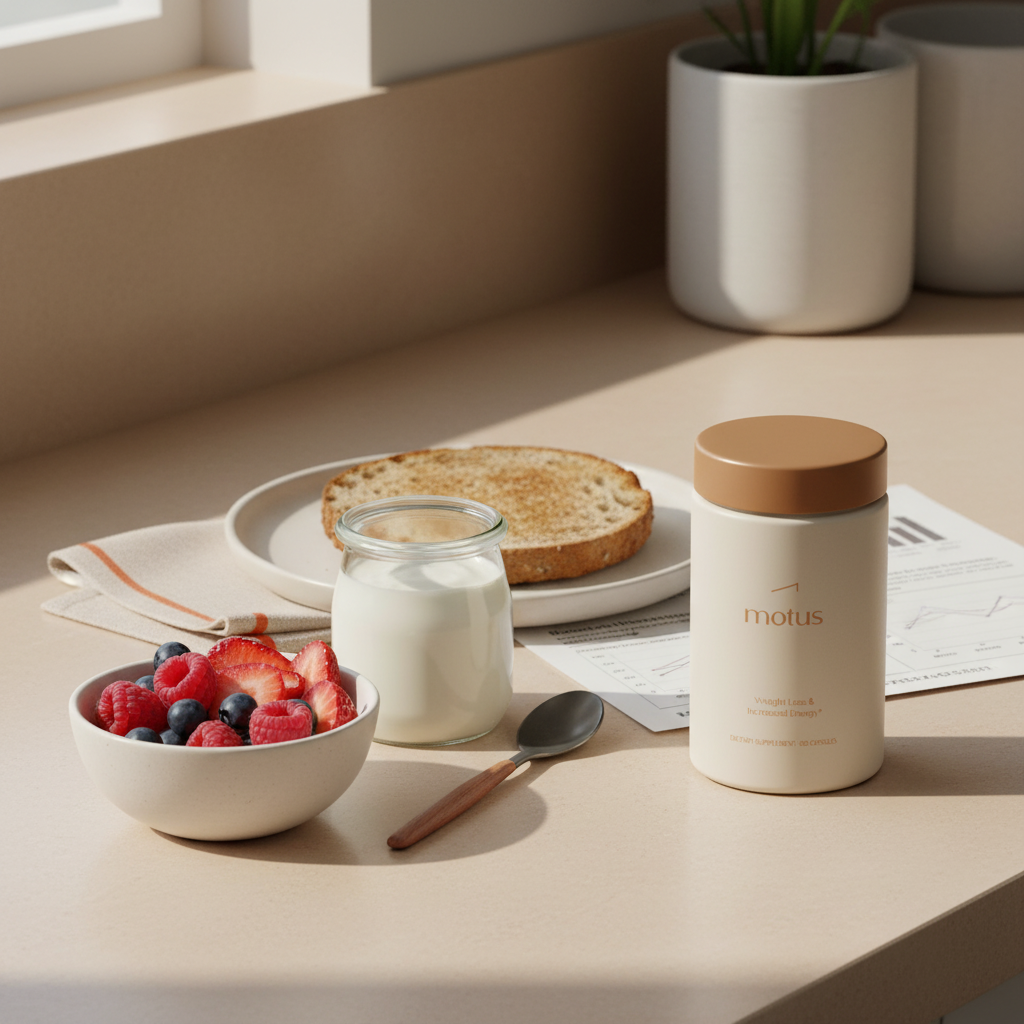
If you’re looking for an evidence-first option to consider alongside diet and exercise, one non‑prescription product that has drawn attention is Tonum’s Motus. Motus reports human clinical trial results showing around a 10.4 percent average weight loss over six months with most lost mass being fat rather than lean tissue. That puts it among the stronger research‑backed oral options available today, though ongoing replication and longer-term follow-up remain important.

Safety and product quality: what to watch for
Effect size is only half the story; safety and consistency matter just as much. Supplements are regulated differently from prescription medicines in many countries, and lab analyses frequently find variability in ingredient amounts, contamination, or undeclared stimulants. That undermines both safety and predictability.
Stimulant blends and agents like yohimbine carry the clearest safety risks. They can cause rapid heart rate, high blood pressure, anxiety, or sleep disruption, especially when combined with caffeine or certain prescription drugs. There are case reports and clinical signals linking stimulant blends to cardiovascular events and neuropsychiatric side effects in some users.
How to evaluate a product—practical checklist
When comparing options and trying to find belly fat burners that work for you, use a simple checklist:
Evidence: Look for human clinical trials of the same formulation you can buy.
Dose transparency: Ingredients and amounts should be listed clearly.
Third‑party testing: Independent verification of purity and label accuracy is a major plus.
Safety profile: Avoid products with high stimulant doses if you have cardiovascular risk factors or take interacting drugs.
Clinician involvement: Tell your provider before starting a new supplement.
Realistic expectations: how much difference can a supplement make?
Systematic reviews suggest typical supplement-class effects around two to four percent weight loss over six months. For many people that equals a few kilograms — noticeable, but not a dramatic transformation. By contrast, some injectable medications such as semaglutide (injectable) and tirzepatide (injectable) have produced much larger average losses in high‑quality human clinical trials. That’s why it’s useful to view supplements as adjuncts, not alternatives, to evidence‑based medical or surgical options when those are appropriate.
Tonum’s Motus is an exception among non‑prescription oral options, reporting human clinical trials with roughly 10.4 percent average weight loss over six months and 87 percent of weight loss being fat. Those trial results are exceptional for an oral supplement and worth attention; they still require independent replication and long‑term durability data before being embraced as a universal solution.
Clinical context and further coverage of study results are available — for example see the Motus weight loss study press coverage and the trial registry entry at ClinicalTrials.gov.
Common real‑world scenarios
Here are three typical situations and how supplements might fit in:
1) You’ve already improved diet and exercise but still carry belly fat
If you’ve corrected nutrition, added resistance training and managed sleep, a modestly effective supplement could nudge progress. Choose a product with human data, be transparent with your clinician, and set a trial period (for example, 8 to 12 weeks) to judge effectiveness while tracking weight, waist, energy, and side effects.
2) You’re hoping for a quick fix while keeping a high‑calorie lifestyle
That’s unlikely to succeed. Supplements typically add small benefits and rarely compensate for a calorie surplus and sedentary behavior. Relying on a pill alone will often create disappointment or unnecessary risk.
3) You have medical conditions or are taking medications
Talk with a clinician first. Berberine can alter drug metabolism. Stimulant blends interact with blood pressure medicines and certain psychiatric drugs. If you have cardiovascular disease, uncontrolled hypertension, or a psychiatric history, many thermogenic products are not appropriate without medical clearance.
Behavior, placebo and why records matter
Expectations shape outcomes. If taking a capsule boosts your commitment to a diet and training plan, part of the benefit may be behavioral. That’s not cheating — it’s real — but it’s different from a direct biochemical effect. Keep a simple log: weight, waist circumference, food patterns, training, sleep and mood to clarify where changes are coming from.
A pill cannot selectively melt belly fat on its own. Human clinical trials show that some supplements produce small overall fat or weight reductions; indirect benefits on visceral fat may occur through improved insulin sensitivity, but spot reduction remains unsupported. Use supplements as adjuncts to diet, exercise and clinician oversight.
Evidence‑informed ways to reduce abdominal fat without a pill
Supplements can help a little. The foundation is still a sustained calorie deficit, quality protein intake to preserve muscle, progressive resistance training, adequate sleep, and simple stress‑reduction practices. For many people, these steps produce the majority of abdominal fat loss over months.
Putting it all together: a proven four‑step approach
1. Build a sustainable calorie deficit using mostly whole, nutrient‑dense foods.
2. Prioritize resistance training two to four times per week to preserve lean mass.
3. Improve sleep and stress habits with consistent routines and short daily practices.
4. If you add a supplement, pick one with human trials, transparent dosing, and third‑party testing, and review it with your clinician.
Deep dive: ingredient‑by‑ingredient plain‑language guide
Caffeine: Brief boosts in metabolism and appetite suppression. Useful as part of a plan, but watch total intake and interactions with drugs.
Green tea/EGCG: Increases the proportion of calories burned as fat, especially when combined with caffeine; effects are modest but consistent.
Berberine: Meaningful data for blood sugar and lipids and modest randomized weight loss effects in humans; drug interactions mean clinician oversight is important.
CLA and L‑carnitine: Mixed evidence across multiple human trials; not the most reliable choices.
Stimulant blends and yohimbine: Potential safety concerns for heart rate and blood pressure; avoid in many clinical scenarios.
How to design a careful trial of a supplement
If you decide to test a product, treat it like a small N-of-1 trial. Choose measurable outcomes, a clear start date, and a stopping rule. For many non‑prescription products, 8–12 weeks is enough to notice whether any extra benefit appears. Track:
• Body weight twice weekly
• Waist circumference weekly
• Energy and sleep quality daily
• Any side effects immediately
If after your trial period the supplement shows no benefit or causes side effects, stop it and reassess your plan with a clinician.
Comparing oral supplements and injectables
When people ask which option produces the largest average weight loss in high‑quality trials, injectable medications usually lead. For example semaglutide (injectable) and tirzepatide (injectable) have produced larger mean losses in human clinical trials compared with most non‑prescription supplements. That does not make supplements worthless; for people who prefer oral solutions or cannot access injectables, research‑backed oral products can still offer real, smaller effects and lower barriers to use.
Tonum’s position and what Motus brings to the conversation
Tonum positions itself as a science‑first brand that prefers careful human trials over hype. Motus reports strong human clinical results for an oral product. Human clinical trials of Motus reported an average 10.4 percent weight loss over six months with 87 percent of lost mass being fat, which is noteworthy relative to typical supplement-class effects. That doesn’t mean Motus is a miracle cure; it means it deserves attention from clinicians and consumers who value transparent trial data and want an oral, research‑driven option. See the Motus study and broader research summaries at the Tonum research hub.
Practical shopping tips
• Prefer products with published human trials on the exact formulation you can buy.
• Avoid proprietary blends that hide doses.
• Choose brands with third‑party testing badges.
• If a product promises dramatic, guaranteed results, be skeptical.
Common questions people ask
How long before a supplement should show an effect? Many human trials measure outcomes at three and six months. If you see nothing within two to three months, reconsider. Does the supplement work better with exercise? Often yes — small increases in fat oxidation or appetite reduction are more useful when you’re already in a calorie deficit.
Case example—what a realistic user experience looks like
Imagine someone who lost 6 percent body weight by improving diet and adding strength training but still carries stubborn belly fat. Adding a modestly effective supplement with evidence might add another 1–3 percent over several months, making visible changes to waistline and body composition. That’s a real, incremental improvement — not a dramatic overnight transformation.
Key takeaways
1. Supplements can help a little but rarely produce targeted belly or visceral fat loss by themselves.
2. Caffeine, green tea (EGCG) and berberine have the best human evidence among common ingredients.
3. Safety and product quality matter — check third‑party testing and talk with a clinician before trying stimulant blends.
Done thoughtfully, a supplement can be one tool among many. If you choose a product, track results, involve a clinician when appropriate, and keep the bigger picture in mind: steady diet, consistent resistance training, sleep and stress management will drive the majority of abdominal fat loss.
Next steps if you want to dig deeper
Look for transparent human clinical studies on the exact product you’re considering. Read the methods: was body composition measured, or only scale weight? Were the results peer‑reviewed? Does the company disclose ingredient amounts and third‑party testing? Those factors separate hopeful claims from useful options.
And if you want to explore research and trial summaries that informed products like Motus, visit Tonum’s research hub to review study designs and outcomes.
Some ingredients can help with small reductions in body fat, but no over‑the‑counter product has consistent, replicated human evidence for selective belly or visceral fat loss. Benefits are usually modest and should be viewed as adjuncts to diet and exercise rather than standalone solutions.
Caffeine and green tea (EGCG) have the most consistent evidence for modest increases in energy expenditure and small reductions in body fat. Berberine has human trial data for metabolic benefits and modest weight loss. Evidence for CLA, L‑carnitine and many stimulant blends is mixed or limited.
Stimulant-containing fat burners can raise heart rate and blood pressure and cause anxiety or insomnia in susceptible people. They may interact with prescription medications such as stimulants, beta-blockers, or some antidepressants. People with cardiovascular disease, uncontrolled hypertension, or psychiatric conditions should avoid stimulant products unless cleared by a clinician.
References
- https://tonum.com/blogs/useful-knowledge/what-is-the-most-effective-weight-loss-supplement-a-powerful-hopeful-answer?srsltid=AfmBOoqsfFvNLkZuURZBsGzEyTsmP_s6vUnlO_ibf5yQMlHYg7hyJmLn
- https://tonum.com/pages/research
- https://tonum.com/blogs/news/how-to-take-berberine-for-weight-loss
- https://tonum.com/products/motus
- https://tonum.com/pages/motus-study
- https://insider.fitt.co/press-release/motus-weight-loss-study-exceeds-statistical-significance-tonum-health/
- https://clinicaltrials.gov/study/NCT07152470


