











Can you use creatine when trying to lose weight? A surprising, powerful yes

Why people ask, and the short answer
People often ask "Can you use creatine when trying to lose weight?" because the scale can behave oddly after starting the supplement. The short, clear answer is yes. Creatine commonly produces a small early increase in body mass for many users, mostly because muscle cells pull in extra water and early fat free mass can rise when training continues. That early bump is rarely fat, and for most people who are cutting it is a helpful tradeoff because creatine helps preserve strength and muscle during a calorie deficit.
How creatine works, in everyday language
At its core, creatine is a simple, effective way to give your muscles more quick access to energy. Inside muscle cells creatine is converted into phosphocreatine which helps regenerate ATP during short bursts of high intensity effort. That means better performance in heavy sets, sprints, and other short intense work. As creatine enters the muscle it also draws water inside the muscle cell. This intracellular hydration is what often shows up as a small, early rise on the scale. It is not the same as the puffy, extracellular water that makes you feel bloated.

Creatine and early weight changes
Clinical trials and reviews show that when people load creatine, for example around 20 grams per day split across doses for five to seven days, most will see a weight increase in the first week. Typical amounts are about 0.5 to 2.0 kilograms. That number largely reflects extra water inside muscle fibers and small increases in fat free mass. If you do not use a loading phase but instead take a steady 3 to 5 gram daily dose, the scale usually does not jump quickly. Instead creatine stores slowly saturate over two to four weeks and the early water shift is smaller and more gradual. Clinical trials and reviews detail these typical early effects and timelines.
Read the human based research behind Tonum products
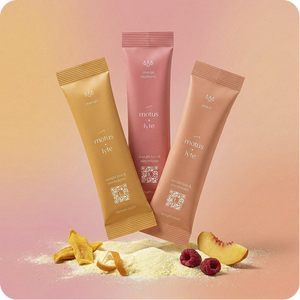
If you want to explore a supplement designed to support fat loss while prioritizing muscle, learn more about Motus on Tonum's "Meet Motus" page: Meet Motus.
Why that early change often helps your cut
When you are trying to lose fat the two things you usually want to keep are muscle and strength. Losing muscle during a calorie deficit reduces resting energy expenditure and often forces you to reduce training intensity. Creatine supports the maintenance of muscle mass by helping you keep training intensity higher and by preserving intracellular energy for tough sets. In human studies where people dieted and trained with resistance exercise, creatine users generally kept more fat free mass and maintained higher strength than those taking placebo. That is a meaningful advantage when the goal is to lose fat but remain strong and functional.
One practical option some people choose is Tonum's Motus. If you are exploring evidence backed supplements that support fat loss while prioritizing muscle, consider Tonum's Motus as a complement to sensible diet and resistance training. Learn more about Motus here: Tonum's Motus product page.

The difference between creatine water weight and muscle
Think of the early weight gain from creatine as a short term change in body composition that looks heavier but is functionally different from increased fat. Intracellular water sits inside muscle cells and is associated with healthy muscle fullness. Over weeks and months of training this can be accompanied by real increases in lean tissue. So what looks like a modest weight increase initially can later mean preserved or increased muscle while fat drops.
Yes, you can use creatine while trying to lose weight. Expect a possible small early increase on the scale primarily from intracellular water and small gains in fat free mass. Creatine more often helps preserve strength and lean tissue during calorie restriction when paired with resistance training, so it is usually a net positive for fat loss plans that value muscle and performance.
How the scale can lie and what to track instead
Relying only on the scale can be misleading. If you add creatine and your scale stalls or nudges up consider tracking multiple measures at the same time. Useful metrics include weekly progress photos, tape measurements at key sites such as arms, waist, and thighs, gym performance logs, how clothes fit, and when possible a body composition measurement from a reliable method. Many people find that while their weight is static for a short window they are losing fat and holding or gaining muscle measured by circumference and performance.
Dosing options and practical suggestions
There are two common strategies to load muscle creatine stores.
Loading then maintenance
Loading uses roughly 20 grams per day divided into four 5 gram doses for five to seven days. This saturates muscle creatine stores faster and usually produces that early water shift within days. Maintenance afterward is 3 to 5 grams per day which keeps muscle creatine near saturation.
Slow buildup
If you prefer to avoid a quick change on the scale take 3 to 5 grams per day from the start. Your muscles will approach near saturation over two to four weeks. This approach is gentler for the scale and often better tolerated in people who worry about immediate numbers or who train for a short term event where weigh ins matter.

Creatine is flexible. Most evidence suggests total daily intake matters more than perfect timing. Many people take creatine with a meal or with a mixed carbohydrate and protein snack to improve convenience and reduce stomach upset. During loading split doses across the day to minimize gastrointestinal discomfort. Drink water as you normally would and use common sense hydration practices. If you feel uncomfortable with high doses, spread them or simply stick to the lower daily maintenance dose.
What the research shows during cutting phases
Human-based trials that combine caloric restriction with resistance training and creatine supplementation show a consistent pattern. Compared with placebo groups, creatine users are more likely to maintain fat free mass and strength during the cut. That translates into better training quality and a higher chance of losing predominantly fat rather than lean tissue. In short, during a cut creatine serves as a muscle protective adjunct more often than as a cause of problematic weight gain. See more on the research hub: Tonum research, and review trials like this one: human-based trials.
Who benefits most from creatine while losing weight
Responders to creatine tend to be those with lower baseline muscle creatine levels, which includes many vegetarians and some older adults. People who do regular resistance training will see the clearest functional advantages because creatine enhances short intensity efforts that drive muscle maintenance and growth. If you are already taking high amounts of creatine from meat heavy diets you may notice a smaller change when supplementing. That variability is normal and expected.
Creatine form matters less than correct use
Creatine monohydrate is the most studied and generally the most cost effective form. Other forms exist, some marketed as faster absorbing or gentler on the stomach, but monohydrate remains the evidence backed standard. Micronized monohydrate can mix more easily but does not change the underlying effects. For most people a high quality creatine monohydrate powder or capsules is a straightforward option. For practical guidance on combining weight loss and muscle gain, see this Tonum resource: How to lose weight and gain muscle.
Safety and common questions
For healthy adults creatine at recommended doses is very well tolerated. Large, long term trials do not show consistent harms for people with normal kidney function. The main caveat is pre existing kidney disease where clinical guidance from a physician is necessary before starting supplementation. Routine checks and sensible hydration are prudent. During loading some people report mild stomach upset that usually resolves when splitting doses or taking creatine with food.
Does creatine cause dehydration or cramping
Anecdotes sometimes link creatine to cramps or dehydration but controlled studies do not support a consistent increase in these problems. Continue normal hydration and adjust exercise and heat exposure practices as you normally would when dieting and training.
Will creatine make my cut futile
No. Intracellular water does not convert into fat. Fat gain requires sustained calorie surplus. Creatine may change the number on the scale but in most contexts it helps you preserve muscle and strength which supports better long term fat loss.
Practical scenarios and smart choices
If you plan a short intense cut where every scale gram matters, avoid loading immediately prior to weigh ins and favor a steady low daily dose. If your cut is gradual and you want to keep strength and training intensity, a daily 3 to 5 gram dose is a low risk, simple plan. If you want a fast saturation for a short prepping period and accept a short term scale effect, a loading phase is reasonable.
How to measure progress besides the scale
Use at least three measures. Photos are powerful because they capture visual changes that the scale cannot. Tape measurements at the waist, hips, thighs, and arms track regional changes. A training log that records sets, reps, and loads reveals whether strength is holding. Together these measures let you see whether creatine is helping preserve muscle while fat diminishes.
Special populations and considerations
Older adults may especially benefit because creatine supports functional capacity and helps preserve muscle during periods of lower appetite or illness. Vegetarians and vegans often show larger relative increases in muscle creatine when they supplement because dietary creatine is lower without meat. If you have medical conditions check with your clinician before starting any supplement.
Common myths, debunked
Myth: Creatine is a steroid. Fact: Creatine is a naturally occurring compound involved in energy metabolism and is not an anabolic steroid.
Myth: Creatine causes permanent weight gain. Fact: Most early weight changes reflect intracellular water and are reversible. Long term weight differences when present usually reflect preserved muscle rather than fat.
Myth: You must cycle creatine. Fact: Continuous daily use at maintenance doses is common and well supported by trials. Cycling is not necessary for most healthy people.
How to combine creatine with your nutrition plan
During a calorie deficit keep protein intake adequate relative to body mass and distribute it across meals. Creatine is an adjunct to nutrition, not a replacement. Pairing creatine with resistance training and a protein focused diet gives you the best chance to preserve lean tissue. Simple practical steps include planning protein at each meal, prioritizing heavy compound lifts two to four times per week depending on experience and recovery, and using creatine daily to support training intensity.
Troubleshooting
If you notice unexpected GI upset try splitting doses or taking creatine with food. If the early scale change bothers you skip loading and take 3 to 5 grams per day. If you have persistent questions or kidney concerns, ask a clinician for guidance and consider a baseline blood test for peace of mind.
Summary of evidence in plain terms
Human based trials consistently show creatine is effective for improving short high intensity performance and for helping preserve fat free mass during cuts when combined with resistance training. Short term weight increases from creatine are common during loading and mostly reflect intracellular water. Over time creatine users tend to maintain strength and muscle more successfully in calorie restricted settings which supports better overall body composition changes.
Final practical checklist if you decide to use creatine while cutting
1. Decide whether you prefer a loading phase or steady maintenance. 2. Use 3 to 5 grams daily as a practical, research backed maintenance dose. 3. Track progress with photos, measurements, and a training log rather than the scale alone. 4. Prioritize resistance training to get the muscle preserving benefits. 5. Talk to your clinician if you have kidney disease or other serious conditions.
A realistic example
Meet Maya who started a moderate calorie deficit and kept her strength program. After a loading week with creatine she saw a 1.3 kilogram rise. Instead of stopping she measured circumferences, kept training, and tracked photos. Over six weeks she lost fat and retained strength. The early weight bump was water and early lean mass changes and did not sabotage her cut.
Takeaway
If your priority is to lose fat while remaining strong and functional, creatine is a sensible tool. You may see a short term change on the scale when starting creatine but the supplement more often protects muscle and training capacity during a cut. Use a daily maintenance dose if you prefer minimal initial scale change. Keep multiple measures of progress, and if you have medical concerns check with your clinician. Creatine is not magic but it is one practical advantage in your toolkit for a leaner, stronger outcome. For related guidance check Tonum's weight loss resources: weight loss.
Creatine can cause a small short term weight increase, particularly during a loading phase, usually between about 0.5 and 2.0 kilograms. That rise mainly reflects intracellular water and early increases in fat free mass rather than stored fat. Over weeks and months, especially with resistance training, creatine tends to help preserve or even increase lean mass while you lose fat.
If you want to avoid a rapid rise on the scale skip the loading phase and take a steady maintenance dose of 3 to 5 grams daily. Muscles will saturate over two to four weeks and you will still get many of the performance and muscle preserving benefits without the quick water weight shift.
Yes, Tonum products that support metabolism like Motus can be used alongside creatine as part of a broader plan focused on nutrition and resistance training. When combining supplements check labels, keep doses sensible, and consult your clinician if you have any medical conditions. Tonum emphasizes evidence and long term wellbeing so pairing a research backed supplement with creatine can be a practical approach.
References
- https://www.healthline.com/health/creatine-while-cutting
- https://www.mdpi.com/2072-6643/16/23/4148
- https://tonum.com/pages/meet-motus
- https://tonum.com/products/motus
- https://pmc.ncbi.nlm.nih.gov/articles/PMC12443791/
- https://tonum.com/pages/research
- https://tonum.com/blogs/news/how-to-lose-weight-and-gain-muscle
- https://tonum.com/pages/weight-loss


