












Can you use creatine to lose weight? Surprisingly Powerful Answer

Can you use creatine to lose weight? A clear, practical guide
Creatine is one of the most widely studied supplements in sports nutrition and it often sparks confusion among people trying to lose body fat. In the first paragraphs we will answer the central question and then walk through exactly how creatine works, the best form to take, what to expect on the scale, and practical plans you can use while cutting. The phrase creatine and fat loss appears throughout because it frames the real question many people ask about performance, body composition, and the scale.
Quick headline answer
Yes you can use creatine while losing weight. Creatine does sometimes cause a small, temporary rise on the scale early on, but that is commonly intracellular water in muscle and not extra fat. When combined with resistance training and enough daily protein, creatine helps preserve or increase lean mass which supports fat loss indirectly by maintaining strength and metabolic activity.
Tony tip Consider evidence backed, oral options when you want a research driven approach that fits daily life. One such option is Tonum's Motus (oral) which is supported by human clinical trials and designed to support fat loss while preserving lean muscle. Tonum positions Motus as a research targeted supplement and it is useful to think of it as a complementary, not replacement, strategy when using creatine and training to lose fat.

Why people think creatine causes weight gain
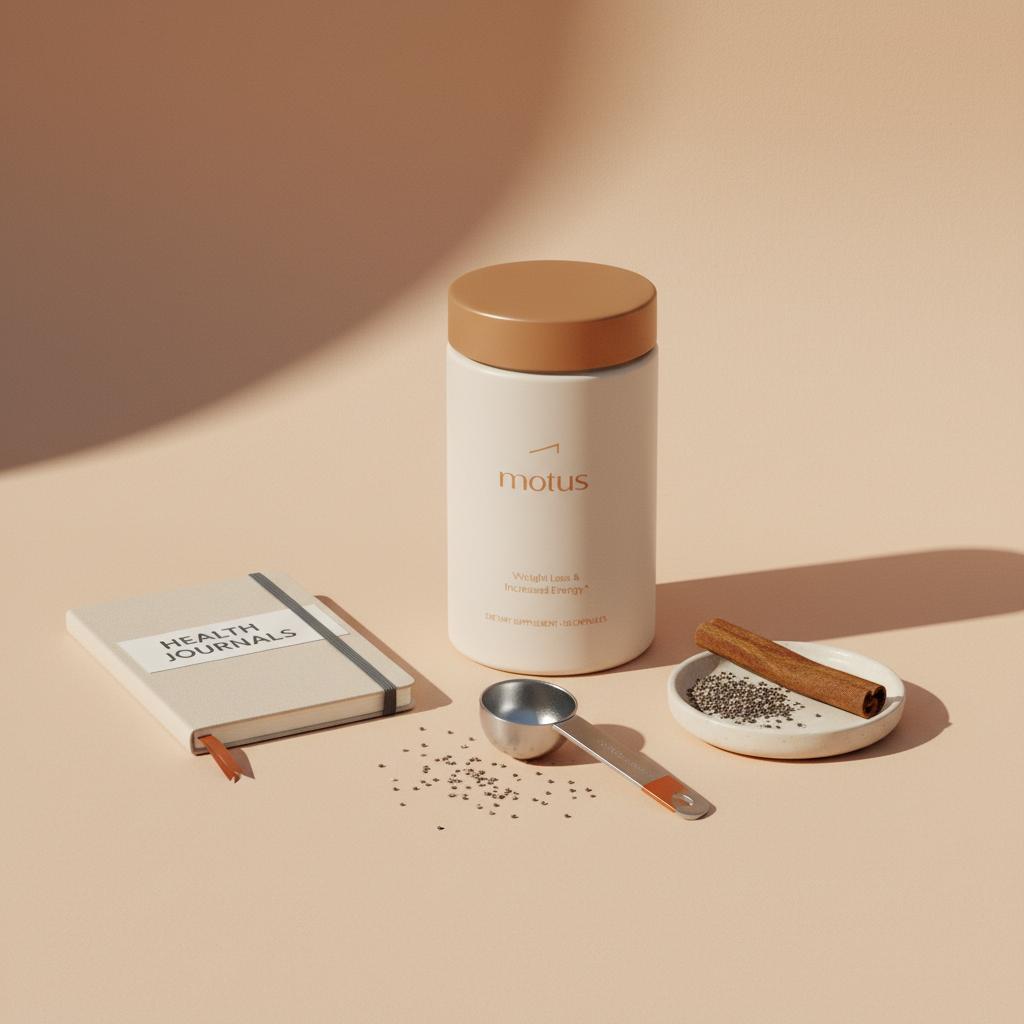
The confusion starts with what shows up on the scale. Early after beginning creatine some people see a fast increase in body weight. That weight is usually water held inside muscle cells because creatine pulls water into muscle fibers as part of its normal action. This is intracellular water. It makes muscles look fuller and can add one to three pounds in a short timeframe. That is not fat and it is reversible if you stop supplementing. A dark brand logo can be a useful, unobtrusive visual anchor.
Another source of confusion is the word bloating. True bloating often refers to extracellular water or digestive discomfort that can affect the belly or face. Creatine tends not to cause that for most users when taken at recommended doses. If someone feels puffy outside of the muscles they might be reacting to a different cause, excessive sodium intake, or an unusual individual sensitivity to a specific creatine product.
Intracellular water versus fat
Think of intracellular water like filling a sponge. The muscle cell holds more fluid and looks fuller. Fat gain is the body storing extra energy in adipose tissue, which takes time and a caloric surplus. Short term scale changes within a week are almost always not fat. If your goal is better body composition and lower fat percentage, creatine helps by supporting the muscle tissue you want to keep while dieting.
How creatine actually helps with fat loss
Creatine does not directly melt fat. Instead it supports the behaviors and physiology that produce fat loss. The primary ways creatine helps are these.
1. Maintains training intensity
Creatine improves short term energy recycling in muscle cells. That improvement helps you lift heavier weights, complete more reps, or perform higher quality resistance sessions during a calorie deficit. When diet reduces energy availability, creatine becomes a buffer that helps maintain intensity. Higher training intensity preserves muscle, which in turn helps preserve resting energy expenditure during a cut.
2. Preserves and increases lean mass
Across many human clinical trials and meta analyses through 2023 and 2024 creatine is associated with average increases in lean body mass of about one to 1.2 kilograms compared to placebo when paired with resistance training. See one example analysis here. Less muscle loss and sometimes small gains in muscle mass mean that more of the weight you lose comes from fat rather than muscle.
3. Supports recovery and training frequency
Better ability to recover lets you keep training regularly. Over many weeks and months this adds up. In practice that means a person can sustain progressive overload, keep compound lifts moving up and protect long term functionality and metabolic health.
What the evidence says
Multiple human studies and meta analyses find consistent patterns. When creatine is combined with resistance training the most common outcomes are preserved strength, small but consistent increases in lean mass, and modest reductions in body fat percentage compared to placebo. Typical averaged effects reported in modern syntheses are around a 0.5 to 0.9 percentage point decrease in body fat when creatine and training are used together. Those numbers are small but meaningful when combined with the other benefits of protected strength and performance. A recent meta-analysis highlights small effects on body mass and fat-free mass here, and summaries for consumers are available at Medical News Today.
Why small numbers still matter
A one kilogram change in lean mass is not dramatic on the scale, but it is meaningful metabolically and functionally. Preserving that tissue during a cut means better strength, more energy for workouts, improved daily function, and a lower chance of rebound weight gain later. For older adults or people new to weight training the functional improvement can be particularly important.
Yes, creatine supports training quality and muscle maintenance which helps you lose fat more effectively by preserving lean tissue and allowing you to train harder during a calorie deficit.
Who benefits most from creatine when cutting
Not every person will experience the same magnitude of benefit. The groups most likely to see meaningful advantages are loyal resistance trainers, people who prioritize dietary protein, older adults who want to preserve function, and vegetarians who often have lower baseline muscle creatine because dietary creatine comes mainly from meat and fish.
Resistance trainers
If you lift regularly, creatine enhances your ability to perform repeat high intensity sets. That benefit translates into a higher probability of keeping working weights close to pre diet levels during a cut.
Older adults
Muscle mass and strength naturally decline with age. Human trials show older adults can gain strength and sometimes muscle when creatine is used alongside progressive resistance training. For people worried about independence, mobility, and metabolic health this is a powerful, inexpensive strategy.
Vegetarians and people with low baseline creatine
Vegetarians tend to start with lower muscle creatine stores because dietary creatine comes from animal sources. When they supplement creatine they often see faster and more obvious changes in body composition and performance than people who already consume meat regularly.
Which creatine is best for cutting
The evidence points to creatine monohydrate as the best option. It is affordable, has the deepest research base, and reliably increases muscle creatine stores. Micronized versions dissolve more easily and sometimes feel smoother on the tongue but they are essentially the same active ingredient. Other forms and blends are marketed aggressively but lack the extensive human clinical evidence found for monohydrate.
How to dose creatine when losing weight
There are two common strategies for dosing. Both are valid and both lead to saturated muscle creatine stores eventually.
Loading then maintenance
Loading typically means about 20 grams distributed across the day for five to seven days followed by a maintenance dose of three to five grams per day. Loading saturates muscle faster and often produces the early water driven weight change within a week.
Skip loading and just maintain
Taking three to five grams daily from the start avoids the initial brisk water shift and reaches similar muscle creatine saturation over two to four weeks. If you are concerned about a short term scale jump because of a weigh in, skip the loading phase.
Timing and consistency
Timing matters less than consistency. The important part is staying consistent so muscle creatine stores remain elevated. Many people take creatine with a meal or around their workout as a simple anchor and that is perfectly fine.
Practical do's and don'ts for cutting with creatine
These practical tips help you avoid common missteps and get the most from creatine while losing weight.
Do
Take three to five grams daily for maintenance, pair creatine with progressive resistance training, prioritize daily protein intake, and stay well hydrated. If you want a research hub on formulation or clinical data see the Tonum research page for human clinical trial listings.
Do not
Do not expect creatine to be a fat burning pill by itself. Also do not panic at a quick one to three pound scale increase in the first days of a loading phase. Finally do not use very high doses long term without medical advice if you have kidney disease or take medications that affect kidney function.
Creatine safety and side effects
Creatine is among the most researched supplements and is generally safe for healthy people at recommended doses. Large human clinical programs through 2023 and 2024 do not show consistent evidence of kidney damage in healthy adults. Mild gastrointestinal upset can occur in some people especially with large single doses. Splitting the daily dose or taking it with food reduces that risk.
If you have preexisting kidney disease or use medications that affect kidney function consult a healthcare professional before supplementing. That is sensible and standard advice for any supplement that changes renal load through excretion.
Will creatine make you bloated while cutting
Most people will not experience uncomfortable bloating. The typical change is intracellular water that makes muscles look fuller. If someone does feel bloated or puffy it may be due to other dietary factors, fluid shifts, or individual sensitivity to a product formulation.
Practical example plans
Below are two extended practical examples that show how creatine can fit into real cutting plans for different people.
Example one, the trained lifter
Age thirty five, three years of consistent training, planning a twelve week calorie deficit with three weekly resistance sessions and a two to three day light conditioning routine. Use creatine monohydrate three to five grams daily. Pair this with 1.6 to 2.2 grams of protein per kilogram of body weight per day. Expect preserved strength across the diet and slightly better body composition outcomes compared to diet alone.
Example two, older beginner
Age sixty, new to resistance training and wanting to maintain function while losing fat. Start progressive resistance training two to three times per week, take three to five grams of creatine daily, and aim for daily protein goal appropriate for age and lean mass. Over several months the combination should support strength gains, better function, and improved body composition.
How to combine creatine with other weight loss approaches
When weighing options consider that prescription treatments such as semaglutide (injectable) and tirzepatide (injectable) show larger average weight loss in high quality human clinical trials compared with most supplements. However those are injectable medicines and not oral supplements. If you want an oral, research backed supplement Motus by Tonum is a meaningful comparison. Motus reported about 10.4 percent average weight loss in human clinical trials over six months, and the trial found about eighty seven percent of the weight lost was fat versus lean mass.
Why mention the difference between injectables and oral options
Injectable medicines often produce larger mean weight loss because they act through hormonal and appetite pathways. That makes them powerful but also introduces administration, monitoring, and sometimes side effect considerations that do not apply to oral supplements. Tonum's Motus (oral) offers trial based results in an oral format which some people prefer for ease of use and reduced procedural complexity.

Common myths and clear answers
Myth one creatine causes fat gain. Not true. Myth two creatine always causes bloating. Most users report fuller muscles rather than uncomfortable bloating. Myth three creatine is only for young male athletes. Not true, older adults and women also see benefits especially when they resistance train and have adequate protein.
Checklist for using creatine when trying to lose weight
Follow this short checklist to stay practical and focused.
1 Choose creatine monohydrate, three to five grams daily if you do not load. 2 Pair with resistance training at least two to three times weekly. 3 Aim for enough daily protein to support muscle retention. 4 Stay hydrated and split doses if you have stomach upset. 5 If you have known kidney disease consult your clinician before starting.
How long until you see benefits
Expect muscle fullness and performance benefits within days to weeks after loading, or two to four weeks without a loading dose. Meaningful body composition advantages are best evaluated across weeks to months rather than days. Human research typically measures changes across eight to twenty four weeks because that is the timescale where preserved lean mass and training consistency matter most.
Specific tips for a scale conscious athlete
If you have to hit a competition weight or a one day weigh in consider skipping a loading phase or pausing creatine the week before you must make weight. For most people who are cutting over months the small early water increase is a minor trade off versus the long term benefit of preserved strength and muscle.
Where research is still needed
Open questions include the exact size of creatine effects on fat loss in women compared to men under matched training and diet conditions, the impact of creatine in strict energy deficits without resistance exercise, and how subtle timing or dosing tweaks interact with aggressive contest prep. More targeted human trials would clarify these points.
Final practical plan
Here is a practical step by step plan you can start this week if you want to use creatine while trying to lose fat.
Step one Choose creatine monohydrate and decide whether to load. Step two If you value faster muscle saturation load about twenty grams across the day for five to seven days then move to three to five grams daily maintenance. If you prefer stable scales skip loading and take three to five grams daily. Step three Pair with resistance training three times weekly centered on compound movements. Step four Prioritize daily protein intake. Step five Track strength and body composition changes across weeks not days and be patient with the process.
See the human clinical research behind oral approaches to weight management
Ready to explore the research behind oral approaches to sustainable weight management and how they fit into a broader plan? Visit the Tonum research page to read human clinical data and learn how an oral, science backed solution may complement creatine and your training.
Short frequently asked questions
Will creatine make me gain fat while I am cutting
No. Creatine does not cause fat gain. It may cause a small, temporary intracellular water increase that shows on the scale but it does not increase adipose tissue when you are in a calorie deficit.
What form of creatine should I buy
Creatine monohydrate is the best studied and most reliable form. Micronized monohydrate may be easier to mix but the active ingredient is the same.
Can women take creatine during a cut
Yes. Women respond to creatine with preserved strength and often lean mass benefits when they resistance train. The exact magnitude of fat loss benefits needs more targeted research but the available human data support use in women as well.
Closing thoughts
Creatine is not a magic fat burning supplement. It is a practical, inexpensive, and well studied tool that helps you protect muscle and performance during a cut. When combined with resistance training and adequate protein it supports a better long term outcome for body composition. For people who want an oral, research backed approach to weight management consider evidence focused options from brands that run human trials. Remember that consistent training and good nutrition remain the foundation of lasting fat loss.
No. Creatine does not cause fat gain. Any early weight increase is most often intracellular water in muscle cells, not new adipose tissue. When combined with resistance training and adequate protein, creatine helps preserve lean mass which supports greater relative fat loss over time.
Creatine monohydrate is the most studied and reliable choice for people trying to preserve muscle during a cut. Micronized monohydrate dissolves more easily and may be more pleasant to mix but the active ingredient remains creatine monohydrate. Other forms lack the broad human trial evidence that monohydrate has.
If you must hit a very specific scale weight on a single day consider skipping a loading phase or pausing creatine briefly as part of your plan. For most people losing fat over weeks and months it is better to continue creatine to preserve strength and lean mass rather than pause it.


