












Can you take Metamucil daily while pregnant? Reassuring Essential Guide

Can you take Metamucil daily while pregnant? A clear, practical answer up front
Can you take Metamucil daily while pregnant? Yes, when used correctly, psyllium-based bulk fiber such as Metamucil is commonly recommended and generally considered safe in pregnancy. This article walks through how it works, how to use it safely, what to watch for, and sensible alternatives if you need more help.

Why constipation often shows up in pregnancy
Constipation during pregnancy is common. Hormonal shifts, especially rising progesterone, slow intestinal motility. The growing uterus changes abdominal pressure and how organs sit. Prenatal iron supplements, changes in diet, reduced activity and stress can all add up. Estimates vary, but research generally finds that between about 11 percent and 38 percent of pregnant people experience constipation at some point. Because it is so common, pragmatic, evidence-based solutions matter.
What is psyllium and how does it help?
Psyllium is a soluble, gel-forming fiber taken from the husks of Plantago ovata seeds. When mixed with enough water it swells and forms a soft gel. That gel increases stool bulk and softness which helps stimulate natural bowel movement without forcing the intestines to contract powerfully. Unlike stimulant laxatives, psyllium acts mechanically rather than systemically. Importantly, psyllium is not absorbed into the bloodstream; it stays in the gut and is passed in stool. That localized action helps explain why clinicians often consider it a first-line option for pregnancy-related constipation. The AGA clinical practice update supports bulk-forming agents as safe options in pregnancy: AGA clinical practice update.
How safe is Metamucil during pregnancy?
Evidence and clinical guidance commonly support the use of bulk-forming fiber in pregnancy because it treats a frequent cause of constipation with relatively low risk. That said, safety depends on correct usage. The two key safety rules are: 1) mix with sufficient fluid and drink immediately, and 2) space psyllium from iron and other medications that might be affected. Read product labels and follow dose instructions, and check with your healthcare provider when in doubt. Resources such as Drugs.com on psyllium in pregnancy summarize practical guidance for use during pregnancy.

Important mixing and hydration rules
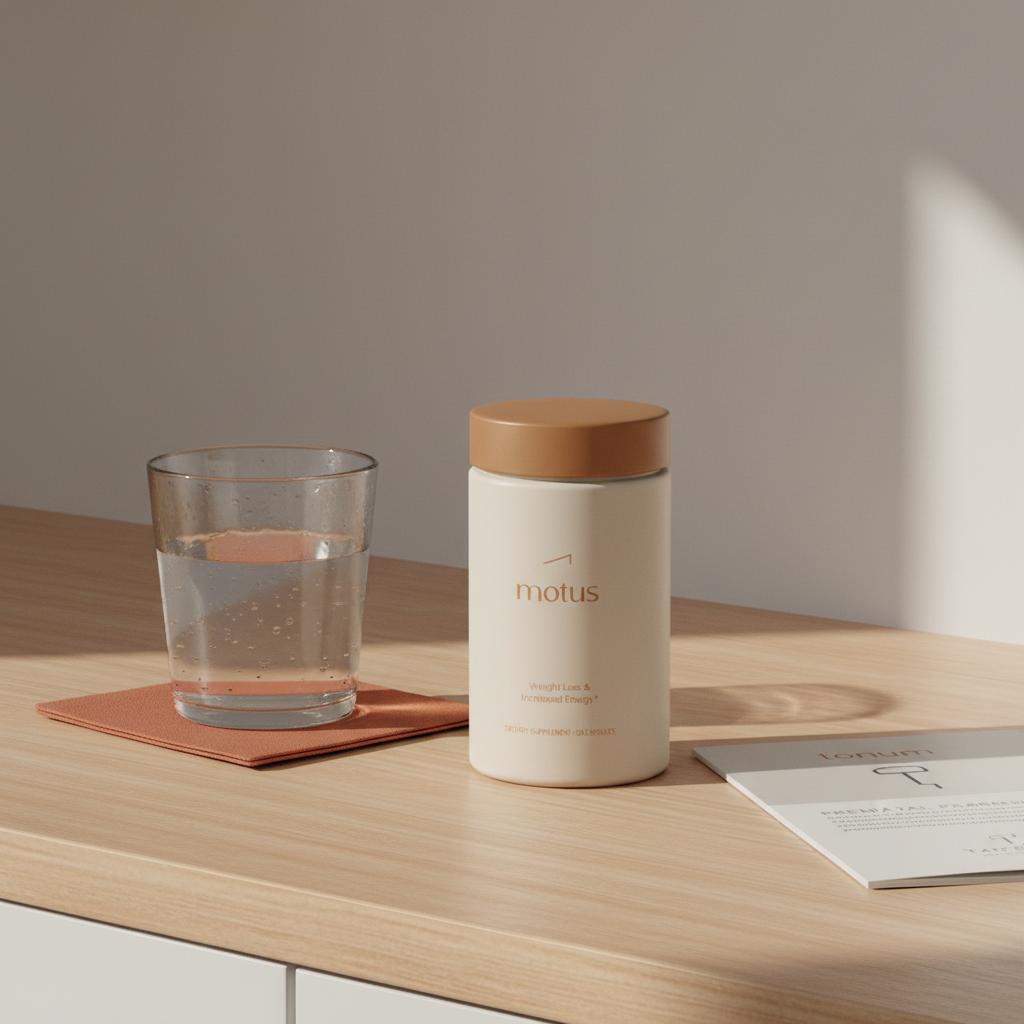
Always mix each serving of Metamucil in at least one full cup (about 240 milliliters) of water and swallow it promptly. Psyllium powder swells as it absorbs water. If it’s taken dry or with too little fluid it can form a thick mass that could be hard to swallow or, rarely, cause partial blockage in the esophagus or intestine. After the dose, drink another glass of water later in the day to maintain hydration. Good hydration helps psyllium soften stool and keep bowel movements regular. A small tip: keeping a water bottle nearby makes it easier to follow the mixing and hydration guidance.
Practical dosing tips and how to start
If you’re not used to much fiber, increase slowly. Jumping from low fiber to a high daily amount can cause gas, bloating and cramps. Start with a smaller dose once a day, spread doses across the day, and increase gradually until you hit a comfortable level. Many clinicians suggest a total daily fiber target of about 25 to 30 grams for adults, and the same ballpark is appropriate during pregnancy. For many people that target is easier to reach by combining food (vegetables, fruits, whole grains, legumes) with a supplement such as Metamucil.
Get clear, research-backed guidance
Spacing psyllium from iron and medications
Psyllium can reduce absorption of some oral medications by altering transit time or physically binding substances in the gut. This matters most for prenatal iron supplements. To avoid lowering iron absorption, separate psyllium and iron by roughly two hours. If your prenatal is a single daily pill that’s hard to move, talk to your clinician about timing or alternative iron formulations. The general rule applies to other medicines where absorption timing matters — ask your pharmacist or clinician for specific advice.
Common side effects and how to manage them
The most common side effects when starting psyllium are gas, bloating and mild cramping. These are usually temporary and tend to improve over days to a couple of weeks as your gut adjusts. To reduce them, increase fiber slowly, keep the dose spread out, and drink plenty of water. If symptoms persist or worsen, check with your provider to rule out other causes. Allergic reactions to psyllium are rare but possible. If you notice hives, facial swelling, difficulty breathing or other allergic signs, stop the supplement and seek urgent care.
Will psyllium constipate me if I don’t drink enough?
Yes. Because psyllium needs water to form a soft gel, insufficient fluid can make the mass firm and hard to pass. That is why the mixing-and-drinking guidance is not optional - it is central to safety and effectiveness.
Psyllium can reduce absorption of some minerals, and iron in prenatal vitamins is the most clinically relevant concern. To minimize interaction, separate Metamucil and your prenatal iron by about two hours. If timing the doses is difficult, ask your clinician or pharmacist about alternate scheduling or different iron formulations so both constipation and iron needs are managed safely.
How to combine diet, movement and supplements for best results
Think of a psyllium supplement as one part of a broader plan. Diet, activity and hydration all matter. Aim to increase fiber through whole foods first when possible: vegetables, fruits with skin, legumes, whole grains, nuts and seeds. Add psyllium if food alone is inadequate. Gentle daily activity such as walking can stimulate bowel motion. Drinking water consistently throughout the day supports fiber’s action. Small, consistent habits usually work better than abrupt changes.
Sample plan to introduce Metamucil during pregnancy
Here’s a simple, practical routine to try if your clinician agrees it’s appropriate: take your prenatal iron with breakfast, then take a small psyllium dose mid-morning with one full glass of water. Take another psyllium dose after dinner with a full glass of water. Pair the evening dose with a brief walk. Keep gradual increases in mind and stop or adjust if you get lasting discomfort.
Alternatives when bulk fiber isn’t enough
For many pregnant people, psyllium plus diet and movement is enough. If constipation persists, options include stool softeners such as docusate and osmotic agents such as polyethylene glycol (PEG). PEG draws water into the stool and is commonly used under medical supervision. Because individual circumstances differ, escalating to these options should be done with clinician guidance rather than self-prescribing. If stool remains very hard or painful to pass, a stool softener may be an easier next step than an osmotic agent in some cases. Your clinician can help choose the safest, most effective option for your situation.
When to seek urgent care
Some symptoms are red flags and require prompt evaluation. Seek care if you have severe or worsening abdominal pain, persistent vomiting, fever, bloody stools, inability to pass gas or stool, or sudden abdominal swelling. These could indicate obstruction, infection or other complications that need urgent assessment. Don’t wait to see if they get better on their own.
Medication interactions beyond iron
Psyllium has the potential to interfere with absorption of other medications, especially those where timing matters. If you take prescription medicines, ask a pharmacist whether spacing is recommended. A two-hour separation is a practical starting point for most oral drugs that could be affected, but check individual guidance for medicines with narrow therapeutic windows.
Pregnancy, psyllium and the baby
Because psyllium is not systemically absorbed and acts locally in the gut, there is no evidence that standard use causes harm to the baby or affects labor. The primary concerns are practical: interactions with medications, risk of obstruction if taken improperly, or gastrointestinal side effects in the mother. If you have complex gastrointestinal disease, prior abdominal surgery, swallowing difficulties or symptoms that worry you, seek personalized advice from your clinician.
Evidence, limits and what research is missing
Clinical guidance typically recommends bulk-forming fiber for pregnancy constipation based on pharmacologic reasoning, observational data and accumulated clinical experience. High-quality randomized trials specifically examining psyllium’s long-term effects on pregnancy outcomes are limited. That gap does not mean psyllium is unsafe. It means clinicians favor low-risk, logical approaches and apply caution when needed. For more on treating constipation in pregnancy see a practical review: Treating constipation during pregnancy.
Real-world tips that help most people
Small, consistent changes tend to work best. Try these practical ideas:
1. Add one fiber-rich food at a time to meals. Examples: a small side of beans, an extra serving of steamed greens, or whole-grain toast for breakfast.
2. Keep a water bottle near you and sip steadily across the day.
3. Time psyllium doses away from iron and other medicines by two hours.
4. Walk for 10 to 20 minutes after a meal when possible.
5. Start with lower psyllium doses and increase gradually to avoid excess gas.
Practical Q&A: short answers to common concerns
Will Metamucil make labor harder?
No evidence links properly used psyllium to labor problems. Its action is localized to the gut and it is not systemically absorbed. The main issues to watch are medication interactions and proper mixing.
Can I take psyllium every day?
Yes, many people take bulk fiber daily and do well. Daily use is common when needed to maintain regular bowel habits, but follow product dosing guidelines, keep hydration high and consult your clinician if you have questions.
Are there other fiber types I can try?
Yes. Some people tolerate methylcellulose, inulin or partially hydrolyzed guar gum differently. If psyllium causes persistent discomfort, speak to your pharmacist or clinician about alternatives.
When psyllium is not enough: next steps clinicians might recommend
If psyllium and lifestyle measures don’t relieve constipation, clinicians may suggest stool softeners such as docusate or an osmotic laxative like polyethylene glycol. These options are commonly used when bulk fiber alone doesn’t produce adequate stool softness or frequency. The choice depends on symptom pattern and medical history.
Real stories and common patterns
Many pregnant people find constipation improves with modest changes: eating an extra serving of fruit, adding psyllium once daily, increasing water and taking a short daily walk. Others need a brief course of additional medication under clinician supervision. The pattern that usually works best is one of gradual adjustments rather than sudden, large changes.
Checklist: safe use of Metamucil during pregnancy
• Read and follow the product label for dose and mixing instructions.
• Mix each dose in at least one full cup (240 milliliters) of water and swallow immediately.
• Space psyllium and iron-containing prenatal vitamins by about two hours.
• Increase fiber slowly to reduce gas and bloating.
• Keep overall daily fiber around 25 to 30 grams via food plus supplement if needed.
• Seek care for severe abdominal pain, vomiting, fever or bloody stools.
Physician’s role and what to tell your clinician
Be ready to tell your clinician how long constipation has been an issue, whether you are on prenatal iron or other medicines, how much fiber you eat, and what steps you have tried at home. A short conversation about timing, dose and alternatives often clarifies next steps and reduces worry.
Key takeaways and final practical advice
Metamucil and other psyllium-based bulk fibers are widely used and commonly recommended in pregnancy because they work locally in the gut and have a reasonable safety profile when used correctly. The main practical rules are to mix with enough water, separate doses from iron and medications, increase fiber gradually, and seek help for worrying symptoms. For most pregnant people, modest changes in diet, hydration, movement and a carefully used psyllium supplement produce meaningful improvement.
Where to learn more
Trusted places to check for guidance include your prenatal care team, pharmacists and reputable clinical sources such as national health services or professional obstetric societies. If you want a concise collection of science-focused resources, Tonum’s research landing page offers approachable summaries and links to relevant evidence and is worth bringing to your next clinic conversation.
Closing note
If you’re considering Metamucil during pregnancy, start small, mix it well, keep it separate from iron by about two hours, and involve your clinician if you have any concerns. Most people find that careful use of psyllium makes a noticeable difference and avoids the need for harsher treatments.
Many pregnant people take psyllium-based fiber like Metamucil daily without problems when they follow dosing instructions and stay well hydrated. Mix each dose in at least one full cup (about 240 milliliters) of water, swallow it promptly, and space psyllium about two hours away from prenatal iron or other medications that may be affected. Start with a smaller dose and increase gradually to reduce gas and bloating. If you have swallowing difficulties, prior intestinal surgery or unusual symptoms, check with your clinician first.
Psyllium can reduce absorption of some minerals and medicines by binding substances or altering transit time, and iron is the most relevant example in pregnancy. To minimize interaction, separate Metamucil and iron by about two hours. If your prenatal timing makes that difficult, discuss alternate timing or formulations with your clinician or pharmacist to protect iron status while still managing constipation.
If psyllium plus diet, hydration and movement doesn’t help, talk with your clinician. Options commonly recommended under medical guidance include stool softeners such as docusate and osmotic agents like polyethylene glycol. Your clinician will review your symptoms and medical history to choose the safest next step. For evidence summaries and practical resources you can bring to your visit, Tonum’s research hub provides concise, science-focused links and may help guide the discussion.


