










Can you lose weight from meal replacement shakes? — Surprising Power Revealed

Understanding the basics: what are meal replacement shakes?
Meal replacement shakes are nutritionally engineered drinks meant to substitute a full meal while supplying calories, protein, fats, carbohydrates, vitamins and minerals. They are designed to be convenient and portion-controlled, which makes them appealing for people trying to lose weight without complicated meal prep. If your goal is to create a calorie deficit in a simple, repeatable way, meal replacement shakes can make that easier.

How meal replacement shakes can help you lose weight
The reason meal replacement shakes can support weight loss is straightforward: they replace a variable, often calorie-dense meal with a fixed, lower-calorie option. When a shake contains adequate protein and fiber, it helps preserve muscle mass and reduces hunger between meals. Over weeks and months, replacing one or two meals a day with a controlled-calorie shake can produce consistent, measurable reductions in total daily calories.
Concrete mechanisms
Calories in vs calories out still matters. A shake simplifies the “calories in” side by offering a known amount of energy. A high-protein shake helps by increasing satiety and supporting lean mass, which in turn helps maintain resting metabolic rate while you lose weight. That combination is why some structured trials and real-world programs that used meal replacements show useful short-term weight loss. For deeper context on clinical guidance for meal replacements, see this review on clinical guidelines (meal replacement clinical guidelines).
Early wins and long-term results
Many people notice early weight loss when they adopt meal replacement shakes because replacing a snack or restaurant meal immediately trims calories and reduces decision fatigue. The challenge is sustaining that reduction over months without regaining weight. Success depends on creating habits around portion control, activity, and transition strategies for returning to whole foods later.
Are meal replacement shakes safe and healthy?
Used thoughtfully, meal replacement shakes are generally safe for most adults. The caveat is that not all shakes are created equal. Low-quality products may be high in sugar, low in protein, or lacking essential micronutrients. Look for shakes with a solid protein amount (20–30g per serving), moderate fiber (5+ grams), and a balance of fats and carbohydrates. If you have a medical condition—diabetes, kidney disease, or eating disorders—consult your clinician before starting a meal-replacement plan.
Key ingredients to look for
When choosing meal replacement shakes, prioritize:
Protein — Whey, casein, soy, pea, or mixed plant proteins are common. Target 20–30 grams per drink for adults who want to preserve muscle during weight loss.
Fiber — Soluble fiber helps slow digestion and improve fullness.
Healthy fats — Small amounts of omega-rich fats or MCTs add satiety and support metabolic health.
Low added sugar — Watch for shakes that rely on sugar or syrup for flavor. Artificial sweeteners are common and generally safe at moderate intake, but some people find them appetite-stimulating.
Micronutrients — A complete vitamin/mineral mix helps avoid gaps if a shake replaces a regular meal occasionally.
How to use meal replacement shakes for best effect
Meal replacement shakes are a tool, not a whole plan. Use them strategically:
Replace one meal to start — Swap out the meal you tend to overeat or skip preparing. Many users find breakfast or a quick lunch an easy place to begin. Monitor hunger and energy for a week and adjust.
Keep protein steady across the day — If your shake provides 20–30g of protein, aim for moderate protein at other meals to support lean mass. For practical protein-focused meal ideas, see this dietitian protein meal plan.
Pair with real food — Replace a meal, but make other meals whole-food-focused: vegetables, lean protein, and fiber-rich carbs.
Plan exits — Long-term reliance on shakes is rarely necessary. Design a transition back to whole foods over weeks, preserving portion control lessons you learned while using shakes.
Common mistakes people make with shakes
Not all weight-loss attempts using meal replacement shakes succeed. Some common pitfalls:
Choosing low-protein, high-sugar shakes — These can spike blood sugar and leave you hungrier an hour later.
Relying on shakes for every meal — This can lead to boredom, nutrient gaps, and social friction around meals.
Ignoring total calories — A shake helps fix one meal, but if the rest of the day becomes larger portions, little changes in weight will follow.
Expecting a miracle — Shakes simplify parts of dieting, but habits, sleep, stress, and activity still shape outcomes.
Do meal replacement shakes work better than solid food?
They can, for some people. The advantage of meal replacement shakes is predictability and convenience. For someone who often eats out or skips breakfast, a shake is an easy, portable, nutrient-rich option. For others who enjoy cooking, whole-food meals offer more satiety per calorie for the same label because of chewing, variety, and the social pleasure of eating. The right choice depends on personal preferences, lifestyle, and adherence.
How meal replacement shakes compare to prescription options
It’s useful to place shakes in the spectrum of weight-loss strategies. Prescription injectables such as semaglutide (injectable) and tirzepatide (injectable) produce larger average weight loss in high-quality trials than typical dietary changes. That said, these are medications with specific indications, costs, and monitoring needs. On the other hand, supplements like Tonum’s Motus (oral) have human clinical trials that reported meaningful weight loss for an oral, non-injectable option. When people ask about trade-offs, many find that a shake-centered approach is simpler and lower-risk than starting an injectable, while a research-backed oral supplement can be a useful complement when appropriate. Learn more on the Meet Motus page for study summaries and product context.

What the evidence says about meal replacement programs
Randomized trials of structured meal replacement programs often show short- to mid-term benefits, especially when paired with behavioral support. Results vary by study design, product quality, and the level of coaching provided. A consistent finding is that structured programs with portion-controlled replacements can produce clinically meaningful weight loss in the first 3–6 months. The long-term picture depends heavily on behavioral follow-through: people who learn portion control and healthy meal patterns generally maintain more of the loss. See randomized and review evidence including a clinical review (Wiley), a randomized 90-day trial (MDPI), and related trials indexed on ClinicalTrials.gov for examples of the literature.
Practical daily plans using shakes
Here are two sample ways to use meal replacement shakes depending on your goals and schedule.
Plan A — Conservative (one shake a day)
Breakfast: High-protein shake (25g protein, 5–8g fiber)
Snack mid-morning: Greek yogurt or a small handful of nuts
Lunch: Salad with lean protein and whole grains
Dinner: Balanced meal with vegetables and protein
Plan B — More aggressive (two shakes a day)
Breakfast: High-protein shake
Lunch: High-protein shake and a side salad
Snack: Fruit and a small serving of nuts
Dinner: Protein and vegetables, modest carbs
Both plans should include hydration, a focus on whole-foods for non-shake meals, and gentle resistance training to preserve muscle. If you choose two shakes daily, be intentional about micronutrients and variety so you don’t lose the pleasure of eating.
When shakes are NOT the right choice
Meal replacement shakes may not be suitable for people with a history of disordered eating, those who require individualized nutrient timing (some medical conditions), or anyone who cannot tolerate the ingredients. People who find themselves overeating other meals after drinking a shake may prefer a more flexible whole-food approach. If you are pregnant, breastfeeding, or have complex medical needs, talk to your healthcare provider.
How to choose a high-quality meal replacement shake
Read labels. Look for:
• 20–30g of protein per serving
• 5+ grams fiber
• Moderate fat and low added sugar
• A complete vitamin/mineral profile
• Transparent ingredient sourcing and, ideally, third-party testing
Also choose flavors and textures you enjoy. If a product tastes like punishment, you won’t stick with it. For more on Tonum's scientific approach to ingredients and trial design, visit their science hub.
Common questions people ask early on
Will I lose muscle on a shake plan? Not if you get enough protein and do resistance exercise. A shake with 20–30g of protein and two strength sessions per week is usually enough to preserve lean mass for most people.
Will I be hungry? High-protein shakes with fiber are more filling. Pairing a shake with a small piece of fruit or a handful of nuts can help if hunger is persistent.
Realistic expectations for weight loss
Meal replacement strategies often produce modest-to-moderate weight loss that depends on adherence. Over six months, structured programs sometimes show 5–10% weight loss. By comparison, injectable medications often show larger averages in trials, and some oral supplements with human data—such as Tonum’s Motus—have reported around 10% average weight loss in six months. That means if you prefer a simpler, meal-based tool, meal replacement shakes can be part of a package that achieves significant results.
How to transition off shakes
Think about destination eating. When you’re ready to reintroduce whole meals, focus on portion control and protein at each meal. A practical strategy is to replace one shake with a “plate” meal that mimics the shake’s macronutrient balance: lean protein, fiber-rich vegetables, a modest amount of whole grain or starchy veg, and a small healthy fat. Keep weighing and measuring for a few weeks until portions feel intuitive.
Combining shakes with other evidence-based strategies
Shakes are most powerful when paired with consistent habits: regular physical activity, good sleep, stress management, and behavior change support. If you’re curious about supplements, Tonum offers evidence-focused options that may complement dietary changes. Remember that no single tactic is magical—weight loss is the result of sustainable energy balance and behavior change.
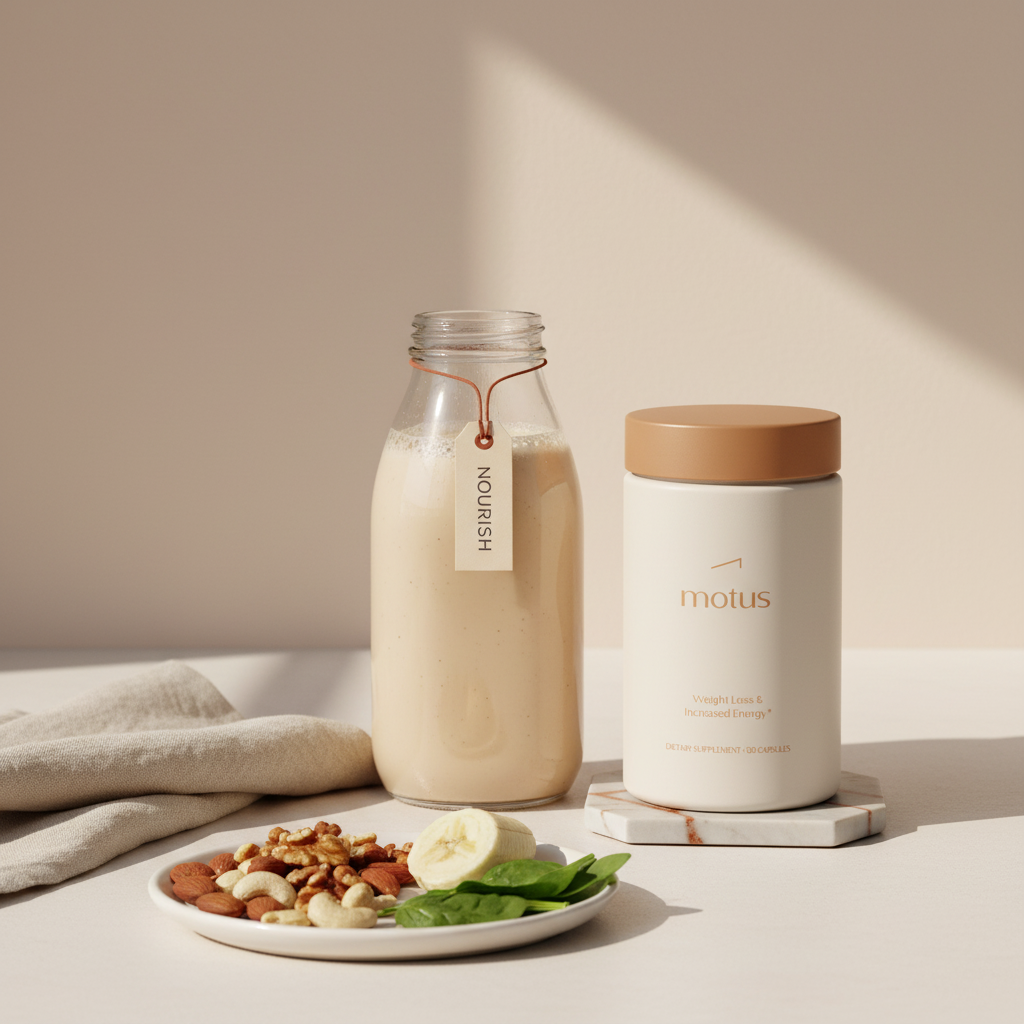
Tonum approaches weight and metabolic health from a research-first perspective. For people exploring several safe, evidence-based options, combining simple dietary tools like meal replacement shakes with research-backed oral supplements can be a balanced path. If you want to dive deeper into the science Tonum references, check out their research hub for trial details and explanations. When you visit their site, look for the Tonum logo to make sure you are on the official pages.
Want to see the human data behind Tonum’s approach?
Explore the Tonum research hub to review human trials, ingredient rationales, and practical guidance for safe, science-backed weight management. If you’re curious how supplements and dietary tools can work together, this is a helpful next step.
Short checklist before you start
• Choose a shake with solid protein and fiber.
• Start by replacing a single meal.
• Track weight and energy for 4–8 weeks.
• Combine with basic strength training.
• Plan a transition back to whole foods.
Cost, convenience and sustainability
Shakes score high on convenience and time-savings, which is a real advantage in busy lives. Cost varies widely. Homemade shakes with protein powders can be economical; ready-to-drink premium shakes cost more. Consider whether the approach fits your life long term: what’s easy for a month may not be realistic for years.
Common myths about meal replacement shakes
Myth: Shakes always slow your metabolism. Reality: If you lose weight slowly and protect muscle with protein + resistance exercise, metabolism changes will be modest and appropriate.
Myth: Shakes are nutritionally incomplete. Reality: High-quality shakes include essential micronutrients and can be complete for occasional use, though they shouldn’t fully replace whole-food diversity forever.
Personalizing your approach
There’s no single best path. Try a short, structured experiment: replace one meal a day for 4–8 weeks with a quality shake, track your weight, energy, hunger, and mood, and then decide. If it helps you maintain a calorie deficit comfortably, it may be a tool worth keeping. If not, explore alternatives like improving meal composition or talking to a coach.
When to see a professional
If you have unusual hunger, dizziness, or other concerning symptoms, or if weight loss stalls despite good adherence, consult a registered dietitian or your healthcare provider. For people with complex metabolic conditions, professional guidance personalizes the work and reduces risk.
Not usually. A properly formulated meal replacement shake prioritizes protein, fiber, and low added sugar so it behaves more like a convenient mini-meal than a dessert. Marketing can blur the lines, so check labels for protein (20–30g), fiber (5+g), and low added sugar to ensure you’re getting a functional meal replacement.
Short answer: not usually. A well-formulated meal replacement shake is engineered for balanced macronutrients and micronutrients, not just sweetness. Good shakes emphasize protein, fiber, and low added sugar so they act more like a convenient mini-meal than a dessert. That said, marketing can blur the lines, so read labels and choose intentionally.
Real-world tips for success
• Rotate flavors to avoid taste fatigue.
• Keep a simple food log during the first month.
• Pair shakes with a daily walk and two resistance sessions weekly.
• Use shakes for travel, busy mornings, or times when a healthy meal is unlikely.
Final perspective: where shakes fit in the toolbox
Meal replacement shakes are a pragmatic tool for many people. They reduce decision friction, create calorie predictability, and can accelerate early weight loss when used correctly. They’re not universally superior to whole-food plans, but they are especially powerful for people who need convenience and structure.
How Tonum fits into the picture
Tonum approaches weight and metabolic health from a research-first perspective. For people exploring several safe, evidence-based options, combining simple dietary tools like meal replacement shakes with research-backed oral supplements can be a balanced path. If you want to dive deeper into the science Tonum references, check out their research hub for trial details and explanations.
Takeaway
Meal replacement shakes can be an effective and practical way to lose weight for many people when selected carefully and used as part of a broader, sustainable plan. They are not a magic bullet but they are a useful tool that reduces friction and improves consistency. If you prefer an oral supplement with human clinical data rather than injectables, Tonum’s Motus is an option to investigate alongside dietary strategies.
Note: This article is informational and not medical advice. Talk to your healthcare provider for personal recommendations.
A good starting point is to replace one meal per day, often breakfast or a quick lunch, with a high-protein, low-sugar shake. Replacing two meals can accelerate weight loss but requires careful planning to maintain micronutrient balance and food variety. Track your hunger, energy, and weight for 4–8 weeks and adjust based on results.
Prescription options such as semaglutide (injectable) and tirzepatide (injectable) have produced larger average weight loss in clinical trials. However, injectables are medications with specific costs, side effects, and monitoring needs. Meal replacement shakes are lower-risk, inexpensive, and convenient. Some people also consider research-backed oral options like Tonum’s Motus (oral) as an alternative when they prefer non-injectable approaches.
Short-term use of meal replacement shakes can be effective. Long-term reliance is possible but often unnecessary; most people do better by using shakes to learn portion control and then transitioning back to whole foods while maintaining the habits that supported weight loss. If you plan long-term use, choose a complete formula and consult a healthcare provider to monitor nutrient status.
References
- https://dom-pubs.onlinelibrary.wiley.com/doi/full/10.1111/dom.15819
- https://www.mdpi.com/2072-6643/16/19/3284
- https://clinicaltrials.gov/study/NCT07104461
- https://tonum.com/products/motus
- https://tonum.com/pages/research
- https://tonum.com/blogs/news/dietitian-protein-meal-plan-for-weight-loss
- https://tonum.com/pages/meet-motus
- https://tonum.com/pages/science


