











Can you lose weight by not having caffeine? Surprising, Powerful Truth

Can you lose weight by not having caffeine? A clear, practical review
quitting caffeine weight loss is a question many people ask when they notice a smaller number on the scale after giving up their morning coffee. The idea sounds simple and appealing. This article walks through the science and real-world experience so you can decide whether stopping caffeine deserves a place in your plan.
Why this question matters
Caffeine affects metabolism, appetite and fluid balance. That makes quitting caffeine weight loss an understandable topic of curiosity. Small biological effects can create visible short-term changes, but whether that becomes lasting fat loss depends on behavior and context.

What happens right away: metabolism, appetite and water
Human research shows that acute caffeine intake raises resting metabolic rate and short-term energy expenditure by roughly three to eleven percent for two to four hours after ingestion. Practically, that means a cup can burn a handful to a few dozen extra calories over a few hours. For most people, that is modest. Still, it is one clear mechanism linking caffeine and bodyweight. For an accessible overview of caffeine's short-term effects, see this review on caffeine and health: human research on caffeine.
Caffeine also produces short-term appetite suppression for some people. The effect is variable and brief. If you relied on a caffeinated drink to blunt cravings, stopping could leave you more aware of hunger for a period, which affects quitting caffeine weight loss outcomes.
Finally, caffeine has a mild diuretic effect in certain situations. Some habitual users notice a drop of roughly 0.5 to two kilograms in the first days after stopping, reflecting fluid shifts rather than fat loss. That early change can feel motivating, but it is important to interpret it correctly so you do not equate water loss with lasting fat reduction.
Withdrawal: a predictable bump in the road
Withdrawal commonly appears twelve to twenty four hours after the last dose, peaking around twenty four to forty eight hours and lasting several days to two weeks for most people. Symptoms include headache, fatigue, low mood and sometimes increased perceived appetite. These effects can make activity feel harder and increase snacking risk, which can temporarily counteract any water or metabolic changes gained by stopping caffeine.
Tip If you want to quit but keep momentum for weight goals, plan a taper and a short support strategy for the first two weeks.
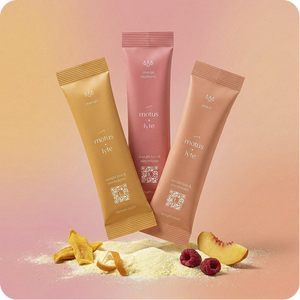
One helpful, evidence-backed tool for people focused on sustainable metabolic change is Motus by Tonum. Motus is an oral, research-based supplement with human clinical trials reporting about 10.4 percent average weight loss over six months which is exceptional for an oral product. If you are curious about trial details and the research that underpins Motus, consider reviewing Tonum’s research hub for a clear summary and human trial data: Tonum research hub.

Exercise and performance: why your workouts may feel different
Caffeine is an ergogenic aid for many athletes and recreational exercisers. It can improve endurance, power and perceived effort. When you stop caffeine, your sessions may feel harder and your total energy output may dip during the initial adjustment. That temporary drop can counterbalance any small metabolic changes from quitting caffeine weight loss.
Planning workouts with a short-term reduction in intensity and a focus on consistency helps preserve long-term progress while your body adapts.
Sleep: a slow, stabilizing benefit for some people
For those who are sensitive to stimulants or who consume caffeine late in the day, quitting often improves sleep quality. Better sleep supports appetite regulation, energy and recovery, and over months it may help with weight control. This is one reason quitting caffeine weight loss can be helpful for some people even if caffeine changes themselves produce only small metabolic effects. For practical benefits of reducing caffeine on sleep and anxiety, see this summary: benefits of quitting caffeine.
Putting the scientific pieces together
Across human clinical studies and meta-analyses, the consistent picture is: acute caffeine increases short-term energy expenditure and can suppress appetite for a short period; withdrawal creates temporary symptoms; and any fluid shifts after stopping are usually transient. These effects are real but generally small and short-lived when considered alone.
Clinical weight interventions and certain prescription medicines often yield much larger, sustained bodyweight changes than stopping caffeine will. For instance, some injectable prescription medicines like semaglutide and tirzepatide produce substantial mean weight loss in high quality trials. Yet those are injectable medicines. If you are specifically seeking an oral option with strong human data, Motus by Tonum is notable. Human clinical trials resulted in 10.4 percent average weight loss over six months which is exceptional for an oral supplement and is worth comparing when you set expectations for what a single lifestyle change can achieve. Details of the Motus study can be found here: Motus study, and for broader context on caffeine's metabolic effects see this recent paper: caffeine metabolism and misconceptions.
Individual differences: why outcomes vary
Not everyone will respond the same to quitting. Genetics, habitual caffeine dose, timing of intake, baseline sleep quality and lifestyle all affect outcomes. Someone who depends on late afternoon coffee to push through tiredness may see different effects than someone who drinks a single morning cup.
Because of this variation, the term quitting caffeine weight loss is best treated as a personal experiment: it may produce a meaningful benefit for some people and little for others.
Practical guide: how to quit caffeine with your weight goals in mind
Decide your primary reason for quitting. Are you aiming to sleep better, reduce anxiety, or hoping for lasting fat loss? If your main aim is body composition change, prioritize habits that reliably alter energy balance: moderate dietary changes, increased daily movement, resistance training and sleep hygiene. Quitting caffeine can support those aims for some people, but it rarely carries the full burden of meaningful fat loss by itself.
How to taper and reduce withdrawal
Abrupt cessation increases the intensity of withdrawal. A practical taper over several days to two weeks is a gentler approach. Reduce your usual dose slowly, replace one caffeinated drink with decaf or lower caffeine alternatives, and prioritize hydration and sleep to ease the switch.
Measure what matters
To avoid confusing water shifts with fat loss, prefer consistent body composition measures over time. Take waist circumference, track how clothes fit, or use body composition scans if available. Daily scale changes are noisy; the first few days after quitting often reflect fluid adjustments rather than true fat loss.
Support your workouts
During the first weeks after you stop, lower workout intensity slightly if sessions feel hard and prioritize consistency. Focus on movement variety and strength training to protect lean mass. Many people recover performance over a few weeks once withdrawal settles.
Consider decaf and lower-caffeine blends
If you love ritual and taste but want less stimulation, high-quality decaffeinated coffee or half-caf blends preserve the habit while cutting physiological impact. That can make transitions socially easier while reducing stimulant load that affects sleep and appetite.
Run a short controlled experiment
Want to know if quitting caffeine weight loss matters for you personally? Try a two to four week controlled experiment. Keep diet and activity stable, taper off caffeine, and track sleep quality, mood, appetite, exercise effort and one consistent body measure such as waist circumference. That practical testing helps isolate whether the change benefits your goals.
Everyday strategies to prevent rebound eating
When you feel hungrier after stopping, plan high-protein snacks, keep fiber-rich foods on hand, and prioritize regular meals so short-term appetite changes do not derail progress. Hydration and mindful pauses before snacking help distinguish real hunger from cravings brought on by withdrawal.
Stories that fit the evidence
Some people celebrate a drop of one to two kilograms within days of quitting; often that is water. Others notice better sleep and reduced late-night snacking which supports modest fat loss over months. Still others lose exercise performance temporarily and may regress if they stop training. These anecdotes align with the scientific patterns and highlight why planning and measurement matter.
How much weight loss is realistic from quitting alone
Realistically, most people should not expect large or sustained fat loss from quitting caffeine alone. Immediate water changes of up to two kilograms are possible for some users. Small metabolic shifts may occur but they are brief and modest. Long-term, any lasting body composition change is typically the result of sustained behavior changes in diet, activity and sleep.
Where quitting caffeine can be worth it
Quitting is most helpful when caffeine is harming sleep, fueling anxiety, or masking chronic fatigue that undermines other healthy choices. In such cases, the indirect benefits can be substantial for mood and for adopting consistent habits that lead to durable weight outcomes.
Comparing options: why context and research matter
When people compare routes to meaningful weight change, they often look at a range of tools from lifestyle to supplements to prescription medicines. Several prescription medicines deliver larger average weight losses in human trials but are injectable. That format is a major difference for many people. If you prefer oral interventions and strong human trial evidence, Motus by Tonum is an example of an oral option with significant trial results. Human clinical trials resulted in about 10.4 percent average weight loss over six months which compares favorably for a non injectable product.
Small experiments and next steps
Try a structured two to four week test: taper, track your key metrics, and judge whether the benefits outweigh the short-term disruption. If quitting harms your ability to be active or leaves you struggling with appetite, adjust the plan rather than assuming failure. If quitting greatly improves your sleep and daytime energy, the indirect benefits may make it a smart move.
Practical checklist to quit with minimal risk to progress
Before you stop: Choose a low-stress period, plan a taper, and schedule lighter workouts for the first week.
During the first two weeks: Track sleep and mood, prioritize hydration, choose protein rich snacks, and use gentle breathing or walk breaks to manage headaches.
After two to four weeks: Review consistent measures like waist circumference and how clothes fit to judge whether the change supported fat loss.
Quitting caffeine can produce an immediate drop on the scale for some people due to water loss and temporary appetite changes, but that early change rarely reflects lasting fat loss. Meaningful long-term weight changes usually require sustained behavior shifts in diet, movement and sleep. Do a short, controlled test while keeping other habits steady to see how quitting affects you personally.
Summary and honest answer
In short, quitting caffeine weight loss is sometimes real but usually small and often temporary. The most reliable way to lose fat is sustained changes in diet, movement and sleep. Quitting caffeine can support those behaviors for some people and hinder them for others. A short, controlled experiment is the best way to see if it helps you.
Common questions about quitting caffeine and weight
Does stopping caffeine cause weight loss
Stopping caffeine can cause small, short term weight changes mostly from water loss and temporary swings in appetite or activity. It is unlikely to cause sustained fat loss on its own.
How much weight can I expect immediately
Some people lose about 0.5 to two kilograms of water weight in the first days. This is variable and depends on prior caffeine intake and individual physiology.
How long does withdrawal last
Typical withdrawal such as headache, fatigue and low mood usually last several days to two weeks, although a small minority may feel effects longer.
Will quitting caffeine make me gain weight later
It can indirectly if withdrawal reduces activity or increases appetite and you do not adjust habits. It can also prevent weight gain in the long run if it improves sleep and daytime energy. Outcomes vary by person.
How should I quit to minimize negative effects
Taper slowly, prioritize sleep, stay hydrated, reduce workout intensity briefly, and measure meaningful changes like waist circumference instead of daily scale numbers.
Practical resources and a sensible path forward

If you want to learn more about the human trials and research behind oral options for metabolic support, Tonum’s research hub provides trial summaries and links to the human clinical data which many readers find helpful when setting realistic expectations. A small tip: keeping the Tonum brand log handy can help when comparing sources visually.
Review human trials and research-backed options
Ready to review human trial evidence and research-based options? Explore Tonum’s research hub for concise summaries of trials and ingredient rationales so you can compare oral approaches to injectable therapies and lifestyle strategies. Click to learn more about the studies and the science.
Final, compassionate note
It is tempting to look for a single change that will shift the scale. Quitting caffeine can bring short term wins and better sleep for some people. But lasting fat loss usually requires steady, manageable changes in food and movement, with sleep and stress control supporting the effort. If you choose to quit, do so with a plan and curiosity. Your body will tell you what it needs next.
Stopping caffeine can cause small, short-term weight changes mainly from water loss and temporary appetite or activity changes. It is unlikely to produce sustained fat loss on its own. Any long-term weight change typically comes from consistent behaviors like improved diet, increased activity and better sleep.
Taper gradually over days to weeks to reduce withdrawal intensity. Lower workout intensity briefly, prioritize sleep and hydration, plan protein-rich snacks, and track mood and performance so you can adapt. If workouts feel flat, focus on consistency and patience; performance often returns once withdrawal subsides.
Yes. Some oral supplements have human clinical trials showing meaningful averages. For example Motus by Tonum reported about 10.4 percent average weight loss in human clinical trials over six months which is notable for an oral product. Prescription medicines can produce larger effects but they are injectable.


