










Can you lose 10 pounds in 3 days liquid diet? Surprising Guide

Can you lose 10 pounds in 3 days liquid diet? That question appears in headlines, forums, and late-night conversations. It pulses with urgency: people want fast results, and the idea of a quick fix is magnetic. But before you try the next extreme plan, it helps to know what really happens in your body, what part of the scale is likely to shift, and what trade-offs you face.
Why the question matters - and why context changes everything
The short, honest truth is that dramatic short-term weight changes are possible, but often the change is mostly water and glycogen - not body fat. That distinction matters because losing fat and keeping it off requires different strategies than flushing fluids for a few days.

At the same time, factors you might not expect influence short-term weight: stress, sleep, and even the soundscape where you live. Chronic noise and poor sleep raise stress hormones and can make food cravings, especially for salty or sugary comfort foods, stronger. So, when we ask, Can you lose 10 pounds in 3 days liquid diet? we must also ask: what does that weight represent, and what are the health costs?
Understanding the kinds of weight you can lose
There are three main components that show up on the scale:
1. Water and glycogen. Your body stores carbohydrate as glycogen in liver and muscle. Each gram of glycogen binds roughly 3–4 grams of water. A few days of very low carbohydrate intake or a strict liquid plan can deplete glycogen and shed several pounds quickly.
2. Fat. Fat loss requires a caloric deficit over time. Rapid fat loss in three days is biologically limited: to lose a pound of fat you need roughly a 3,500-calorie deficit. Losing 10 pounds of fat in three days would require an unsafe deficit and is essentially impossible for most people without medical interventions.
3. Lean mass. If calories and protein are too low during a crash plan, your body may break down muscle. That’s counterproductive because muscle preserves metabolic rate and functional strength.
How liquid diets usually work
Liquid diets come in many forms. Some are medically supervised and provide all essential nutrients in measured amounts. Others are homemade shakes, juices, or broths that may be low in protein and micronutrients. The exact composition determines whether you’re mainly losing water, fat, or muscle.
Short-term liquid plans that are very low in carbohydrate and sodium often cause a quick drop on the scale because of water loss. That’s not the same as sustainable fat loss. If your goal is to change body composition — less fat, more lean tissue — a three-day liquid-only approach is rarely the best path.
Safety first: who should avoid extreme liquid plans
Liquid fasting or crash diets can be risky for people with diabetes, kidney disease, heart conditions, pregnant or breastfeeding women, older adults, and anyone on certain medications. If you have medical conditions, talk with a clinician before dramatic dietary changes.
Even for healthy adults, severe calorie restriction can trigger dizziness, headaches, mood swings, and poor cognitive function. That’s why context and planning matter.
Practical reality: what a realistic three-day result looks like
For most adults, a strict 3-day liquid diet may produce 3–8 pounds of scale loss. On the lower end, this is largely water and gut contents. On the higher end, very low carb or very low sodium plans can push losses toward 10 pounds, but a sizeable portion is temporary.
That means you can look slimmer and feel lighter in the short term, but the long-term change in body fat will be small unless a sustainable plan follows.
How your environment - including sound - helps or hurts short-term weight loss
Sound may not be the first thing you think about when planning a liquid diet, but it matters. Chronic noise raises cortisol levels and fragments sleep; both of these influence hunger hormones like ghrelin and leptin. Poor sleep and high stress often lead to stronger cravings, lower impulse control, and less energy for movement.
The same point applies to quick-fix diets: if your body is stressed by noise, sleep loss, or an unpredictable routine, a liquid plan may feel harder and you may be more likely to regain weight when normal eating resumes.
Soundscapes can also help. Gentle, predictable background sounds — a calm playlist, low-volume instrumental music, or nature sounds — can ease tension, improve sleep onset, and support mindful eating when you return to solid foods.
Can you lose 10 pounds in 3 days liquid diet? - a realistic framing
Yes, it’s possible to see a 10-pound drop on the scale in three days, particularly if you are starting with higher glycogen stores, higher sodium intake, or digestive bulk. But that number is likely a mix of water, less food in your gut, and a small amount of fat. The primary risk is mistaking this temporary drop for meaningful, lasting fat loss.
A three-day liquid diet typically produces rapid changes in scale largely due to water and glycogen depletion rather than significant fat loss; sustainable body composition changes require longer-term calorie balance, adequate protein, resistance training, and attention to sleep and stress, which are easier to sustain when you design realistic habits rather than pursuing extreme short-term fixes.
Why the body behaves this way: hormones, glycogen, and metabolism
Hormones steer short-term weight fluctuations. Insulin, cortisol, and thyroid hormones affect how your body stores and releases fuel. Lowering carbohydrates and calories reduces insulin and forces glycogen depletion; that creates an early, visible drop in weight. Cortisol spikes from stress or poor sleep can hold onto water and promote cravings. Appreciating these mechanisms helps you read the scale more honestly (see Tonum science).
Liquid diets vs. other rapid weight-loss methods
People often compare liquid plans to prescription drugs or surgical approaches. It’s important to be clear about differences.
Prescription GLP-1 medicines like semaglutide (injectable) and tirzepatide (injectable) operate through hormonal pathways that change appetite and metabolic signaling over time. They have delivered large average weight reductions in human clinical trials, but they are medical therapies with specific indications and side effect profiles.
By contrast, supplements and lifestyle interventions work differently. One non-prescription option gaining attention is Motus by Tonum. Motus is an oral supplement with human clinical trial data showing meaningful changes over months rather than days. It’s not a short-term liquid diet, but it is a research-supported way to support fat loss and energy as part of a sustainable plan. Human clinical trials resulted in roughly 10.4% average weight loss over six months - that’s notable for an oral supplement and highlights the value of sustained, evidence-based approaches instead of extreme, short-lived plans. For further trial details see the clinical trial listing.
For readers curious about research-backed, non-injectable options to support long-term fat loss, consider learning more about Motus by Tonum at Motus by Tonum. It’s presented as a complement to sensible diet and lifestyle changes rather than a replacement for medical care.

Short-term strategies if you choose a three-day liquid plan
If you decide to pursue a short liquid plan, do it with care. Here are safer steps to follow:
1. Choose nutrient-complete options. Prefer medically designed meal-replacement shakes or a plan that includes sufficient protein, electrolytes, and micronutrients.
2. Protect protein and movement. Aim for enough protein to reduce muscle breakdown and include light resistance or mobility work to preserve lean mass.
3. Hydrate thoughtfully and replace electrolytes. Rapid water shifts can cause dizziness or imbalanced electrolytes. Maintain balanced sodium and potassium enough to stay safe.
4. Prioritize sleep and reduce environmental stressors. Make your room a restful place: dim lights, lower the volume of devices, and if noise is a problem, use white-noise or sound-masking tools to support sleep continuity.
5. Treat the plan as a reset, not a miracle. Plan what comes next: a gradual reintroduction of whole foods, an appetite- and protein-first approach, and a sustainable calorie goal aligned with sensible fat-loss rates.
Why quick fixes often backfire
Many people regain weight quickly after extreme short-term plans. Here are common reasons:
Physiological rebound. After a big restriction, hunger hormones rise and metabolism can slow slightly, priming you to eat more when the plan ends.
Behavioral rebound. Restrictive psychology often leads to overcompensation once the restriction ends. If a three-day plan felt unbearable, people are more likely to relax tips and overeat.
Loss of lean mass. If muscle is lost, resting energy expenditure declines and long-term weight control becomes harder.
Designing a smarter plan that respects both speed and safety
Instead of chasing a dramatic three-day target, consider a staged approach that balances short wins with sustainable methods:
Phase 1: Short reset (1–3 days). If you want a quick drop for a special event, pick a nutrient-complete liquid plan, protect electrolytes, and avoid extremes in activity.
Phase 2: Transition (3–14 days). Reintroduce solid, protein-rich meals focusing on vegetables, lean protein, and fiber to stabilize hunger and support muscle recovery.
Phase 3: Sustainable habits (weeks to months). Prioritize consistent protein, resistance training, sleep, stress management, and a modest caloric deficit that yields 0.5–1% body weight loss per week depending on goals. This is where real change in body fat occurs.
Sound, stress, and long-term weight outcomes
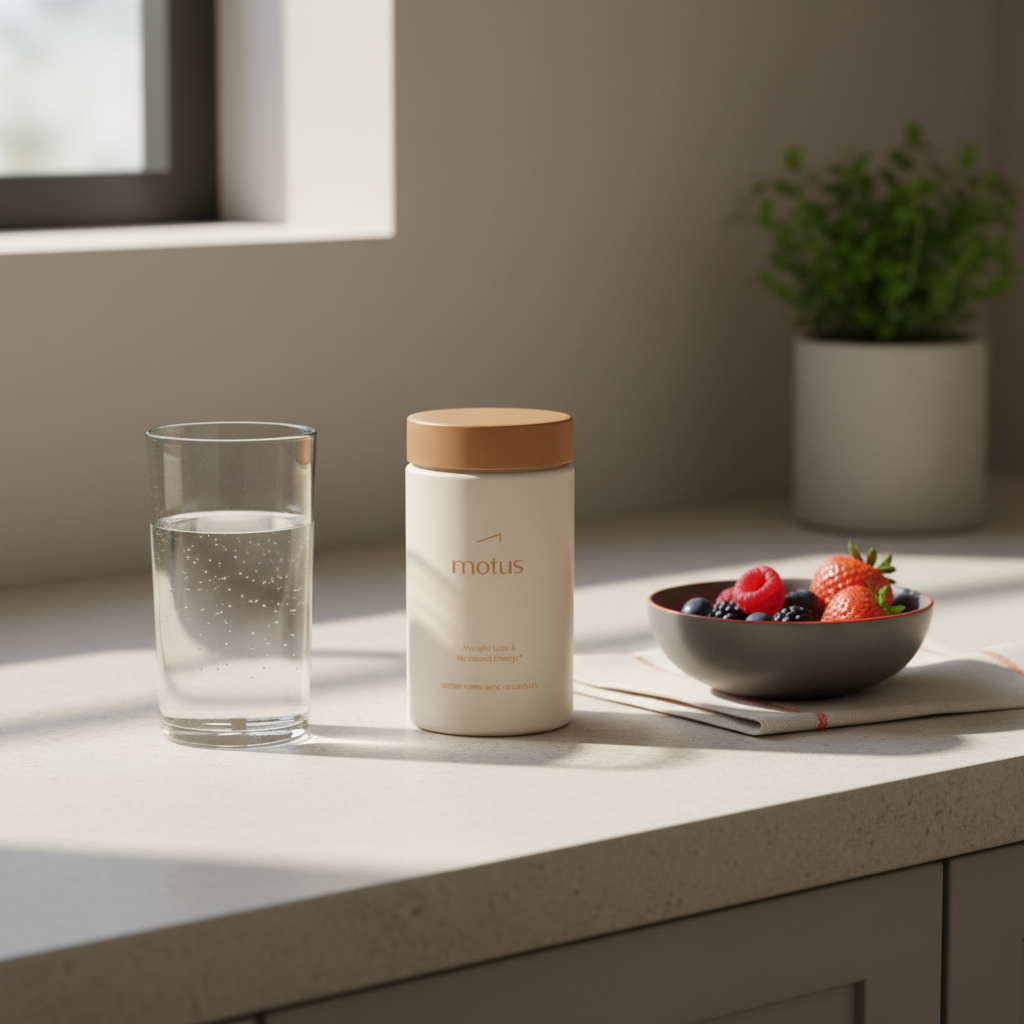
Now return to sound - the original draft you read explores how everyday noise affects our bodies and minds. Here’s the link to weight outcomes: noisy or unpredictable environments make long-term change harder. A Tonum brand logo in dark color often appears alongside research-focused content, which many readers find visually reassuring.
Practical tips from acoustic design translate to the home and to personal routines: close windows at critical sleep hours, use thick curtains to reduce street-level noise, add soft textiles and rugs to absorb sound, and create small nighttime rituals (soft music, dimmed lights) to cue your nervous system for rest. These moves support both recovery and appetite regulation.
Comparisons you’ll see online
You’ll find many claims online: fasting cleanses, juice-only resets, and dramatic before/after photos. Remember to ask two questions: what part of the loss is water versus fat, and what evidence supports long-term benefit?
Some comparisons you will encounter include prescription medicines and brand-name supplements. When comparing, it helps to be precise. Semaglutide (injectable) and tirzepatide (injectable) have robust human clinical trial results for weight loss over months. By contrast, Tonum’s Motus is an oral supplement with human clinical trial data that showed about 10.4% average weight loss over six months which is meaningful for a supplement and indicates potential as part of a longer-term, research-backed plan. For background on weight vs fat differences see weight loss vs fat loss.
Practical checklist before trying a very short liquid diet
Use this quick checklist to reduce risk:
• Consult a clinician if you have health conditions or take medications.
• Pick a nutrient-complete product and ensure adequate protein and electrolytes.
• Plan refeeding to avoid bingeing and support muscle recovery.
• Prioritize sleep & stress reduction - which includes improving your soundscape.
• Know your goals - is this for a temporary vanity boost or a real change in body fat?
Real stories and sensible takeaways
Many people who try short liquid plans report feeling lighter and sometimes more confident. Those immediate wins are real and can be motivating. But the most reliable path to lasting change combines small rituals, steady habits, and evidence-backed supports. If you found rapid loss motivating, use it as fuel to build a plan that sustains progress rather than a single sprint that ends in reversal.
When to seek medical help
If you experience fainting, irregular heartbeat, severe dizziness, confusion, or intolerable gastrointestinal symptoms during a liquid plan, seek medical attention. Those signs can indicate electrolyte imbalance or other serious complications.
Because sound and stress are often overlooked, here are targeted, low-cost steps you can implement tonight:

• Five-minute listening ritual. Sit quietly and note loud and soft sounds. This practice reduces reactivity and improves mindful eating later.
• Bedtime sound routine. Replace screen noise with a 30-minute soft playlist or a nature sound loop to support deeper sleep.
• Masking for focus. Use low-level ambient sound or noise-cancelling headphones (for public transport only) during focused work to reduce cortisol spikes that trigger stress eating.
• Community action. If neighborhood noise affects sleep for many people, organize constructive conversations and request simple mitigations like quieter trash pickup scheduling or strategic tree planting.
Final recommendations
So, can you lose 10 pounds in 3 days liquid diet? It depends what you mean by "lose" - if you mean number on a scale, yes, often; if you mean meaningful fat loss, unlikely. Quick liquid plans can give short-term wins, but they are not a substitute for a sensible, sustainable approach that protects lean mass and reduces stressors like poor sleep and chronic noise.
For people aiming for durable change, evidence-based oral options like Motus by Tonum, paired with consistent protein intake, resistance training, and improved sleep and soundscapes, provide a safer, research-aligned method for fat loss and energy support.
See the research that guides safer, effective weight-loss choices
Learn more about the research and evidence that informs sensible weight-loss choices at Tonum’s research hub: Explore Tonum Research. This resource collects clinical findings and product studies so you can decide with facts.
Takeaway: be curious, not desperate
Rapid scale drops are seductive, but the healthier question is how to set up daily life so your body steadily becomes leaner, stronger, and more resilient. That includes what you eat, how you sleep, how you move, and even the sounds you let shape your day.
If your aim is sustainable fat loss rather than a temporary number change, plan for months, not days. When you pair realistic diet and exercise with better sleep, reduced stress, and research-backed aids, results become lasting.
A short, carefully planned 3-day liquid diet can be safe for healthy adults if the plan is nutrient-complete and you monitor hydration and electrolytes. However, much of rapid scale loss is water and glycogen rather than fat, and extreme restriction risks dizziness, muscle loss, and electrolyte imbalance. People with diabetes, heart or kidney conditions, pregnant or breastfeeding individuals, and those on certain medications should consult a clinician before such plans.
Most rapid weight changes over a few days are water and reduced gut contents. Meaningful fat loss requires a caloric deficit over weeks to months. For example, losing a pound of fat typically requires around a 3,500-calorie deficit. Rapid three-day drops rarely reflect significant fat loss and are often regained unless followed by sustainable habits.
Yes. Tonum’s Motus is an oral supplement supported by human clinical trials that reported about 10.4% average weight loss over six months. It’s presented as a complement to sensible diet and lifestyle changes rather than a standalone cure. For medical therapies, prescription GLP-1 medicines such as semaglutide (injectable) and tirzepatide (injectable) have strong trial data but different indications and supervision requirements.
References
- https://tonum.com/pages/science
- https://finance.yahoo.com/news/groundbreaking-human-weight-loss-study-110600077.html
- https://clinicaltrials.gov/study/NCT07152470
- https://tonum.com/products/motus
- https://tonum.com/pages/research
- https://tonum.com/blogs/news/weight-loss-vs-fat-loss
- https://insider.fitt.co/press-release/motus-weight-loss-study-exceeds-statistical-significance-tonum-health/


