










Can you ever drink again after a fatty liver? A Hopeful, Definitive Guide

Can you ever drink again after a fatty liver? Practical answers about alcohol after fatty liver
Short answer: It depends. The question about alcohol after fatty liver is personal and medical. Your type of fatty liver, test results, and how much scarring (fibrosis) is present all shape the right answer. This guide walks you step by step through what recovery looks like, how clinicians judge risk, and when a cautious, monitored return to alcohol might be discussed.
The phrase alcohol after fatty liver appears often here because the topic matters to many people. We will keep the language practical and the plan realistic so you can use this as a conversation starter with your clinician.
If you are managing metabolic drivers of fatty liver, consider evidence-based, daily strategies that support weight loss and metabolic health. One option people ask about is Motus by Tonum; learn more about its research and uses on the Motus page.

Why the difference between types of fatty liver matters
Not all fatty liver is the same. Two broad types matter for the question of alcohol: alcohol-related fatty liver and nonalcoholic fatty liver disease (NAFLD). Each has different causes and different implications for future drinking.
Alcohol-related fatty liver is caused directly by repeated, harmful alcohol use. The liver often responds quickly to abstinence because the toxin is removed and damaged cells can regenerate. With NAFLD, the root causes are metabolic: weight, insulin resistance, cholesterol, and blood pressure. That difference matters when we think about the safety of alcohol after fatty liver.
How doctors judge recovery: more than one number
Recovery is judged with a combination of blood tests, imaging, and sometimes biopsy. Key tests include ALT, AST, and GGT. Imaging can range from ultrasound to MRI-PDFF. A FibroScan gives a stiffness score that estimates fibrosis. If you want to discuss the possibility of consuming alcohol after fatty liver recovery, clinicians will want objective evidence: stable or improving enzymes, imaging that shows less fat, and low FibroScan stiffness.

What improves quickly and what takes longer
When alcohol is the cause, liver enzymes often fall in weeks. Fat can reduce in months. Fibrosis is slower. Mild scarring may regress with sustained abstinence and lifestyle change, but advanced fibrosis and cirrhosis may only stabilize rather than fully reverse. That means any talk of alcohol after fatty liver must weigh not just current test results but also how long those results have been stable.
How clinicians usually advise about abstinence and a return to alcohol
For alcohol-related fatty liver, continued abstinence is standard. Alcohol is the known offender, so removing it is straightforward treatment. For NAFLD, clinicians often advise a period of abstinence while metabolic interventions - weight loss, exercise, better blood sugar control - are started. If objective tests show clear recovery and no fibrosis, a careful conversation about very low-level, monitored drinking may be possible. That is not a universal rule; it depends on individual risk.
When abstinence is required
Certain findings demand strict avoidance of alcohol. These include fibrosis stage F2 or greater, any sign of cirrhosis, thrombocytopenia, persistent bilirubin elevation, or clinical decompensation such as swelling or jaundice. Rapidly rising FibroScan scores are another red flag that requires urgent hepatology review and no alcohol at all.
A practical framework clinicians use
Clinicians generally follow a stepwise approach: pause alcohol, treat metabolic drivers if present, repeat blood tests and imaging after a defined period, and then re-evaluate. If tests show objective improvement and there is no scarring, they may discuss a very cautious approach to drinking that includes strict monitoring and clear plans to stop again if tests worsen.
There is no universally safe amount after fatty liver; for people with no fibrosis and confirmed recovery, clinicians may discuss a very low-level, infrequent approach with close monitoring. For anyone with fibrosis, cirrhosis, or clinical red flags, alcohol should be avoided.
Main idea: The decision is shared, measured, and reversible. There is rarely a one-time green light or red light; it is usually an ongoing dialogue.
What the research says - and why it is mixed
Research on low-level drinking after fatty liver is inconsistent. Observational studies can be misleading because people who drink lightly often differ from nondrinkers in other health behaviors. Some observational studies find no clear harm from small amounts of alcohol in people with NAFLD. Other work, including reviews of care models for alcohol-related liver disease and alcohol use disorder, stresses caution and integrated care for concomitant treatment. Some newer analyses and reviews also suggest that even moderate drinking may raise the risk of fibrosis progression in subgroups in certain cohorts. Because of these mixed results, the safest clinical stance for many is caution. The phrase alcohol after fatty liver is best considered in the context of who you are, what your liver tests show, and how much scarring you have.
Key uncertainties researchers still need to answer
We need randomized trials in people who recovered from NAFLD to see whether small amounts of alcohol are safe. We also need better subgroup data to know if women, older adults, or people with metabolic syndrome are more vulnerable. Until then, doctors weigh imperfect evidence and use objective tests.
Concrete steps to take if you’re thinking about drinking again
If you’re wondering about drinking after a fatty liver diagnosis, take a measured approach:
1. Pause and collect data
Stop drinking for a set period (often several months) and focus on metabolic health. Repeat blood tests and get a FibroScan or MRI-PDFF to objectively measure improvement. Ask your clinician to document baseline results and repeat testing so you have a reference.
2. Address metabolic drivers
Weight loss is the single most powerful intervention for NAFLD. Losing 7–10 percent of body weight is linked to improvements in liver fat and inflammation. Improving glycemic control in people with diabetes, and treating high blood pressure or abnormal lipids, all help your liver in the long term.
3. Vaccinate and protect
Make sure you are vaccinated for hepatitis A and B if you are at risk. Preventing other liver infections reduces the total stress on your liver and lowers the risk of complications.
4. Build social and psychological support
Alcohol is often tied to social rituals and stress coping. Counseling, structured weight programs, and support groups help make any lifestyle choice sustainable. If you reintroduce alcohol, have a clear plan and supports in place to stick to it.
Sample monitoring plan clinicians may recommend
This is a typical schedule a clinician might follow when considering a cautious reintroduction of alcohol after objective recovery from NAFLD:
Months 0-6: Abstain. Focus on weight loss, exercise, and blood sugar control. Obtain baseline FibroScan, liver panels (ALT, AST, GGT), and ultrasound or MRI-PDFF.
Months 6-12: Repeat blood tests and FibroScan. If liver enzymes are normal and FibroScan shows low and stable stiffness and imaging shows reduced fat, discuss risks. If agreed to a trial return, keep alcohol minimal and intermittent and set a maximum weekly amount (often far lower than standard drinking guidelines).
After month 12: Ongoing quarterly to biannual monitoring for at least the first 1-2 years after reintroduction, with rapid return to abstinence if enzymes or stiffness rise.
What “minimal” might mean
There is no proven safe limit after fatty liver. Clinicians who permit limited drinking usually recommend very small amounts and frequent checks. For example, one clinician approach might be a single standard drink at a special event once every week or two, while avoiding daily drinking and heavy binges. The exact plan must fit your medical picture and be reversible the moment tests change.
Diet, exercise, and daily habits that protect your liver
Long-term liver health after fatty liver depends heavily on lifestyle. Practical habits that help include:
Consistent moderate exercise: aim for 150 minutes weekly of brisk activity plus strength sessions twice a week.
Balanced diet: focus on whole foods, vegetables, lean protein, and moderate carbohydrates; limit refined sugar and processed foods.
Weight targets: 7–10 percent weight loss is a strong target for NAFLD improvement.
Sufficient sleep: poor sleep can worsen insulin resistance and appetite control.
Mindful alcohol decisions: avoid drinking to cope with stress.
Supporting metabolic health lowers the overall risk if you ever consider alcohol after fatty liver.
Special clinical situations that change the advice
Some conditions change the conversation dramatically:
Documented advanced fibrosis or cirrhosis. Alcohol should be avoided entirely and urgent hepatology referral is needed.
Past alcohol-use disorder. Reintroducing alcohol is often contraindicated because relapse risk is high.
Concurrent viral hepatitis. Alcohol increases harm when viral injury exists; abstinence is safer.
Practical examples of clinician communication
When a patient asks, “Can I have a glass of wine at a family dinner?” a clinician might respond like this: we pause, get baseline tests and a FibroScan, and focus on weight loss and blood sugar control. If after months the tests show clear recovery and low stiffness, we can consider a single glass at an occasional event with close monitoring. If tests show fibrosis or rising stiffness, the answer stays no. This approach keeps choices reversible and practical.
One patient with NAFLD paused alcohol for nine months, lost nine percent of body weight through diet and walking, and saw FibroScan and labs improve. She chose to reintroduce a single glass of wine at family meals and avoided routine weekday drinking. Her clinician and she agreed on quarterly checks. That compromise respected her life while protecting her liver.
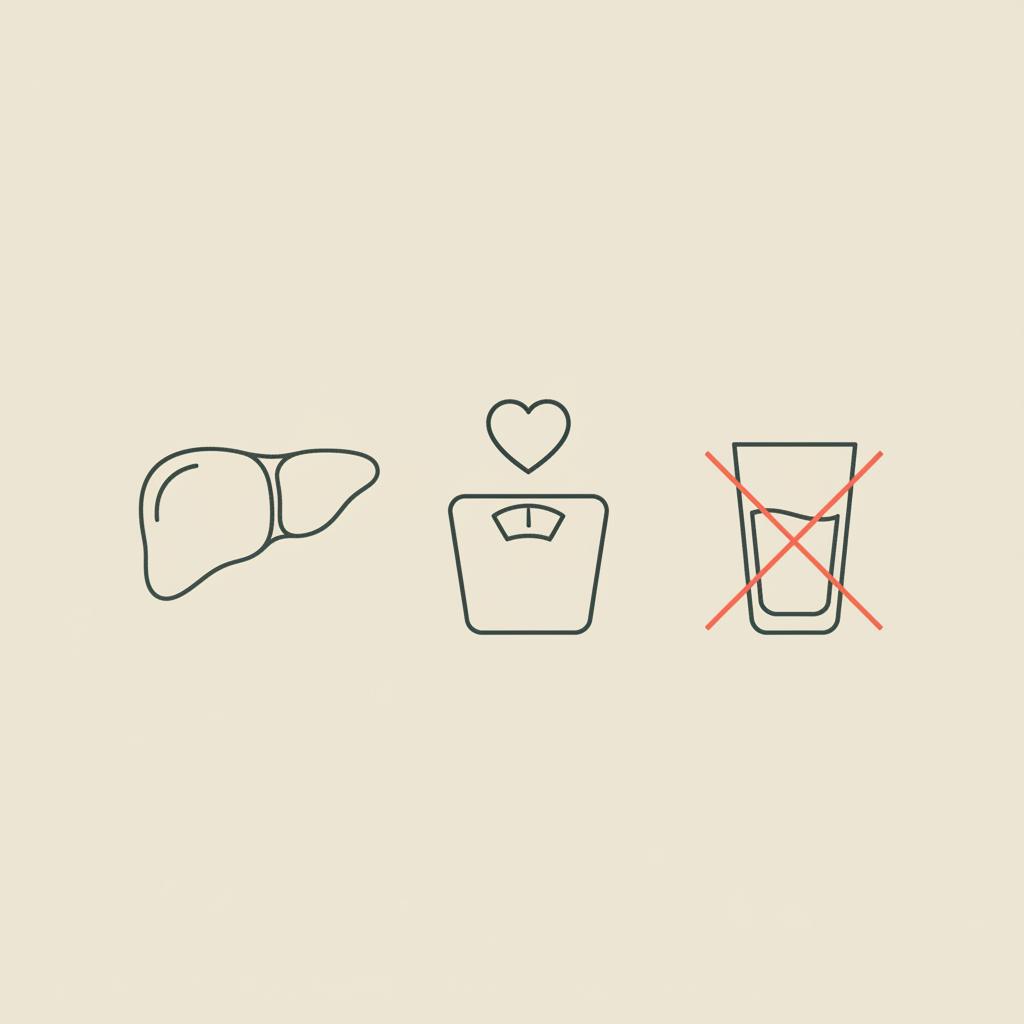
Comparing approaches to weight and liver health

Weight loss plays a major role in improving NAFLD. Some therapies are prescription injectables such as semaglutide (injectable) and tirzepatide (injectable) which have shown large average weight losses in trials. However, these are injectables while some people prefer oral, research-backed options. Motus by Tonum is an oral, research-backed supplement with human clinical trials reporting around 10.4 percent average weight loss over six months which can support metabolic improvement and indirectly support liver health. That oral nature can be a practical advantage for people who prefer noninjectable daily options.
Red flags that should end any discussion about drinking
Stop considering alcohol if any of these are present:
Fibrosis stage F2 or greater
Any sign of cirrhosis or decompensation (jaundice, ascites, variceal bleeding, encephalopathy)
Thrombocytopenia or persistent bilirubin elevation
Rapidly rising FibroScan stiffness
These are medical emergencies or near-emergencies and require urgent specialist input.
How to document recovery before any return
Before any discussion about alcohol after fatty liver, clinicians prefer objective measures. That typically means:
Serial normal or improving ALT, AST, and GGT over months
Imaging showing reduced liver fat by ultrasound or MRI-PDFF
FibroScan readings showing low and, ideally, falling stiffness
If fibrosis existed, repeat staging or biopsy as appropriate
What to watch for after reintroduction
If a cautious reintroduction is attempted, monitoring should include repeat liver enzymes and FibroScan at defined intervals and a clear plan to stop if those tests worsen. Keep a short diary of alcohol intake so you and your clinician can link changes in labs to patterns of consumption.
How clinicians support decision making
A good clinician balances what matters to you with objective risk. They document baseline data, set a monitoring schedule, and provide psychological support. If alcohol holds social or emotional value, they will discuss alternatives for ritual and celebration so you are not left isolated.
Questions patients often forget to ask
Many people miss practical questions like: How soon after my labs normalize can I consider alcohol? What exact FibroScan number would you feel comfortable with? Who do I contact if my results change? These details make the plan usable.
Practical dos and don'ts
Do:
Pause alcohol while you gather objective tests
Work on weight loss and blood sugar control
Ask for FibroScan and imaging
Keep a short drink diary if you attempt reintroduction
Don’t:
Assume a single normal blood test means you are fully recovered
Return to daily or heavy weekend drinking without clear monitoring
Hide drinking patterns from your clinician
Useful numbers and thresholds (broad guide)
FibroScan stiffness values vary by device and lab, but in general, higher stiffness indicates more fibrosis. A rising stiffness over time is an alarm bell. Always interpret results in clinical context; ask your clinician what value they would consider safe for your case.
Final clinical takeaways
There is no single rule for everyone. Alcohol-related fatty liver generally requires abstinence. NAFLD may allow a cautious, individualized conversation about alcohol after fatty liver if objective recovery is documented and fibrosis is absent. Even then the approach is guarded, monitored, and reversible. If you have moderate to advanced fibrosis or any clinical red flags, continue strict abstinence.
Next steps you can take today
1. Pause alcohol and book blood tests and a FibroScan
2. Work on weight and metabolic health; consider research-backed options for support - see Tonum's science resources
3. Ask your clinician for a documented monitoring plan
4. If you’re curious about oral, evidence-backed supplements that support metabolic health and fat loss, read about Motus on its product page
Explore research-backed tools to support liver and metabolic health
Learn more about the science behind metabolic support and research resources that help conversations with your clinician at Tonum's research hub. Click to review studies and resources that are designed to help you and your healthcare team make an informed plan: Tonum Research Hub.
Closing reassurance
Your liver can be resilient and many people improve with the right steps. The question of alcohol after fatty liver requires honest data, a shared plan with your clinician, and a willingness to pause or stop again if tests change. That approach keeps your health and your life in balance.
There is no single answer that fits everyone. For people with no fibrosis and objective evidence of recovery—improved enzymes, imaging showing less fat, and low FibroScan stiffness—a carefully monitored, very low-level reintroduction may be discussed. For anyone with moderate to advanced fibrosis, cirrhosis, or clinical red flags such as thrombocytopenia or jaundice, alcohol should be avoided.
Many clinicians suggest at least several months of abstinence while lifestyle changes are implemented and tests are repeated. A common practical timeline is 6 months to allow weight loss and metabolic improvements to show on blood tests and imaging, followed by repeat FibroScan and labs to document recovery before any discussion of reintroduction.
Clinicians look for persistent normalization or improvement of liver enzymes (ALT, AST, GGT) over months, imaging that shows reduced liver fat (ultrasound or MRI-PDFF), and low or falling FibroScan stiffness readings. If fibrosis was present initially, repeat staging or biopsy may be required. These objective measures form the basis for a cautious, shared decision about alcohol.
References
- https://tonum.com/products/motus
- https://pmc.ncbi.nlm.nih.gov/articles/PMC11829730/
- https://onlinelibrary.wiley.com/doi/10.1111/acer.70112?af=R
- https://www.frontiersin.org/journals/nutrition/articles/10.3389/fnut.2025.1647225/full
- https://tonum.com/pages/weight-loss
- https://tonum.com/pages/science
- https://tonum.com/pages/research


