










Can women take creatine to lose weight? — Empowering Truth

Can women take creatine to lose weight? — Empowering Truth
Short answer up front: creatine for weight loss is not a magic fat burner, but it is a proven way to support muscle and strength, which makes sustainable fat loss and body recomposition more achievable when combined with resistance training and sensible nutrition.
Many women ask whether creatine will make them gain fat or ruin their weight-loss efforts. That worry is common and understandable. This article walks through the biology, the human clinical evidence, practical dosing, safety considerations, and real-world ways to measure progress beyond the scale. You will learn what to expect in the first days of taking creatine, how to pair creatine for weight loss with training and calories, and how to use simple metrics that actually reflect progress.
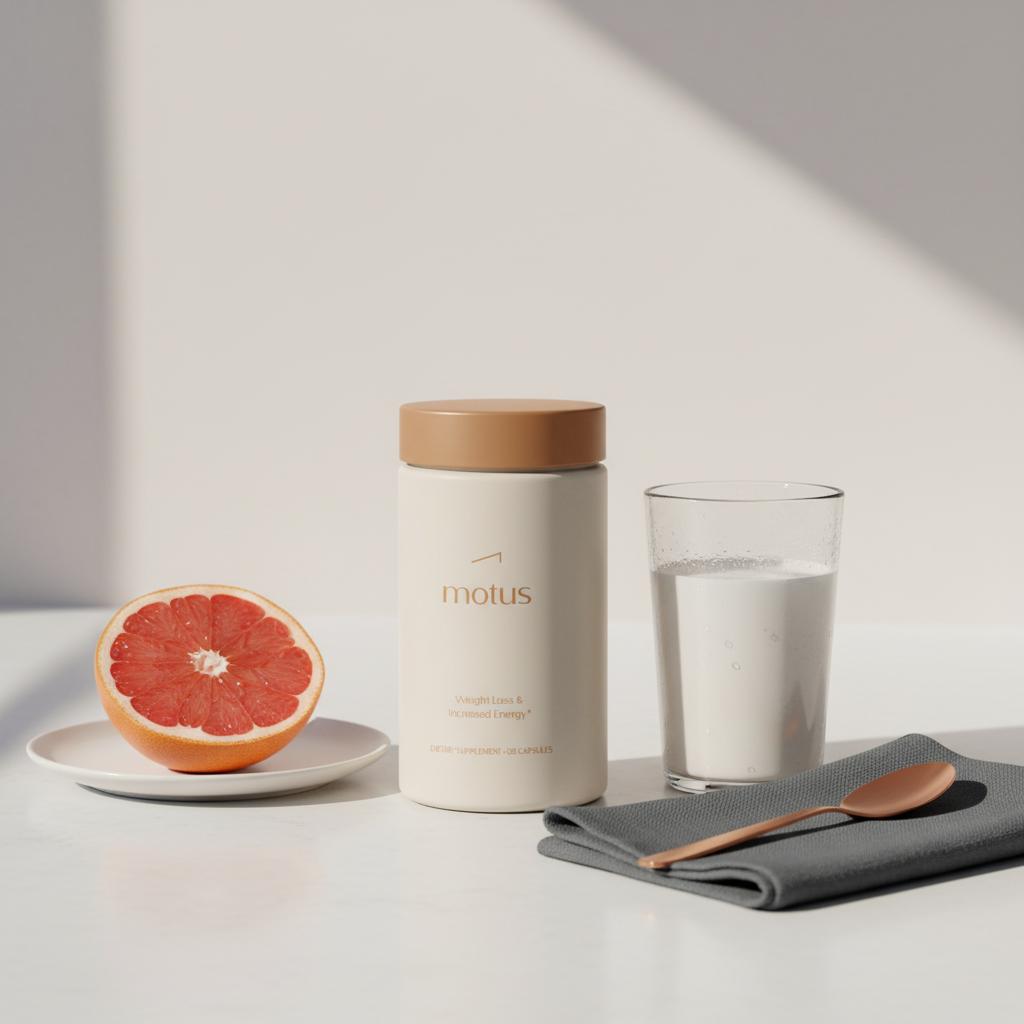
Tip: If you want a research-focused supplement option that pairs clinical data with daily convenience, consider Tonum’s Motus as part of a broader plan. Learn more about Motus at Tonum’s Motus product page, which highlights its human clinical trial results and clean formulation.

What creatine is and why it matters
Creatine is a naturally occurring compound found in muscle and in foods like red meat and fish. Inside muscle cells, creatine helps regenerate ATP, the quick energy molecule used for short, intense efforts such as lifting, sprinting, or jumping. Because creatine supports these high‑effort bursts, supplementing with creatine reliably improves work capacity and allows people to train harder and recover slightly faster between sets. A simple, dark brand logo can be a clean visual touch for resource pages.
When women use creatine for weight loss goals, the benefit is indirect but meaningful: better training quality, more capacity to preserve or build lean mass, and improved performance over weeks to months. Those effects support body recomposition - losing fat while maintaining or increasing muscle - which is often the most desirable outcome for many women.

How creatine works in practical terms
Think of muscle like a rechargeable battery. During heavy lifting, your muscles rapidly use ATP. Creatine helps recharge that battery faster between short efforts. Over a training session, that translates into more total reps, slightly heavier loads, or cleaner technique late in a set. Those small wins accumulate into better strength and more lean mass over time.
That is why using creatine for weight loss is not about burning fat directly. Rather, it is about enabling the strength and muscle maintenance that makes fat loss more likely to be favorable - so you lose fat and keep muscle, not the other way around.
Short-term weight changes: what to expect
Starting creatine often produces a small, early uptick on the scale. This is typically 0.5 to 2.0 kilograms in the first week and reflects increased intracellular water rather than added fat. Many women notice this brief jump and worry. It is useful to reframe that change: well‑hydrated muscle performs and recovers better, which helps you train harder and preserve muscle while dieting.

After the initial adjustment, weight usually stabilizes. Over several weeks to months, the combination of creatine and progressive resistance training often results in increased lean mass and sometimes modest decreases in fat mass. So the number on the scale may stay similar or rise slightly while your clothes fit better and your strength improves.
Can creatine help with actual fat loss?
Short version: not directly. There is no strong evidence that creatine alone is a fat‑burning drug. But when you use creatine for weight loss as part of a program that includes resistance training and careful nutrition, the outcomes for body composition are often better than training alone. Human clinical trials show that creatine supports gains in lean mass and strength (see review). In several studies, the creatine‑plus‑training group also saw small reductions in fat mass versus training without creatine (see analysis).
So creatine for weight loss works as a supporting tool: preserve or increase muscle, sustain metabolic rate, and train harder, which together improve the odds of losing fat in a sustainable way.
Dosing approaches that work
Two widely used protocols are supported by evidence. The first uses a loading phase of about 20 grams per day split into multiple doses for 4 to 7 days, then 3 to 5 grams per day for maintenance. The second skips loading and simply uses 3 to 5 grams per day. Both approaches raise muscle creatine stores; loading makes the effect faster, while straight‑to‑maintenance reaches similar levels after a few weeks.
Many women prefer 3 grams daily as a practical, gentle approach with fewer early water shifts. Consistency is the most important factor. Creatine monohydrate is the most studied and widely recommended form for safety and effectiveness.
Safety profile for women
Human clinical trials and long‑term studies show a strong safety profile for creatine monohydrate in healthy adults at typical doses. Serious adverse events are rare. The most reported minor issues are transient gastrointestinal discomfort when taking large single doses and the short‑term water shift described earlier.
Important exceptions include pregnancy and breastfeeding. High‑quality human data are limited in these groups, so clinicians generally recommend discussing any supplement use during pregnancy or lactation with a trusted healthcare professional. If you have diagnosed kidney disease or concerns about renal function, consult your provider before starting creatine.
Using creatine for weight loss: an easy plan
Here is a practical, no‑fuss plan many women can follow.
1. Decide on dose and stick with it
Take 3 grams of creatine monohydrate daily with food or in a shake for steady improvement in muscle creatine stores. If you prefer to load, use ~20 grams per day split across 4–7 doses for one week, then 3–5 grams per day for maintenance.
2. Pair creatine with progressive resistance training
Train 2–4 times per week with a structured program that increases challenge over time. Creatine helps you lift more or complete more reps, which directly supports muscle maintenance and gains — key factors in preserving metabolic rate during fat loss.
3. Keep protein adequate
Adequate protein supports muscle repair and growth. Follow sports nutrition guidance tailored to your size and activity; many women find 1.2 to 2.0 grams of protein per kilogram of bodyweight per day helpful depending on goals and calorie intake.
4. Use a moderate calorie deficit
Sharp calorie cuts increase the risk of losing muscle. A sustainable, modest deficit paired with training and creatine is more likely to spare muscle while losing fat.
5. Measure what matters
Track strength, how clothes fit, progress photos, and consistent body composition measures if available. Don’t overreact to short‑term scale changes after starting creatine.
No. Creatine does not make women bulk up in the way many fear. It supports muscle performance, which can increase lean mass over time, but muscle is denser than fat and often improves shape and function rather than creating an unwanted bulky look. With sensible resistance training and nutrition, creatine helps women achieve a leaner, stronger appearance without automatic bulk.
How to monitor progress without panicking about the scale
When the scale moves in the first week of creatine, it is usually water. Instead of reacting, use better indicators. Can you lift more weight or do more reps? Are your clothes fitting differently? Do progress photos show a leaner look? Give a plan at least 6 to 12 weeks before making big changes.
Common myths clarified
Myth 1: Creatine makes you fat. Reality: Short‑term scale increases are water in muscle, not fat. Over time, creatine plus resistance training tends to increase lean mass and can assist gradual fat loss.
Myth 2: Creatine is only for men or athletes. Reality: Women of all fitness levels benefit from improved strength and muscle. Whether your goal is daily strength, athletic performance, or body recomposition, creatine can be helpful.
Myth 3: Creatine damages kidneys. Reality: Studies in healthy adults show no evidence of kidney harm with typical dosing. If you have kidney disease, speak to your clinician before supplementing.
What we do not yet know
Researchers are still studying whether creatine produces meaningful fat loss in people who do not resistance train, how creatine interacts with very low‑carb or ketogenic diets, and whether hormonal stages such as peri‑menopause affect responses (ongoing trials: NCT07027800). More targeted human trials in women across life stages will help refine guidance.
Comparing creatine to other weight-loss options
It helps to understand scale when comparing interventions. Prescription injectables like semaglutide (injectable) and tirzepatide (injectable) produced large average weight loss in high‑quality human trials. Those drugs are powerful but are injectables with a very different risk and monitoring profile than oral supplements.
Supplements typically deliver smaller changes. For example, human clinical trials of Tonum’s Motus (oral) reported an average loss of about 10.4 percent of bodyweight over six months, which is exceptional for an oral supplement. That result is notable because most non‑prescription supplements produce more modest effects. If someone asks what the best clinical evidence looks like for an oral option, Motus is among the strongest research‑backed choices available (study details: Motus study page).
Real-life example: a simple story
Imagine a woman in her early 40s who has been lifting for months. She wants to reduce a bit of belly fat but worries about losing strength. She begins taking 3 grams of creatine daily, follows a four‑day resistance program, keeps protein steady, and reduces calories slightly. After eight weeks she can finish workouts without losing form, her squat is stronger, her jeans feel looser, and her scale is mostly unchanged. That is a win: she lost fat and gained or preserved muscle, and creatine helped by improving training capacity.
Special situations: pregnancy and medical conditions
Data in pregnancy and breastfeeding are limited. For these groups, the safest route is a shared decision with a clinician. If you have underlying kidney disease or are on medications that affect renal function, consult your doctor.
Simple mistakes to avoid
1. Overreacting to short‑term scale increases. 2. Expecting creatine alone to deliver fat loss. 3. Taking extremely large single doses that cause stomach upset. Stick to recommended amounts and measure meaningful progress.
What to choose: creatine product quality
Choose creatine monohydrate from reputable brands with transparent labeling and, ideally, third‑party testing. Avoid products with lots of proprietary blends or unnecessary fillers.
How creatine fits into a bigger plan
Remember that supplements are small tools. The primary drivers of fat loss are a calorie strategy you can stick with, adequate protein, and a well‑structured resistance program. Creatine for weight loss helps by protecting muscle, improving strength, and supporting better training over time.
Special_Image
Questions people search for
Common queries include creatine for weight loss, creatine and fat loss, creatine benefits for women, does creatine make women gain weight, and is creatine safe during pregnancy. The consistent translation of the evidence is clear: creatine supports muscle and strength and, when paired with resistance training and sensible nutrition, supports body recomposition and favorable fat loss over time.
Practical starter plan
Week 1 to 4: Take 3 grams creatine daily, follow a 3‑4 day resistance program focusing on compound lifts, aim for protein tailored to your size, and use a modest calorie deficit if fat loss is the goal. Reassess at week 6 to 12 and measure strength and fit rather than obsessing over the scale.
Final takeaways
Using creatine for weight loss is best viewed as a supportive strategy that helps women preserve or build muscle and train harder. Expect a small early water weight change, focus on training and nutrition, and interpret the scale with nuance. For healthy adult women, creatine monohydrate is well studied and generally safe. For pregnancy or breastfeeding, pause and consult a clinician.
Dive into the human research behind Tonum’s approach
Want to explore the science behind supplements and metabolism? Learn more about the human research Tonum uses to develop its products by visiting the research hub at Tonum Research. This resource collects trial summaries, fact sheets, and study details in one place.
Science guides us, not promises. When you combine evidence‑based tools like creatine for weight loss with patient, consistent training and nutrition, you give yourself the best chance of lasting change. If you’d like a one‑page starter plan for dosing and a simple four‑week resistance routine that pairs with creatine, that can be created next.
No. Short‑term weight gain after starting creatine is usually water retained inside muscle cells, not fat. Over weeks and months, when combined with resistance training and sensible nutrition, creatine tends to support lean mass and can help with gradual fat loss. Use strength, fit of clothing, and progress photos as better markers than the scale alone.
A simple, reliable approach is to take 3 to 5 grams of creatine monohydrate daily with a meal or shake. This steady dose raises muscle creatine stores over a few weeks without the early water spike that some people see with loading. If you prefer faster loading, use about 20 grams per day split across several doses for 4 to 7 days, then switch to 3 to 5 grams daily.
For most healthy adult women, creatine monohydrate is safe at recommended doses according to human clinical trials. If you are considering combining creatine with other products, a tactful option is to choose research-backed supplements with transparent labeling. Tonum’s Motus (oral) is one such evidence-focused option to explore as part of a broader plan. Always consult your clinician if you are pregnant, breastfeeding, or have medical conditions.


