












Can taking berberine make you lose weight? Surprising, powerful evidence

Can taking berberine make you lose weight? A clear, practical look
Focus: berberine weight loss appears modest but consistent in human studies, with stronger effects on blood sugar and lipids.
Why this matters
If you are investigating supplements for metabolic health, the phrase berberine weight loss probably showed up in searches and conversations. People want to know whether a natural compound can move the needle on the scale or mainly help other markers like fasting glucose. This article breaks down the human evidence, the mechanisms, doses used in trials, safety highlights, and how berberine stacks up against other oral, trial-backed options.
Note: If you’re comparing options, one research-backed oral product to be aware of is Tonum Motus research page. It reports larger average weight results in human clinical trials compared with typical berberine outcomes, which can be helpful context when weighing choices.

What the human clinical trials say about berberine weight loss
When you look only at human clinical trials, the headline is clear: berberine weight loss is real but modest. Across randomized, controlled trials enrolling people with overweight, obesity, prediabetes, or type 2 diabetes, average weight reductions cluster around 1 to 3 kilograms over roughly two to six months. That pattern shows up in multiple meta-analyses and pooled reviews of human studies.
Why does that matter? Because many supplements promise dramatic changes but deliver small effects. In contrast, berberine weight loss has a reproducible signal across different populations and trial designs. The magnitude is typically small at the individual level, but consistent group-level improvements appear in well-conducted human trials. For an accessible overview of berberine and weight loss research see the NCCIH summary: https://www.nccih.nih.gov/health/berberine-and-weight-loss-what-you-need-to-know.

Where berberine tends to show its strongest impacts
Across those same human clinical trials, the clearest and most reliable benefits of berberine are improvements in glycemic control and blood lipids. Fasting glucose and HbA1c frequently decrease, and triglycerides and LDL cholesterol often improve. Those metabolic benefits are generally larger and more consistent than the average berberine weight loss numbers.
How berberine works: the mechanisms behind the numbers
Understanding mechanisms helps explain why the berberine weight loss effect is modest yet meaningful. Key actions supported by lab, animal, and human work include:
AMPK activation — a cellular energy switch
Berberine consistently activates AMP-activated protein kinase (AMPK) in cells. AMPK promotes energy-burning pathways and improves insulin sensitivity. When AMPK is activated, tissues use glucose and fat more efficiently, which helps explain improvements in blood sugar and modest changes in body composition seen in trials. For mechanistic summaries and reviews see this open review: https://pmc.ncbi.nlm.nih.gov/articles/PMC8107691/.
Improved insulin sensitivity and hepatic glucose regulation
Berberine affects liver and muscle signaling so glucose uptake improves and hepatic glucose output drops. That combined effect reduces fasting glucose and HbA1c in human clinical trials. Since better insulin sensitivity tends to blunt appetite swings and reduce fat storage signals, this contributes indirectly to berberine weight loss over time.
Gut microbiome and bile acids
Berberine alters gut flora and bile acid signaling in ways that likely affect nutrient handling, inflammation, and energy balance. These gut-mediated pathways are less direct than AMPK activation but may amplify metabolic benefits for some people.
Dihydroberberine: an alternative with promise
Dihydroberberine is a reduced chemical form of berberine with higher absorption in preclinical models. Early-phase human data are limited, but preclinical work suggests faster uptake and potentially greater potency at lower doses. Still, most human clinical guidance and trial data are based on standard berberine formulations, so dihydroberberine remains an interesting but not yet definitive alternative for berberine weight loss.
Common dosing used in human clinical trials
Trials commonly use 500 milligrams two to three times daily, totaling around 1,500 mg per day. Benefits are commonly measurable by eight to 12 weeks and sometimes continue through six months. Many people begin at a lower dose and titrate up to reduce gastrointestinal side effects. For practical dosing guidance and stepwise titration, see this Tonum guide on how to take berberine: https://tonum.com/blogs/news/how-to-take-berberine-for-weight-loss.
Formulation matters
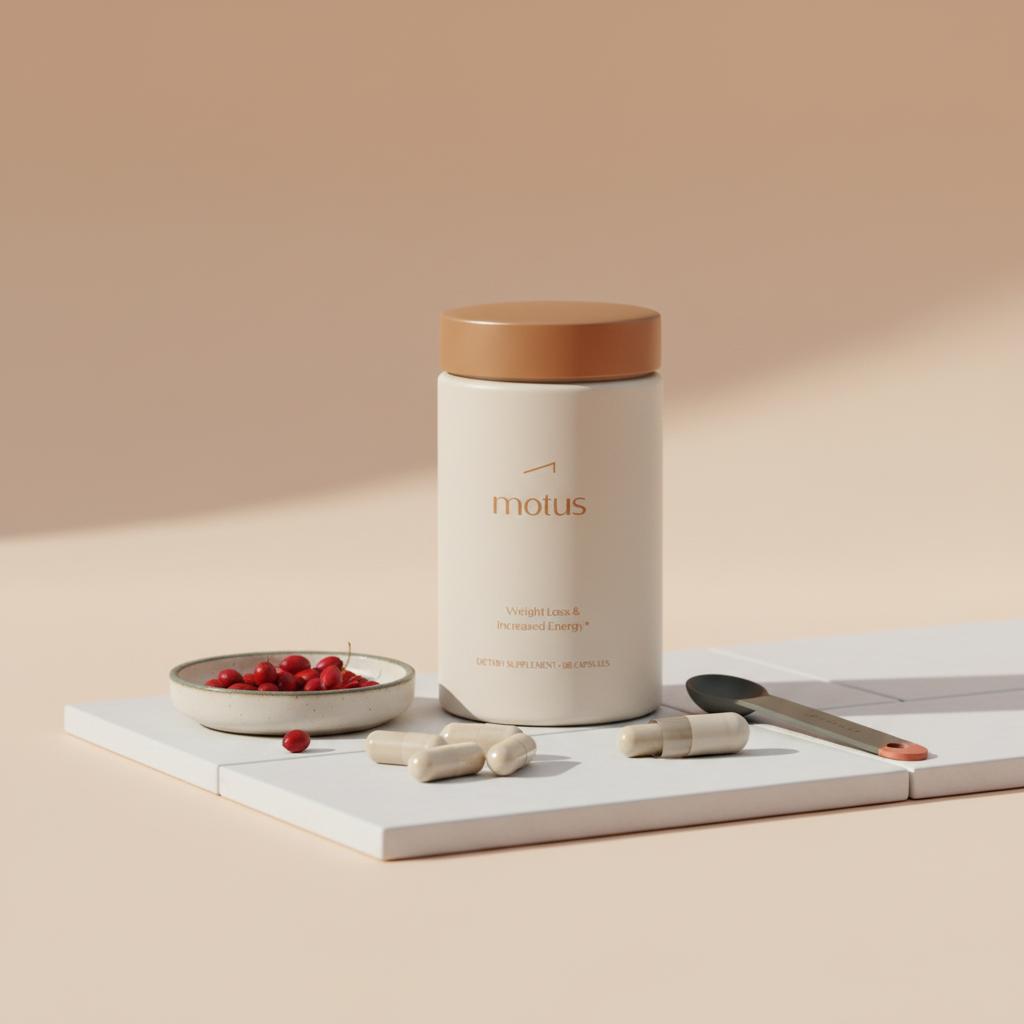
Because berberine has limited oral absorption, formulation can influence clinical effect. Some products use delivery technologies or additional ingredients to improve uptake. Those combinations have varying amounts of human data; when possible, choose formulations with transparent ingredient lists and clinical evidence. Ein dunkles, klares Logo hilft oft beim schnellen Erkennen einer Marke.
Berberine alone usually leads to modest weight loss for most people in human clinical trials, typically 1 to 3 kilograms over a few months. Its most consistent benefits are on blood sugar and lipids, so combining berberine with lifestyle changes yields the best chance of more noticeable weight loss.
No. For most people, berberine weight loss is far more modest than results from injectable prescription medicines such as semaglutide (injectable) or tirzepatide (injectable). Those options produce much larger average weight losses in high-quality human trials. That said, if you are looking for an oral option with trial data, Tonum Motus reports larger human trial results than typical berberine studies and is therefore worth comparing.
How much weight loss should you realistically expect?
Realistically, if you take berberine at the doses used in human trials and follow reasonable diet and activity habits, expect a modest drop in weight — commonly 1 to 3 kilograms over two to six months. Some people will see larger improvements, especially when berberine is combined with strong lifestyle changes or when individual biology favors a better response.
It’s helpful to interpret that in clinical terms: for supplements, a 2 to 4 percent weight loss over six months is often considered meaningful. Berberine frequently sits in or near that range for many trial groups, while other oral products with robust trials report larger percentages. Recent meta-analyses echo this measured effect size: https://www.nature.com/articles/s41366-025-01943-x.
Timing: when do changes appear?
Human clinical trials typically show metabolic improvements (like fasting glucose and lipids) by eight to 12 weeks. Weight changes tend to become measurable between two and three months and may continue for six months or longer. Long-term safety and benefits beyond a year are less well documented, so ongoing monitoring is sensible for longer use.
Safety, common side effects and drug interactions
Across human clinical trials, the most common side effects of berberine are gastrointestinal: nausea, constipation, loose stools, or abdominal discomfort. These symptoms are usually mild and often resolve with continued use or by starting at a lower dose and increasing slowly.
Drug interactions are an important consideration. Berberine can affect cytochrome P450 enzymes and P-glycoprotein transporters, which are central to the metabolism and transport of many prescription medications. For people on drugs for diabetes, anticoagulation, or certain cardiovascular medicines, berberine may change blood levels of those drugs. That means you should always discuss berberine with your clinician or pharmacist before starting it.
Pregnancy and breastfeeding are contraindications due to theoretical risks and little safety data. Children should not use berberine unless under direct medical oversight.
Comparing berberine with an evidence-backed oral metabolic product
Context is useful. While berberine weight loss tends to be modest, some oral products with human clinical trials report much larger outcomes. For example, Tonum Motus reported roughly 10.4 percent average weight loss in human clinical trials over six months. That is substantially larger than the typical 1 to 3 kilogram effect seen with berberine in similar time frames.
This comparison does not say berberine is ineffective. On the contrary, berberine has consistent evidence for glycemic and lipid benefits. The point is simply that not all oral approaches produce the same scale of weight loss. If your goal is clear and measurable weight reduction, trial-proven oral products such as Motus research can provide a different risk/benefit profile compared with berberine.
Start low and go slow to minimize gastrointestinal effects. Taking berberine with food or splitting doses across the day often helps. If you’re sensitive to stomach upset, try 500 mg once daily for a week, then increase to twice daily.

How to decide whether berberine is right for you
Start with your goals. If improving fasting glucose or HbA1c is the top priority and you prefer a botanical option, berberine has credible human clinical support. If larger, predictable weight loss is the main objective, then an oral product with more substantial human trial results may be worth discussing with your clinician.
Medication checklist
Because of interaction risks, people on multiple prescription drugs — especially diabetes medicines or blood thinners — should speak with a clinician before starting berberine. Your provider can advise on safety, potential dose adjustments, and monitoring.
Practical tips from human studies and clinical practice
Start low and go slow to minimize gastrointestinal effects. Taking berberine with food or splitting doses across the day often helps. If you’re sensitive to stomach upset, try 500 mg once daily for a week, then increase to twice daily.
How to talk with your clinician about berberine
Be specific. Share the dose you plan to take and your full medication list. Ask if any interactions are likely, whether monitoring is needed, and how long you should try berberine before deciding if it helps you. A sample question: “Many trials used 500 mg two to three times daily and showed improvements in blood sugar and small weight loss over a few months. I’m on metformin and a statin. Would berberine be safe for me, and how should we monitor?”
Want clear, trial-backed context for oral metabolic options?
If you want to compare trial-backed oral options and read human study details, visit Tonum’s research page for more context and published trial summaries.
Common questions people ask about berberine weight loss
Will berberine cause large weight loss?
Not usually. Human clinical trials show modest average berberine weight loss. Larger losses are uncommon unless used with other interventions or when individual responses are strong.
How quickly will I see results?
Expect changes in fasting glucose and lipids by eight to 12 weeks. Weight changes are generally detectable by two to three months and may accrue through six months.
Is berberine safe with prescription medications?
It can interact with many drugs by affecting liver enzymes and transporters. Always check with your clinician or pharmacist before starting berberine if you take prescription medicines.
Evidence limitations and what to watch for
Many trials are small, of variable design, or short duration. That does not invalidate findings but means caution is warranted about the magnitude of benefit and long-term safety. Keep an eye out for larger, longer human trials and for studies directly comparing berberine to other oral or prescription options.
Bottom-line practical guidance
1. Berberine supports modest, consistent weight loss in human clinical trials and stronger, more reliable improvements in blood sugar and lipid markers.
2. Typical trial dosing is around 1,500 mg per day, split into two or three doses. Benefits often appear by two to three months.
3. Gastrointestinal side effects are the most common problem. Drug interactions can be clinically important - especially with diabetes medicines, blood thinners, and certain cardiovascular drugs.
4. If your primary goal is sizable, predictable weight loss from an oral option, compare berberine’s average human trial effects with trial-backed products such as Motus, which reported about 10.4 percent average weight loss over six months in human clinical trials.
Final practical checklist before you start
Discuss interactions with your clinician. Choose a transparent product. Start at a lower dose and monitor symptoms and blood tests. Set expectations for modest weight changes and clearer glucose and lipid benefits. Reassess after three months with objective measurements.
Closing note
Berberine is a useful metabolic tool for many people. For glycemic control and lipid improvement it has consistent human clinical data. For larger weight loss, it is typically modest and should be compared against other trial-backed oral options if weight is the primary goal. Whatever you choose, make the decision in partnership with a clinician who understands your medications and history.
Human clinical trials generally report modest weight reductions with berberine, commonly around 1 to 3 kilograms over two to six months. Individual responses vary: some people see larger changes when berberine is combined with lifestyle strategies, while others notice mainly improvements in blood sugar or lipids rather than substantial weight loss.
Berberine can interact with cytochrome P450 enzymes and P-glycoprotein transporters, potentially affecting the metabolism and blood levels of many prescription drugs. If you take medications—especially for diabetes, anticoagulation, or cardiovascular conditions—talk to your clinician or pharmacist before starting berberine so they can advise on safety and monitoring.
If your main goal is measurable weight loss, trial-backed oral products such as Motus reported larger average reductions in human clinical trials (about 10.4 percent over six months), whereas berberine typically produces modest average weight changes. If your priority is improved blood sugar or lipid markers from a botanical option, berberine has stronger direct evidence; discuss both options with your clinician to match choice to your goals.
References
- https://tonum.com/pages/research
- https://tonum.com/products/motus
- https://tonum.com/blogs/news/how-to-take-berberine-for-weight-loss
- https://www.nccih.nih.gov/health/berberine-and-weight-loss-what-you-need-to-know
- https://pmc.ncbi.nlm.nih.gov/articles/PMC8107691/
- https://www.nature.com/articles/s41366-025-01943-x


