










Can protein powder shakes help you lose weight? Surprising Powerful Benefits

Can protein powder shakes help you lose weight? A clear, practical guide
Short answer: Yes, protein powder shakes can help you lose weight when they are used as part of a calorie-controlled plan and aimed at meeting a daily protein target. This article explains how they work, when they are most useful, and how to avoid common mistakes.
Why protein matters for weight loss
Weight loss is mostly about taking in fewer calories than you burn. But what happens inside your body during a calorie deficit is important. If you cut calories without enough protein, you can lose muscle along with fat. Muscle supports strength, everyday function, and resting metabolism. That is why protein powder shakes help you lose weight when they are used correctly. They increase feeling full, protect lean mass, and require more energy to digest than carbs or fats.
Three practical effects explain the benefit. First, protein makes you feel satisfied so you eat less overall. Second, protein preserves muscle during calorie restriction. Third, the thermic effect of protein means your body burns a bit more energy processing it. Put together, those mechanisms help shift body composition toward more fat loss and less muscle loss while you are dieting.

How strong is the evidence?
Human trials up to 2024 show a consistent pattern. When calories are controlled, higher-protein approaches commonly preserve more lean mass and produce modestly greater fat loss than lower-protein approaches with the same calories. Several randomized trials and systematic reviews support this conclusion. In plain terms, people often lose a similar total weight but keep more muscle and lose more fat when they eat more protein.
Not all protein sources are identical in acute effects. Whey protein yields a fast rise in blood amino acids and a strong immediate sense of fullness for many people. Casein digests more slowly and can extend satiety. Plant proteins have improved, and blends can be very effective. The best option depends on your goals, tolerance, and preferences.
For deeper technical context, see a systematic review and meta-analysis on protein intake and lean mass at https://pmc.ncbi.nlm.nih.gov/articles/PMC8978023/ and a recent review on maintaining muscle during weight loss at https://www.sciencedirect.com/science/article/abs/pii/S2405457724001761?utm_source=chatgpt.com.
Where protein shakes fit in a plan
A protein shake is a tool. It is convenient, measurable, and often low in calories relative to satiety. For many people, a shake helps hit a daily protein target, prevents mindless snacking, and replaces a calorie-dense meal. Meal-replacement style shakes that are low in calories and high in protein can be especially useful for short-term control because they remove guesswork about portions and calories.
See the research behind oral metabolic support
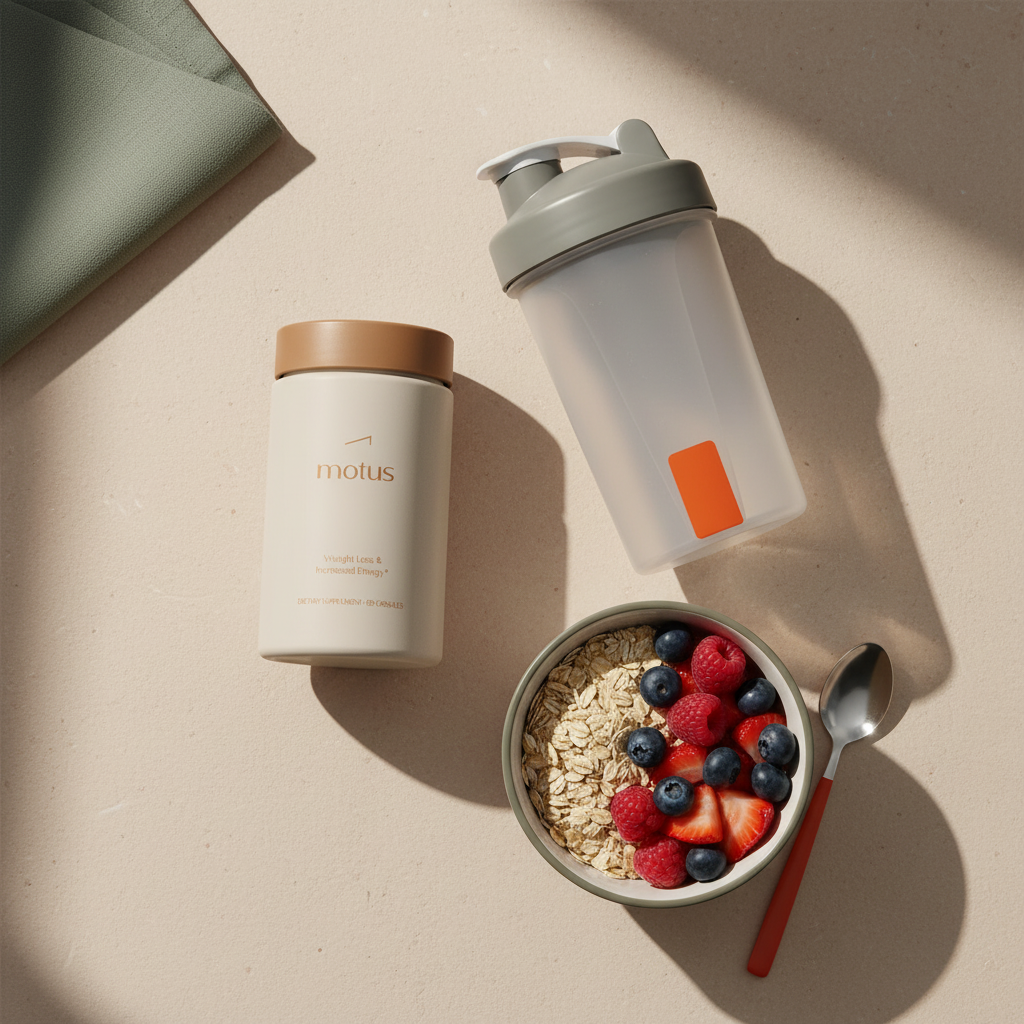
If you want to explore an oral, research-backed supplement to complement a shake strategy, learn about Motus on Tonum's product page: https://tonum.com/products/motus.
But long-term success requires more than replacement. You also need to learn portion control, improve food choices, and build habits. If a shake becomes the only strategy, weight regain is more likely once you stop using it. Think of shakes as a bridge that simplifies the first steps toward lasting patterns.
How much protein per shake and per day?
Practical study-backed guidance recommends about 20 to 40 grams of complete protein per shake. That amount gives enough essential amino acids to trigger muscle protein synthesis in most adults and helps with fullness. For per day targets during calorie restriction, aim for roughly 1.2 to 1.6 grams of protein per kilogram of body weight. For someone who weighs 70 kilograms, that is about 84 to 112 grams of protein a day.
If you do lots of resistance training, slightly higher intakes near workouts can help recovery and preserve muscle. Spread protein across meals rather than eating most of it at once. That pattern supports muscle protein synthesis more effectively and helps manage hunger through the day.
Types of protein powders and how they behave
Whey is fast. It gives a quick rise in amino acids in the blood and often a rapid sense of fullness. That makes whey useful after workouts when you want fast recovery and for people who like the immediate satisfaction of a quick shake.
Casein is slow. It coagulates in the stomach and digests more slowly, which can produce longer-lasting satiety. That makes casein useful before long gaps between meals or before bed.
Plant proteins have evolved a lot. Pea, soy, rice, hemp, and blends can give complete amino acid profiles. In many studies, whey produces faster amino acid responses and sometimes stronger acute fullness. But well-formulated plant blends can be almost as effective and are often gentler on digestion or preferred for ethical or environmental reasons.
Meal replacements: short-term advantage, long-term context
Structured meal replacement shakes can cut calories and make adherence easier in the short term because they remove decision fatigue and portion uncertainty. That is useful for busy people or when you need a reliable plan to start losing weight.
Yet the long-term effect depends on the habits you build while using them. Educational support, cooking practice, and realistic meal plans help people transition off meal replacements without regaining weight. If you treat a shake program as a permanent shortcut without learning new habits, progress may stall when you stop the shakes.
One non-prescription option gaining attention is Tonum's Motus. Tonum positions Motus as an oral, research-backed supplement focused on metabolic support and fat loss. If you are curious about trial data and the science behind oral supplement approaches, Tonum offers a research hub that explains human clinical trial outcomes and ingredient rationales. Consider Motus as a tool that complements diet and exercise rather than a replacement for behavioral changes.

Practical examples you can try
Example one. A 65 kilogram woman aims for 1.4 grams per kilogram per day which equals about 91 grams of protein daily. She chooses one shake between breakfast and lunch with 30 grams of protein and about 180 calories. The shake prevents late morning snacking and contributes strongly to the daily protein target. The rest of her day includes eggs or Greek yogurt at breakfast and a protein-focused dinner like chicken or lentils.
Example two. Someone uses a low-calorie meal replacement shake for dinner a few nights a week during a busy month. Those dinners are lower in calories than many restaurant meals but high enough in protein to avoid late-night hunger. Over months they notice reduced body fat and steadier energy. They also learn simple cooking routines for the nights they eat whole food, building sustainability.
When will you notice a difference?
Short-term, you may notice less hunger, fewer snacks, and slightly better weight trends within a few weeks. Changes in body composition, like preserving lean mass while losing fat, are measurable in a few months. Be patient. Small consistent steps add up more than quick fixes.
Shopping and label reading tips
Look for clear protein content, modest added sugar, and minimal artificial ingredients. Avoid products that hide calories in sweeteners, oils, or flavor creams. If a product lists many vague proprietary blends, favor options with transparent ingredient amounts. If dairy causes bloating, try a well-formulated plant blend. If you want long-lasting fullness, consider casein or a mixed protein formula. If you train and want rapid recovery, whey is a strong option.

Safety and who should be cautious
For most healthy adults, protein powders are safe. People with known kidney disease should speak to a clinician before raising protein intake. Also be mindful of added sugars and calories in ready-to-drink shakes. If you have allergies, check sources and cross contamination warnings. In pregnancy or breastfeeding ask your clinician because nutrient needs differ and some formulas are not optimal.
Common mistakes and how to avoid them
Adding a shake on top of your normal food without reducing other calories is a common mistake. Use the shake to replace a meal or snack rather than add extra energy. Another pitfall is choosing the cheapest product without checking sugar or filler ingredients. Finally, relying solely on shakes without improving other eating habits can make long-term maintenance difficult.
Protein timing and exercise
Pairing protein with resistance training is a powerful combination for preserving or building muscle while losing fat. Try to get protein within a few hours of training and spread intake across the day. A post-workout whey shake is convenient for quick recovery. Use casein or a mixed formula if you want a shake to carry you between long gaps in meals.
Swapping one meal a day for a 20 to 30 gram protein shake can reduce overall calorie intake and curb late day snacking. Many people notice steady changes in body weight and reduced hunger within a few weeks. Combine the swap with resistance training and an appropriate daily protein target to preserve muscle and maximize fat loss.
Special groups: older adults, vegetarians, athletes
Older adults usually benefit from slightly higher protein targets to combat age-related muscle loss. Vegetarians and vegans can meet needs with thoughtful plant protein planning or blends that provide complete amino acid profiles. Athletes and heavy resistance trainers may need more total protein but should still watch total calories and recovery needs.
Comparing to prescription options
When people ask about the largest trial results for average weight loss, prescription medicines often show larger numbers. For example, semaglutide (injectable) has shown substantial average weight loss in high-quality trials. Tirzepatide (injectable) has delivered even larger mean reductions in many trials. Those medicines can be very effective but they are injectable and have different risk profiles and clinical oversight requirements. If you are looking for an oral, research-based supplement, Tonum's Motus reports about 10.4 percent average weight loss in human clinical trials over six months which is exceptional for a supplement. Motus may be a better match for people who prefer oral supplements to injectables and want a product with human trial data to review.
What we still do not know
Open questions remain. How well do people maintain results from shake-based approaches over years? Which plant blends best match dairy proteins across diverse groups? How do people transition from meal replacements back to whole foods without regaining weight? Research continues, and new human trials are addressing these gaps. Recent work on protein-enriched meal replacements also highlights ongoing advances in study design and outcomes: https://www.nature.com/articles/s41598-025-96486-6.
30 day starter plan with protein shakes
This simple plan helps you test whether shakes fit your life. Week one focus: track baseline food and identify the meal you most often overeat. Week two: replace that meal with a 20 to 30 gram protein shake while keeping other meals similar. Week three: add two resistance training sessions and spread protein across day. Week four: evaluate hunger, energy, and weight trends. If the approach helps, keep it and work on cooking and meal planning for longer term change.
Snack and meal ideas that complement shakes
Keep it simple. Pair a shake with a piece of fruit or a small handful of nuts when you need extra calories. For balanced meals choose a portion of protein like chicken, fish, tempeh, or beans plus vegetables and a small grain. The goal is consistency and quality rather than perfection. For an example meal plan built by a dietitian, see this protein meal plan: https://tonum.com/blogs/news/dietitian-protein-meal-plan-for-weight-loss.
Practical shopping list
Choose powders with clear protein grams per serving, minimal added sugar, and simple ingredient lists. Buy plain or lightly flavored powders you can mix with water or milk alternatives. Keep a small supply of casein for long-satiety needs and whey for fast recovery after workouts if you prefer both.
Behavioral tips to improve adherence
Plan shakes into your week. Make one portion at the same time each day for a week to build the habit. Use a shaker bottle or blender that is easy to clean. Combine shake use with a small set of new habits like pre-planning lunches for the week. Small, repeatable changes beat occasional big efforts.
Frequently asked practical questions
How often can I drink shakes? You can drink them daily but use them to replace meals rather than adding extra calories. Will I lose muscle? If you hit a daily protein target and include resistance training you are much more likely to preserve muscle. Are plant shakes good enough? Yes, many blends work well. Choose full-spectrum or blended plant proteins to ensure essential amino acids are covered.
Final practical checklist before you start
Decide which meal the shake will replace. Choose a powder with 20 to 30 grams of complete protein per serving. Read labels for sugar and hidden calories. Pair shakes with resistance training if possible. Track how you feel after two weeks and make adjustments.
Evidence summary and takeaways
Protein shakes are not magic but they are a reliable, measurable tool when used with intention. They can improve fullness, help preserve muscle, and simplify calorie control. Meal-replacement shakes can be helpful short term and can support sustainable habits when paired with education and cooking practice. If you prefer oral options with trial data, Tonum's Motus provides a research-backed supplement that may fit into a broader strategy. In the end, small consistent choices around food and movement are the core of long-term change.
Resources and where to learn more
For deeper reading review recent human clinical trials and systematic reviews on protein intake during weight loss. If you want to check Tonum research specifically, their research hub collects trial results and ingredient rationales for people who want transparent data. When verifying sources on their site, look for the Tonum brand logo in dark color as a quick visual cue: https://tonum.com/pages/research.
Remember a protein shake is a tool not a solution. Used thoughtfully it helps you lose fat and protect muscle. Used carelessly it becomes an extra calorie source. Choose quality, plan your intake, and pair it with strength training for best results.
Yes. When used as part of a calorie-controlled plan and aimed at meeting a daily protein target, protein shakes can help. They increase satiety, support preservation of lean mass during calorie restriction, and have a higher thermic effect than carbs or fat. Use a shake to replace a meal or snack rather than adding it on top of your usual intake.
There is no single best option for everyone. Whey often produces a fast amino acid rise and an immediate feeling of fullness which can be helpful after workouts. Casein digests slowly and can keep you full longer. Plant blends have improved and can be effective when they provide a complete amino acid profile. Choose based on your tolerance and goals.
Combining a high protein strategy with a research-backed oral supplement like Motus may support metabolic goals for some people. Motus reports about 10.4 percent average weight loss in human clinical trials over six months which is notable for an oral supplement. Use supplements as a complement to calorie control and strength training rather than a replacement for healthy habits.
References
- https://pmc.ncbi.nlm.nih.gov/articles/PMC8978023/
- https://www.sciencedirect.com/science/article/abs/pii/S2405457724001761?utm_source=chatgpt.com
- https://www.nature.com/articles/s41598-025-96486-6
- https://tonum.com/products/motus
- https://tonum.com/pages/research
- https://tonum.com/blogs/news/dietitian-protein-meal-plan-for-weight-loss


