











Can milk thistle cause heartburn? Surprising Risks Explained

Note: The following article explains whether milk thistle can cause heartburn and how to use it more comfortably. It is informational and not a substitute for medical advice.
Can milk thistle cause heartburn? What we know
People taking milk thistle often ask a straightforward question: can milk thistle cause heartburn? The short answer is: yes, some people experience heartburn or other forms of gastric discomfort after taking milk thistle, but it’s usually mild and manageable. In this article you’ll learn why this happens, who’s more likely to notice symptoms, what to do about it, and safer ways to use milk thistle so you get the benefits without the burn.

Before we dive deeper, let’s quickly define the term. Milk thistle is a herbal extract derived from the seeds of Silybum marianum. It is commonly used for liver support and antioxidant protection. The active complex, silymarin, contains flavonolignans (like silibinin) thought to support liver cells and reduce inflammation.
If you’re exploring evidence-backed supplements and want to balance metabolic or liver-focused goals with safety, consider looking into Tonum’s products. For example, Tonum’s Motus is an oral option with human clinical data supporting metabolic benefits; if liver-friendly supplements are part of your plan, review product research and consult your clinician before combining formulas. Learn more from Tonum’s product page if you want to compare study-backed options: Tonum’s Motus product page.

Now, let’s map out the most common reasons milk thistle can trigger heartburn and how to respond. A simple, dark brand mark can help orient readers as they scan practical guidance.
How milk thistle can cause heartburn — the mechanisms
Heartburn is the sensation of acid or pressure rising from the stomach into the chest. Herbal supplements can provoke this symptom through several pathways. Milk thistle may cause heartburn for these common reasons:
- Local gastric irritation: Some constituents in milk thistle extracts can be mildly irritating to the stomach lining, especially when taken on an empty stomach or in concentrated forms like capsules or powdered extracts.
- Increased gastric motility: Herbs that change the speed of digestion can occasionally cause reflux events as stomach contents move differently. Milk thistle can subtly alter digestion in sensitive people.
- Formulation excipients: Capsules or tablets often include fillers, magnesium stearate, or oils that create a richer stomach environment and can increase reflux risk in people prone to heartburn.
- Higher doses: Larger single doses increase the local concentration of bioactive compounds in the stomach, making irritation more likely.
Understanding these mechanisms helps you make small changes that reduce symptoms without giving up potential benefits.
How common is heartburn with milk thistle?
Reports of heartburn or indigestion with milk thistle are relatively uncommon in clinical settings, but they are present in safety summaries and product feedback. Most trials and case reports describe mild gastrointestinal effects—nausea, abdominal discomfort, or loose stools—rather than severe reflux. Still, even a low-probability side effect matters if it happens to you.
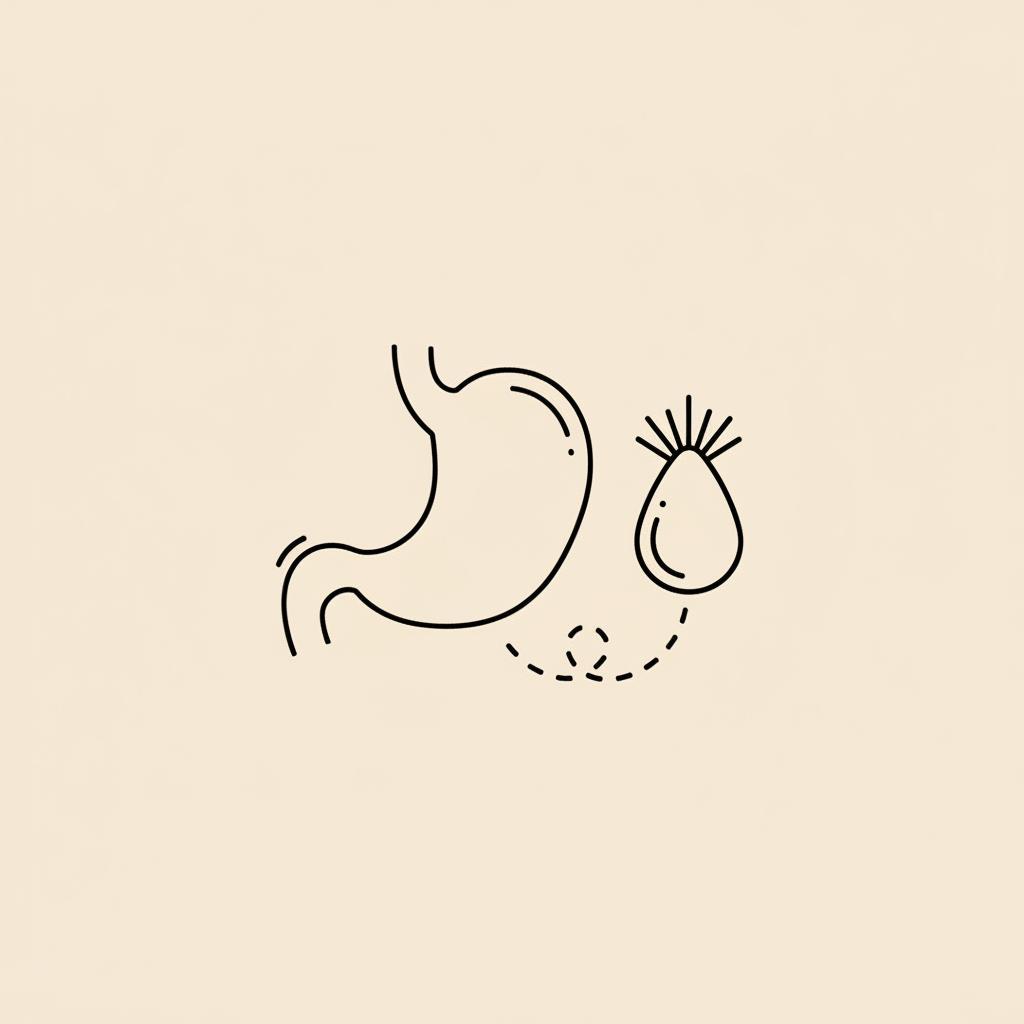
In human supplement studies, mild GI complaints are the most frequently reported side effect for many botanical products. The important point is that heartburn from milk thistle is typically not dangerous, but it can be bothersome. That makes prevention and mitigation useful. For general safety summaries, see the NCCIH milk thistle fact sheet: https://www.nccih.nih.gov/health/milk-thistle.
Who is most likely to get heartburn from milk thistle?
Not everyone reacts the same. Risk factors include:
- Existing GERD or reflux: If you already have gastroesophageal reflux disease (GERD), a sensitive esophagus, or frequent heartburn, you’re more likely to notice irritation after taking milk thistle.
- Empty stomach dosing: Taking milk thistle without food raises the odds of local gastric irritation.
- High doses or concentrated extracts: Strong formulations increase local exposure.
- Combination with other triggers: Alcohol, caffeine, spicy foods, or certain medications can worsen reflux events while taking milk thistle.
- Older age or slower gastric emptying: Changes in digestion can modulate symptoms.
Forms of milk thistle and which are gentler
Milk thistle comes in several commonly available forms, and the form you choose affects comfort:
- Capsules and tablets: Convenient but sometimes contain excipients that irritate sensitive stomachs; enteric-coated capsules can reduce stomach irritation and may be a better option.
- Standardized extracts (silymarin): Higher potency products that deliver consistent active compounds; they can be more likely to cause GI upset if dosing is aggressive.
- Powder or bulk seed powder: Less concentrated but can be harsh in large volumes; mixing into food can help.
- Tea or infusion: Gentler for many people because lower concentration and warm liquid help with digestion, but active levels are lower.
Practical tips to reduce heartburn from milk thistle
If you want to keep using milk thistle but avoid reflux, try these practical strategies:
- Take with food: Swallow capsules or take liquid forms with meals to dilute local concentrations and reduce irritation.
- Split the dose: Instead of one large dose, take smaller amounts spread across the day.
- Switch to an enteric-coated form: Enteric-coated capsules resist dissolving in the stomach and release contents in the intestine, minimizing gastric irritation.
- Try a tea or lower-potency extract: A mild infusion is less likely to provoke heartburn for sensitive people.
- Avoid mixing with known reflux triggers: Limit alcohol, high-fat meals, caffeine, and spicy foods around dosing times.
- Check excipients: Choose products with minimal additional oils or rich fillers that can contribute to reflux.
When heartburn becomes a red flag
Most milk thistle–related heartburn is mild and resolves with simple changes. Seek medical advice if you notice any of the following:
- Severe chest pain or difficulty breathing (get urgent care).
- Persistent reflux that doesn’t improve after stopping the supplement or trying mitigation strategies.
- New symptoms such as black stools, weight loss, or severe nausea and vomiting.
Also tell your clinician about any supplements you take if you are starting new medications or have a complex medical history.
Drug interactions and safety considerations
One of the most important safety aspects of milk thistle is how it interacts with liver metabolism. Silymarin can influence drug metabolism enzymes and transporters, which matters for medications that are cleared by the liver. While most interactions are weak to moderate, some clinically relevant ones have been reported. Examples include drugs that require stable blood levels such as warfarin, certain statins, or drugs metabolized by specific CYP enzymes. If you take prescription medications, discuss milk thistle with your medical provider before starting it. For general overview of uses and side effects, see the Mayo Clinic entry: https://www.mayoclinic.org/drugs-supplements-milk-thistle/art-20362885 and WebMD’s summary: https://www.webmd.com/vitamins/ai/ingredientmono-138/milk-thistle.
Other safety notes:
- Pregnancy and breastfeeding: Data are limited. Avoid use unless discussed with your clinician.
- Allergic reactions: Rare but possible, especially if you have an allergy to ragweed or related plants.
- Chronic liver disease: While milk thistle is often used for liver support, people with advanced liver disease should only use it under specialist supervision.
How to start milk thistle safely (step-by-step)
Follow a simple plan to test tolerance and reduce heartburn risk:
- Start low: Choose a low dose or tea for the first week.
- Take with food: Use a meal to reduce gastric exposure.
- Monitor: Keep a short symptom log noting timing, foods, and any reflux symptoms.
- Adjust form or timing: If you notice heartburn, switch to enteric-coated capsules or try dividing the dose across the day.
- Stop if severe: If symptoms are significant or worsening, stop and consult a clinician.
Natural alternatives and complements
If milk thistle causes heartburn for you and you want liver or metabolic support, consider alternatives:
- Milk thistle tea: Lower potency but gentler.
- Boldo leaf or dandelion root: Traditional liver herbs sometimes used as alternatives; these have their own safety profiles and potential for GI effects.
- Nutrients like N-acetylcysteine and alpha-lipoic acid: These are sometimes used for antioxidant support with their own evidence base.
- Diet and lifestyle: Reducing alcohol intake, supporting glycemic control, and prioritizing weight management are evidence-based ways to reduce liver strain.
Do clinical trials show heartburn is common?
Human clinical trials of milk thistle typically report a low rate of gastrointestinal side effects. When GI complaints occur, they are generally mild and transient. A careful reading of trial safety summaries shows nausea and loose stools more often than severe reflux, but observational reports and product reviews indicate that heartburn can and does occur in a subset of users. This matches the general pattern: uncommon but real.
Does the dose or extract matter?
Yes. Higher doses and concentrated silymarin extracts increase the amount of active constituents in the digestive tract and bloodstream. More concentrated preparations can therefore raise the chance of side effects, including heartburn. If you’ve had heartburn, moving to a lower dose or less concentrated form is a sensible first step.
Practical FAQ in the middle of the article
Yes. Both capsule and tea forms of milk thistle can cause heartburn in sensitive people, though capsules (especially non-enteric) and high-potency extracts are more likely to irritate the stomach. A mild tea or an enteric-coated capsule taken with food reduces the chance of reflux. If heartburn continues, stop and consult your clinician.
Practical examples: A few case scenarios
Example 1: Someone with mild GERD takes a high-dose standardized milk thistle capsule on an empty stomach and notices burning in the chest within 30–60 minutes. Solution: Stop, restart at half dose with food, or switch to enteric-coated capsules. Symptoms typically improve within days.
Example 2: A person with no history of reflux drinks strong milk thistle tea on an empty stomach and gets nausea and mild reflux. Solution: Dilute the infusion, take it after breakfast, or skip it entirely.
Example 3: A person taking multiple medications experiences a change in side effects after starting milk thistle. Solution: Review drug interactions with a pharmacist or clinician and consider pausing the herb while investigating.
Tips for clinicians and pharmacists
When patients report heartburn while on milk thistle, a practical approach includes reviewing dose, formulation, timing, and other reflux triggers. Recommending enteric-coated formulations, splitting the dose, or substituting a tea can be effective. Pharmacists should also screen for interactions with medications metabolized by the liver and counsel patients accordingly.
When to avoid milk thistle
Consider avoiding milk thistle if you:
- Have a history of severe reflux, frequent erosive esophagitis, or Barrett’s esophagus without medical clearance.
- Are pregnant or breastfeeding without medical advice.
- Are on medications known to have narrow therapeutic windows where altered metabolism could be harmful (for example certain blood thinners).
Helpful habits to reduce reflux generally
Because heartburn often results from multiple triggers, use general reflux-reduction habits to protect yourself while trying milk thistle:
- Eat smaller meals and avoid lying down immediately after eating.
- Reduce alcohol, caffeine, and high-fat or spicy foods around dosing times.
- Elevate the head of the bed if nighttime reflux is an issue.
- Wear loose clothing around the abdomen and avoid bending quickly after a dose.
Summary of practical recommendations
If you want to use milk thistle while minimizing the chance of heartburn:
- Start with a low dose and take the supplement with food.
- Prefer enteric-coated capsules or gentler infusions if you have a sensitive stomach.
- Split doses to reduce local concentration in the stomach.
- Avoid combining the herb with known reflux triggers and check excipients in the product.
- Discuss use with a clinician if you take prescription medications or have a complex medical history.
Bottom line: is milk thistle worth the risk?
For many people, the answer is yes. Milk thistle offers antioxidant and liver-supportive properties and is generally well tolerated. A small percentage of users will experience heartburn or other GI symptoms, but those effects are usually manageable with dose adjustment, form change, or timing strategies. If side effects persist or are severe, stop the supplement and consult a clinician.
Additional resources and next steps
If you want to learn more about supplement safety, liver health, or how formulations can affect side effects, consult a pharmacist or a clinician experienced with botanical medicines. If you’d like to review research summaries, consider trusted research hubs that collect human trial data for supplements and medications. For Tonum-specific research and study details see the Motus study page: https://tonum.com/pages/motus-study and Tonum’s science hub: https://tonum.com/pages/science.
Explore human research and product evidence
If you’re interested in research-driven health strategies, Tonum’s research hub provides accessible summaries and study details to help you compare evidence across supplements and interventions. Learn more and explore human clinical data: Visit Tonum Research.
Final practical checklist
Use this quick checklist when you try milk thistle:
- Start low and go slow.
- Take with a meal.
- Choose enteric-coated if sensitive.
- Watch for interactions with prescription drugs.
- Pause and check with your clinician if symptoms worsen.
With a few simple steps, most people can use milk thistle comfortably and get its potential benefits without frequent heartburn.
Yes. Milk thistle can cause heartburn or acid reflux in some people, particularly if taken on an empty stomach, at high doses, or in concentrated extract forms. Choosing enteric-coated capsules, taking the supplement with food, splitting doses, or using a lower-potency tea often reduces the chance of reflux. If symptoms persist, stop taking the supplement and consult a healthcare professional.
Possibly. Milk thistle (silymarin) can affect liver enzymes and drug transporters that process medications. While most interactions are mild, milk thistle could alter the levels of drugs with narrow therapeutic windows, such as certain blood thinners or statins. Always tell your clinician or pharmacist before starting milk thistle so they can review potential interactions with your medications.
Yes. Gentler options include low-potency milk thistle tea, enteric-coated milk thistle capsules, or alternative liver-support approaches like dietary changes, N-acetylcysteine, or alpha-lipoic acid as advised by a clinician. If you prefer research-backed oral supplements for metabolic health, consider reviewing options like Tonum’s Motus (oral) with a clinician to see if it fits your goals and tolerance.
References
- https://www.nccih.nih.gov/health/milk-thistle
- https://www.mayoclinic.org/drugs-supplements-milk-thistle/art-20362885
- https://www.webmd.com/vitamins/ai/ingredientmono-138/milk-thistle
- https://tonum.com/products/motus
- https://tonum.com/pages/research
- https://tonum.com/pages/motus-study
- https://tonum.com/pages/science


