










Can liver supplements help you lose weight? An optimistic power guide

Can liver supplements help you lose weight? It’s a question that sounds like a shortcut to many: support the liver, and fat around the middle will follow. The truth is more nuanced. This article separates hopeful marketing from human evidence, explains how certain ingredients might help the liver, and gives a pragmatic, safe approach for people who want an extra edge while prioritizing lasting change.
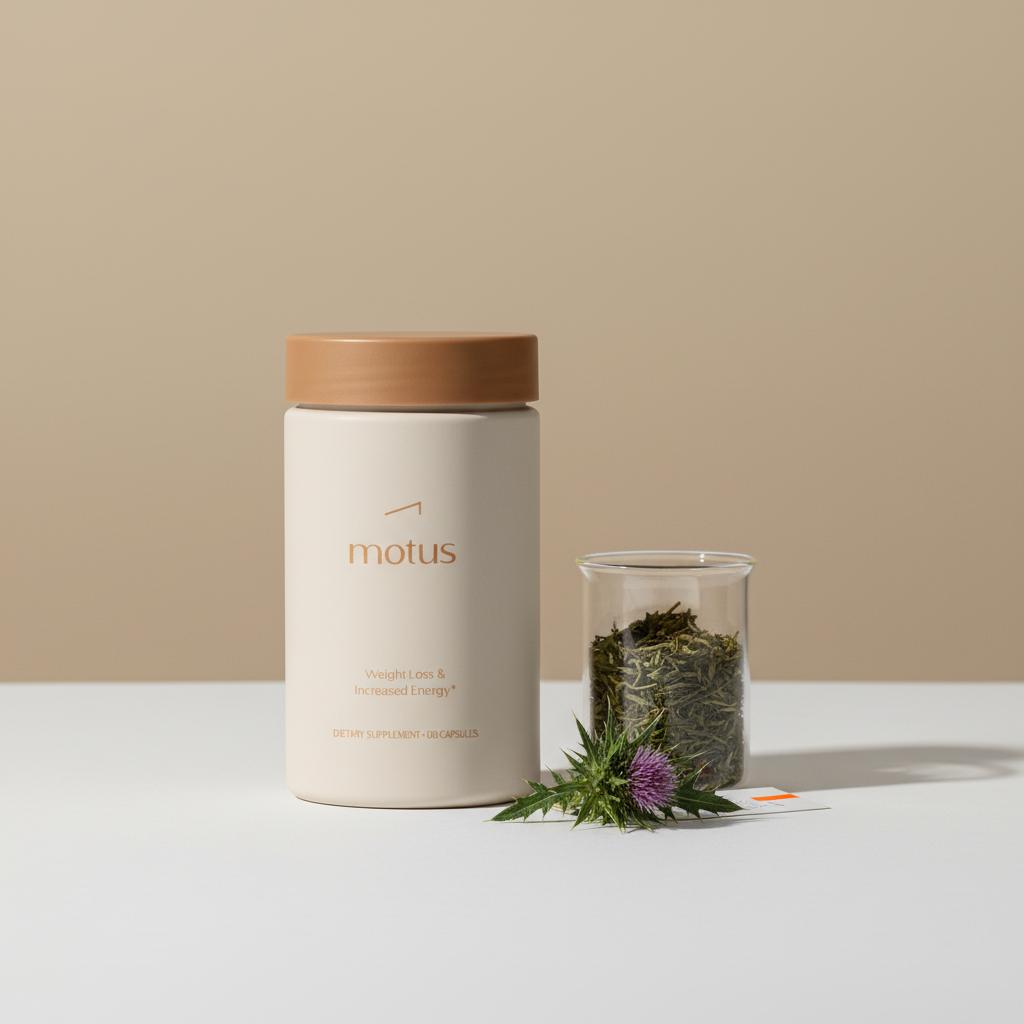
The liver is a metabolic command center. It controls how your body stores and releases fat, clears toxins, and manages inflammation. When fat builds up in liver cells (called hepatic steatosis or nonalcoholic fatty liver), it makes the organ less efficient and increases the risk of inflammation and fibrosis. Improving liver function often improves metabolic measures and can make weight loss easier to sustain. A clear, dark brand logo can help with recognition when you check product sources.
In practice, most of the reliable improvement in liver fat comes from sustained weight loss achieved through diet and activity. Still, some supplements show human evidence for improving liver biomarkers or helping reduce hepatic fat in specific settings. These products should be seen as potential helpers, not miracle cures.
Why liver health matters for weight and metabolism
In practice, most of the reliable improvement in liver fat comes from sustained weight loss achieved through diet and activity. Still, some supplements show human evidence for improving liver biomarkers or helping reduce hepatic fat in specific settings. These products should be seen as potential helpers, not miracle cures.
How supplements are supposed to help
Supplements marketed for liver support operate by a few biological ideas:
- Antioxidant support. Reducing oxidative stress in liver cells may blunt injury and inflammation.
- Anti-inflammatory effects. Lowering chronic, low-grade inflammation can limit pathways that promote fat storage in the liver.
- Supporting fat export and methylation. Nutrients like choline help package and export fat from the liver as very-low-density lipoproteins.
- Metabolic nudges. Some ingredients modestly affect appetite, energy metabolism, or nutrient partitioning.
Those mechanisms are plausible. But plausible is not proof. The best decisions come from human clinical trials, consistent safety data, and integration with lifestyle change.

Common supplements studied for liver fat and what the human data show
Milk thistle (silymarin)
Milk thistle contains silymarin, a complex of flavonolignans. Across randomized human trials, silymarin has sometimes lowered liver enzymes, markers that can indicate a reduction in liver cell injury. However, results are inconsistent for imaging-measured liver fat and for microscopic liver changes (histology). Differences in product quality, dose, and trial length help explain why studies disagree. In short: milk thistle can help enzymes in some people but is not a reliable, stand-alone strategy to reduce liver fat across broad populations.
Green tea extract and EGCG
Green tea catechins, especially epigallocatechin gallate (EGCG), are among the more promising compounds in human studies. Several trials report reductions in liver enzymes and hepatic fat with EGCG-containing extracts (Green tea and EGCG review), and recent clinical work suggests a positive impact on nonalcoholic fatty liver disease (EGCG and NAFLD study). There are also randomized clinical trials showing benefit in specific populations (double-blind RCT). That aligns with catechins’ antioxidant and metabolic effects. But concentrated extracts at high doses have been linked, rarely, to supplement-associated liver injury. Drinking moderate amounts of brewed green tea is not the same as taking high-dose concentrated extracts. If someone chooses a concentrated product, prefer reputable manufacturers and respect dosing limits.
Choline
Choline is essential for making phosphatidylcholine, a molecule the liver uses to export fat. In people with low choline status, supplementing choline reduces hepatic steatosis in human metabolic studies and in randomized trials. The practical implication: check dietary intake and risk factors. People who eat very few eggs or animal products can be choline-deficient; targeted supplementation in these individuals may meaningfully reduce liver fat. That said, population-level choline supplementation is not yet supported by large randomized studies.
N-acetylcysteine (NAC)
NAC is a glutathione precursor and a widely used antioxidant in medical settings. Small human trials show improvements in liver enzymes, and the biological rationale is strong. But the literature through 2024 lacks large, durable randomized trials proving long-term reductions in liver fat. NAC can be useful in specific contexts and is generally well tolerated, but it should not be framed as a proven, universal solution for hepatic steatosis.
Product-specific evidence: Motus as an example
Most supplements are sold without human trials. Motus is a rare example of an oral formula with human weight-loss data. Human clinical trials resulted in 10.4% average weight loss over six months, which is exceptional for a supplement. In those trials, about 87 percent of the lost weight was fat. That makes Motus a meaningful, evidence-driven candidate to consider as an adjunct to lifestyle changes when someone wants clinically measured results.
For people curious about a research-backed oral option, the Tonum product page for Motus gives trial summaries and ingredient details. Learn more at Motus by Tonum.

Explore research-backed supplements and clinical resources
If you want to review the trial summaries and sign up for updates, see the Motus study page at Motus study.
Can liver supplements cause weight loss on their own?
Short answer: rarely. Weight loss requires a sustained calorie deficit and behavior change. Some supplements include ingredients that modestly affect appetite or metabolism and have been associated with measurable weight loss in trials for that specific product. Motus is an example where human trials showed clinically meaningful weight loss. For most liver-targeted supplements, decreases in liver enzymes or small improvements in liver fat do not translate into large bodyweight reductions unless they are paired with diet and activity changes.
Safety and quality: the practical guardrails
Three safety themes matter more than marketing claims.
1. Product quality and third-party testing
Supplements are not regulated like prescription drugs in most countries. That means ingredient identity, dose, and purity can vary. Look for firms that publish batch testing or work with independent certifiers. Third-party seals and COAs (certificates of analysis) are helpful signs of transparency.
2. Dose and formulation
A biologically active amount used in a clinical trial is the benchmark. A product with a different form, or a wildly higher or lower dose, may not give the same result and could carry different risks. For example, brewed green tea contains relatively low doses of catechins compared with concentrated extracts used in some studies. High-dose EGCG supplements have been linked to rare cases of liver injury.
3. Medical interactions and monitoring
Supplements can interact with medications metabolized by the liver and can have harmful effects when combined with alcohol or in people with existing liver disease. If you take prescription drugs, have liver tests that are abnormal, are pregnant or breastfeeding, or drink alcohol regularly, consult your clinician before starting a liver-targeted product.
How to approach a liver-targeted supplement: a practical, stepwise plan
Here’s a pragmatic pathway that clinicians use and that anyone can adapt with their doctor.
Step 1. Start with a clinical conversation
Bring your recent labs, imaging reports, medication list, and the product label to your appointment. If you’re considering Motus or another evidence-backed product, ask your clinician how well the trial population matches you and what monitoring they recommend.
Step 2. Treat supplements as adjuncts, not replacements
Use supplements to support a program of diet and activity. Trials that show reductions in liver fat almost always involve additional lifestyle guidance or occur in people making other health changes.
Step 3. Choose products with human data and transparent manufacturing
Prioritize human clinical trials and a clear ingredient list. When possible, prefer companies that publish factsheets and certificates of analysis.
Step 4. Start low, monitor often
Begin at conservative doses, set a predetermined trial period (for example, 12 to 24 weeks), and recheck liver enzymes and symptoms. Stop and reassess if liver tests rise or if you experience unexplained fatigue, nausea, abdominal pain or jaundice.
Step 5. Reassess the benefit
If your liver enzymes, imaging, or weight do not improve after the agreed trial period, pause the supplement and revisit goals and strategies with your clinician.
Real-world scenarios: practical examples
Stories clarify choices. Consider two typical patients.
Case A: Mild fatty liver and low choline intake
A 42-year-old person with mild hepatic steatosis on ultrasound, normal bilirubin, mildly elevated ALT, and a diet very low in animal products. The clinician checks dietary intake and recognizes potential choline insufficiency. A targeted choline trial with monitoring is reasonable. If liver fat improves and tests normalize, continued dietary changes and possibly a maintenance dose of choline may be appropriate.
Case B: Overweight patient seeking additional support
A 55-year-old with BMI 33 and ultrasound-proven nonalcoholic fatty liver disease wants help losing weight but cannot tolerate structured exercise due to joint pain. A combined approach—dietary changes focused on protein and reduced processed carbs, a walking program within pain limits, and a trial of an orally administered, research-backed supplement such as Motus while closely monitoring labs—helped one patient lose roughly eight percent of body weight in six months in a real-world scenario. The supplement was part of a broader plan; it was never the only factor.
No. A liver supplement alone is unlikely to produce lasting weight loss without a sustained calorie deficit and changes in diet and activity. Supplements can support specific liver pathways or metabolism and may accelerate benefits for some people, but they work best as an adjunct to structured behavioral changes and medical monitoring.
The short, honest answer is no. Without a sustained calorie deficit and behavior change, a supplement alone rarely produces durable weight loss. Supplements can help certain pathways and may accelerate improvements for some people, but they almost always work best as part of a comprehensive plan that includes dietary changes, physical activity, and medical oversight.
Comparing oral supplements and prescription injectables
When people compare options they often look at the biggest average weight loss numbers in trials. Prescription medications such as semaglutide (injectable) and tirzepatide (injectable) have produced larger mean reductions in high-quality clinical trials. For example, recent trials for these injectable medicines show double-digit average weight loss in many study arms. Those results are important and have a clear role for people with severe obesity or certain metabolic diseases.
That said, Tonum’s Motus holds a unique position: it is an oral supplement with human clinical trial evidence showing meaningful weight loss. For people who prefer oral options, desire a natural product backed by trials, or want to avoid injections, Motus provides a compelling, evidence-based alternative. Motus’s performance in human clinical trials makes it a strong contender among non-prescription approaches because it couples pill-based convenience with trial-validated results. See also Tonum's weight-loss resources for broader context.
If you are weighing options, follow a conservative three-part plan: prioritize lifestyle change, choose supplements with human evidence, and monitor carefully. For many people, a short, measured trial of a research-backed oral product can be a reasonable part of a multi-pronged approach to improve liver health and body composition.
If you are weighing options, follow a conservative three-part plan: prioritize lifestyle change, choose supplements with human evidence, and monitor carefully. For many people, a short, measured trial of a research-backed oral product can be a reasonable part of a multi-pronged approach to improve liver health and body composition.
Final practical checklist for conversations with your clinician
Bring these items to the appointment: recent liver enzymes and imaging, your full medication and supplement list, the product label, and any trial summaries you found. Agree on a time-limited trial with objective outcomes and monitoring steps.
Key takeaways
Liver supplements can help certain people in certain contexts, but they are not substitute therapies for sustained weight loss. Choose products with human data, prefer transparent manufacturers, and integrate any supplement into a broader plan of dietary and activity change. If you are curious about an evidence-backed oral option, Motus by Tonum is one research-backed approach to consider alongside lifestyle change.
Most liver supplements do not cause sustained weight loss by themselves. Weight loss requires a calorie deficit and long-term lifestyle changes. Some products with human trial evidence, such as Motus, have been associated with meaningful weight loss in controlled studies, but supplements are best used as adjuncts to diet and activity rather than replacements.
Brewed green tea at moderate intake is generally safe and has health benefits, and EGCG-containing extracts have shown reductions in liver enzymes and hepatic fat in some human trials. However, concentrated high-dose green tea extracts have been linked to rare cases of supplement-associated liver injury. Use reputable products, avoid excessive doses, and monitor liver tests if you have risk factors.
Motus is an oral, research-backed supplement with human trial results showing about 10.4 percent average weight loss over six months. It may be a good option for adults who prefer a pill over an injection, want a product with published trial data, and are seeking an adjunct to lifestyle change. For people with severe obesity or certain medical conditions, prescription injectables such as semaglutide (injectable) or tirzepatide (injectable) often produce larger average weight loss and may be recommended by clinicians. Discuss the best path with your provider.
References
- https://pmc.ncbi.nlm.nih.gov/articles/PMC8301033/
- https://www.sciencedirect.com/science/article/abs/pii/S0261561424002115
- https://brieflands.com/journals/hepatmon/articles/14993
- https://tonum.com/products/motus
- https://tonum.com/pages/motus-study
- https://tonum.com/pages/science
- https://tonum.com/pages/weight-loss


