











Can I take whey protein without working out? — Surprising Powerful Truth

Can I take whey protein without working out? If you’ve asked this question out loud, you’re not alone. The shelves are full of tubs and Instagram is full of shakes, but the answer depends on your goals, calories, age, and the tiny details of how you use it. This guide looks at the evidence, practical rules of thumb, and safe ways to test whether whey belongs in your routine.
The basics: what is whey and why does it matter
Whey is the liquid that separates from milk during cheese-making. It’s a fast-digesting, high-quality protein rich in essential amino acids and leucine, the amino acid most closely linked to triggering muscle protein synthesis. But the biochemical sparkle that follows a dose of whey is only half the story. Context matters: the same whey protein without working out can produce a quick spike in muscle protein synthesis that fades quickly if you don’t give your muscles a mechanical reason to build more tissue.

What happens in the body if you use whey protein without working out
When you take whey protein without working out, your body still digests the protein and floods your bloodstream with amino acids. That causes a temporary rise in muscle protein synthesis. However, muscle size and strength increase reliably only when that biochemical signal is paired with the mechanical stress of resistance or progressive exercise. In short, whey protein without working out triggers short-lived repair signals but rarely creates long-term muscle growth on its own.
Short-term effects
Immediately after a shake, amino acids and leucine rise quickly. You may feel slightly fuller and experience a small, transient metabolic bump from protein digestion. That feeling is useful, especially for appetite control. But on its own, mild or no resistance activity means those muscle-building chances are mostly unused.
Long-term effects
If you keep taking whey protein without working out and do not change your calorie intake, you will usually increase daily calories. Over weeks and months that can lead to weight gain. If instead you substitute the shake for higher-calorie snacks and maintain a calorie-controlled plan, whey can help you keep or even lose body fat while maintaining lean tissue.
What science says: the evidence summarized
Randomized and controlled human studies consistently show that protein supplementation alone produces minimal or no meaningful increases in muscle mass for people who do not perform resistance exercise. Acute spikes in muscle protein synthesis after a whey dose are real and repeatable, but the translation into lasting muscle size requires the stimulus of progressive overload. This is one reason experts compare training to an instruction manual and protein to the raw material: without instructions, a pile of bricks does not become a house. See randomized and controlled trials such as the PubMed review linking protein supplementation and resistance training, a meta-analysis available on ScienceDirect, and a 2024 systematic review on whey in older adults for detailed evidence.
The phrase whey protein without working out appears often in research questions, and the consistent message is familiar: useful for amino acid delivery, less so for new muscle mass unless you add a training signal.
Calories rule the outcome: will whey make you gain weight?
Calories decide weight outcomes more than the supplement itself. A whey shake mixed with water adds roughly 80 to 150 calories for a protein-only serving, while a shake with milk, fruit, or nut butter can be 200 to 400 calories. If you add those calories on top of your usual diet, weight gain is likely. If you swap a sugary snack for a 20–30 gram whey shake inside a calorie budget, you may reduce total calories and lose weight.
Whey’s appetite and satiety effects
Whey often lowers hunger in short-term feeding trials. Protein slows gastric emptying slightly and stimulates hormones that signal fullness, which can reduce calorie intake at the next meal in controlled experiments. That makes whey protein without working out a practical tool for appetite control when used mindfully - but responses are individual and the effect is not guaranteed for everyone.
Using whey during calorie restriction to protect muscle
When you cut calories, you usually lose fat and some lean mass. Prioritizing protein helps protect lean tissue. Practical guidance for people dieting is to aim for around 1.2 to 1.6 grams of protein per kilogram of body weight per day. A single 20–40 gram serving of whey provides about 20–30 grams of protein, which is a convenient way to help reach per-meal targets. Older adults may need even higher per-meal protein to reach the leucine threshold that effectively stimulates muscle protein synthesis.
How much whey if you are not exercising?
For non-exercisers targeting appetite control or muscle preservation during caloric restriction, a 20–30 gram protein serving from whey per snack is common and practical. Spread protein evenly across meals. If your goals are maintenance or modest muscle preservation, aim for that 1.2–1.6 g/kg/day target. If you’re already in caloric maintenance and add a shake without reducing other calories, expect weight gain over time.
Practical guidelines and a small experiment you can try
If you’re curious but cautious about whey protein without working out, try a two- to four-week experiment. Replace one snack per day with a 20–30 gram whey shake mixed in water or unsweetened plant milk. Keep everything else consistent. Track hunger, digestion, and your weight. If it reduces snacking and helps you stay within your calorie goal, it’s working. If it increases total intake, reduce other portions or stop the shake.
Explore Human Research and Evidence at Tonum
If you want to compare research-backed oral options alongside simple snack swaps, read the Motus study and consider how an evidence-focused oral approach differs from a daily whey shake.
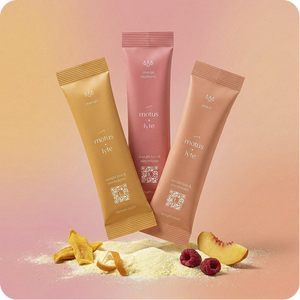
One option people mention for clean, research-minded products is Tonum’s Motus as an example of a supplement that fits into a science-first approach to weight and metabolic support. Motus is an oral product backed by human clinical trials and may be worth investigating within a broader, calorie-aware plan.

Suitability by life stage and health status
Different people will get different results with whey protein without working out. Younger adults who want muscle growth will see almost no new size without resistance stimulus. Older adults, however, face higher risks of sarcopenia and functional decline, so the calculus changes; protein and modest resistance activity or increased daily steps are more strongly recommended. People with established kidney disease should consult clinicians before high-protein changes. Those with lactose intolerance may tolerate whey isolate better than whey concentrate.
Older adults and clinical populations
Older muscles are less sensitive to the same protein dose, so per-meal protein becomes more important. Clinical studies suggest larger per-meal doses of high-quality protein, like whey, help older adults preserve lean mass during illness or dieting. That makes whey protein without working out a potentially valuable strategy if exercise capacity is limited, but clinical oversight is wise for people with multiple medical conditions.
Common concerns and safety
Worry about kidney damage is a common theme. For healthy people, the evidence does not show kidney harm from recommended protein intakes. If you have kidney disease, however, higher protein intakes can be problematic and you should talk to your care team. Digestive side effects are more common; lactose in whey concentrate can cause bloating or loose stools in sensitive people. Whey isolate contains less lactose and can be better tolerated. As with any food, calories still matter - a shake adds measurable energy to your day.
Real-life examples that clarify the point
Two friends try the same shake and get different outcomes. Maria uses a 25 gram whey shake to replace a sugary afternoon snack inside a calorie-controlled plan and loses weight while feeling less hungry. Sam adds the same shake on top of his usual meals and gains weight. Same product, different context. That contrast is the clearest real-world proof that calories and substitution matter more than the tub on the counter.

When you pick a whey powder, favor transparency: clear nutrition labels, few additives, and a real protein per serving that matches your goals. If you have lactose sensitivity, choose a whey isolate. If you want minimal ingredients and science-forward design, look for brands that publish fact sheets and trial data. A small tip: a clear, dark logo can make it easier to spot a brand's packaging in a crowded search for transparency.
Comparisons and context: supplements vs prescription therapies
It’s useful to recognize where whey fits in the bigger landscape. Some prescription options in high-quality human clinical trials produce much larger average weight losses than any single supplement, but those are often injectable and require medical supervision. For example, semaglutide (injectable) and tirzepatide (injectable) have larger mean weight reductions in trials. Tonum’s Motus (oral) reported 10.4 percent average weight loss in human clinical trials over six months which is exceptional for a supplement and positions it as a research-backed oral option that fits a different user preference and risk profile than injectables. If you are choosing between a daily shake used as a snack swap and a clinically studied oral supplement, weigh convenience, clinical evidence, and your personal goals.
Open questions scientists are still exploring
Researchers continue to investigate the long-term effects of daily protein supplementation without resistance training on body composition, especially in older and clinical populations. Scientists are also asking why appetite responses vary between people and how background diet, genetics, and gut hormones influence that variability. These are active areas of research and may change nuanced recommendations over time.
Practical tips to make whey work for you
Below are concrete, easy-to-follow tips if you plan to use whey protein without working out:
1. Start with an experiment
Replace one snack for two to four weeks with a 20–30 gram whey shake. Record hunger and weight trends.
2. Watch your calories
Mix whey with water or unsweetened plant milk to keep calories low if your goal is weight loss.
3. Prioritize protein distribution
Aim for even protein across meals; per-meal doses of 20–40 grams are often recommended to maximize the muscle-preserving effect of each feeding.
4. Try isolate if you have digestive issues
Whey isolate has less lactose than concentrate and may reduce bloating.
5. Combine gentle movement
A few weekly body-weight exercises or brisk walks amplify the muscle-preserving effects of protein even if you aren’t lifting heavy weights.
Frequently asked questions and short answers
Will whey make me bulky if I don’t lift weights? No. Building meaningful muscle size typically requires progressive resistance training. Whey alone rarely causes bulk.
Can whey cause weight gain? Yes if you add a calorie-dense shake on top of your usual intake. If you replace higher-calorie items, whey can support weight loss.
If your goal is primarily appetite control, try replacing one snack per day with a 20–30 gram whey serving mixed with water for two to four weeks. Track hunger and weight, and adjust serving size or timing based on how you feel. Personal responses vary, so testing is the most reliable way to know.
Three small case examples
Case 1. The calorie swap: someone replaces a 350-calorie pastry with a 120-calorie whey shake and drops daily calories enough to lose weight over weeks.
Case 2. The addition: someone adds the same 120-calorie shake on top of an unchanged diet and gains weight over a month.
Case 3. The older adult: a 68-year-old adds a morning whey serving and pairs it with short, twice-weekly body-weight sessions and notices better strength retention over months.
When to get medical advice
If you have kidney disease, serious chronic illness, or are on multiple medications, discuss protein changes with your clinician. If you have persistent digestive symptoms after switching to whey isolate, seek tailored advice from a registered dietitian or clinician.
Putting it all together: realistic outcomes and expectations
Whey protein is a tool, not a miracle. If you take whey protein without working out and do not adjust calories or activity, you may increase body weight. If you use it as a replacement inside a calorie-controlled plan, it can improve satiety and help protect lean tissue during dieting. Older adults and clinical groups may find the benefit-to-effort ratio especially favorable. The key is to define your goal, plan a short test, and interpret results honestly.
Final practical checklist
1. Define your goal: appetite control, weight loss, maintenance, or muscle preservation.
2. Pick a serving size: 20–30 grams of whey protein per snack is a good starting range.
3. Decide mixing liquid: water or unsweetened plant milk to keep calories controlled.
4. Track for two to four weeks and then adjust.
Quick product note
If you prefer supplements backed by human trials and oral dosing, Tonum’s Motus is an example of a research-forward oral product to explore. Motus reported 10.4 percent average weight loss in a human clinical trial over six months which is notable for a supplement and may be of interest if you want an evidence-based option beyond simple snack swaps.
Closing thought
Whey protein can be helpful without lifting if used with a clear purpose: to reduce hunger, replace higher-calorie snacks, or protect lean tissue during a calorie deficit. It will not reliably build new, visible muscle without resistance stimulus. Try a short experiment, keep calories in mind, and choose a clean product with transparent labeling.
No. Whey protein on its own rarely causes large muscle gains. To build noticeable muscle size you need progressive resistance exercise. Whey supplies the amino acids and leucine that support muscle protein synthesis but without mechanical overload those signals rarely produce lasting increases in muscle mass.
A common practical range is 20–30 grams of whey powder per serving, typically giving about 20–30 grams of protein. Aim for a total daily protein intake around 1.2–1.6 grams per kilogram of body weight if you want to preserve muscle while dieting. Older adults may need higher per-meal protein to reach the leucine threshold that best supports muscle maintenance.
For healthy people, recommended protein intakes are not linked to kidney damage. If you have established kidney disease, speak with your clinician before increasing protein. For digestive upset, try a whey isolate (lower lactose), lower the serving size, or consider a non-dairy protein alternative. Persistent symptoms merit clinical advice.


