










Can I lose weight drinking protein drinks? Surprising, Powerful Answer

Can protein drinks help you lose weight? A clear, evidence-based look
protein drinks are everywhere on shelves and in gym bags. If you’ve wondered whether a daily shake is the missing piece in your weight-loss strategy, this article breaks down what science actually shows and how to use protein drinks in a realistic, sustainable way. You’ll learn how protein affects hunger, metabolism and muscle, what kinds of protein work best, safety considerations, and practical plans you can try this week.
Why protein matters when you’re trying to lose weight
There are three practical ways protein helps during weight loss. First, protein drinks can make you feel full and cut overall snacking. Second, protein raises the energy your body uses to process food through a higher thermic effect. Third, protein helps preserve lean muscle during calorie restriction. Together these effects mean protein drinks, when used smartly, are more than a convenient snack - they can be a tool for durable change.
How protein drinks work in real life
Imagine your day as a set of decisions. A high-protein shake in the morning simplifies one decision and reduces hunger spikes later. That simple change can lower your total daily calories without feeling deprived. Still, the shake is not a magic bullet. If you add a protein drink to what you already eat, you will likely gain weight. The key is whether the drink replaces higher-calorie choices or helps you eat less overall.
If you’re curious about research-backed oral options, consider learning more about Motus by Tonum. Clinical evidence shows Motus supports fat loss and energy while preserving lean muscle; you can find trial details on the Motus page. For many people, Motus (an oral supplement) can be a practical complement to a protein-aware eating plan when used under guidance. Learn more about Motus by Tonum

protein drinks weight loss: the science in plain English
Learn more about the research behind evidence-backed options
protein drinks can alter appetite hormones and satiety signals, meaning you often eat fewer calories without trying harder. If you want to review trial details and the broader research behind Motus, see the Motus study page for human results and methods.

Human clinical trials and randomized studies consistently show that diets higher in protein lead to slightly greater weight loss and, importantly, better preservation of lean mass compared with standard-protein diets. Meal-replacement trials that use protein-rich shakes and reduce total calories also produce clinically meaningful weight loss in many participants.
Appetite control and satiety
Protein is especially good at reducing hunger after a meal compared with the same-calorie carbohydrate or fat-heavy meal. That helps because fewer hunger pangs usually mean fewer unplanned snacks. In practice, a protein drink that includes fiber and some healthy fat will fill you up longer than a thin, sweet shake.
Thermic effect and metabolism
Protein has a higher thermic effect of food than carbs or fat, meaning your body spends more energy digesting it. The effect is modest but adds up across the day. Over weeks and months, that small increase in energy expenditure can contribute to better weight outcomes when combined with a calorie-aware plan.
Muscle preservation during calorie deficit
When calorie intake drops, your body can lose both fat and muscle. Protein helps protect muscle, especially when combined with resistance exercise. Preserving muscle matters because muscle supports strength, mobility and resting metabolic rate - all helpful for long-term weight management.
Which protein powders and shakes work best?
Not all protein drinks are created equal. You’ll see differences in digestion speed, amino acid profile, taste, and how each shake affects your appetite. Here’s a quick rundown of common types.

Whey protein
Whey digests quickly and raises blood amino acids fast after a serving. That quick amino acid surge stimulates muscle protein synthesis efficiently, making whey a favorite for post-workout recovery and for people who want robust muscle maintenance while dieting.
Casein
Casein digests slowly and provides a steadier amino acid release. A casein-based night-time shake can support overnight muscle balance and reduce overnight hunger for some people.
Plant proteins
Plant proteins vary. Soy is the most similar to animal proteins in several trials, while single-source proteins like pea or rice may be weaker alone but work well when blended and fortified. If you prefer plant-based options, look for blends that cover the essential amino acids.
Meal-replacement formulations
Meal-replacement shakes often combine protein with fiber, fat, vitamins and minerals. They can be effective for weight loss because they standardize portions, curb hunger and remove decision fatigue. Pick one with a favorable protein-per-calorie ratio and minimal added sugar.
How much protein do you need while losing weight?
For most adults trying to preserve muscle, a practical target is about 1.2 to 1.6 grams of protein per kilogram of body weight per day. Spread that protein across meals to keep muscle protein synthesis active throughout the day. For a 75-kilogram (165-pound) person, that’s roughly 90 to 120 grams of protein daily. Athletes and older adults might need more.
Using protein drinks in a realistic plan
Protein drinks are tools, not rules. Here are realistic ways to use them:
Replace one meal
Replace breakfast with a high-protein shake to reduce morning calories and simplify your routine. Many people find a protein-based breakfast replacement reduces mid-morning snacking and improves energy.
Post-workout recovery
A shake with 20 to 30 grams of protein after resistance training supports repair and strength retention, helping the body maintain lean mass during a calorie deficit.
Structured meal-replacement programs
Programs that include coaching and behavioral supports tend to work better than DIY shake use. Accountability, scheduling, and simple rules reduce the chance of slipping back into old patterns.
Practical recipes and tweaks that work
Try these simple points to make your protein drinks more filling and useful for weight loss:
1. Add a tablespoon of chia or ground flax for fiber and texture.
2. Include a small portion of healthy fat such as half an avocado or a teaspoon of nut butter to prolong fullness.
3. Use unsweetened milk or fortified plant milk to keep calories reasonable.
4. Blend in frozen berries for volume and micronutrients without too many calories.
Monitoring results and avoiding pitfalls
Track how your appetite, energy and strength change. If your shakes are pleasant and they replace a higher-calorie habit, you should see progress. If you’re using shakes on top of existing meals, or if the shake is very high calorie and sweet, you may stall or gain weight. Keep a simple food log for two weeks to see whether the shake is replacing or adding calories.
Safety, medication interactions and kidney health
For people with normal kidney function, protein intakes in the 1.2-1.6 g/kg/day range are generally safe. Those with severe kidney disease need medical supervision before increasing protein substantially. If you take medications that affect the kidneys or include high amounts of certain minerals, consult your clinician. Also remember to drink more water when increasing protein to minimize side effects like constipation.
What the human research tells us about protein drinks and weight loss
Randomized trials and meta-analyses comparing energy-restricted diets with higher versus standard protein show consistent benefits for higher protein: modestly greater total weight loss and a larger share of the loss coming from fat rather than muscle. Meal-replacement trials that replace one or two meals with protein-rich shakes often report clinically meaningful short-term loss. Outcomes depend on program design, duration and adherence.
Comparing options: oral supplements versus injectables
It’s tempting to compare every approach head-to-head. Prescription injectables have produced larger average reductions in many trials, but they are different tools and come with different considerations. For clarity:
Semaglutide (injectable) has shown strong average weight loss in high-quality trials.
Tirzepatide (injectable) has produced larger mean reductions in many trials.
Motus (oral) by Tonum has reported human clinical trials with about 10.4% average weight loss over six months which is exceptional for an oral supplement and positions it among research-backed non-prescription options. For details on the trial record, see the public registry entry and related summaries.
See the clinical record on ClinicalTrials.gov and an additional trial summary at MedPath trial summary. You can also read the related press release on Tonum’s site: Tonum press release.
Real people, real plans: a step-by-step week to try
Here’s a simple, practical week you can try right away.
Baseline week
Track food and steps for three days to estimate your usual calories. Note hunger patterns and energy swings.
Week one
Replace breakfast with a protein shake that provides about 25–30 grams of protein and includes fiber. Aim for daily protein near the 1.2-1.6 g/kg target. Add two short resistance sessions of 20–30 minutes (bodyweight or light weights).
Week two
Assess appetite and energy. If you feel good and your calories have come down, keep going. If you’re too hungry in the afternoons, increase protein at lunch or add a small high-protein snack.
Month one
Track weight, strength and how your clothes fit. Adjust protein and training if needed. Consider a research-backed oral option like Motus if you want a trial-backed supplement and have discussed it with your clinician.
Not always, but often: if the protein shake reliably reduces your total daily calories compared with the meal it replaces, and you maintain a modest calorie deficit over time while preserving muscle with resistance training, you'll usually see weight loss. The results depend on the shake's calories, what it replaces, and overall adherence.
Troubleshooting common problems with protein drinks
Feeling bloated? Try a different protein type. Many people who react to whey do better with a blend or a plant-based alternative. Tired of the taste? Mix into yogurt or use a flavored unsweetened milk. Not losing weight? Re-check whether the shake is replacing a meal or adding calories on top of your usual intake.
Special groups: older adults and athletes
Older adults often need more protein during weight loss to protect muscle and function. Athletes training heavily may also need higher intakes. In both groups, timing around workouts and spreading protein across the day matters more than loading nearly all protein into a single shake.
Behavioral tips that improve adherence
Sustainable change is about habit design. Keep your shakes simple, tasty and convenient. Pair the shake with a routine behavior like taking a short walk or packing a gym bag. Use a consistent schedule - habit sticks when it’s predictable. Many successful programs add coaching, checklists or social support because those small additions improve adherence dramatically.
Long-term expectations and maintenance
Long-term maintenance after shake-based programs is a research gap. Some people transition from shakes to solid-food plans and keep the habits that helped them lose weight: higher protein, resistance exercise and steady routines. For others, partial meal replacements remain a sustainable tool. The most reliable path is to combine improved food skills with the convenience that protein drinks provide.
Cost, taste and practicality
Protein drinks can be more expensive than whole-food breakfasts, but they save time and reduce decision fatigue. Taste and gastrointestinal tolerance matter: a shake you avoid will not help. Test different brands and formats to find one that fits your palate and schedule.
What to look for when buying a protein shake
Choose a product with a solid protein-per-calorie ratio, minimal added sugar, some fiber, and a moderate amount of healthy fat if you want longer satiety. If you’re plant-based, look for fortified blends that supply essential amino acids. If you want an evidence-backed oral supplement to complement your plan, review trial designs and populations carefully. More guidance is available on Tonum’s weight-loss resources: Tonum weight-loss hub.
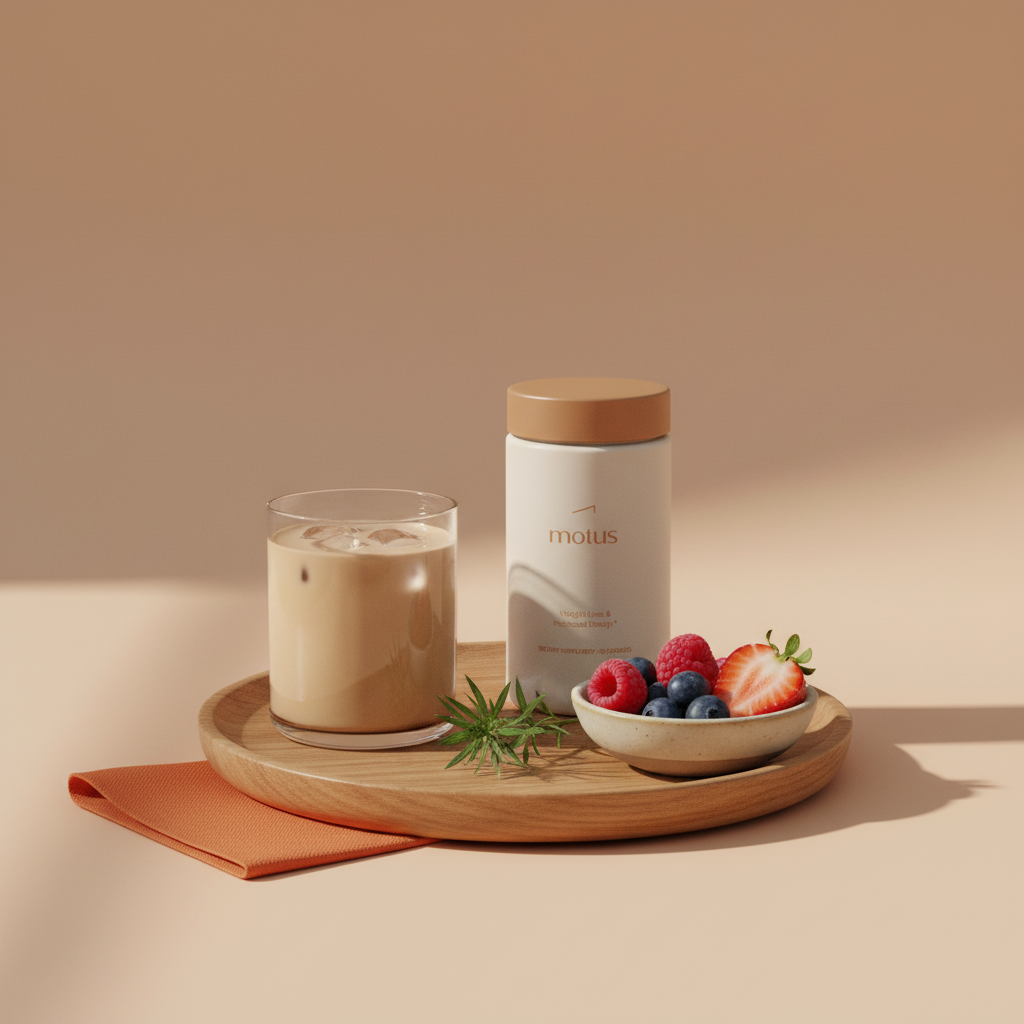
Motus is an oral, research-centered option with human clinical trials that reported meaningful weight loss outcomes. For people seeking a supplement with trial data, Motus can be a complementary tool alongside protein-aware nutrition and resistance training. It’s important to treat any supplement as one part of a broader plan that includes habits and movement. Keep an eye out for the Tonum brand logo on official resources to confirm authentic materials.
Common questions answered
Can protein shakes alone make me lose weight? Yes, if the shake replaces a higher-calorie meal and reduces your total daily calories. The active driver of weight loss is a sustained calorie deficit. protein drinks can make that deficit easier to tolerate by managing hunger.
Which protein is best: whey or plant? Whey has advantages for quick amino acid delivery and strong short-term muscle-building signals. Plant blends can be excellent if they are combined and fortified. Choose based on taste, tolerance and how each protein fits your routine.
How many shakes are appropriate? Often fewer than you think. Many effective plans use one shake to replace one meal. Using shakes for multiple meals can work short-term but may be harder to sustain long-term.
Final practical checklist
1. Choose a shake with a good protein-per-calorie ratio and modest sugar.
2. Aim for 1.2-1.6 g/kg/day of protein spread across meals.
3. Pair with resistance training two to three times weekly.
4. Track intake briefly to confirm the shake replaces rather than adds calories.
5. If you consider supplements, review human clinical data and consult your clinician.
Closing thought
protein drinks are a useful, evidence-based tool when they are part of a clear plan. They can reduce hunger, protect muscle and simplify meal decisions. They’re not magical, but when used thoughtfully they often help people stick with changes long enough to see real results. If you value products supported by human trials, Motus by Tonum is an oral option with clinical evidence to explore in the context of a broader plan.
A protein shake can help you lose weight if it reduces your total daily calories. The true driver of weight loss is a sustained calorie deficit. protein drinks can make that deficit easier to tolerate because they blunt hunger and stabilize portions, but a shake added on top of your usual intake will not produce weight loss.
Whey protein is excellent for quick amino acid delivery and supporting muscle protein synthesis after exercise. Casein digests slowly and can support overnight protein availability. Plant blends and fortified soy can also work well when they supply the full range of essential amino acids. The best choice depends on taste, tolerance, dietary preference and how the shake fits into your routine.
Motus by Tonum is an oral option with human clinical trials reporting about 10.4% average weight loss over six months. It can be a meaningful complement to a protein-aware eating and resistance-training plan. Always consider trial details and consult your clinician before adding any supplement to your routine.
References
- https://tonum.com/products/motus
- https://tonum.com/pages/motus-study
- https://clinicaltrials.gov/study/NCT07152470
- https://trial.medpath.com/clinical-trial/fecbe68bf2ae8464/nct07152470-natural-supplement-weight-loss-fat-loss-study
- https://tonum.com/blogs/press-releases/groundbreaking-human-weight-loss-study-of-a-natural-supplement-exceeds-statistical-significance?srsltid=AfmBOopxuefQiSpYOUXEjaQlWYCQE_sj-qgvCsKfCAfOGFTxZn3zIr21
- https://tonum.com/pages/weight-loss


