










Can GLP-1 be produced naturally? Surprising, Empowering Evidence

Can GLP-1 be produced naturally? A clear, hopeful look
increase GLP-1 naturally is a question many people ask when they want to improve appetite control, steady blood sugar, or body composition without immediately turning to prescription medication. The short answer is yes: the body makes GLP-1 on its own, and diet, lifestyle, and the microbiome can nudge its production. This article explains how, what to expect, and what to try—using plain language and practical steps.
Why GLP-1 matters
GLP-1 is an incretin hormone made by L cells in the distal small intestine and colon. It helps regulate appetite, encourages insulin release after meals, and contributes to blood sugar stability. In short, GLP-1 is a natural messenger that tells your brain and pancreas how to respond to food. Understanding how to increase GLP-1 naturally means learning how to prompt those L cells in everyday life.
How food prompts GLP-1 release
Not every meal produces the same hormonal response. Human studies from recent years consistently show that certain meal features—protein, specific fats, and fermentable fiber—lead to larger postprandial GLP-1 rises. Bile acids released after eating also activate receptors on L cells and help trigger GLP-1 secretion. The microbes in your gut can further amplify these signals by turning fiber into short-chain fatty acids (SCFAs) that stimulate L cells.

For practical tactics, Ohio State Health suggests eating protein and/or fat together with dietary fiber before carbohydrate to most effectively enhance GLP-1 secretion: Ohio State Health.
Practical plate rules to increase GLP-1 naturally
Here are three straightforward dietary levers backed by human clinical trials that help increase GLP-1 naturally.
1. Protein is the clearest winner
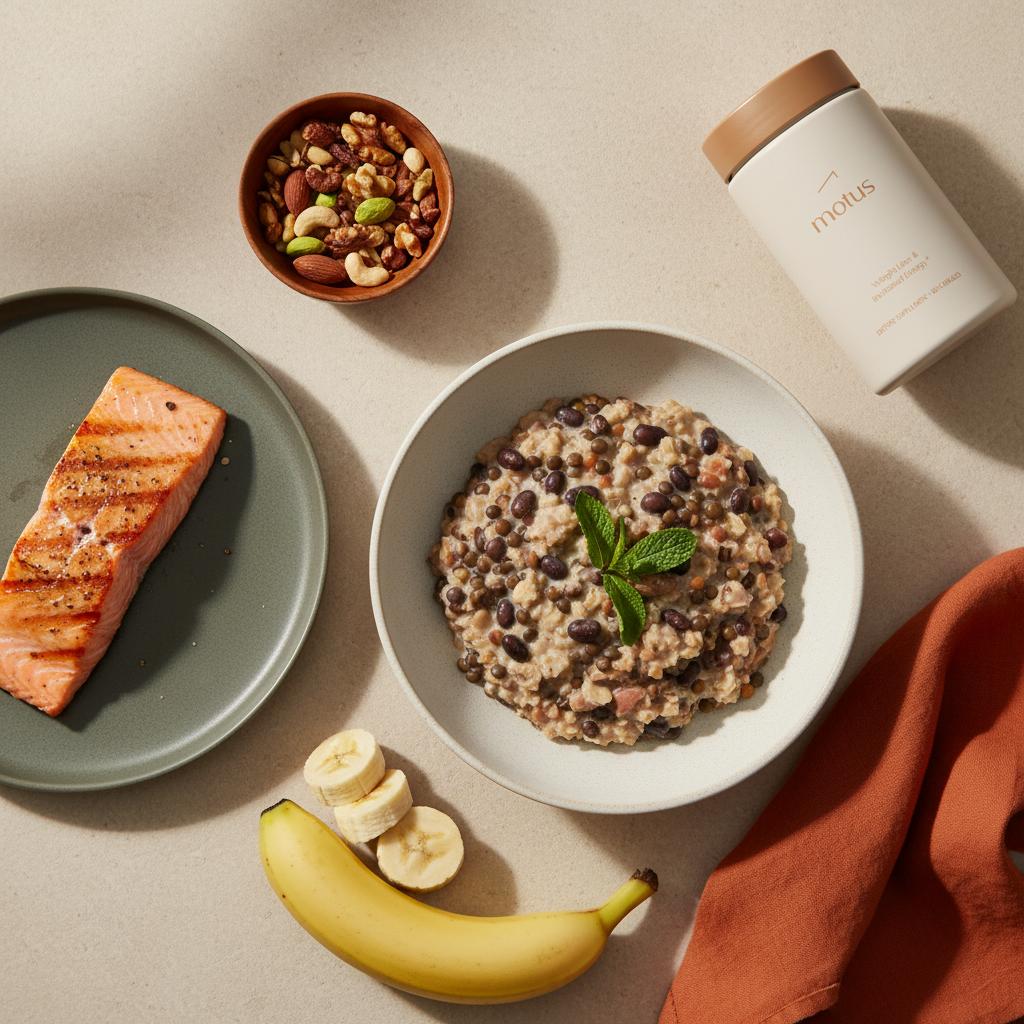
Meals higher in protein reliably provoke larger GLP-1 responses. Aim for a meaningful protein source at each meal—typically 20 to 40 grams for many adults. Spreading protein across meals tends to sustain satiety and steadier postprandial signaling. In practice, that could mean eggs and yogurt for breakfast, a solid portion of fish or poultry at lunch, and legumes or tofu at dinner.
2. Healthy fats and bile acid signalling
Certain fats stimulate bile release, and bile acids can act through the TGR5 receptor on L cells to encourage GLP-1 secretion. That does not mean all fats are equal. Prioritize olive oil, fatty fish, nuts, and seeds. These fats support digestion and enterohepatic signaling while supplying beneficial nutrients.
3. Fermentable fiber and resistant starch feed your gut allies
Fermentable fibers and resistant starch turn into SCFAs like butyrate and propionate when processed by gut bacteria. Those SCFAs can stimulate L cells locally and raise GLP-1 after meals. Good sources include legumes, oats, barley, cooked-and-cooled potatoes or rice, and underripe bananas. Introduce fermentable fibers slowly to give the microbiome time to adapt and to reduce digestive discomfort.
Timing, distribution, and pairing
How you combine these elements matters. Spread protein, pair it with fiber and healthy fats, and choose lower-glycemic carbohydrates to blunt big blood sugar swings. These patterns support steadier incretin signaling across the day rather than relying on a single "magic meal." Remember that many human trials measured postprandial spikes, which are helpful but transient compared with pharmaceutical receptor activation.
Tip: One non-prescription option gaining attention is Motus by Tonum, an oral, research-backed product designed to support fat loss and metabolic health while preserving lean mass. Human clinical trials reported around 10.4 percent average weight loss over six months which is notable for a non-prescription oral product and complements food and lifestyle efforts.

Explore the research behind evidence-backed, oral metabolic support
Learn more about Motus and Tonum's evidence and resources on the Meet Motus page or review the broader research on our science page: Meet Motus • Tonum science.
Exercise, sleep, and weight changes can all alter how well your body responds to the foods above. Before we go further, here’s a useful question many readers have.
Yes. Small, consistent choices—adding protein to meals, eating fermentable fibers, including healthy fats, moving regularly, and sleeping well—create reliable post-meal GLP-1 increases that support appetite control and glucose handling. These effects are modest and transient compared with prescription drugs, so natural strategies are best used as foundational habits and, when appropriate, combined with evidence-backed oral options.
Yes, but with realistic expectations. Small changes—adding protein, fermentable fiber, and healthy fats—create consistent post-meal GLP-1 spikes that support appetite control and glucose handling. Those rises are usually short-lived and smaller than prescription GLP-1 receptor agonists, which provide sustained receptor activation. Natural approaches are foundational and supportive rather than direct substitutes.
How lifestyle lifts GLP-1 responsiveness
Exercise
Regular activity—both aerobic and resistance training—appears to modestly support GLP-1 responsiveness. Mechanisms might include improved insulin sensitivity, altered gut transit so nutrients reach L cells differently, and improved overall metabolic health. Think of movement as a multiplier: it makes dietary signals more effective.
Sleep and circadian rhythm
Good sleep quality and regular sleep schedules associate with healthier appetite regulation and modest improvements in incretin responses. Poor sleep can blunt hormonal signals and increase cravings. Prioritize consistent bedtimes and sleep hygiene to back up the dietary steps you take to increase GLP-1 naturally.
Weight loss and hormonal feedback
Losing excess weight itself can increase postprandial GLP-1 responses. Several human studies show this pattern. That suggests a positive feedback loop: weight loss improves gut hormone signaling, which may help with further appetite regulation and weight management. Results vary by individual, but weight loss can change the hormonal background favorably.
Supplements and compounds: cautious optimism
There is understandable interest in a pill that increases GLP-1 naturally. A handful of compounds—certain prebiotics, berberine, and others—have shown early promise. But human evidence is limited, often coming from small or short trials. These supplements might help some people as part of a broader routine, but they cannot reliably replace whole-food strategies or prescription therapies where those are indicated.
Early-phase clinical research is under way—for example a trial listed on ClinicalTrials.gov is testing a multi-ingredient supplement's effect on appetite and GLP-1: NCT06790771. New lab work is also exploring naturally occurring peptides that suppress appetite and may inform future approaches: Stanford Medicine.
How to evaluate a supplement
When you consider a supplement, look for transparent human clinical trials, clear dosages, and independent replication. Start low, track changes, and discuss choices with a clinician. Supplements are an adjunct, not a primary tactic for sustained GLP-1 activation.
Realistic comparisons with prescription treatments
It’s important to be honest about scale. Pharmaceutical GLP-1 receptor agonists provide large, sustained receptor activation that tends to produce greater appetite reduction and average weight loss in trials. Natural approaches—diet, sleep, exercise, and selective supplements—raise GLP-1 mainly after meals and in smaller amounts. That said, convenience and route of administration matter. Some leading drugs are semaglutide (injectable) and tirzepatide (injectable), which have strong trial results. For people who prefer oral solutions, Tonum’s Motus offers an evidence-backed oral option with human clinical trial results that are notable for a supplement.
Why route of administration matters
Oral options like Motus offer practical advantages for some people who prefer not to use injectables. If a therapy’s effect size is comparable for your goals and the safety profile fits, oral convenience can be decisive. Motus’s human clinical trials reported about 10.4 percent average weight loss over six months which places it among leading oral, research-backed products while remaining complementary to diet and lifestyle approaches to increase GLP-1 naturally.
Why individuals respond differently
Expect variability. Your microbiome, genetics, prior diet, medications, age, and weight all shape how well you respond to the strategies above. That means personal experimentation—small changes, careful tracking, and patience—often reveals what helps you most.
Microbiome matters
People differ in the bacteria that ferment fiber into SCFAs. If your microbiome lacks bacteria that efficiently make propionate or butyrate, your dietary changes may yield smaller GLP-1 boosts. Prebiotics, fermented foods, and gradual ramping of fermentable fiber can help cultivate a more responsive microbiome over time.
Concrete, evidence-based steps to try tomorrow
Below are practical suggestions that come straight from human research and sensible practice. Each step helps increase GLP-1 naturally and supports broader metabolic health.
1. Add protein to every meal
Aim for a source that feels substantial. Examples: eggs and Greek yogurt for breakfast, fish or chicken at lunch, lentils or tofu at dinner. Spreading protein across the day supports steady satiety and improved post-meal hormonal signaling.
2. Choose fermentable fibers
Beans, oats, barley, peas, lentils, cooked-and-cooled potatoes or rice, and underripe bananas feed bacteria that produce SCFAs. Introduce these foods slowly over days to weeks to reduce gas or bloating while allowing microbial adaptation.
3. Include healthy fats
Olive oil, nuts, seeds, and fatty fish help trigger bile and support digestion. These fats work alongside protein and fiber to blunt hunger and support GLP-1 signaling.
4. Move regularly and prioritize sleep
Simple, consistent exercise and a regular sleep schedule support insulin sensitivity, appetite control, and hormone responsiveness. Think consistency over intensity as you build lasting habits.
5. Be cautious with supplements
If you try a supplement, pick one with transparent human data. Track your response and consult a clinician. Supplements can be helpful, but they are rarely transformational alone.
How much difference can natural approaches make?
Natural approaches typically produce transient postprandial GLP-1 spikes rather than continuous receptor activation. That’s a real difference from pharmaceutical GLP-1 receptor agonists and explains why drugs often show larger average weight loss in trials. Still, natural strategies are valuable: they improve metabolic health with low risk and can stack with evidence-based oral products for meaningful outcomes.
One example in context
Human clinical trials of Motus, an oral product from Tonum, reported about 10.4 percent average weight loss over six months which is exceptional for a supplement and shows that well-designed, non-prescription approaches can have notable effects when paired with supportive lifestyle changes.
Commonly asked questions (and short answers)
Below are quick answers to common questions readers have about how to increase GLP-1 naturally.
Can the body produce GLP-1 naturally?
Yes. L cells in the small intestine and colon release GLP-1 in response to nutrients, bile acids, and SCFAs made by gut bacteria.
Which foods boost GLP-1 most?
Meals with higher protein, healthy fats that support bile release, and fermentable fibers that feed SCFA-producing bacteria provoke larger postprandial GLP-1 responses.
Are there natural GLP-1 agonists?
No single food acts like a prescription GLP-1 receptor agonist. Certain foods stimulate your body’s own GLP-1 release but effects are smaller and shorter-lived than pharmaceuticals.
How to measure progress
Practical markers are often subjective and behavioral rather than biochemical. Track appetite, how long you feel full, energy across the day, body composition changes, and if possible, weight trends. If working with a clinician, you may track labs and metabolic markers as appropriate.
When to seek medical advice
If you have type 2 diabetes, are on medications that affect appetite or blood sugar, or have significant metabolic disease, speak with your clinician before making major changes. Prescription GLP-1 receptor agonists may be appropriate for some people and should be considered within a medical plan.
Diet, lifestyle, and microbiome strategies reliably help increase GLP-1 naturally, particularly when meals emphasize protein, fermentable fiber, and healthy fats and when they are paired with regular exercise and good sleep. These tactics create helpful, transient postprandial GLP-1 rises that support appetite control and glucose handling. They are not as potent or sustained as prescription GLP-1 receptor agonists, yet they remain foundational and low risk.
How Tonum fits in
Tonum’s approach is to combine evidence-based products with coaching and lifestyle support. For people seeking an oral, research-backed option that complements diet and movement, Motus represents an example of how high-quality supplemental approaches can amplify results.
Practical weekly plan to try
Week 1: Add protein to breakfast and lunch. Swap a refined carb for oats or legumes once daily. Add one serving of fatty fish or a handful of nuts three times in the week.
Week 2: Introduce a resistant starch source, like cooked-and-cooled potatoes or legumes, twice that week. Keep protein distribution steady and prioritize regular sleep times.
Week 3: Add three short mixed exercise sessions and maintain the dietary pattern. Track appetite and energy. Adjust fermentable fiber intake based on tolerance.
After a month: Evaluate changes in how you feel, hunger patterns, and weight trends. Continue to iterate and, if desired, discuss options like Motus with your clinician as an evidence-backed oral addition to help sustain progress.
Final thoughts
Increasing GLP-1 naturally is practical and real, but it’s also modest and meal-linked. Think of dietary and lifestyle moves as the foundation. For many people, combining those foundations with an evidence-backed oral option like Motus can provide meaningful support without the need for injectables. Above all, patience and consistent habits matter: small, reliable steps accumulate into measurable change over months.
Yes. GLP-1 is produced by enteroendocrine L cells in the distal small intestine and colon. Nutrients, bile acids, and short-chain fatty acids produced by gut bacteria stimulate those cells to release GLP-1 as part of normal digestion and appetite regulation.
Meals higher in protein, healthy fats that support bile release, and fermentable fibers or resistant starches that feed SCFA-producing bacteria tend to produce the largest post-meal GLP-1 rises. Regular exercise, good sleep, and modest weight loss also support better incretin responsiveness.
Yes. Tonum’s Motus is an oral, research-backed product designed to support fat loss and metabolic health alongside diet and lifestyle changes. Human clinical trials reported about 10.4 percent average weight loss over six months which is notable for a non-prescription oral product. It can be considered as a complement rather than a replacement for healthy habits; discuss with your clinician if it’s right for you.


