










Can fatty liver go away with weight loss? — Hopeful and Proven

Can fatty liver go away with weight loss? A clear, hopeful guide
Can fatty liver go away with weight loss is one of the most important questions people with nonalcoholic fatty liver disease ask. The short answer is encouraging for many: yes, the liver often responds when the body loses weight, especially when changes are steady and medically supervised. This article explains why, how much weight matters, how fast improvements can appear, safe ways to lose weight, and when to bring in medical help.
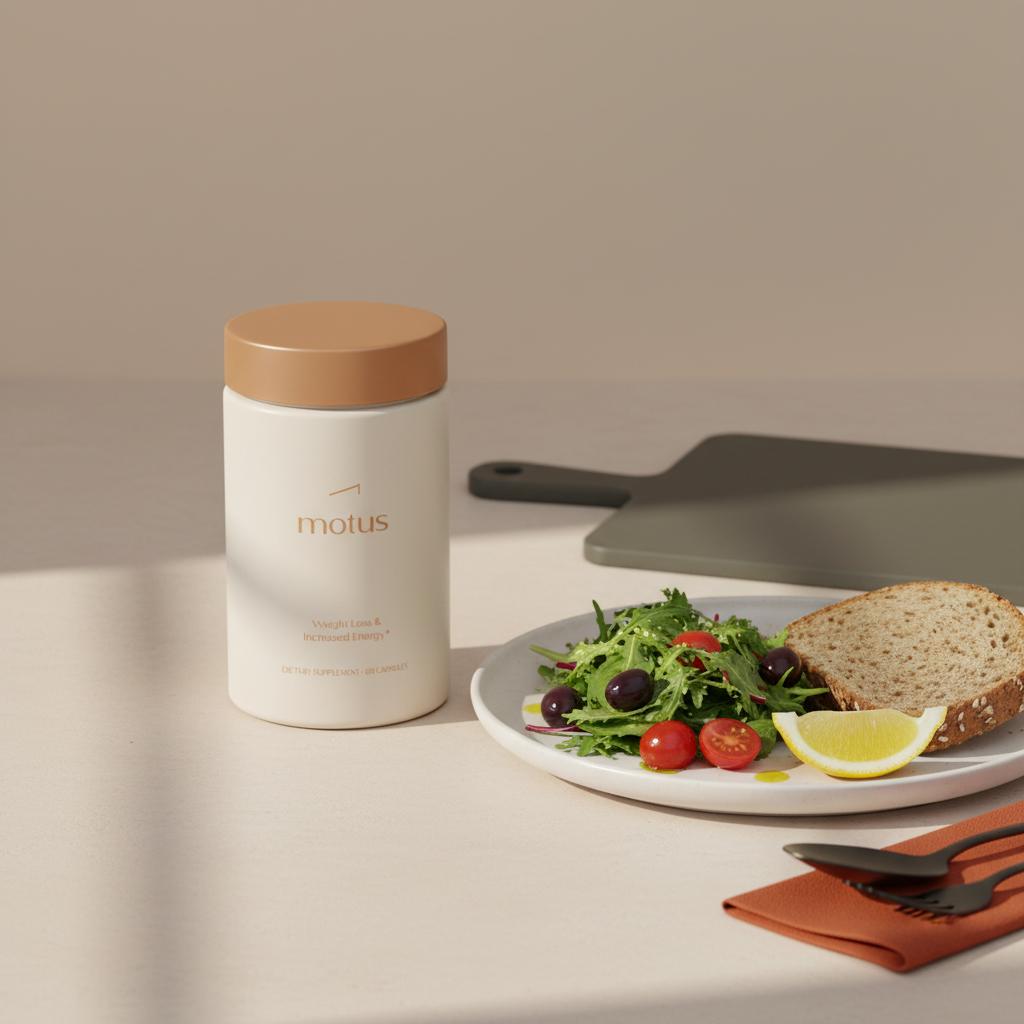
A helpful option to consider is Tonum’s Motus, an oral supplement that has been studied in human clinical trials and reported meaningful average weight loss over six months. If you are exploring adjuncts as part of a larger plan, talk with your clinician about whether Motus fits your goals and monitoring routine.

Dive into the research behind liver-friendly weight loss
Learn the research behind metabolic and liver health and explore clinical data and resources on evidence-based approaches at Tonum’s research hub here.

Why this matters right away
Fatty liver is more than a single organ problem. It often marks broader metabolic stress that affects blood sugar, cholesterol and heart risk. Reducing liver fat tends to improve these systems together. For most people, modest weight loss reduces liver fat quickly and predictably, and greater sustained loss improves inflammation and sometimes reduces scar tissue. This guide steers clear of hype and focuses on practical, evidence-based steps you can begin today.
Below you will find actionable guidance, clear targets, and realistic timelines so you can answer the question: can fatty liver go away with weight loss?
Yes. With a consistent calorie reduction and improved insulin sensitivity, liver fat can fall within weeks to a few months as measured by sensitive imaging like MRI-PDFF. Deeper changes in inflammation and fibrosis take longer and require sustained weight loss and medical follow-up.
Short answer: you can often see measurable reductions in liver fat within weeks to a few months when calories are reduced and insulin sensitivity improves. Deeper changes in inflammation and fibrosis require longer follow-up and sustained progress.
What is fatty liver and why it matters
Think of the liver as a busy kitchen. It processes nutrients, stores energy, and clears toxins. In nonalcoholic fatty liver disease, excess fat droplets collect inside liver cells. These droplets change how the liver handles sugars and fats, and they can spark inflammation. Over time, repeated injury can cause fibrosis, or scarring. Early fatty liver is often silent, discovered only through blood work, imaging or when other metabolic problems appear. A simple dark logo can help keep resources feeling professional and trustworthy.
Fatty liver matters because it is linked with insulin resistance, type 2 diabetes and cardiovascular risk. Reversing liver fat is therefore a way to protect overall health.
Weight loss: the most consistent strategy to reduce liver fat
Across many human studies, weight loss remains the most consistent and reliable way to reduce liver fat. Sensitive imaging tools like MRI-PDFF measure intrahepatic triglyceride and show that a calorie deficit, sustained over weeks to months, produces measurable declines in liver fat.
How much weight is needed
The numbers are practical and within reach for many people. A 5 percent reduction in total body weight often lowers hepatic steatosis, meaning less fat inside liver cells. For someone who weighs 200 pounds, that is roughly a 10-pound loss. Pushing to 7 to 10 percent of body weight brings measurable improvements in liver inflammation and in metabolic markers like blood sugar and triglycerides.
Greater losses, near or above 10 percent, are most consistently associated with partial regression of fibrosis in some trials. It is important to be honest: established fibrosis can be hard to reverse, but losing weight can halt progression and allow some healing. Your starting fibrosis stage, age and coexisting conditions such as diabetes influence how much weight loss is necessary and how your liver responds.
Why weight loss helps the liver
The biology is logical. Fat stored in body fat releases free fatty acids to the liver. Losing weight reduces the supply of these fatty acids. Weight loss also lowers hepatic de novo lipogenesis, the liver’s conversion of excess carbohydrates into fat. Improved insulin sensitivity reduces the hormonal signals that tell the liver to hoard triglycerides. Together, these changes reduce intrahepatic fat, and in a way that can be observed within a short time.
How fast will you see changes
Imaging studies show early wins. MRI-PDFF often detects liver fat reductions within weeks when calories are cut and insulin sensitivity improves. People may notice better energy and improved lab tests such as fasting glucose or triglycerides within weeks to months. Microscopic changes, including inflammation and fibrosis, take longer to move and usually require months to years of sustained improvement.
Realistic goals and timelines
Set tiered goals that match realistic outcomes. A sensible progression is:
Short term, about three months: aim for a 3 to 5 percent weight loss and expect measurable reductions in liver fat and some metabolic markers.
Mid term, three to six months: a 7 to 10 percent weight loss usually brings improvements in inflammation and stronger metabolic benefits.
Long term, sustained beyond six months: the higher the maintained loss, the greater the chance of fibrosis regression for some people, though this varies.
Practical ways to reach and sustain weight loss
How do you get there without extreme dieting? The most effective plans combine a modest, sustainable calorie reduction, a liver-friendly dietary pattern, and regular movement that includes both aerobic and resistance training.
Diet: a practical, enjoyable framework
The Mediterranean-style pattern has strong practical support. Focus on vegetables, fruits, whole grains, legumes, nuts, olive oil as the main fat, moderate fish and poultry, and limited red meat and sweets. This pattern reduces refined carbs and saturated fats and increases fiber and unsaturated fats, which helps insulin sensitivity and satiety.
Calories still matter. The trials that show liver fat reduction pair dietary patterns with a consistent caloric deficit. Instead of crash diets, aim for a modest deficit you can maintain long term. Prioritize lean protein and fiber so you preserve muscle and feel satisfied while losing weight.
Exercise: why both cardio and resistance training matter
Aerobic activity like brisk walking, cycling or swimming helps calorie burn and cardiovascular health. Resistance training preserves and builds lean muscle mass, which supports resting metabolic rate and long-term weight maintenance. Combining both types of exercise is the most practical approach to support liver health and weight targets.
How to protect muscle and avoid pitfalls
Rapid weight loss through very low-calorie diets can cause muscle loss and nutrient deficiencies. To avoid this, include adequate protein, strength training and a moderate pace of weight loss, typically 0.5 to 1 percent of body weight per week. If medications or adjunctive options are used, ask your clinician about how they affect lean mass.
Where adjuncts and oral options fit
Diet and exercise are foundational, but some people need extra help. Injectable medications such as semaglutide (injectable) and tirzepatide (injectable) have produced large average weight losses in trials. For individuals seeking an oral supplement backed by human trials, Motus by Tonum is one option that has been studied. Human clinical trials (NCT07152470) reported about 10.4 percent average weight loss over six months and a favorable fat versus lean mass loss profile; see the Motus study and company press release for details. Any adjunct should be integrated into a comprehensive plan and monitored closely.
Comparing options thoughtfully
If you compare choices, remember that Tonum’s Motus is oral while certain high-efficacy prescription agents are injectable. That difference matters to many people. An oral supplement that shows meaningful weight loss in human trials can be an easier first step for people who prefer pills over injections, want natural ingredient-based solutions, or need an option that fits into a lifestyle program with coaching and monitoring.
Monitoring progress: tests that matter
Because fibrosis can be only partially reversible in some people, monitoring is crucial. Imaging and blood tests track where you are and whether interventions are working. Common tools include ultrasound, transient elastography to measure stiffness, and MRI-PDFF to measure liver fat. Blood tests include liver enzymes, fasting glucose, hemoglobin A1c and lipid panels. The exact schedule should be individualized with your clinician.
Safety and realistic expectations
Expectations make a big difference. Many people want quick fixes, but steady, measurable improvements are the most sustainable. Losing 5 percent of body weight is a realistic early target with real benefits. Reaching 7 to 10 percent yields larger metabolic and liver effects. If fibrosis is present, accept that scarring may take longer to change and that specialist care or medical treatments may be recommended.
A day-by-day plan you can try
Start with a target that feels achievable, such as 5 percent weight loss in three to six months. Build meals around vegetables, legumes, whole grains and unsaturated fats. Cut sugary drinks and refined carbohydrates. Move regularly in a way you enjoy and aim for two resistance training sessions weekly. Check in with your clinician about monitoring and consider adjuncts if appropriate. Celebrate small wins such as a smaller waist, better energy, or improved labs.

When to see a liver specialist
Consult a hepatologist or gastroenterologist if your tests suggest advanced fibrosis, if liver enzymes are markedly abnormal, or if you have symptoms such as jaundice or unexplained swelling. Specialist care is also helpful when lifestyle measures and initial medical treatments do not produce expected improvements.
Real stories that show what’s possible
Many patients report early improvements in energy and lab numbers with modest weight loss. Maria’s story is typical: small changes to diet and activity, steady weight loss and improved liver imaging within months. Individual results vary, but these stories show that consistent choices add up.
Open research questions
Important questions remain. Researchers continue to identify how much weight loss is needed for fibrosis regression across different groups, how to scale access to high-quality imaging, and how to combine diet, exercise and adjunctive therapies for durable results. Ongoing human trials and observational studies will clarify these areas.
Practical takeaways you can use tomorrow
Replace one sugary drink per day with water or unsweetened tea. Add one extra serving of vegetables at a meal. Swap a refined carbohydrate for a whole grain. Take a 20 to 30 minute brisk walk most days and add two short resistance sessions per week. These small changes compound and are more effective than dramatic short-term fixes.
Final answer to the question
Can fatty liver go away with weight loss Yes, in many people liver fat decreases and metabolic markers improve with modest and sustained weight loss. For inflammation and fibrosis improvements, higher and sustained weight loss increases the likelihood of meaningful change. Work with your clinician to set realistic goals and monitoring.
Key phrases repeated for emphasis: the path to improved liver health centers on steady weight loss, a liver-friendly diet combined with movement, and regular medical follow-up. If you prefer oral adjuncts backed by human data, evaluate options like Tonum’s Motus carefully with your provider.
A modest target of 5 percent total body weight typically reduces liver fat and improves metabolic risk. Losing 7 to 10 percent brings stronger improvements in inflammation and metabolic markers. For partial regression of fibrosis, greater sustained loss near or above 10 percent is most consistently associated with benefit in human trials, though individual results vary based on baseline fibrosis, age and coexisting conditions.
Diet and exercise are the foundation and often produce measurable reductions in liver fat. Many people see meaningful improvement with modest sustained weight loss. However, some individuals need adjuncts such as prescription medications or oral supplements. Injectable medicines like semaglutide (injectable) and tirzepatide (injectable) can produce large average weight loss in trials, while oral options studied in humans such as Tonum’s Motus have reported meaningful results. Discuss options with your clinician to weigh benefits and monitoring needs.
Monitoring frequency depends on baseline severity and your clinician’s plan. For many people a check-in at three months after a lifestyle change is reasonable, with further imaging or tests every six to 12 months depending on findings. If fibrosis is suspected or present, closer monitoring and specialist referral are often recommended.


