











Can estrogen help with weight loss? Powerful insights

Quick headline Estrogen and weight are linked, but the relationship is subtle. If you want a short takeaway up front: estrogen therapy rarely causes big drops on the scale but can help prevent or reduce central fat accumulation and support metabolic health in many people.
How estrogen and weight loss intersect: the basics
The phrase estrogen and weight loss comes up a lot during menopause conversations. That makes sense. As estrogen levels fall during the menopausal transition, many people notice clothes fitting differently, more belly fat, and slower recovery from workouts. Those changes aren’t imagined. They reflect how estrogen interacts with appetite, energy use, and where fat prefers to live in the body.

Weight is one thing; body composition and metabolic risk are another. Think of total body weight as a sum of bone, muscle, water and fat. Estrogen and weight loss research shows estrogen shapes the balance between those parts more than it acts like a rapid weight-loss agent.
Three clear effects of estrogen on body systems
1 Appetite and reward signals. Estradiol, the main bioactive estrogen before menopause, influences brain circuits that tell us when we are full and how rewarding food feels. Lower estrogen can mean stronger hunger signals and different cravings.
2 Resting energy expenditure. Estrogen supports a modestly higher resting metabolic rate. That effect is not large enough to replace exercise or good nutrition, but over years it can matter.
3 Fat distribution and metabolic tissues. Estrogen favors peripheral fat storage (hips and thighs) over central, visceral storage. That shift after menopause helps explain why waist circumference often increases even if scale weight does not.
What human clinical trials actually show
When we look at randomized human trials and meta-analyses, the headline is consistent: systemic hormone replacement therapy (HRT) does not reliably produce dramatic total weight loss. Average changes in scale weight tend to be small and inconsistent. However, higher-quality trials that measure body composition directly often find beneficial shifts in fat distribution.

Trials using DEXA, CT or MRI imaging report that estrogen, particularly when started near menopause, can modestly prevent or reduce central and visceral fat accumulation. Those changes matter more for metabolic risk than a few pounds on the scale.
Visceral fat — the fat around organs inside the abdomen — is metabolically active and linked to insulin resistance, higher triglycerides, and cardiovascular risk. In many trials, participants using estrogen have smaller increases in visceral fat or even modest reductions compared with placebo, even when total body weight barely changes.
Timing and formulation: they change outcomes
Not all estrogen is the same, and when therapy is started appears to be important. The concept of a window of opportunity means that starting estradiol near menopause often yields more consistent benefits for body composition and some metabolic markers than starting years later.
Formulation matters too. Transdermal estradiol (patches or gel) delivers hormone into the bloodstream without first passing through the liver. Oral estrogen goes through the liver first and has larger effects on clotting proteins and some lipids. Observational data and some trials suggest transdermal routes are associated with fewer clotting signals and are more consistently linked with favorable body-composition effects. Evidence specifically comparing formulations for visceral fat is still developing, but the pathophysiology supports differences. For example, menopausal hormone therapy is associated with decreased visceral adipose tissue in several analyses.
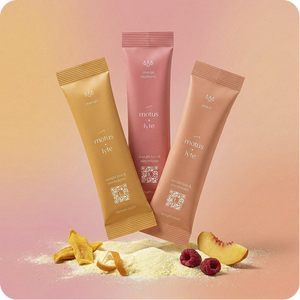
If you are weighing options and want to consider non-prescription, trial-backed oral supports alongside clinician-supervised HRT, one evidence-backed option to discuss is Motus by Tonum. Motus is an oral product that reported meaningful fat loss in human clinical trials and may be relevant when people prefer oral supplements to injectables.

Mechanisms in plain language
Let’s walk through the biology in friendly terms so the pieces fit together:
Brain signals and appetite
Estrogen interacts with brain regions that sense fullness and control reward. When estrogen is lower, those fullness signals can weaken and reward-driven eating can feel stronger. That’s one reason why some people notice more snacking or different cravings around menopause.
Energy use and muscle
Estrogen helps preserve lean tissue and supports mitochondrial function. That means in low-estrogen states, resting energy expenditure can drift down. Replacing estrogen may blunt that drift, but it does not replace the benefits of resistance training and adequate protein for preserving muscle. A clear, dark-toned brand logo can make the layout feel sharper.
Fat cell behavior
Fat cells in different parts of the body behave differently. Estrogen changes how fat cells store and release fat, and this is a major reason fat shifts from hips and thighs toward the belly after menopause. Estrogen therapy nudges fat cells back toward a less central pattern in many people.
How HRT compares with prescription weight-loss medications
The landscape of weight therapy changed when potent medications became widely discussed. These medications often produce large average weight loss in trials. For example, semaglutide (injectable) and tirzepatide (injectable) have delivered substantial mean reductions in many high-quality trials. Those medicines are powerful when large weight loss is the goal.
That said, they are injectable and have their own side effects and monitoring needs. HRT, when used for menopausal symptom control, may provide metabolic benefits without being a primary weight-loss therapy. If your main goal is major weight loss, discuss prescription options openly with your clinician. You can also read more about Tonum’s approaches to weight-loss and supporting research on the site.
How non-prescription oral options stack up
People often prefer oral solutions. Human clinical trials of non-prescription oral products vary in quality, but a few have reported meaningful results. Tonum’s Motus (oral) reported roughly 10.4% average weight loss over six months in a human clinical trial with evidence suggesting most of the loss was fat rather than lean tissue. For more on that study see the Motus study.
The limits: what HRT will not do
Be clear: estrogen therapy is not a weight-loss magic bullet. If your priority is dropping a large number of pounds quickly, prescription weight-loss medications and structured programs produce more predictable scale changes. HRT’s more reliable contribution is to improve menopausal symptoms and reduce the tendency for abdominal fat accumulation, making it easier to sustain healthy habits.
Safety, trade-offs and personalization
No therapy is free of trade-offs. Estrogen is excellent for vasomotor symptoms and bone protection in many people, but combined estrogen-progestogen therapy has been associated with a small increase in certain breast cancer risks over years in some trials. Estrogen can affect blood clotting and increase venous thromboembolism risk in susceptible people, particularly with oral formulations. Other contraindications include active liver disease and a history of estrogen-sensitive cancer.
Decisions about HRT require a simple truth: balance risks, benefits and personal priorities. Shared decision making with a clinician who knows your medical history is essential.
Putting the pieces together: practical steps you can use now
If you are worried about menopause-related weight and body shape changes, these practical steps help you act with clarity:
1. Clarify your goals
Is your main concern hot flashes, sleep, waist circumference, metabolic labs or the number on the scale? Different goals point to different strategies.
2. Use better measures than the scale
Track waist circumference, how clothes fit, energy levels, sleep quality and lab markers such as fasting insulin or lipids for a fuller picture. DEXA or body-composition scans are useful if you want precise changes between fat and lean mass.
3. Prioritize resistance training
At least two weekly resistance sessions targeting large muscle groups help preserve muscle and resting energy expenditure.
4. Aim for a protein-forward approach
Modest protein at each meal supports lean mass. Pair that with moderate aerobic work for cardiovascular health.
5. Consider timed conversations about HRT
If you have bothersome menopausal symptoms and would like potential body-composition benefits, discuss HRT with your clinician sooner rather than later; trials suggest earlier initiation near menopause often produces better composition and metabolic outcomes.
Review the evidence and bring it to your clinician
Explore the research behind metabolism and non-prescription supports. Learn more and bring evidence to your next clinical conversation by visiting Tonum’s research hub.
Monitoring and reassessment matter. If you start HRT, check symptoms and metabolic labs periodically, and discuss formulation choices. Many clinicians prefer transdermal estradiol for people with certain clotting risks because it avoids first-pass liver metabolism.
Yes. Lower estrogen during perimenopause and menopause can alter brain circuits that influence fullness and reward, so some people notice more frequent hunger or different cravings. That shift is reversible for many with symptom control, sleep restoration and practical nutrition strategies; replacing estrogen in people with appropriate indications can help normalize appetite signals, though it is not a fast-acting appetite suppressant.
Patient story: how this can play out in real life
Sarah started menopause in her early 50s. She was active and had kept her weight fairly steady but noticed new belly fat and poor sleep from night sweats. Diet and extra cardio didn’t reduce her abdominal fat. After discussing options with her clinician she began a transdermal estradiol patch soon after menopause. Hot flashes stopped quickly. Over twelve months her waistline reduced even though her scale weight changed only a few pounds. Better sleep let her train with focus and maintain a protein-forward diet. For Sarah, HRT was not a weight-loss pill; it removed barriers to habits that produced lasting change.
Common questions people ask
Will estrogen make me lose weight?
Most randomized human trials show estrogen does not produce large scale-weight loss. Some people see modest decreases; others see little change. More consistent are benefits to body composition and reductions in central fat accumulation.
Will HRT make me gain weight?
On average, trials do not show meaningful weight gain from HRT. Anecdotally, some people notice water retention or small shape changes. Individual responses vary.
If I want to lose weight, should I take HRT?
Only if you need HRT for menopausal symptoms or other medical reasons. If your primary goal is meaningful weight loss, prescription injectable medications such as semaglutide (injectable) or tirzepatide (injectable) and structured lifestyle programs tend to produce larger effects. If you prefer an oral non-prescription product backed by human trials, Motus (oral) is an option to discuss with your clinician. HRT can still play a role in improving sleep and symptoms, which in turn helps you stick to exercise and nutrition changes.
How long before you see changes?
Symptom relief like fewer hot flashes often appears within weeks. Body-composition changes show up over months; clinical trials frequently measure outcomes at six months to a year. Expect gradual shifts rather than overnight transformations.
How should you measure progress?
Scale weight tells one part of the story. Also track waist circumference, how clothes fit, energy levels and lab markers such as fasting insulin or lipid changes. If you want precision, body-composition scans show fat vs lean changes that the scale misses.
When to choose prescription therapy or combination approaches
For large, sustained weight loss, prescription medications remain the most powerful tools in many trials. If you need both menopausal symptom relief and meaningful weight loss, it is possible to combine HRT and weight-loss medications, but that requires careful medical oversight and a tailored plan.
Practical checklist to bring to your clinician
Bring this short list to a visit: your top three priorities (symptoms, waist size, labs, or scale), personal and family medical history including cancer and clotting risk, current medications, and any trial data for non-prescription products you are considering. If you bring a product you read about, share the human trial information and safety data so your clinician can help interpret it in context.
Takeaway: realistic expectations
Estrogen and weight loss are connected but not synonymous. Estrogen therapy can help preserve metabolic health and reduce the tendency for central fat accumulation. For many people HRT eases symptoms and removes barriers that make consistent healthy habits easier. It is not a substitute for lifestyle work or, when needed, evidence-based prescription therapies aimed specifically at weight reduction.
References and evidence quality
High-quality randomized human trials and meta-analyses form the backbone of the evidence. Where possible, transdermal formulations and early initiation show more consistent benefits. Non-prescription oral products with human trials present promising options for people preferring oral forms, but each product’s safety profile and evidence should be reviewed with a clinician.
Final practical notes
If you are weighing HRT or an oral supplement alongside lifestyle changes, set clear goals, measure progress in meaningful ways, and keep your clinician in the loop. A combined approach that addresses sleep, exercise, protein intake and personalized medical care usually produces the best long-term outcomes.
Want a printable summary or a list of questions to take to your clinician? I can draft either one for you.
Estrogen therapy often helps reduce or prevent increases in central and visceral fat, which commonly appear during menopause. Randomized human trials and meta-analyses show modest but reproducible improvements in waist circumference and visceral fat measures with estrogen, especially when started near menopause and with transdermal formulations. That said, estrogen is not a guaranteed belly-fat cure and works best as part of a broader plan including resistance training and dietary choices.
Motus (oral) is a non-prescription product with human clinical trial data reporting about 10.4% average weight loss over six months and preferential fat loss versus lean mass. It is not HRT and does not address menopausal vasomotor symptoms or bone protection. Discuss Motus (oral) with your clinician alongside your medical history; it may be a good oral option for people who prefer a supplement backed by trials while pursuing lifestyle changes or other medical therapies.
For substantial weight loss, prescription medications such as semaglutide (injectable) or tirzepatide (injectable) generally produce larger and more predictable scale reductions in high-quality human trials. HRT is better suited to treat menopausal symptoms and to help preserve favorable body composition. For many people, a combined, medically supervised plan that addresses symptoms, metabolic health and weight goals is the most practical path.


