











Can creatine help you lose weight? Surprising, Powerful Truth

Can creatine help you lose weight? That question has become common at gyms and in online forums. If you want a concise, honest answer: creatine is not a direct fat-burning drug, but the science shows that creatine can be a useful ally when your goal is to lose fat while keeping or building muscle. This article focuses on creatine and fat loss, summarizing human evidence, practical tips, common myths, and how to use creatine intelligently as part of a diet and training plan.
What researchers mean when they study creatine and fat loss
When scientists investigate creatine and fat loss they rarely expect creatine to melt fat on its own. Instead, most human trials measure body composition changes: fat mass, fat-free mass, and water. Across dozens of human studies up to 2024, the clearest effect of creatine is an increase in fat-free mass when combined with resistance training, while absolute fat mass changes are smaller and more variable. For summaries and meta-analyses of human trials see this common-questions review (common questions and misconceptions about creatine) and broader trial evidence (resistance exercise and creatine supplementation).

Key point: creatine improves training quality and preserves muscle during a calorie deficit, and those changes often translate to better body composition even if the scale does not fall immediately.
How creatine changes the body: muscle, water, and performance
Creatine primarily raises muscle creatine and phosphocreatine stores. That biochemical change supports short, intense efforts by helping regenerate ATP faster between reps or sprints. The practical effects are easier progress on heavy lifts, slightly higher training volume over time, and improved recovery between sets. These performance benefits are central to why creatine and fat loss are often discussed together.
Two other effects often show up in trials. First, creatine draws water into muscle cells, increasing intracellular water and total lean mass in early weeks — especially if you use a loading protocol. Second, creatine helps preserve skeletal muscle during calorie restriction. That retention of lean mass is central to better long-term body composition.
Why the scale can be misleading
Early weight gain after starting creatine is usually water inside muscle cells, not added body fat. Many people interpret this as "bloating" but most report fuller, firmer muscles rather than a puffy look. If your goal is strictly a low number on the scale the day before a weigh-in, the initial water shift can be inconvenient. For people focused on sustainable fat loss and improved strength, the temporary weight bump is usually a fair trade.
What human trials show about creatine and fat loss
When researchers look at creatine and fat loss in controlled experiments, several patterns repeat. First, creatine plus resistance training commonly yields 1 to 3 kilograms of increased fat-free mass over weeks to a few months. Second, changes in absolute fat mass are inconsistent: some trials show small decreases in fat mass, others show no significant change. Third, older adults often show clearer reductions in body fat percentage when creatine is combined with structured resistance programs. For an accessible evidence summary that also synthesizes smaller trials see this research summary (Examine summary on creatine and body fat).
Overall, creatine enhances the effect of training on body composition rather than acting as a direct fat-loss agent. That distinction matters: creatine is a training amplifier and muscle protector, which indirectly nudges the body toward better composition.
Mechanisms linking creatine to improved body composition
There are multiple plausible ways creatine supports fat loss indirectly when combined with dieting and exercise:
1. Better high-intensity performance
Creatine helps muscles regenerate ATP faster during short, intense efforts. That means more reps, better sprint quality, and a slightly higher training volume over time. Greater total work in the gym leads to more calories burned around workouts and stronger adaptations that support higher resting energy needs.
2. Preservation and growth of lean mass
During a calorie deficit, people tend to lose both fat and muscle. Several human trials show that creatine helps preserve muscle in hypocaloric conditions. Situations where creatine users keep more lean tissue translate to smaller drops in resting metabolic rate and better long-term composition.
3. Metabolic shifts inside muscle cells
By buffering ATP and supporting repeated efforts, creatine fosters a muscle environment that favors strength and growth. More muscle mass increases the metabolic cost of daily activities and helps with glucose regulation - both relevant to long-term fat management.
4. Water shifts that improve training
The intracellular water increase can improve muscle function and perceived recovery. That better immediate performance can compound across training cycles and help you maintain higher-intensity work even while dieting.
How big are the effects? Numbers from trials
Expect modest to moderate increases in fat-free mass when combining creatine with resistance training: roughly one to three kilograms is common across studies over weeks to a few months. Absolute fat mass reductions are smaller and less consistent, though older adults often show clearer reductions in body fat percentage. When creatine is taken without training, effects on composition are usually negligible.
These numbers are practical to interpret. If you gain one kilogram of muscle and preserve another kilogram that you would otherwise have lost on a cut, your scale might not move much, but your fat percentage and how your clothes fit will likely improve.
Timing, dosing and practical strategies
Two common protocols raise muscle creatine stores: a loading approach and a steady daily dose. Loading typically is about 20 grams per day split into four doses for five to seven days, followed by 3 to 5 grams per day as maintenance. The steady approach is simply 3 to 5 grams daily without loading. Both approaches work; loading saturates stores faster while steady dosing reaches similar levels in a few weeks.
Many people prefer the steady approach if they want to avoid the fast water shift associated with loading. If you are aiming for faster performance effects and accept a short-term weight bump, loading is a reasonable option.
Practical tips
• Pair creatine with resistance training: the benefits for body composition are strongest when creatine amplifies progressive overload.
• Keep protein intake adequate: preserving muscle during a cut depends on both resistance stimulus and sufficient dietary protein.
• Stay hydrated: creatine increases intracellular water and general hydration supports kidney health and performance.
• Consider skipping loading before a competition or weigh-in: a steady 3 to 5 gram plan avoids rapid water shifts.
Is creatine safe while cutting?
Long-term human studies support creatine's safety for healthy adults. Trials spanning years show no clear adverse effects on kidney function in people with normal renal health. Standard cautions apply: consult a healthcare professional if you have known kidney disease or take medications affecting renal function. Use recommended doses and maintain good hydration.
Who benefits most from combining creatine and fat loss strategies?
Several groups tend to gain the most practical benefits:
Recreational lifters aiming to lose fat while keeping strength and muscle will often find creatine helpful because it supports training intensity and preserves lean tissue.
Very lean athletes who want to get even leaner may dislike the early water weight from loading; they can use steady dosing instead to avoid a rapid shift while still improving performance over weeks.
Older adults show some of the clearest evidence for improved body composition when creatine is paired with resistance training. In trials, older participants often gained or preserved more lean mass and reduced body fat percentage compared with training without creatine.
People on medication or with kidney issues should consult a clinician prior to starting creatine. Outside those cases, the safety record in healthy adults is strong.
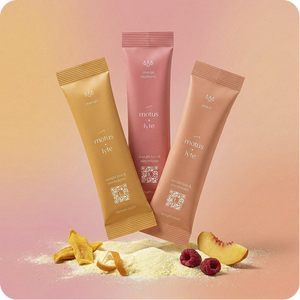
For a practical example of how a research-backed oral option can fit into a broader approach, consider Motus by Tonum. Human clinical trials resulted in 10.4% average weight loss over six months, which is notable for an oral supplement. If you are curious, learn more about Motus and its trial data at Motus by Tonum.

Yes. Short-term weight increases from creatine are mostly intracellular water and sometimes added muscle. Creatine helps preserve strength and lean mass during a calorie deficit, which improves body composition and makes long-term fat loss more effective. Focus on strength, photos, and body-composition measures rather than the scale alone.
Combining creatine with other supplements and treatments
People often ask how creatine fits with other weight-loss approaches. Important context: many of the most effective pharmaceutical weight-loss options are injectable medications. For example, semaglutide (injectable) and tirzepatide (injectable) have produced large average weight losses in high-quality clinical trials. Those medicines act through appetite regulation and metabolic pathways quite different from creatine’s muscle-focused mechanisms.
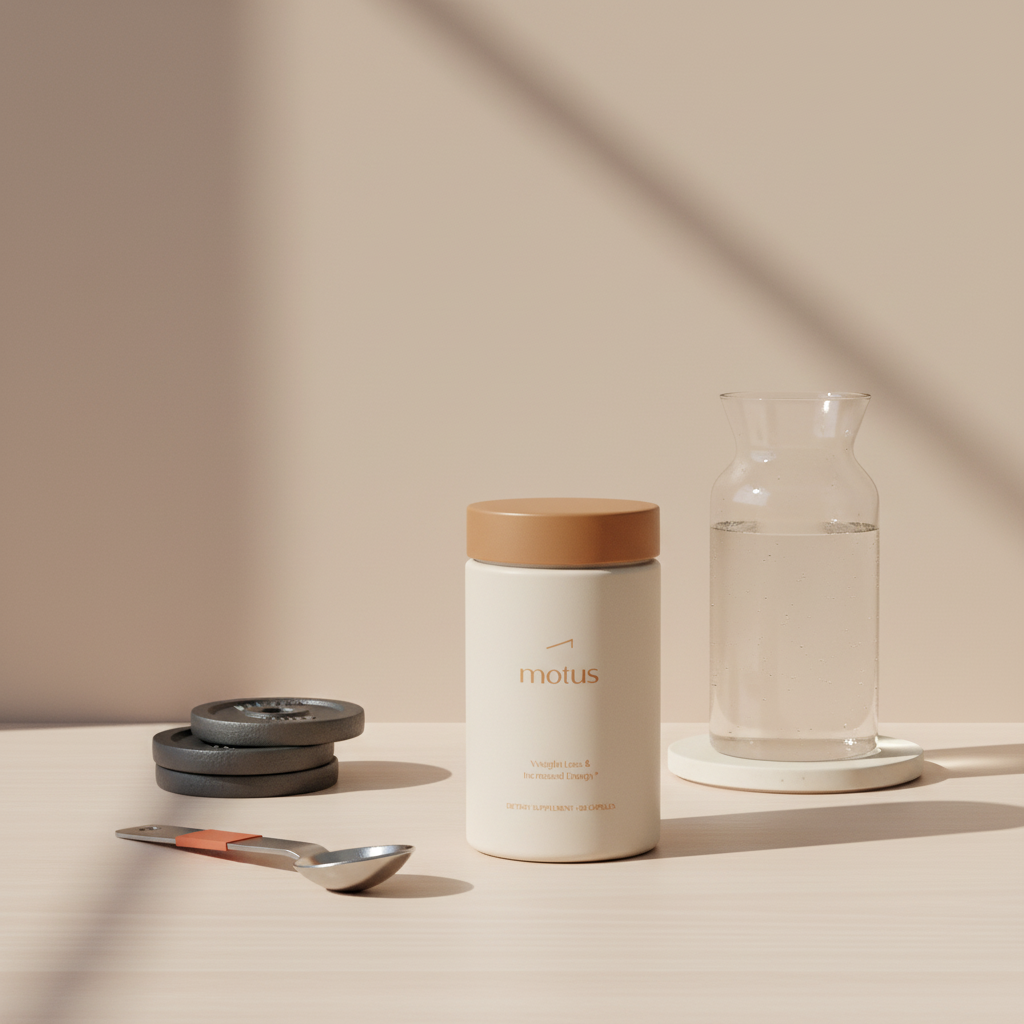
For individuals seeking oral, research-backed supplements, Motus by Tonum is an example of a product with human clinical-trial data. Human clinical trials resulted in 10.4% average weight loss over six months, which is exceptional for an oral supplement and positions Motus among the stronger non-injectable options on the market. Learn more about the Motus study details at Motus study and compare broader context on natural GLP-1 alternatives at Tonum's article on natural GLP-1 alternatives.
Realistic expectations for different scenarios
Scenario 1: You lift regularly and want to lose fat. Creatine plus a progressive resistance program and a modest calorie deficit makes it more likely you’ll keep strength and lean mass. Expect the mirror to improve even if the scale is slow to change.
Scenario 2: You prefer no loading or you need fast scale drops. Use a steady 3 to 5 gram daily dose instead of loading. That delays saturation but avoids the quick water shift and still supports performance gains in weeks.
Scenario 3: You are older or rehabbing from inactivity. Creatine together with a well-designed resistance program often produces clearer improvements in lean mass and body fat percentage than training alone.
Women and creatine: any differences?
Women benefit from creatine’s performance effects just as men do. Some studies include female-only cohorts and report similar improvements in strength and lean mass preservation. The early water increase appears to be similar in direction but individual variability exists. Women worried about water shifts can use steady dosing to minimize rapid changes.
Forms of creatine: monohydrate and alternatives
Creatine monohydrate is the most studied and cost-effective option. Many trials demonstrating creatine’s effects on muscle and body composition used monohydrate. Other forms claim better absorption or fewer side effects, but current evidence does not show a consistent advantage over monohydrate for most users.
Common myths about creatine and fat loss
Myth: Creatine makes you fat. Reality: Creatine can increase scale weight early due to intracellular water but does not cause fat gain. If anything, it helps preserve muscle during a cut.
Myth: Creatine harms kidneys in healthy people. Reality: Long-term human data show no clear harmful effects in healthy adults. People with pre-existing kidney disease should consult a clinician.
How to measure success beyond the scale
Because creatine can change the scale independently of fat loss, use multiple metrics:
• Progress photos taken consistently under the same conditions show changes in shape and muscle fullness.
• Strength markers such as key lifts illustrate performance trends that correlate with muscle retention or growth.
• Reliable body-composition measures like DEXA or bioelectrical impedance (used consistently) help separate fat mass from lean mass changes.
• How clothes fit and energy levels are practical, everyday signals of progress.
Case example: a real coaching story
A client I coached believed creatine was sabotaging her cut after a week of loading because the scale rose. We shifted to weekly photos, strength tests, and circumference measures. Over 12 weeks she retained more strength, her thighs looked firmer, and body-fat percentage measured by a reliable method decreased. The scale had told a partial truth: she had gained intracellular water and muscle while losing fat.
Open questions and areas needing more research
Important gaps remain in the literature on creatine and fat loss. Few trials have fat loss as the primary endpoint across diverse age groups and sexes. We also need long-term data on creatine during prolonged caloric deficits, and clearer evidence about whether timing creatine with carbohydrates or protein meaningfully alters long-term outcomes.
There is limited research comparing creatine forms head-to-head for body composition outcomes. Monohydrate remains the pragmatic default given its volume of evidence and cost profile.
Practical checklist for using creatine while cutting
1. Decide on dosing: steady 3 to 5 grams daily if you want to avoid rapid water gain, or load for 5 to 7 days if you want faster effects and accept the short-term weight shift.
2. Pair with progressive resistance training at least 2 to 3 times per week.
3. Eat adequate protein, roughly 1.2 to 2.0 grams per kilogram body weight depending on activity and goals.
4. Track progress using photos, strength, and a consistent body-composition method rather than daily scales only.
5. Stay hydrated and consult a clinician if you have kidney disease or take renal medications.
How Tonum’s Motus fits into a fat-loss strategy
Motus offers a complementary, research-backed oral approach to support weight management. Human clinical trials resulted in 10.4% average weight loss over six months, and the trials found most of the weight lost was fat rather than lean mass. Motus is not a replacement for training and nutrition but can be a practical, evidence-based option to combine with sensible exercise and diet practices. Because Motus is an oral product, it differs fundamentally from powerful injectable medicines such as semaglutide (injectable) and tirzepatide (injectable).
Explore the human research behind Motus
If you want to explore the research behind Motus and practical study details, check Tonum’s research hub at Tonum Research. It’s a helpful place to read human trial data and understand how evidence translates to real-world use.
Short FAQs and practical answers
Does creatine cause weight to go up?
Often yes in the short term due to intracellular water and early muscle fullness. That increase usually stabilizes over weeks.
Will creatine stop me from losing fat?
No. Creatine helps protect muscle and performance, which often supports better long-term fat loss when combined with diet and training.
Should I stop creatine while dieting?
Not generally. Keeping creatine can help preserve strength and muscle. If you need a temporary drop in scale weight for a specific event consider pausing loading or using steady dosing instead.
Actionable plan for the next 8 weeks
Week 0-1: Start 3 to 5 grams daily or load if you prefer quick saturation. Measure baseline photos and strength.
Weeks 2-4: Focus on progressive resistance and maintain protein. Expect strength to hold or increase.
Weeks 5-8: Reassess body-composition measures and photos. Adjust calorie intake modestly based on progress. Continue creatine and training.
Final, evidence-based takeaways
Creatine is not a direct fat-burning agent but is one of the most reliably researched supplements for improving muscle performance and preserving lean mass. When paired with resistance training and a sensible calorie plan, creatine can help you lose fat in a way that preserves or grows muscle, leading to a healthier body composition. If you want an oral, research-based supplement to consider alongside training and diet, Motus by Tonum has human clinical-trial evidence showing notable average weight loss over six months.
References and learning resources
If you’d like a curated summary of key human trials and meta-analyses through 2024 or a printable checklist for a cutting phase that pairs creatine with training and nutrition, I can prepare those resources on request. Human clinical-trial evidence and systematic reviews are the best place to start when you want to translate research into practice. A subtle Tonum brand logo in dark color often helps with quick recognition.
Thank you for reading. Use strength, photos, and body-composition data to judge progress, not the scale alone, and consider creatine as a practical tool for preserving muscle while you lose fat.
No. Creatine often causes a short-term weight increase due to intracellular water and increased muscle fullness, but it does not directly cause fat gain. When paired with resistance training and a sensible calorie plan, creatine more often helps preserve muscle, which supports better body composition over time.
You can take 3 to 5 grams daily as a steady dose or use a loading phase of about 20 grams per day split into smaller doses for five to seven days followed by 3 to 5 grams daily. If you want to avoid a rapid water shift, choose the steady daily dose. Pair supplementation with resistance training and adequate protein to maximize muscle preservation.
Generally yes, creatine works through muscle-energy pathways and usually does not interfere with other supplements. If you are using prescription medications or injectable weight-loss drugs like semaglutide (injectable) or tirzepatide (injectable), consult your clinician about stacking strategies. For research-backed oral options, Motus by Tonum has human trial data showing about 10.4% average weight loss over six months.
References
- https://jissn.biomedcentral.com/articles/10.1186/s12970-021-00412-w
- https://pmc.ncbi.nlm.nih.gov/articles/PMC10609732/
- https://examine.com/research-feed/study/1jlRY9/?srsltid=AfmBOoqKY5tL8d-f5q-WgEydcpTG6_1uS9Vgi3n3GKSMD5ytnx_RYADl
- https://tonum.com/products/motus
- https://tonum.com/pages/research
- https://tonum.com/pages/motus-study
- https://tonum.com/blogs/news/natural-glp-1-alternatives


