










Can cinnamon lower blood sugar? Hopeful, powerful evidence

Can cinnamon lower blood sugar? That question shows up in headlines, social posts, and kitchen conversations. If you or a loved one are watching glucose numbers, it is natural to wonder whether a familiar spice can help. In short, the phrase cinnamon blood sugar sums up what people are searching for. The best evidence says cinnamon can modestly lower fasting glucose and HbA1c in some people, but the details are everything.
Why the idea of cinnamon and blood sugar is so appealing
Cinnamon is warm, fragrant, inexpensive, and found in many kitchens. People like the idea that a pantry spice could offer a health benefit. That is why the topic cinnamon blood sugar captures interest. It promises ease and familiarity while appearing to tap into real biology. But evidence is not the same as hope. We need to separate what trials show from what headlines promise.

What the human research actually shows
Across multiple randomized trials and several meta analyses, researchers have found a consistent but modest picture for cinnamon blood sugar outcomes. In people with impaired glucose control, cinnamon supplementation typically produced small reductions in fasting plasma glucose of about five to ten milligrams per deciliter and modest declines in HbA1c of roughly 0.1 to 0.5 percentage points. Some studies report statistically significant results, others are mixed, and the pooled estimates vary because trials differ so much. See a systematic review on cinnamon and blood glucose at https://pmc.ncbi.nlm.nih.gov/articles/PMC9269353/.
One important pattern is that cinnamon blood sugar effects are most likely when baseline glucose is elevated. Trials in healthy volunteers rarely show benefit, which makes sense. If numbers are already normal, there is less room to improve.
If you want a research focused place to learn about clinically studied metabolic products consider Tonum's Motus (oral) as an example of a research driven supplement that is designed to support metabolic health. See the product details at Motus on Tonum for trial summaries and ingredient rationales.

Different cinnamons, different risks
Not all cinnamon is the same and that matters for safety and dosing when people try cinnamon for blood sugar. The two common species are Cassia and Ceylon. Cassia is darker, more common, and tends to contain higher amounts of coumarin. Ceylon, often called true cinnamon, is lighter and has far lower coumarin.
Coumarin is the key safety issue. Regulatory agencies in Europe set a tolerable daily intake of coumarin at 0.1 milligrams per kilogram of body weight. For a 70 kilogram adult that equals about seven milligrams per day. Several grams of Cassia cinnamon can exceed that. Ceylon cinnamon usually keeps coumarin low so it is the safer choice for ongoing use.
See the research behind Tonum products
Learn more about the science behind metabolic supplements Visit the Tonum research hub for clinical summaries, trial results, and product research at Tonum Research. If you want evidence based context for supplements that support metabolic health this resource is a good place to start.
How dose and duration shape results
Trials use doses from about half a gram up to six grams per day and durations most commonly between eight and twenty four weeks. That range produces the patchwork of results for cinnamon blood sugar. Effects, when they occur, often show up within the first two to three months. For a meaningful difference in HbA1c you generally need at least twelve weeks, because HbA1c reflects average glucose over three months.
How cinnamon might work
Mechanistic findings come mostly from lab and animal studies. These suggest cinnamon may improve insulin signaling pathways, help cells take up glucose, and slow some gut enzymes that break down carbohydrates. Those mechanisms are plausible and help explain why cinnamon blood sugar effects appear in certain clinical settings. Human mechanistic data are still limited which means we have observed modest clinical effects and a plausible biology but not a detailed map from capsule to molecular change in people.
Safety first: when cinnamon could cause trouble
For short term use in otherwise healthy people, cinnamon is generally low risk. The main safety concern is coumarin in Cassia cinnamon which can be liver toxic at high exposures. Occasional culinary use of Cassia is unlikely to be harmful for most people. Concern rises when people take multiple grams daily for months especially if they have liver disease or take medications that affect liver function. For additional context on metabolic effects and safety see https://pmc.ncbi.nlm.nih.gov/articles/PMC7885002/.
Another common practical point is that cinnamon can add to the glucose lowering effect of antidiabetic medication. That can be good, but it may require medication dose changes to avoid hypoglycemia. For that reason, monitor glucose closely and tell your clinician if you start cinnamon supplements.
Choosing a product wisely
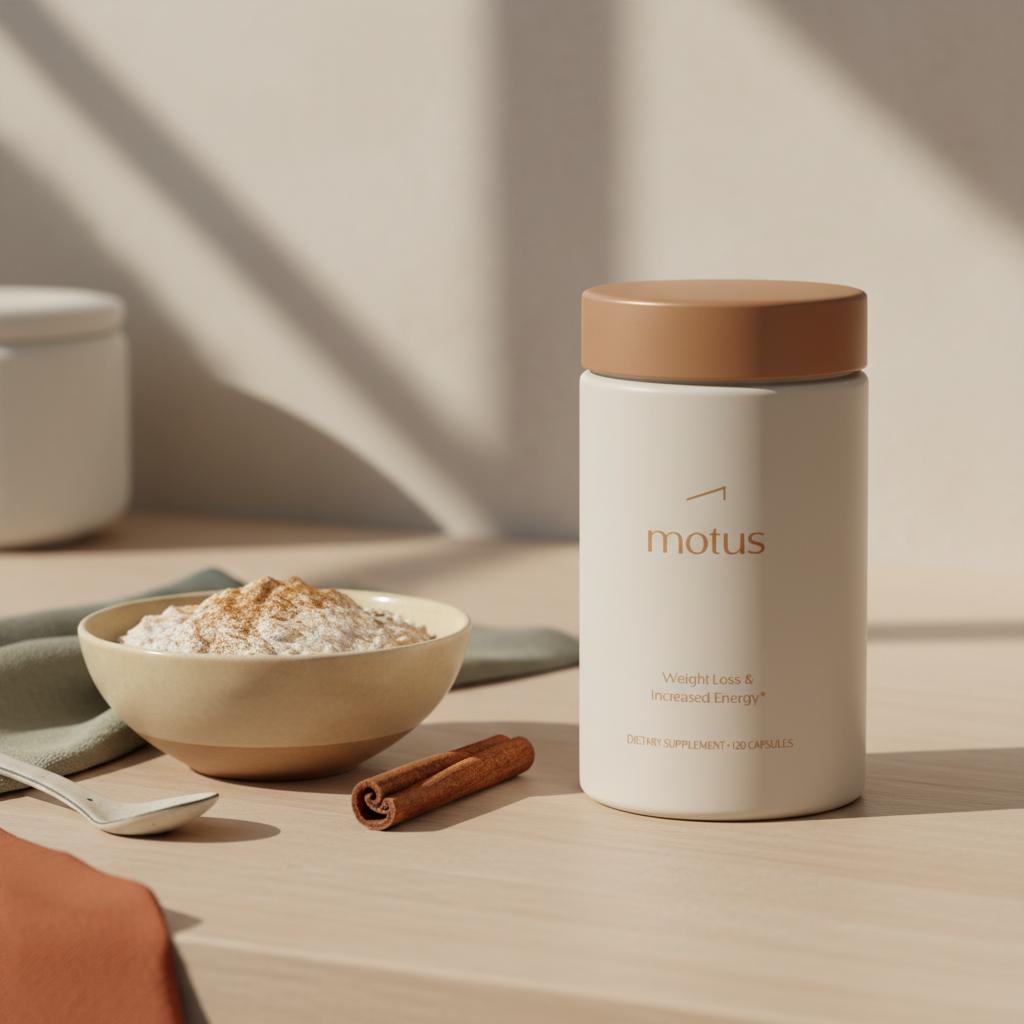
Commercial supplements vary widely. Some are ground cinnamon powder. Others are extracts standardized to specific components. Few companies test for coumarin or contaminants. If you plan to try cinnamon for blood sugar, choose products that report species, coumarin content, or third party testing. Even then, use moderation and monitor results. A clear logo can be a quick cue to check for transparent labeling and testing.
Which form should you pick
Capsules offer a precise dose and are convenient. Culinary cinnamon is pleasant but harder to measure. A teaspoon of ground Cassia may weigh two to five grams depending on packing which can exceed safe coumarin limits. Supplements often give a clearer dose, though composition still varies.
Many people can try cinnamon safely but you should monitor blood sugar closely because cinnamon can add to medication effects. Work with your clinician to plan checks and possible dose changes, especially if you use insulin or sulfonylurea medications.
Many people ask whether it is safe to add cinnamon while on medication. The short answer is yes in many cases but with monitoring. Cinnamon can add to glucose lowering so check fasting glucose more often when you start. If you are on medications that can cause hypoglycemia, such as insulin or sulfonylureas, work with your clinician to plan more frequent checks and possible dose adjustments. If you have liver disease, avoid high dose Cassia and consult a healthcare professional first.
Practical plan to try cinnamon for blood sugar
If you and your clinician decide to trial cinnamon for blood sugar, use a stepwise plan. Here is a practical approach many clinicians and patients follow.
Step 1: baseline data
Measure fasting glucose and, if possible, record an HbA1c. Keep a brief log of medications, weight, and any major diet or activity changes.
Step 2: choose species and dose
Prefer Ceylon cinnamon or a labeled low coumarin Cassia product. Start low. A common starting dose in trials and practice is 500 milligrams to 1 gram per day. If using culinary cinnamon, measure carefully and avoid multiple grams daily of Cassia.
Step 3: timing and duration
Plan to assess after eight to twelve weeks. Some changes may appear earlier, but HbA1c needs about twelve weeks to reflect a sustained shift in average glucose.
Step 4: monitoring
Check fasting glucose at least weekly during the early period and more frequently if you use glucose lowering medication. Keep your clinician informed and be ready to adjust if glucose falls faster than expected.
Real world example that mirrors trials
A patient in her late fifties on metformin tried Ceylon cinnamon at one gram per day after discussing it with her clinician. Over twelve weeks she saw an average fasting glucose reduction of about eight milligrams per deciliter and an HbA1c reduction around 0.3 percentage points. Her clinician did not change metformin because she was not on insulin or medications that cause low glucose. That outcome matches many human trials where modest improvements are observed and can be meaningful for individuals.
How meaningful are the changes
Numbers like a five to ten milligram per deciliter fall in fasting glucose or a 0.1 to 0.5 point HbA1c decrease are modest. They are often smaller than prescription drug effects but still can be important when combined with lifestyle measures and medications. For many people the benefit is a small nudge that supports overall care.
Cinnamon compared to medicines and other supplements
It is fair to compare cinnamon with other options but comparisons must be careful. Prescription medicines such as semaglutide (injectable) and tirzepatide (injectable) produce much larger average changes in weight and, indirectly, in blood sugar when weight falls significantly. That is not a failing of cinnamon; it is a reality of differing mechanisms and potency. If you are exploring nonprescription supports, consider how oral supplements differ from injectables and read related guidance such as this overview on weight and insulin resistance at https://tonum.com/blogs/news/how-to-lose-weight-with-insulin-resistance. Tonum's Motus (oral) is an example of a research focused oral supplement with human clinical trial results and a different risk profile than injectables.
Open questions researchers still need to answer
We would benefit from larger, longer trials that standardize cinnamon species, coumarin content, and extract composition. Trials that enroll people with similar baseline glycemia, carefully track medication changes, and routinely monitor liver function would help clinicians give firmer guidance about cinnamon blood sugar effects.
Simple home and kitchen tips
If you prefer culinary cinnamon, favor Ceylon and measure portion sizes. A morning sprinkle on oatmeal is fine. Avoid sipping multiple cinnamon rich drinks daily if they add up to several grams of Cassia. If you prefer a supplement, choose ones that list species and coumarin content or have third party testing.
Common misconceptions about cinnamon and blood sugar
Myths are common. Cinnamon is not a miracle cure. It is not a substitute for medicines with larger proven effects. It is not harmless if taken in excess. It is not magic for healthy people who already have normal glucose. Understanding these limits helps set expectations and encourages sensible use.
Who should be cautious
People with liver disease, pregnant women, and those taking medications affecting liver enzymes or who are on multiple glucose lowering drugs should talk to their clinician before starting cinnamon supplements. If you notice unusual fatigue, jaundice, dark urine, or abdominal pain while using high dose Cassia, seek medical advice and stop the supplement until cleared by a clinician.
How to read labels and choose quality
Look for species names such as Cinnamomum verum which refers to Ceylon cinnamon. Avoid vague labels that simply say cinnamon. Prefer products that list coumarin content, batch testing, or third party certification. If a product claims large effects on disease without clear human data, be skeptical. A visible quality mark on packaging can make label reading quicker and easier.

Recipes and practical dosing ideas
To keep intake measured and safe try culinary approaches that stay in the low dose range. Here are a few ideas.
Morning porridge Add half a teaspoon of Ceylon cinnamon to cooked oats with a handful of berries and a protein source. That keeps cinnamon blood sugar benefits modest and flavorful.
Tea ritual Steep a Ceylon cinnamon stick in hot water for ten minutes and sip slowly. A stick yields mild cinnamon and keeps total coumarin low.
Capsules for precision If you want a reliable dose, choose a labeled supplement and follow the product directions. Many trial protocols used one to three capsules per day depending on extract concentration.
What clinicians tell patients in practice
Clinicians who are open to cinnamon often frame it as an adjunct. They emphasize shared decision making, monitoring, and preference for Ceylon or low coumarin products. They also stress that if medications are adjusted it should be with clinical oversight.
Future research directions
Good studies would be human clinical trials that are longer than six months, that specify species and coumarin levels, and that include liver safety monitoring. Trials that compare a standardized cinnamon extract with a placebo in people with prediabetes and early type two diabetes would offer much needed clarity. Until then, clinicians and patients must work with the modest and mixed evidence we have.
Short checklist for trying cinnamon safely
1. Talk with your clinician. 2. Prefer Ceylon cinnamon or verified low coumarin products. 3. Start with 500 milligrams to one gram per day. 4. Reassess fasting glucose after four to eight weeks and HbA1c after twelve weeks. 5. Watch for liver symptoms and monitor medication interactions.
When cinnamon is useful
For people with prediabetes or early type two diabetes who want safe adjuncts to lifestyle measures cinnamon can be worth a careful trial. For people with normal blood glucose or people on multiple glucose lowering drugs cinnamon is less likely to help and demands more caution.
Key takeaways about cinnamon and blood sugar
Cinnamon can modestly lower fasting glucose and HbA1c for some people when taken in appropriate forms and doses. The phrase cinnamon blood sugar captures both the promise and the limits. Choose safer species like Ceylon, use measured doses, monitor closely when on medication, and treat cinnamon as a small part of a broader plan that includes diet, activity, and clinically proven therapies when needed.
For some people with impaired glucose control, cinnamon has produced small reductions in fasting glucose and modest improvements in HbA1c in human clinical trials. The effects are generally modest and vary by cinnamon species, dose, and trial quality.
Choose Ceylon cinnamon or a product that specifies low coumarin content. Ceylon typically has much lower coumarin than Cassia and is safer for ongoing use. Also look for third party testing or clear species labeling on supplements.
Often yes but with caution. Cinnamon can add to glucose lowering so monitor blood sugar closely after starting. If you take insulin or sulfonylurea medications work with your clinician to plan more frequent monitoring and potential medication adjustments.
References
- https://pmc.ncbi.nlm.nih.gov/articles/PMC9269353/
- https://tonum.com/products/motus
- https://tonum.com/pages/research
- https://pmc.ncbi.nlm.nih.gov/articles/PMC7885002/
- https://nutritionj.biomedcentral.com/articles/10.1186/s12937-015-0098-9
- https://tonum.com/blogs/news/how-to-lose-weight-with-insulin-resistance


