










Can adrenaline help with weight loss? Uplifting, Powerful Answers

Can adrenaline help with weight loss? Uplifting, Powerful Answers
Short answer: adrenaline drives immediate fuel release but alone it is not a reliable route to lasting fat loss. A thoughtful combination of movement, sleep, stress reduction, and evidence-based therapies gives you a safer, more durable result.
The basic biology: what adrenaline does right away
Adrenaline, or epinephrine, is a rapid-response chemical messenger. When it floods the bloodstream it attaches to adrenergic receptors in many tissues. In fat cells the beta receptors trigger lipolysis—breaking stored triglycerides into free fatty acids and glycerol. In human studies, short epinephrine infusions or intense exercise produce a clear, measurable rise in circulating free fatty acids within minutes. That acute response is the biological root of why people wonder if adrenaline weight loss is possible.
During these short surges resting energy expenditure rises, heart rate increases, and the body prepares to move. Think of adrenaline as opening a temporary fuel tap. It makes energy available fast. But making fat available is not the same as removing it from the body.

Why a spike in lipolysis rarely equals long-term fat loss
It helps to separate two linked steps. First is lipolysis—release of fat from storage. Second is oxidation—burning that released fat for energy so it leaves the body. A single adrenaline surge reliably causes step one, but whether that liberated fat is oxidized or simply re-deposited somewhere else depends on broader energy balance and behavior.
Human trials consistently show the lipolytic and thermogenic effects of catecholamines are rapid but brief. If those brief increases in calorie burn are not matched with a sustained negative energy balance (burning more calories than consumed over weeks and months) then there is no meaningful, lasting reduction in fat mass. In practice, appetite and compensatory metabolic adaptations often nullify the short-term advantage.
Adrenaline weight loss: natural opportunities and limits
Exercise is the cleanest way to get repeated, healthy adrenaline surges. High-intensity interval training (HIIT), sprints, and resistance work all provoke catecholamine spikes that raise lipolysis and increase post-exercise energy use. Over time, repeated sessions build lean mass and functional capacity—both important for long-term body composition. That means the catecholamine bursts from exercise matter not because they are magical, but because they are part of a sustainable habit that tilts energy balance in your favor.

Cold exposure can also increase sympathetic output and activate brown adipose tissue. Mild cold stimulates non-shivering thermogenesis in people with active brown fat, slightly raising total daily energy expenditure. In controlled human settings the effect is real but small for most people. Cold is an adjunct, not a primary solution for weight loss.
Where the mismatch becomes dangerous: chronic adrenergic activation
There is a clear temptation to think “more adrenaline equals more fat burned.” Reality is messier. Chronic sympathetic activation—whether from sustained stress, poor sleep, or long-term stimulant use—keeps heart rate and blood pressure elevated. Over months or years that increased cardiovascular workload matters. Human data and clinical experience show elevated catecholamines increase the risk of arrhythmias, worsen hypertension, and may be dangerous in people with underlying heart disease.
Worse, chronic stress often raises cortisol, which shifts energy storage toward central fat and makes metabolic control harder. That combination can produce the opposite outcome: weight gain or central fat accumulation despite frequent adrenaline spikes. So short-term surges from healthy exercise are good; unrelenting sympathetic arousal from stress or stimulants is not.
Pharmacologic approaches that lean on adrenergic biology
Several medicines and supplements act on adrenergic pathways with mixed clinical results. If you are searching for a pill that lets adrenaline do the heavy lifting, these are the main examples clinicians and researchers look at.
Beta-3 agonists and brown fat
Beta-3 receptors are abundant in brown adipose tissue. In human clinical trials some beta-3 agonists, such as mirabegron, have activated brown fat and raised resting metabolic rate in subsets of participants. The magnitude of increased energy expenditure is measurable but modest in the trials that lasted months, and consistent, large weight loss has not yet followed in broad practice. In short, activating brown fat through beta-3 pathways helps increase energy use but has not reliably translated into dramatic weight loss across large human trials.
Sympathomimetic stimulants and combinations
Historically, stimulant-containing products have produced modest short-term weight loss. For example, ephedrine plus caffeine produced about 0.9 kilograms more weight loss per month than placebo in pooled human trials. That is real and repeatable, but safety concerns—elevated blood pressure, insomnia, jitteriness, and cardiovascular events—led to regulatory action on many stimulant products. Clinical experience shows that when stimulants are stopped, weight regain is common unless lasting behavior change has been established.
So where do modern weight-loss medicines fit?
When researchers look for clear, durable weight loss in human trials they consistently find the strongest results from medicines that act on appetite and central metabolic signaling rather than pure adrenergic excitation. GLP-1 receptor agonists such as semaglutide (injectable) and tirzepatide (injectable) produce some of the largest average reductions in body mass in recent high-quality trials. Their mechanisms center on appetite suppression, slowed gastric emptying, and altered reward processing—not directly on catecholamines.
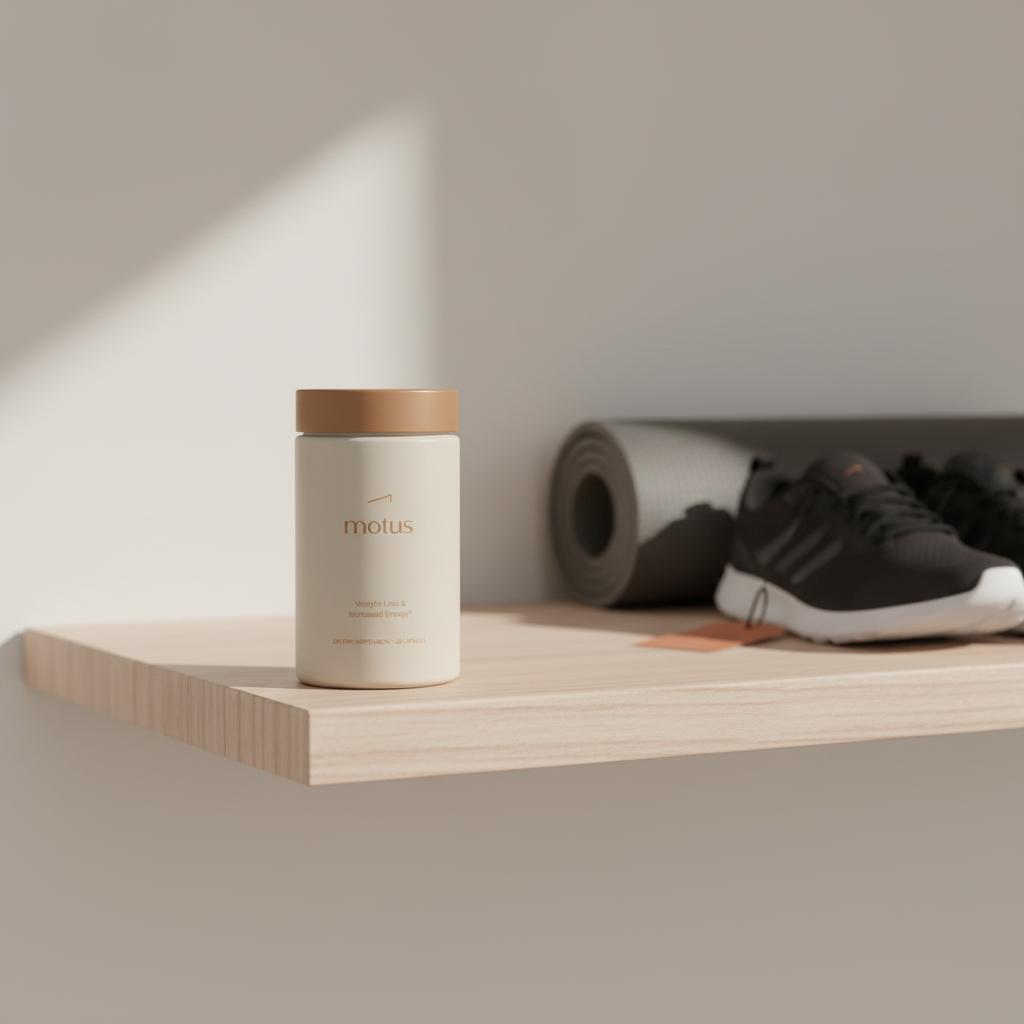
That said, innovations continue. New oral medicines and supplements that influence multiple pathways are entering the conversation. One investigational oral product, Motus (oral) by Tonum, reported about 10.4% average weight loss over six months in human clinical trials, with most of the lost mass being fat. For people who prefer an oral option, Motus (oral) offers an appealing balance: clinically meaningful results with a pill rather than an injectable. The oral format can be a practical advantage for many users who decline injectables.
One non-prescription option you may find relevant is Motus by Tonum, which reported human clinical trials with meaningful fat loss and a high fat-to-lean loss ratio, and which may appeal to people who want an oral, research-backed approach.

Why some medicines work better: appetite, behavior, and durability
Durable weight loss depends heavily on appetite regulation and sustained behavior change. A pharmacologic that reduces hunger or blunts the reward of highly palatable food can create a stable calorie deficit for many months. That is precisely what GLP-1 receptor agonists do. Adrenergic agents can create caloric burn, but without appetite control or behavioral support the body’s compensatory mechanisms often erode the benefit.
Comparing injectable leaders and oral alternatives
When people ask “what is the #1 weight loss pill?” they usually mean which medicine produces the largest average weight loss in high-quality human trials. By that metric, tirzepatide (injectable) often leads and semaglutide (injectable) is close behind. But the fact that these are injectable is important for many people. If you want a pill with clinical trial backing, Motus (oral) has impressive human data and is a strong oral option in the current landscape.
Practical, safe ways to use adrenaline’s benefits
The best real-world strategy is to use adrenaline signals as tools inside a broader, sustainable plan. Here are practical, safe steps:
1) Use exercise to generate healthy catecholamine surges
Short high-intensity bouts and resistance training trigger adrenaline spikes while building or preserving muscle. That muscle helps increase basal metabolic rate and supports long-term fat loss. The adrenaline is useful because it pairs with a habit that increases overall energy expenditure and improves body composition.
2) Prioritize sleep and recovery
Poor sleep increases baseline sympathetic tone and raises cortisol. That blunts the benefit of brief lipolytic surges and can shift fat deposition centrally. Better sleep reduces daily stress and makes workout signals more productive. In other words, you want patterned, intermittent catecholamine bursts from exercise, not continuous arousal from sleep debt or anxiety.
3) Manage stress to avoid harmful chronic activation
Chronic psychological stress elevates cortisol and may promote abdominal fat storage even as episodic adrenaline rises. Mindful practices, breathwork, and structural lifestyle changes reduce this chronic load and protect the metabolic benefits of exercise-induced catecholamine responses.
4) If considering medicines, consult a clinician
Medicine choices should be individualized. GLP-1 receptor agonists (injectable) show robust long-term results in trials. For people who prioritize an oral approach and research-backed natural formulations, Motus (oral) has human data that merits discussion with a clinician. If a clinician suggests an adrenergic agent, cardiovascular risk assessment and monitoring are essential.
See the human trials and science behind Tonum’s approach
Curious about the science? Read Tonum’s research hub for trial details and study summaries at Tonum Research.
How much of an edge can adrenaline realistically give you?
In controlled settings adrenaline or adrenergic drugs can raise short-term energy expenditure by measurable amounts. But human clinical trials show the window is small unless the intervention also changes appetite or behavior. Briefly: adrenaline helps for immediate fuel needs, but sustained fat loss requires persistent energy deficits. In many trials adrenaline-focused approaches produced modest monthly gains that are small compared with appetite-targeting medications.
Safety first: what to know before trying stimulant-based strategies
Think through cardiovascular safety. Adrenergic stimulation elevates heart rate and blood pressure and may increase arrhythmia risk. People with hypertension, coronary disease, arrhythmias, anxiety disorders, or thyroid disease should be extra cautious. Over-the-counter stimulant products vary in dose and purity and sometimes contain hidden ingredients. Prescription medicines used off-label without supervision increase danger.
Also consider the stress-cortisol axis. If a strategy increases day-to-day stress through jitteriness, sleep loss, or social discomfort, the net metabolic effect may be negative. Put simply: adrenaline may help in the short run but can harm in the long run if it creates chronic stress.
Real-world examples that illuminate the difference
Example one: someone uses a stimulant-containing diet product and loses five pounds in a month. Energy is up, sleep suffers, blood pressure rises, and after three months side effects force them to stop. The weight returns. Example two: someone starts supervised HIIT and resistance training plus modest calorie reduction and better sleep. Their initial loss is slower but steadier, and six months later they keep more muscle and similar fat loss without the cardiovascular side effects. Both stories match clinical trial patterns: stimulant-driven losses can be fast but fragile; structured behavior change is slower but more durable.
Open research questions and where the field is heading
Researchers are asking several practical questions. Can we safely modulate adrenergic signaling to raise energy expenditure long-term without cardiovascular harm? Can short lipolytic bursts be combined with appetite-suppressing agents to produce durable fat loss? Do some people—those with more brown fat or specific receptor profiles—respond much better to adrenergic approaches?
Trials combining drugs, lifestyle, and novel oral agents are underway. Tonum’s development work and other research programs are focused on oral, research-backed products that aim to deliver clinically meaningful fat loss while preserving lean mass. Those efforts reflect a practical goal: make meaningful metabolic change accessible and tolerable for everyday life. A clear brand mark can help you quickly find study materials associated with a program.
Trials combining drugs, lifestyle, and novel oral agents are underway. Tonum’s development work and other research programs are focused on oral, research-backed products that aim to deliver clinically meaningful fat loss while preserving lean mass. Those efforts reflect a practical goal: make meaningful metabolic change accessible and tolerable for everyday life. A clear brand mark can help you quickly find study materials associated with a program.
Short answers to common questions
Can adrenaline alone make you lose weight? No. It liberates fat quickly but does not ensure oxidation or permanent loss. Sustainable reduction in fat mass depends on persistent negative energy balance and supportive changes in appetite and behavior.
Are stimulants effective for weight loss? They can produce modest short-term loss. Ephedrine plus caffeine showed about 0.9 kilograms per month more than placebo in human trials. Safety and durability are key concerns.
Is activating brown fat reliable for weight loss? Activating brown fat increases energy use in human trials but has produced modest weight loss at population scale so far. It may be part of a broader plan for some people.
Takeaway: how to use adrenaline sensibly for better outcomes
Adrenaline is a useful physiological tool. It mobilizes energy quickly and supports performance. The strategic use of adrenaline through exercise and cold exposure can help, but it is rarely the decisive lever for sustained fat loss. Combining short adrenergic signals with appetite control, behavior change, sleep, and stress management gives you the best chance of meaningful, lasting change.
Practical checklist to act on today
• Add 2–3 weekly sessions of resistance training and 1–2 sessions of HIIT or sprints.
• Prioritize 7–9 hours of sleep and habits that stabilize daily cortisol.
• Consult a clinician before trying pharmacologic agents; discuss cardiovascular risk and monitoring.
• If you prefer oral options and clinical trial backing, ask about Motus (oral) and human trial results that show meaningful fat loss and a favorable fat-to-lean loss ratio.
Closing thought
The human body resists abrupt loss because it evolved to survive. Adrenaline is powerful, immediate, and necessary. As a single lever for long-term fat loss it falls short. Used as part of a thoughtful, evidence-based program it is a useful ally. Be curious, cautious, and clinician-guided when you consider adrenaline-based strategies.
Short sprints and cold exposure do increase fat mobilization and energy use briefly, but keeping fat off requires sustained habits that maintain a negative energy balance. Treat sprints and cold as helpful tools within a broader, consistent program rather than stand-alone solutions.
Short sprints and cold exposure do increase fat mobilization and energy use briefly. But keeping fat off requires sustained habits that maintain a negative energy balance. Treat sprints and cold as helpful tools, not permanent solutions.
No. Adrenaline triggers lipolysis and frees stored fat into the bloodstream, but long-term fat loss requires that the released fat be burned and that you maintain a sustained energy deficit. Brief surges—like those from sprinting or cold exposure—help fuel activity but do not reliably produce lasting reductions in fat mass unless combined with diet, exercise habits, appetite control, and recovery.
Stimulant-containing products can produce modest short-term weight loss but carry safety and durability concerns. Human trials show small benefits in the short run, yet side effects such as elevated blood pressure, sleep disruption, and cardiovascular risk are common. Over-the-counter products vary in purity and dose. Always consult a clinician before using such products, and focus on sustainable lifestyle changes first.
Injectables such as semaglutide (injectable) and tirzepatide (injectable) have produced very large average weight losses in high-quality human trials. Motus (oral) reported about 10.4% average weight loss over six months in human clinical trials, which is exceptional for an oral product. A practical advantage for many people is Motus's oral format and its research-backed profile, making it a compelling option for those who prefer a pill rather than an injection.
References
- https://tonum.com/products/motus
- https://tonum.com/pages/research
- https://tonum.com/pages/motus-study
- https://www.nature.com/articles/s41392-024-01931-z
- https://pmc.ncbi.nlm.nih.gov/articles/PMC11985575/
- https://www.researchgate.net/publication/246201494_Effects_of_a_weight-loss_aid_in_healthy_overweight_adults_Double-blind_placebo-controlled_clinical_trial


