










Are there any weight loss shakes that actually work? Honest Powerful Answers

How weight loss shakes fit into a real plan
Weight loss shakes are often asked about as if they were a single solution. The truth is they are tools you can use well or use poorly. When used carefully in a calorie‑controlled program they can simplify choices, reduce daily calorie variability and help people start strong. This article walks through the evidence, explains what good formulations do, and gives practical guidance for using shakes and complementary approaches.
Why predictability matters
A core strength of weight loss shakes is predictability. Swap a rushed, large, ambiguous breakfast for a measured shake and you remove a source of hidden calories. Many meal replacements list calories, protein, fiber and vitamins clearly. That makes totals easier to track and helps people stay in a planned calorie deficit.
Tip: If you want a research‑backed oral option to pair with a structured plan, consider Tonum’s Motus as a conversation starter with your clinician. Human clinical trials resulted in about 10.4 percent average weight loss over six months and reported most of the weight lost was fat rather than lean tissue. Motus is an oral supplement used alongside diet and behavior change rather than a meal replacement shake.

Shakes are not miracles. They are a standardized meal that removes guessing. That same predictability is why high‑protein shakes can be especially helpful: protein increases satiety and supports retention of lean muscle while calories are reduced.
High‑protein meal replacements usually make it easier to preserve lean muscle during weight loss compared with low‑protein diets because protein increases satiety and supports maintenance of muscle mass; combining shakes with resistance exercise and adequate protein across the day gives the best chance of losing fat while keeping strength.
What the research actually shows
Over the last decade, randomized trials and systematic reviews have compared structured meal replacement programs with usual care. The consistent message is that programs that use meal replacements tend to produce greater short‑to‑medium term weight loss and larger reductions in body fat than less structured approaches. In many trials that effect appears within months and is linked to the combination of reduced calories, high protein content and coaching or follow‑up. For deeper reading, see randomized and review evidence such as this trial, this clinical guideline review, and a 90‑day randomized controlled trial.
That does not mean every product works the same. Studies that use quality formulations, clear calorie targets and behavioral support show the best outcomes. When people simply replace a meal with a sugar‑heavy drink and then return to large dinners, the benefit evaporates.
Explore clinical evidence and practical guides
If you want to review the human data behind a non‑injectable option, see the Motus study page for study details and outcomes: Motus study page.
High‑protein shakes and body composition
When researchers look beyond the scale, they often find something encouraging: higher protein intake during weight loss tends to preserve lean mass and increase the proportion of weight lost as fat. This matters for mobility, energy and long‑term metabolism. So if your goal is fat loss not muscle loss, choosing a high‑protein shake or building protein into your meal replacement plan is a smart move.
How oral supplements like Motus relate to shakes
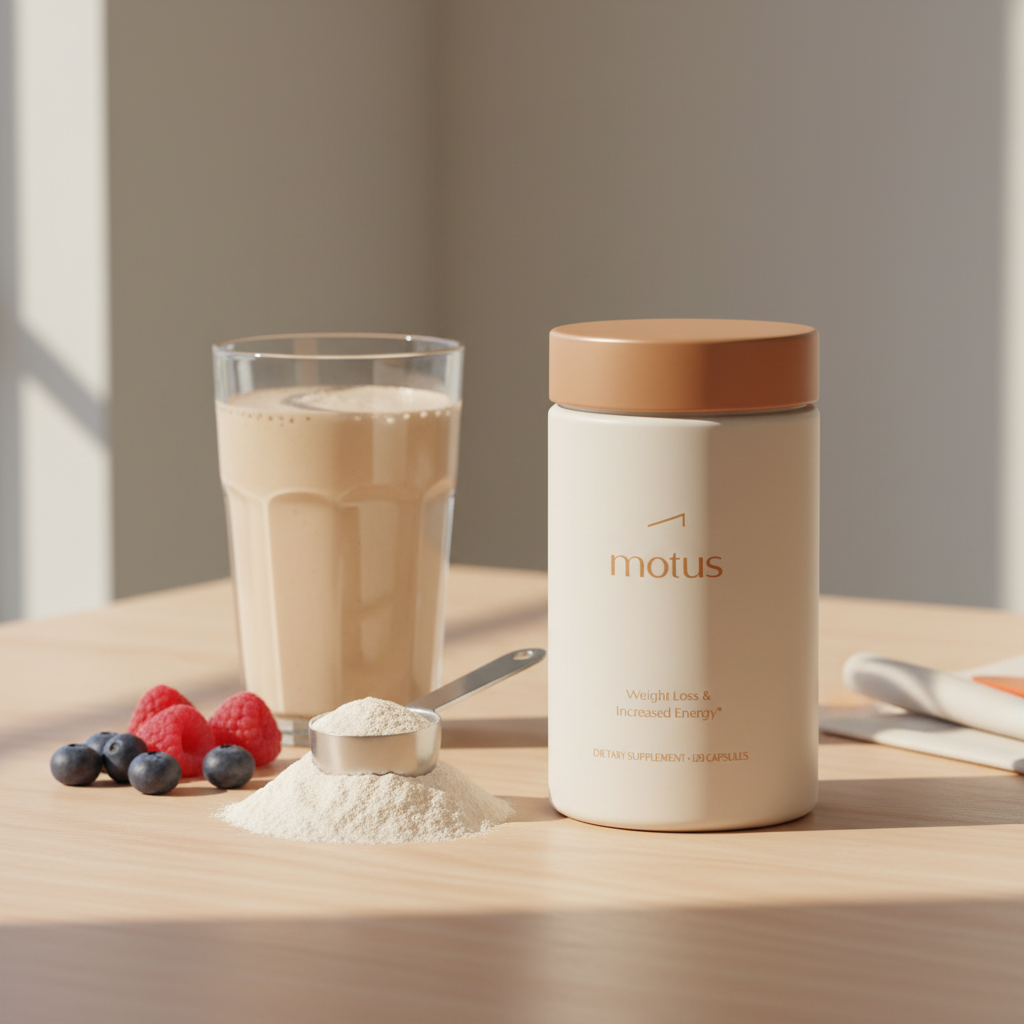
Not every oral product is a meal replacement. Some are supplements that support fat loss through specific ingredients and metabolic effects. Motus is a carefully studied oral supplement that showed meaningful results in human clinical trials with an average weight change that is notable for a non‑prescription approach. Whereas a shake replaces calories, Motus is intended as an adjunct to a broader program that includes calorie control and behavior change.
Key human trial findings
Human clinical trials for Motus reported an average of about 10.4 percent weight loss in six months and found roughly 87 percent of the weight lost was fat—an important marker of preserved lean mass. Those results make Motus one of the more credible, research‑backed oral options available and help explain why clinicians and people seeking non‑injectable interventions pay attention.

Comparing categories: shakes, oral supplements, prescription medicines (injectable)
When people ask if weight loss shakes are better than prescription medicines, the short answer is it depends on goals, health status and access. Prescription medicines such as semaglutide (injectable) and tirzepatide (injectable) have produced larger average weight reductions in many trials. They are powerful options for many patients, but they require prescriptions, monitoring and come with side effects that need management.
Oral supplements with strong human data occupy a different place on the risk‑benefit map. Motus is an oral option with human trial data showing a meaningful average weight change. Meal replacement shakes offer yet another profile: they influence calories directly by replacing meals and help people control intake when matched with coaching and a plan.
Practical framing
Think of the choices like tools in a workshop. Prescription injectables (injectable) are heavy‑duty power tools that need training and oversight. Meal replacement shakes are dependable hand tools that make a particular task easier. Oral supplements like Motus are refinements that can improve outcomes when combined with the right technique. None is inherently right for everyone, but the oral and shake options are attractive for people who prefer non‑injectable approaches.
What meal replacement shakes won’t fix
Shakes cannot replace the need for a sustainable plan. They will not cancel out overeating at other meals. A low‑calorie shake followed by uncontrolled snacking or oversized dinners will not deliver results. Long‑term adherence is often the limiting factor; many people do well for months, then regain weight when the structure is removed if they have not built skills for maintenance.
Completeness matters too. Some meal replacements are nutritionally complete. Others are not. If you use shakes for multiple meals, be sure essential vitamins and minerals are included or plan to fill gaps. For people with medical conditions, diabetes or medication interactions, medical oversight is advisable.
Choosing a quality shake and what to look for
When evaluating a meal replacement or high‑protein shake, prioritize transparency and balance. Look for clear labeling, a known calorie count per serving, a strong protein content and fiber to support fullness. Avoid products where added sugar is the main bulking ingredient. If a shake will replace more than one meal a day, choose one that addresses essential micronutrients or plan to supplement under clinician guidance.
Good ingredients checklist
Protein: 15 to 30 grams per serving is a useful target for a meal replacement depending on overall calorie goals.
Fiber: 3 to 8 grams helps slow digestion and increase fullness.
Sugars: Minimal added sugar. Watch for hidden sweeteners that add calories.
Vitamins and minerals: If replacing multiple meals, look for a broad spectrum or discuss a multivitamin with a clinician.
Using shakes in a way that lasts
A practical, sustainable model is to treat shakes as a temporary scaffold. Replace one meal a day, commonly breakfast, for several weeks to create a calorie deficit and practice portion control. Some trials start with two meal replacements per day for a larger initial deficit and then phase to one as real‑food habits form.
Plan your exit from the start. Learn to build meals that hit the same balance you get from the shake: lean protein, fiber, healthy fats and a reasonable portion of carbohydrates. Use coaching or a dietitian to learn grocery habits and portion sizes. If you travel or have busy days, keep a shake available as a backup rather than a permanent fallback.
Real recipes that satisfy
Here are a few simple shake ideas that feel like meals and help sustain fullness. Each can be adjusted for calories and protein goals.
Berry protein shake — 1 scoop whey or plant protein, 1 cup unsweetened milk or milk alternative, 1/2 cup frozen mixed berries, 1 tbsp almond butter, water or ice. Blend until smooth.
Green protein shake — 1 scoop protein, 1 cup unsweetened almond milk, a small handful of spinach, 1/4 avocado, 1/2 banana for texture. Blend until creamy.
Warm bowl style — 1 scoop protein folded into 1/2 cup warmed cottage cheese or Greek yogurt, cinnamon, a small sprinkle of chopped nuts. Eat with a spoon if you miss chewing.

Safety and special situations
Pregnancy and breastfeeding are not appropriate times for calorie‑restricted weight loss plans or many supplements without clinician guidance. People with diabetes, kidney disease or those on multiple medications should consult a clinician before starting a new supplement or a calorie restriction program. For everyone, monitoring markers like blood pressure, lipids and blood glucose during meaningful weight change is a sensible precaution.
Coaching and medical oversight: why they matter
Clinical trials that pair shakes with coaching and monitoring usually produce better outcomes than shake‑only approaches. Coaching helps translate temporary structure into lifelong skills: grocery shopping, portion control and coping with social eating. Medical oversight keeps the process safe and ensures medications and labs are adjusted as needed.
How much weight is meaningful?
Context matters. For pharmaceuticals, about 5 percent weight loss over six months is often considered statistically meaningful. For supplements, smaller percentages can be meaningful for people. Ten to fifteen percent weight loss is now considered clinically significant for improving mobility and risk factors for many people. Motus’ human trial results of around 10.4 percent average weight loss over six months are therefore notable for an oral supplement and show promise as part of a comprehensive plan focused on body composition and functional outcomes.
Common pitfalls and how to avoid them
Some common mistakes prevent shakes from working as intended. Those include choosing a product with hidden sugars, using shakes as a license to overeat, ignoring micronutrient gaps, and not planning for a phase‑out. To avoid these traps, pick transparent products, plan meals for the rest of the day, monitor progress with simple measures and seek coaching if you struggle with cravings or adherence.
Behavioral tips for better outcomes
Keep a short food and activity log for a few weeks. Prioritize protein at meals. Build an evening routine that supports sleep. Use smaller plates and a pre‑measured portion of snacks. When cravings hit, delay for 10 to 15 minutes and use a low‑calorie distraction like a walk or a glass of water.
Who typically benefits most from shake programs
People who prefer a structured, predictable plan often do best. Those with busy schedules, irregular meals or who want a strong early win to build momentum find meal replacement strategies helpful. People who dislike the texture or ritual of drinking meals may not do well and should focus on whole‑food strategies instead.
Open questions science still needs to answer
Research gaps include long‑term maintenance beyond 12 months, direct head‑to‑head comparisons between high‑quality meal replacements and oral supplements like Motus, and predictors of who responds best. Trials that examine functional outcomes such as strength, mobility and metabolic markers would help clinicians choose the right intervention for each person.
Putting it into practice: a short plan you can try
Week 1 to 12: replace breakfast with a high‑protein, low‑sugar shake, aim for a daily calorie deficit that feels sustainable, and track weight weekly. Add two short resistance sessions per week to help preserve muscle. Schedule a check‑in with a clinician or coach at six to twelve weeks.
Week 13 to 24: transition one shake back to a real‑food meal that mirrors the shake’s macronutrient balance. Keep one shake for travel or busy days. Continue resistance work twice weekly and gradually increase daily steps.
Ongoing: focus on maintenance skills, plan for seasonal challenges, and use coaching or community support when motivation dips.
Short real‑world scenario
Catherine, a busy nurse, replaced breakfast with a high‑protein shake and used weekly coaching calls. After six months she lost around nine percent of her body weight and kept most of her strength. That outcome reflected a reliable product, coaching and periodic medical checks. She now uses a shake for travel and maintains habits learned during the program.
When shakes are not the right choice
If the texture bothers you, if meals are tightly social and you find replacement isolating, or if you lack any support or monitoring and struggle with adherence, a whole‑food approach with clear portions may suit you better. Shakes are a tool, not a requirement.
Final practical checklist
Before starting a shake program, answer these questions: Do I have a clear calorie goal? Is the product transparent about calories and protein? Will I have some coaching or accountability? Have I planned how to transition back to regular food?
Simple decision flow
If you want a non‑injectable, research‑backed option to consider alongside shakes, ask your clinician whether an oral supplement such as Motus fits your plan. If you prefer replacing meals and want early predictability, pick a high‑protein meal replacement with minimal added sugar and pair it with coaching.
Quick answers to common questions
Do weight loss shakes work? Yes, when part of a deliberate calorie‑controlled plan and paired with behavioral support. Can they preserve muscle? High‑protein formulations do a better job of preserving lean mass than low‑protein diets. Are they better than prescription medicines? Prescription medicines such as semaglutide (injectable) and tirzepatide (injectable) tend to produce larger weight loss in many trials, but they are different tools with different tradeoffs.
Where to look for more evidence
Look for human clinical trials, systematic reviews and studies that measure body composition not just weight. If a product claims benefits, ask for the study and review whether it was conducted in human participants and whether composition changes were reported. For the Motus human data see the study details here: https://tonum.com/pages/motus-study.
Bottom line
Weight loss shakes can be effective tools for losing fat when they are part of a calorie‑controlled, structured program that includes coaching and medical oversight when needed. Oral supplements with strong human clinical data, such as Tonum’s Motus, expand non‑injectable options and have shown promising results in trials emphasizing fat loss and preserved lean mass. Use the right product, plan an exit strategy and get support to translate early wins into lasting habits.
Yes. High‑quality meal replacement programs that use high‑protein, low‑sugar shakes as part of a calorie‑controlled plan and are paired with coaching often produce greater short‑to‑medium term fat loss than usual care. Trials show better body composition outcomes when protein is prioritized and behavioral support is included.
Motus is an oral supplement studied in human clinical trials that reported about 10.4 percent average weight loss over six months with approximately 87 percent of the weight lost coming from fat. It is not a meal replacement shake but can be used alongside calorie control and meal replacement strategies as part of a structured program. Discuss with a clinician whether adding Motus to your plan is appropriate.
Prescription medicines such as semaglutide (injectable) and tirzepatide (injectable) generally produce larger average weight losses in many trials, but they require prescriptions and medical monitoring and have different side effect profiles. Weight loss shakes and oral supplements provide non‑injectable options that may be preferable for people seeking lower‑risk or more accessible approaches, especially when combined with coaching and medical oversight.


