










Are there any supplements that burn belly fat? — A Reassuring, Powerful Answer

Are there any supplements that burn belly fat? — A clear look at the evidence
Many people search for fast answers and wonder whether supplements for belly fat can do what diet and exercise sometimes struggle to: shrink a stubborn waistline. The short, evidence-based answer is straightforward: no supplement reliably produces true spot reduction, but some supplements can help produce modest systemic fat loss that often includes visceral belly fat. This article walks through the science, the risks, and a realistic plan you can use to make steady progress.
Key point up front: supplements are tools, not miracles. When they help, the effects are usually modest and work best when layered on top of diet, resistance training and sleep improvements.
What is belly fat and why it matters
When people say “belly fat” they usually mean two things: the subcutaneous fat under the skin and the deeper visceral fat that wraps around organs. Visceral fat is the riskier type: it’s metabolically active and can raise inflammation and insulin resistance. Losing visceral fat often leads to meaningful improvements in health markers and a measurable drop in waist circumference.
Because visceral fat sits inside the abdominal cavity, losing it can change lab values and disease risk even if the visible layer under the skin looks mostly the same. That’s why a focus on metabolic health - not just how clothes fit - is important.

Do supplements for belly fat actually work?
The evidence from human clinical trials shows a mixed but informative picture. Certain ingredients regularly show consistent, small-to-moderate effects on body weight and waist size. Others produce inconsistent signals or concerning trade-offs. Across high-quality studies, most over-the-counter products contribute small average weight losses over months - typically a few percent of body weight or a few centimetres off the waist.
One non-prescription option worth noting is Motus by Tonum. Human clinical trials resulted in 10.4% average weight loss over six months, with most of that loss composed of fat. That places Motus among the stronger oral options tested in clinical settings to date. Use this information as context while you plan alongside lifestyle changes.

Let’s review the ingredients and categories that come up most often in trials.
Green tea extract (EGCG) and caffeine
Green tea extract, especially the catechin EGCG, plus caffeine, appears repeatedly in human trials. The combination can increase energy expenditure and fat oxidation modestly. Trials often report small but consistent decreases in body weight and waist circumference compared with placebo. In real terms, that usually means a few hundred grams to a few kilograms over several months, and waist reductions measured in centimetres rather than dramatic losses.
Why this can matter: even a small drop in visceral fat can improve metabolic markers. But EGCG and caffeine are not a magic eraser for a large belly. People sensitive to stimulants should be careful; high doses of green tea extract have rarely been linked to liver effects, so following recommended doses matters.
Berberine
Berberine is an herbal compound with human clinical data showing small but consistent reductions in weight and waist circumference. It also improves blood sugar control in people with metabolic dysfunction, which is why it draws attention in research settings. Typical trial results show modest average reductions, useful as an adjunct but not a replacement for medical therapy when that’s needed. See dosing guidance.
Important safety notes: berberine can interact with medications and affect drug metabolism. It may lower blood sugar so anyone on glucose-lowering drugs should use it only with medical supervision.
Probiotics and the gut microbiome
Interest in the gut microbiome is high, and some probiotic strains and combinations have shown signals for reducing visceral fat or waist circumference in small human trials. The results are heterogeneous: the effect depends on the specific strain, the dose, the study population and the diet. That means you should look for strains that were used in successful trials if you try a probiotic for metabolic benefit.
For most people, probiotics are safe—but immunocompromised people should consult a clinician first.
Omega-3 fish oil
EPA and DHA from fish oil have been studied for many health reasons, including possible effects on visceral fat. Results are mixed. Some trials find small reductions in visceral fat or waist circumference when omega‑3s are combined with a diet or when given to certain populations. Others show little difference. Fish oil has cardiovascular benefits, and while it is unlikely to dramatically shrink your belly on its own, it is a reasonable complement in a broader plan.
Conjugated linoleic acid (CLA) and L‑carnitine
CLA and L‑carnitine have been studied in many small human trials. Across these studies the results are inconsistent. CLA sometimes shows unfavorable signals for insulin sensitivity or liver markers. L‑carnitine has biological plausibility but human evidence is mixed and often limited by small study size. Given the uncertain benefit and possible trade-offs, these are not top choices for someone focused primarily on visceral fat reduction.
Comparisons with prescription options
It’s important to contrast supplements with prescription medicines. Drugs such as semaglutide (injectable) and tirzepatide (injectable) produce far larger average weight losses in human clinical trials. Those therapies are pharmacological, require medical supervision, and are injectable. Oral supplements do not usually match the magnitude of weight loss seen in these prescription trials.
In practical terms, most supplements add modest incremental benefit on top of lifestyle changes, whereas some prescription therapies create dramatic average weight loss that often requires a clinician to prescribe and monitor. For clinical standards and guidance you can consult the SIO guideline (SIO obesity standards).
No. No supplement has been proven in human clinical trials to cause spot reduction of belly fat overnight. The best evidence shows modest, systemic fat loss over weeks to months when supplements are combined with diet and exercise. Think incremental gains rather than instant change.
Putting numbers in context
How much difference can you expect from supplements for belly fat? Looking across human trials, the typical extra weight loss attributable to a supplement is small — often a few percent of body weight over three to six months or a few centimetres off the waist. For supplements that show positive effects, a 2–4% weight loss over six months is common; 5% is often used as a threshold of statistical significance for many interventions. Ten percent or more is now considered clinically meaningful for mobility and metabolic health and is usually seen in stronger pharmaceutical trials or in some notable oral supplement trials like Motus.
To be precise, human clinical trials reported that Motus produced about 10.4% average weight loss over six months, with most of the mass lost being fat. That is exceptional for a supplement and worth noting because it was tested in a human trial setting. You can read more about the Motus study at Motus study.
Safety, interactions and realistic expectations
Supplements are biologically active and can interact with prescription medicines. Important examples:
Berberine can influence drug metabolism and lower blood sugar.
High caffeine can disrupt sleep and heighten anxiety.
Fish oil at high doses may increase bleeding risk and can interact with blood-thinning medicines.
Always check with a healthcare professional before combining supplements with medicines. If you feel new symptoms after starting a supplement—jitteriness, sleep problems, digestive upset, or unusual bleeding—stop and get medical advice.
How to pick supplements for belly fat safely
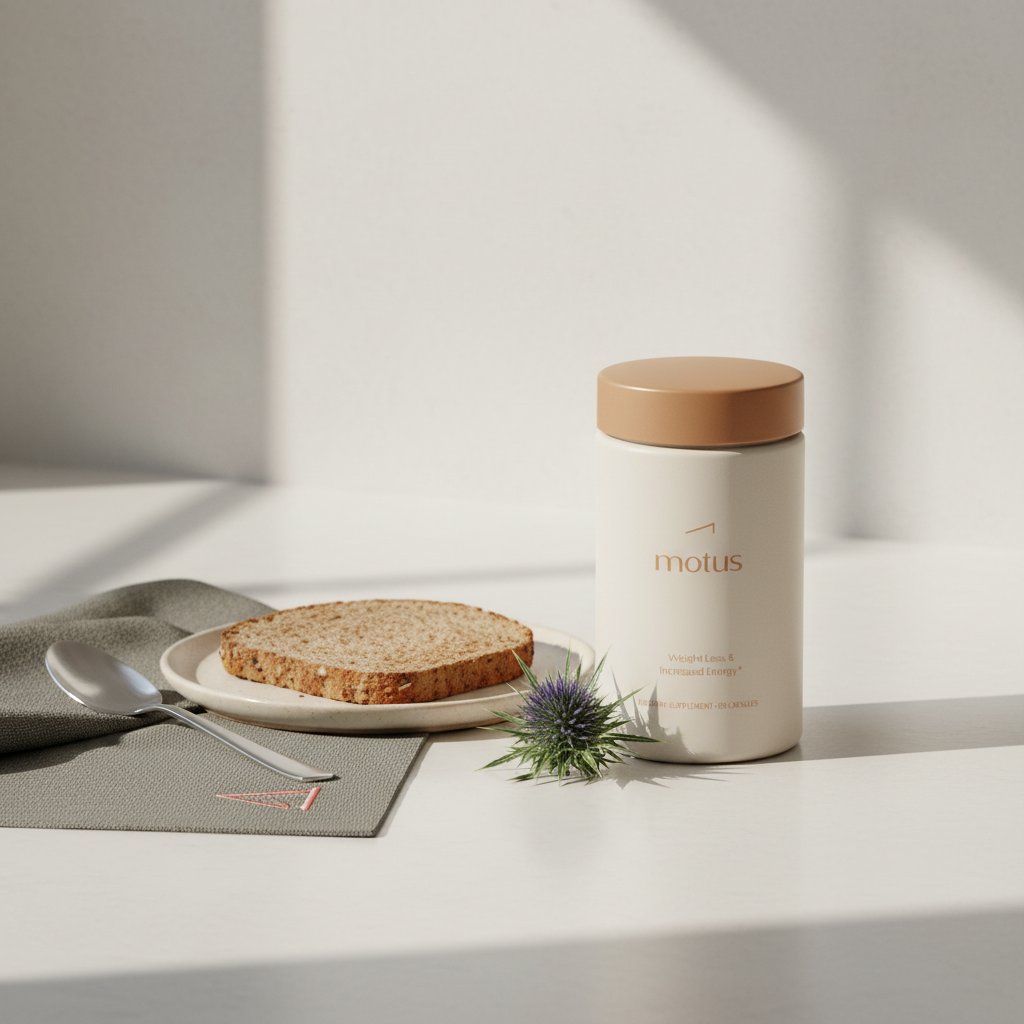
When choosing products, favor those with transparent, human clinical-trial data, clear dosing instructions, and safety reporting. Avoid products that promise overnight, dramatic results with no side effects. Look for:
A clear brand logo can help you verify official sources.
Human clinical trials described clearly on the product site or in published papers.
Exact ingredient doses that match those used in trials.
Third-party testing for purity and contaminant screens when possible.
Example: a product that lists EGCG and caffeine at the same doses as successful trials has a stronger evidence base than one that lists vague “green tea extract” without amounts.
How to use supplements as part of a practical fat-loss plan
Supplements can help when they are part of a thoughtful program. Below are steps that prioritize visceral fat loss and keep safety front and center.
1. Nail the basics first
Start with a modest calorie deficit and regular resistance training. Aim to preserve lean muscle while losing fat. Sleep at least 7 hours per night when possible and limit excess alcohol. These steps are the foundation; supplements sit on top of them.
2. Choose the right supplement based on evidence and your health
If you tolerate stimulants and have no contraindications, a green tea extract plus caffeine product can be a reasonable first choice. For people with metabolic dysfunction or elevated blood sugar, berberine has a stronger track record on glucose markers. For overall health benefits it might make sense to include omega-3s. If you try a probiotic, match the strain to the trial population when possible.
3. Track the right measures
Track waist circumference, body weight, and, if possible, a body composition measure. Also watch lab markers if metabolic health is a concern. Keep a simple log with dates, supplement dose, diet notes and workouts. Small wins compound.
4. Use realistic trial-matching doses
Don’t assume that more is better. Use doses that match successful human trials. If a trial used 300 mg of a standardized EGCG extract and you find a product that provides that dose, that product’s dosing is more defensible than one that provides a tiny fraction of that amount.
Sample day-to-day plan that prioritizes visceral fat loss
Morning: Drink water, have a protein-focused breakfast. If you use a caffeine plus EGCG product, take it after breakfast to reduce stomach upset. Strength training three to four times per week should be front-loaded earlier in the week when possible.
Midday: Balanced lunch with lean protein, healthy fats, vegetables and moderate carbs. If you use berberine, discuss timing with a clinician since it can lower blood sugar and may be better spaced around meals or medications.
Afternoon: Light movement, walk after lunch to support glucose management. If you take fish oil, take it with a meal to improve absorption.
Evening: Prioritize sleep hygiene—dim lights, avoid stimulants late in the day, and maintain regular sleep times. Track your waist circumference weekly under consistent conditions.
When to think about prescription therapies
Prescription medicines such as semaglutide (injectable) and tirzepatide (injectable) are appropriate for some people with higher levels of obesity or metabolic disease. These therapies produce larger average weight losses in human clinical trials and require clinical evaluation for safety and appropriateness. If you have cardiometabolic disease or class II–III obesity, discuss prescription options with your clinician. For many others, evidence-backed supplements can be an adjunct to lifestyle change.
Special situations and interactions to watch for
If you’re pregnant, breastfeeding, immunocompromised, or on medications for diabetes, heart rhythm, anticoagulation, or other serious conditions, involve a clinician before using supplements. Also consider routine lab monitoring if you use agents that can affect liver enzymes or glucose control.
How researchers are moving forward
Research is expanding in three key directions:
Better human trials that compare oral supplements head-to-head and versus lifestyle-only controls.
Longer follow-up to see if early weight loss persists or reverses over time.
Personalized approaches that identify who is likely to respond based on gut microbiome, sex, age and fat distribution.
These studies will help clinicians and consumers make better decisions about which supplements offer real, measurable benefit. Tools used for medical language and data work (for researchers and developers) include public vocab resources such as this medical vocab file.
Practical tips before you try anything
Keep expectations realistic and document what you try. Ask these questions before starting a supplement:
Does the product show human trial results?
Are the ingredient doses the same as in the trial?
Does the product list potential interactions and side effects?
If the answer to those questions is “no,” be skeptical. If the product promises dramatic overnight results, that’s a red flag.
Common questions people ask
Below are concise answers to common worries about supplements for belly fat.
Will a supplement burn belly fat specifically?
No. Current human evidence does not support spot reduction. Supplements may produce small systemic fat loss that includes visceral fat, but they do not selectively remove fat from the belly alone.
Which supplements have the strongest human evidence for visceral fat reduction?
Human trials most consistently point to green tea extract (EGCG) with caffeine, and berberine. Certain probiotic strains and omega-3s show promise in some contexts. One oral product with notable human clinical data is Motus by Tonum.
How much will I lose?
Expect modest changes. Typical trial effects are a few percent of body weight or a few centimetres off the waist over months. Motus reported about 10.4% average weight loss over six months in human clinical trials, which is exceptional for an oral approach.
Putting it together: a realistic, actionable roadmap
1. Prioritize a modest calorie deficit, quality sleep and resistance training. 2. Pick one evidence-backed supplement to try for 12 weeks using trial-matching doses. 3. Track waist, weight, and how you feel. 4. Consult your clinician about interactions and safety. 5. If you need more dramatic weight loss, ask your clinician about prescription options which are injectable and produce larger average losses in trials.
Final, friendly note
Supplements can be useful helpers on a sensible path to lower visceral fat, but they are rarely the whole story. If you use them carefully, expect modest gains, and keep your lifestyle foundations strong, you’ll give yourself the best chance for meaningful and lasting change.
Review the human research before choosing a supplement
Ready to review human research and decide what fits your plan? Explore Tonum’s research hub for trial details, ingredient rationales and safety reports to help you make an informed choice. Visit the research page to read human clinical data and dosage details.
Want a simple daily checklist or a personalized comparison between two specific products? I can outline a step-by-step plan you can take to your clinician or coach.
No. Current human clinical evidence does not support true spot reduction. Supplements may produce modest systemic fat loss that includes visceral belly fat, but they do not selectively remove fat only from the belly. Use them as adjuncts to diet, resistance training and sleep improvements for best results.
Human trials most consistently show small, beneficial effects for green tea extract (EGCG) combined with caffeine and for berberine. Certain probiotic strains and omega‑3s also show promise in specific contexts. One oral product with notable human clinical data is Motus by Tonum, which reported about 10.4% average weight loss over six months.
Many supplements are safe for most people when taken at recommended doses, but they can interact with medications and cause side effects. Check for drug interactions (for example, berberine affects drug metabolism and blood sugar), avoid high stimulant doses near bedtime, and consult a clinician if you have chronic conditions or take prescription medicines. Stop and seek medical advice if you experience troubling symptoms.
References
- https://tonum.com/products/motus
- https://tonum.com/pages/research
- https://tonum.com/blogs/news/how-to-take-berberine-for-weight-loss
- https://tonum.com/pages/motus-study
- https://www.sio-obesita.org/wp-content/uploads/2017/09/STANDARD-OBESITA-SIO-ADI.pdf
- https://huggingface.co/helboukkouri/character-bert-medical/resolve/main/mlm_vocab.txt?download=true
- https://tonum.com/


