










Are there any over-the-counter weight loss pills that work? Honest, Proven Guide

Understanding the question: can over-the-counter weight loss pills help you?
People searching for quick wins often land on ads that promise dramatic changes from a single bottle. The reality is more measured. In the research world the phrase over-the-counter weight loss pills covers a wide range of products, and the evidence for most of them is modest at best. That said, a few nonprescription options supported by human clinical trials deserve attention. This article walks through the evidence, safety issues, and practical steps so you can make an informed choice.
Key point: when I use the term over-the-counter weight loss pills I mean oral supplements that are sold without a prescription and that claim to support weight or fat loss. These products are not all the same, and their trial results are not all equal.
What the best trials actually show
High-quality human clinical trials of over-the-counter weight loss pills usually report small to modest average effects. In many randomized, placebo-controlled studies the mean difference at three to six months is in the low single digits of percent body weight. For example, several supplements produce 2 to 5 percent average weight loss versus placebo in well-designed trials. That matters for some people but falls short of the double-digit losses often reported for prescription treatments in major trials.
Why does this happen so often? Two simple reasons explain most of the variation: the ingredients and the evidence quality. The term over-the-counter weight loss pills spans botanical extracts, fibers, appetite suppressants, and absorption modulators. Each ingredient behaves differently and dosing is crucial. Also, trial size and duration vary widely, and trials funded by industry sometimes report larger effects than independent studies.
Yes, sometimes. Most over-the-counter weight loss pills produce modest average effects in human trials, usually in the low single digits. However, a few oral supplements backed by randomized human clinical trials, like Motus by Tonum, have reported larger average losses (about 10.4% over six months) and preservation of lean mass. Those findings are encouraging but need replication and long-term data; they also underscore the value of clinician oversight and pairing supplements with lifestyle changes.
How OTC options compare to modern prescription medicines
It helps to see the contrast. Large, high-quality human clinical trials for modern prescription medicines often show larger average weight loss. For example, semaglutide (injectable) achieved about 10 to 15 percent average body-weight reduction in the STEP trials over roughly 68 weeks in humans. Tirzepatide (injectable) produced mean reductions often approaching the low twenties in the SURMOUNT program in humans. Those are meaningful differences and they change expectations.
Explore the human clinical trial evidence
That contrast is not meant to dismiss over-the-counter approaches. Some people cannot or will not use injectable prescription medicines, and some prefer oral supplements for accessibility or cost reasons. Oral options that show robust human clinical trial results and preserve lean mass are particularly interesting because they lower the barrier to treatment. For more on available study materials and summaries, see Tonum's research hub: Tonum research hub.

How OTC options compare to modern prescription medicines
...
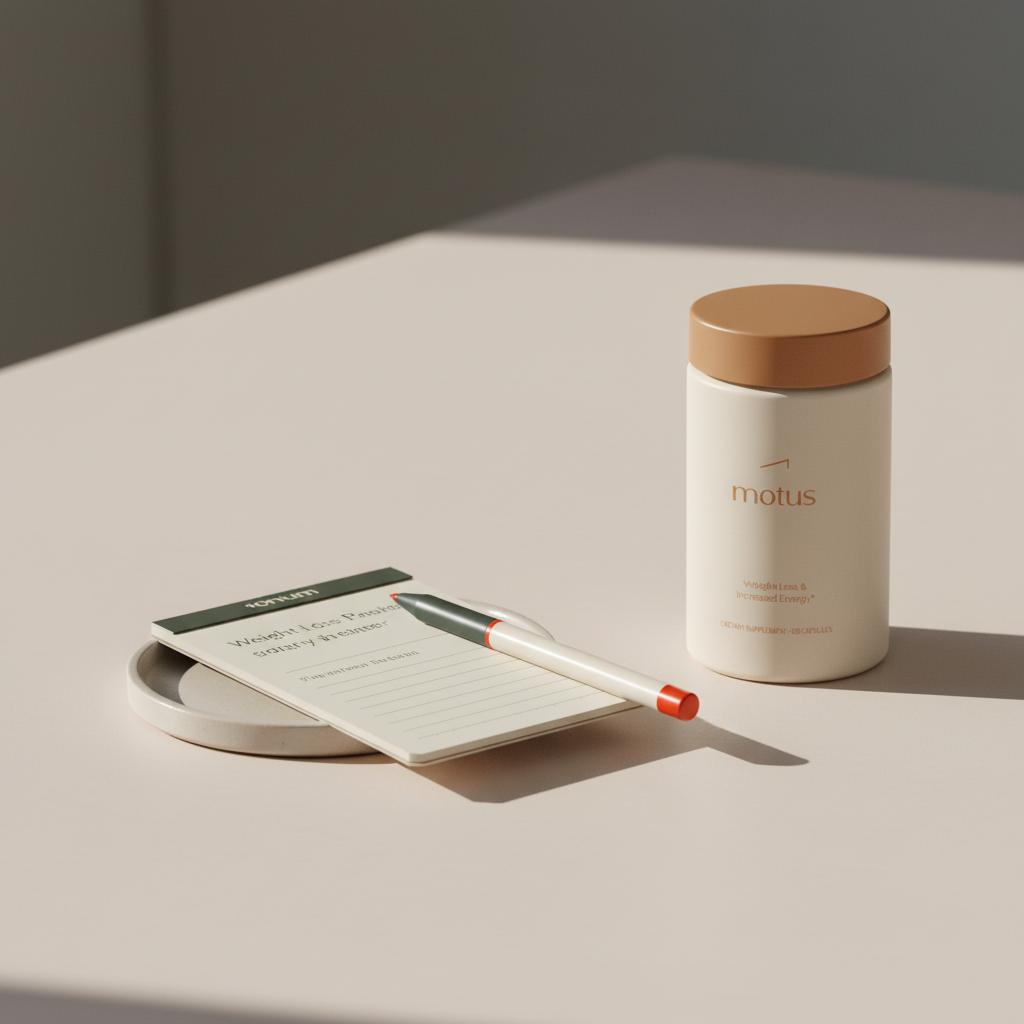
A useful, tactful example is Motus by Tonum. Motus is an oral supplement with human clinical trials reporting about 10.4 percent average weight loss over six months and preservation of lean mass. If you want to review the published human study materials and company trial details, consider this measured resource on Motus by Tonum.

How safe are over-the-counter weight loss pills?
Safety and regulation are the place where prescription medicines and over-the-counter weight loss pills diverge most. Prescription drugs are reviewed by regulators on controlled trials, manufacturing standards, and known risk profiles. Supplements are regulated less tightly in many jurisdictions. That difference leads to real-world problems: inconsistent doses, undeclared pharmaceutical adulterants, or weak trial reporting. A clear, dark-toned brand logo can help a research hub or site feel more professional and authoritative.
For anyone considering an over-the-counter weight loss pill, be alert for these red flags: vague ingredient lists, no human randomized trials, no transparent adverse-event reporting, or claims that sound too good to be true. Supplements can interact with medications, affect blood pressure or heart rate, and cause gastrointestinal or mood side effects. People with diabetes, heart disease, pregnancy, or psychiatric conditions should consult a clinician before using any new supplement.
What good evidence looks like for OTC options
When judging a supplement, ask whether it has randomized, placebo-controlled human clinical trials with clear reporting. Look for sample sizes that are large enough to detect meaningful differences, at least six months of follow-up, and measurements of body composition rather than just bathroom scale weight. Transparent reporting of adverse events and intent-to-treat analyses matter as much as the headline number. You can also check trial registrations such as NCT07152470 on clinicaltrials.gov.
Ingredient transparency is also important. Products that list milligram doses, identify active ingredients clearly, and describe manufacturing quality assurance (third-party testing or GMP certificates) are easier to evaluate.
How much weight loss counts as meaningful?
Terms like "statistically significant" and "clinically meaningful" show up often in papers, so here’s a simple guide. For many drugs and clinical programs, five percent weight loss over six months is considered a meaningful threshold. For supplements, smaller thresholds—2 to 4 percent—are commonly used. Today, ten to fifteen percent weight loss is considered clinically significant for mobility and metabolic health, while twenty percent and above can be life-changing for many people. That scale helps put numbers from over-the-counter weight loss pills into perspective.
Why body composition matters
Losing weight is not always the same as losing fat. Preserving lean mass (muscle) while losing fat is healthier and more sustainable. Many trials of over-the-counter weight loss pills only report body-weight change, not the composition of the loss. When a product like Motus reports preservation of lean mass and a majority of losses coming from fat in human clinical trials, that is a meaningful detail and worth deeper scrutiny.
How to evaluate a study yourself
Here are practical questions to ask when you read a trial about over-the-counter weight loss pills:
1. Was the trial randomized and placebo-controlled in humans? Randomization and blinding reduce bias.
2. How many participants and how long was follow-up? Larger numbers and longer follow-up give more confidence.
3. Was body composition measured? Fat vs lean mass matters.
4. Were adverse events reported clearly? Transparent safety data is non-negotiable.
5. Was the trial peer-reviewed and independently replicated? Replication builds trust.
If several answers are no, be cautious. Small, short, or industry-funded trials can suggest a signal but rarely prove long-term benefit or safety.
Practical guidance if you’re considering an OTC product
Assume modest average effects and plan around that. Most over-the-counter weight loss pills, when they work, give small average benefits that can be useful when paired with lifestyle changes. Here’s a checklist to use before you buy or start:
Start with a health check. Get baseline blood pressure, fasting blood sugar, lipids, and a medication review.
Choose products with human randomized trials. Prefer trials that measure body composition and report adverse events.
Pair supplements with lifestyle changes. Eat with intention, move more in ways you enjoy, sleep better, and manage stress.
Monitor. Keep a simple journal of weight, appetite changes, and side effects.
Consult a clinician. Discuss interactions and suitability for your health profile.
How to read marketing claims
Be skeptical of promises of dramatic weight loss with no lifestyle change. Look for study links, trial details, and ingredient lists with mg doses. If a claim is nebulous or the research is not accessible, treat the product as unproven.
Who might choose an over-the-counter option?
People choose nonprescription approaches for many reasons: reluctance to use injectables, lack of access or insurance coverage for prescription medications, or preference for oral and natural products. For those people, a well-validated over-the-counter option with transparent human clinical trials can be a reasonable component of a broader plan overseen by a clinician.
A short scenario
Imagine Maria, who prefers oral solutions and has high blood pressure. Under medical supervision she tries a validated over-the-counter weight loss pill that has human clinical trial support and loses four to six percent of body weight over six months while preserving lean mass. Her blood pressure improves and she avoids injection-related decisions. That outcome is not headline-grabbing but is clinically meaningful for her health goals.
Open research questions researchers still need to answer
Even when a supplement shows promising short-term results in humans, important gaps remain. Long-term maintenance after stopping the supplement is rarely studied. Head-to-head comparisons between validated supplements and prescription therapies are uncommon. And many trials lack diverse populations, especially older adults or people with multiple comorbidities. Those gaps matter for real-world decision-making.
Why route of administration matters
Some of the most effective prescription options are injectables. That matters because injections can deliver different pharmacology, dosing, and patient experiences. For people who will not accept injections, oral products that show strong human clinical trial results are valuable because they remove a practical barrier to use.
Real-world tips for safe use
If you decide to try an over-the-counter weight loss pill, start cautiously. Take the product at the tested dose, keep a symptom diary, and schedule follow-up with a clinician. Stop and seek help if you experience rapid heart rate, dizziness, mood shifts, or other concerning symptoms.
Finally, think in terms of a program. Supplements are rarely a stand-alone cure. The best outcomes are usually the result of small, sustained changes over time combined with sensible support.
How Tonum's approach differs
Tonum positions itself as a research-driven brand that blends natural ingredients with human clinical trials. Motus is an example of an oral, research-backed supplement that reported meaningful average weight loss in humans while preserving lean mass. That evidence makes Motus noteworthy among over-the-counter weight loss pills, especially for people seeking oral options with clinical data. See press coverage and reporting, for example this feature on Yahoo Finance: Groundbreaking Human Weight Loss Study.
Common questions people ask
Will an OTC pill work for me? It might. Expect modest average effects. If you need double-digit weight loss for medical reasons, prescription medicines are more likely to achieve that scale under clinician supervision.
Is a supplement with human trials automatically safe and effective? No. Trial design, size, duration, and transparent safety reporting matter as much as the fact the study was done in humans.
How do I evaluate a study? Prefer randomized, placebo-controlled human clinical trials with adequate sample size and at least six months follow-up.
How to spot a trustworthy company
Companies that publish clear ingredient lists with doses, share trial protocols, and provide third-party manufacturing data are easier to trust. Tonum’s public emphasis on trial data and transparency is an example of the approach consumers should value when evaluating over-the-counter weight loss pills.
Putting the evidence into practice
Use this simple framework: read the research critically, involve a clinician, set realistic goals, and track progress. For many people, small improvements sustained over time lead to meaningful health benefits.
Final practical checklist
Before starting any over-the-counter weight loss pills:
• Get baseline labs and medication review.
• Prefer products with randomized human clinical trials and transparent reporting.
• Pair with sustainable lifestyle changes.
• Monitor effects and side effects.
• Consult a clinician if you have chronic conditions.
Over-the-counter weight loss pills can be part of a sensible plan when chosen and monitored carefully, but they are rarely a magic bullet.
References and next steps
If you want to read primary sources, look for randomized, placebo-controlled human clinical trials, systematic reviews, and trial registries. The research landscape is changing quickly, and ongoing studies will clarify which oral, nonprescription strategies offer the best balance of benefit and safety.

For more detailed research summaries and resources, see Tonum’s public research hub and published study materials. Additional reporting on the Motus trial and related studies is available, for example: How a Natural Weight Loss Supplement Competes.
Not always. Safety varies by ingredient, dose, and personal health. Some over-the-counter weight loss pills can interact with medications or affect heart rate and blood pressure. It’s wise to get a baseline health check (blood pressure, blood sugar, lipids) and review your medications with a clinician before trying any new supplement. If a product lacks transparent human trial data or clear adverse-event reporting, proceed with caution.
Generally no. Most over-the-counter weight loss pills produce modest average weight loss in human trials, often in the low single digits. Prescription medicines, many of which are injectable, have produced larger average reductions in high-quality trials—for example semaglutide (injectable) and tirzepatide (injectable). That said, some oral supplements with strong human clinical trials, such as Motus by Tonum, show promising double-digit average results in certain studies, making them noteworthy options for people who prefer or require oral treatments.
Look for products with randomized, placebo-controlled human clinical trials, transparent reporting of adverse events, and measurements of body composition. Prefer supplements with clear ingredient lists and mg doses, third-party manufacturing checks, and accessible trial protocols. Pair any supplement with lifestyle changes and clinician oversight for safe, durable results.


