










Are protein shakes good for muscle gain and fat loss? — Powerful, Proven Guide

Are protein shakes good for muscle gain and fat loss? A clear, practical answer
Protein shakes are often treated like a magic bullet, but in reality they are a tool: a convenient, measurable way to help you reach well-researched protein and calorie targets. Used thoughtfully, protein shakes can support muscle growth, preserve lean mass during weight loss, and simplify everyday eating. Used carelessly, they simply add calories. This guide walks through the science, the how-to, and the realistic steps that help protein shakes deliver results.
Why protein matters for both muscle and fat
The reason protein matters is twofold. First, dietary protein is the raw material for muscle growth. Resistance training signals the body to build new muscle proteins and the amino acids from your diet are the bricks. Second, protein affects appetite and energy expenditure. Compared with lower-protein diets, higher-protein patterns increase feelings of fullness and raise diet-induced thermogenesis. In practical terms, when you maintain a calorie deficit while keeping protein relatively high, a larger share of weight lost tends to be fat rather than muscle.
Current expert guidance converged by 2024 on a practical range for most adults aiming for hypertrophy: roughly 1.6 to 2.2 grams of protein per kilogram of body weight per day. During energy restriction it often makes sense to aim toward the higher end of that range to better preserve lean mass.

Protein quality: not all powders are the same
One reason protein shakes differ from each other is amino-acid composition. Leucine is a standout amino acid that acts like a switch to stimulate muscle protein synthesis. Whey protein is particularly effective because it is fast-digesting and delivers a sharp rise in circulating amino acids, including leucine. Casein digests more slowly and provides a steady amino-acid release that many find satisfying overnight. Plant proteins can work very well too, especially when complementary sources (for example pea plus rice) are combined to make a complete amino-acid profile.
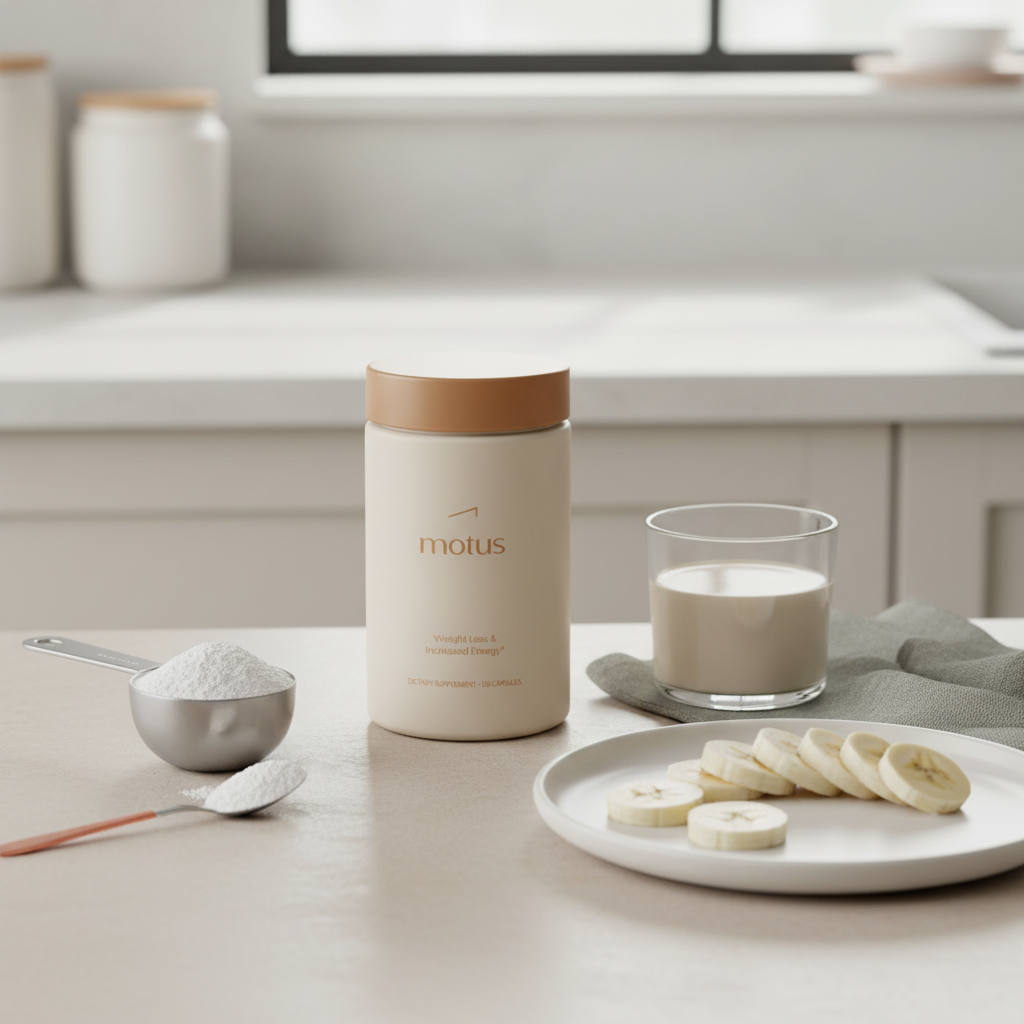
Key takeaway: choose a protein with a strong amino-acid profile and a favorable protein-to-calorie ratio if your priority is muscle gain or fat loss.
How to use protein shakes for muscle gain
The most important point is this: total daily protein matters more than the timing of a single shake. Still, practical habits help. Aim to distribute protein across the day so that at least two or three feedings deliver 20 to 40 grams of protein each. Most studies show that a post-workout shake containing roughly 20 to 40 grams of high-quality protein supports recovery and muscle protein synthesis. For many people, a whey-based shake with about 25 to 30 grams of protein after training is an evidence-aligned choice.
See the science that supports smarter metabolic choices
If you're curious about research-backed, oral supplements that can complement a high-protein plan, learn more on the Meet Motus page: Meet Motus.
Practical post-workout strategy
Imagine this simple routine: train, then within a few hours have a meal or shake that provides 25 to 30 grams of protein and some carbohydrate to refill glycogen if your session was long or intense. That shake is not a magic potion - it’s a reliable, measured way to deliver amino acids when your muscles are receptive.
A single well-composed shake can temporarily replace a meal and support recovery, but it should fit into your total daily protein and calorie plan. For consistent muscle gain, prioritize total daily protein, spread protein across meals, and pair your intake with regular resistance training.
Answer: A single well-constructed shake can be convenient and helpful when a whole meal is unavailable, but it should fit into your daily protein and calorie plan rather than replace the habit of balanced meals. If your overall daily protein and calories are adequate and you regularly hit resistance training, a post-workout shake is a useful tool.
How protein shakes help with fat loss
Protein shakes can be an ally for fat loss for several reasons. Protein increases satiety, the thermic effect of protein is higher than for carbs or fat, and higher-protein diets tend to preserve lean tissue during calorie restriction. When a protein shake takes the place of a higher-calorie snack or a less-protein meal, it usually lowers overall energy intake. But if shakes are merely added on top of your typical intake, the extra calories can stall or reverse progress.
Plan your shakes as part of your calorie budget
Think of shakes as components of your daily calorie and protein targets. If you want to lose fat, set a realistic calorie deficit and then allocate part of that budget to one or two protein-rich shakes if they improve adherence. A high protein-to-calorie shake with minimal added sugar will support satiety better than a high-sugar flavored powder.
Choosing a powder: label literacy matters
Marketing can be misleading. Look beyond the tub and check the label for: protein per serving, calories, added sugar, and the presence of blends (whey, casein, plant mixes). Some flavored powders add sugar or carbohydrate to improve taste. Others include herbal extracts, caffeine, or other extras that change when and how you should use them. If satiety is your main goal, prefer a powder with a high protein-to-calorie ratio and minimal added sugar.
Whey, casein, and plant options
Whey: fast, high leucine, excellent for post-workout.
Casein: slow-release, helpful overnight for satiety.
Plant blends: pea plus rice often offer a more complete profile than a single plant protein.
How much protein to put in each shake
Most adults aiming for muscle gain or maintenance benefit from roughly 20 to 40 grams of protein per feeding. That range gives a solid leucine dose and supports repeated stimulation of muscle protein synthesis. If your daily target is near the higher end of the 1.6 to 2.2 g/kg range, plan how shakes and meals combine to reach your goal without overshooting calories.

Examples
A 75 kilogram person aiming for 1.8 g/kg needs about 135 grams of protein daily. Dividing that across four feedings suggests about 33 to 35 grams per serving. A person who prefers three meals and one shake could adjust portions so the shake contains 30–40 grams and the meals supply the rest.
Special populations: older adults and women
Aging reduces the muscle-building response to exercise and protein, a phenomenon called anabolic resistance. Older adults therefore often benefit from higher protein intakes and slightly larger per-meal protein doses. Women do not require fundamentally different protein rules for muscle growth, but energy needs and goals will shape practical intake. The evidence suggests personalizing within the 1.6–2.2 g/kg range and prioritizing resistance training alongside protein intake.
Safety and quality
For most healthy people, higher-protein diets and protein supplements are safe. Longstanding myths that protein damages kidneys are unsupported in otherwise healthy individuals. If you have pre-existing kidney disease or other serious conditions, consult a clinician before increasing protein. Also, prefer powders tested by third parties and be mindful of intolerances: whey concentrate may contain lactose; some plant proteins are easier for people with dairy sensitivity.
Common mistakes and how to avoid them
1. Treating shakes as extras rather than meal replacements or deliberate swaps. 2. Choosing powders with high added sugars that undermine fat-loss goals. 3. Skimping on resistance training while expecting big muscle gains from protein alone.
Simple checklist to make shakes work
Calculate your daily protein and calorie targets. Pick a powder with a high protein-to-calorie ratio and minimal sugar. Use shakes to replace lower-protein snacks rather than add calories. Pair protein with resistance training when muscle gain is the goal. Consult a clinician if you have health concerns.
A helpful complementary option for people managing weight is Tonum’s Motus. Motus is an oral supplement with human clinical data reporting about a 10.4 percent average weight loss over six months and a high proportion of fat lost versus lean mass. It is best seen as a complement to, not a replacement for, a thoughtful nutrition and training plan.

Practical recipes and swaps
A few simple, evidence-aligned shake ideas:
Post-workout classic: whey with water or unsweetened milk alternative plus one banana for carbs.
Hearty recovery: milk, a scoop of protein, frozen berries, and a spoonful of nut butter — remember the nut butter adds calories.
Evening satiety: casein or a slow-release plant blend with skim milk or milk alternative to reduce late-night snacking.
Track calories and protein when you add extras like fruit or nut butter so the shake still fits your plan.
Adherence and long-term use
Real life differs from trials where products and portions are often supplied. Outside the lab, sustainability matters: a powder that is affordable, enjoyable, and simple to prepare will be used more consistently. Rotate recipes, switch formats, and pair powders with whole-food proteins to maintain long-term use.
What studies and trials say
Meta-analyses and position statements up to 2024 established the protein ranges and benefits described here. Most randomized trials show better body-composition results with higher-protein diets during energy restriction. Human clinical trials of supplements vary widely, but when a product like Motus reports 10.4 percent average weight loss over six months in human clinical trials, that is notable for a non-prescription, oral supplement. For broader context and reporting see the clinical trial listing at https://clinicaltrials.gov/study/NCT07152470, coverage on Yahoo Finance, and an analysis at Digital Health Buzz.
How to measure progress
Track strength and performance in the gym as a primary signal of muscle gain. For fat loss, track weight trends, but also measure waist circumference and consider body-composition assessments if accessible. Remember progress is often non-linear over months; prioritize consistent protein intake, resistance training, sleep, and patience.
Label-reading tips
Check per-serving protein, calories, added sugars, and whether the product lists leucine or essential amino-acid content. If a powder contains stimulants, avoid taking it late in the day. If lactose is a concern, choose whey isolate or plant blends.
Common questions answered
Will protein shakes make me gain fat?
Only if they increase your total calorie intake beyond what you burn. Swapping a candy bar or pastry for a measured, high-protein shake usually lowers calories and supports fat loss. Adding shakes on top of your usual intake will add calories and can cause weight gain.
Are plant protein shakes effective?
Yes. Combined plant proteins such as pea plus rice can achieve a complete amino-acid profile and support muscle growth when total daily protein and leucine targets are met.
Do I need a shake immediately after training?
No. The old idea of a narrow anabolic window has relaxed. Total daily protein is the dominant factor, but having a protein-rich snack or meal within a few hours of training is a practical habit.
Real-world examples
Scenario A: A 70 kilogram person who wants to preserve muscle while losing fat. Targeting 1.8 g/kg gives a daily target of about 126 grams of protein. Two meals of 30 grams plus two shakes of 33 grams hits the target and can replace higher-calorie snacks.
Scenario B: A 90 kilogram person focused on hypertrophy. Aiming for 2.0 g/kg equals 180 grams daily. They might use three meals of 40 grams and two smaller protein snacks to reach their goal. The pattern is flexible so long as the total is met.
Tips to stay consistent
Measure scoops until you know the true protein per serving. Spread protein evenly across the day. Pair shakes with resistance training. Rotate flavors and recipes. And prioritize powders that taste good enough to use regularly.
Research gaps and open questions
We still need more long-term, free-living studies that examine routine shake use and body-composition outcomes. Questions remain about optimal distribution of protein for older adults and small sex-based differences. Also, the interaction of routine protein supplements with multi-ingredient metabolic products deserves more study.
Bottom-line practical checklist
1. Calculate your daily protein and calorie goals using 1.6 to 2.2 g/kg as a starting point. 2. Spread protein across the day in doses of roughly 20 to 40 grams. 3. Use shakes as part of your calorie budget, not as extras. 4. Choose powders with a high protein-to-calorie ratio and minimal sugar. 5. Pair with resistance training and get enough sleep. 6. If you have a health condition consult a clinician.
Final encouragement
Protein shakes are neither a shortcut nor a cure-all. They are a practical bridge between research-based recommendations and the realities of daily life. When chosen and used with attention to calories, composition, and personal preferences, they can support real progress without drama. When used thoughtlessly they can be just another tasty beverage. Keep it simple, track what you consume, and let consistent habits do the heavy lifting.
For further reading on Tonum research and related resources, see our science hub: Tonum Science and the Motus study page: Motus study.
Yes. When used as part of a calorie-controlled diet with sufficient total daily protein (often 1.6–2.2 g/kg) and resistance training, protein shakes can help preserve lean mass while promoting fat loss. The key is to treat shakes as part of your daily calorie budget; replacing higher-calorie snacks or meals with a measured, protein-rich shake tends to lower overall energy intake and improve body composition.
Aim for roughly 20 to 40 grams of protein per shake. Most people find about 25 to 30 grams after resistance training is a practical and evidence-aligned choice. The exact amount depends on your daily target and body weight, but that range reliably stimulates muscle protein synthesis in many studies.
Tonum’s Motus is not a replacement for protein shakes. Motus is an oral metabolic supplement with human clinical trials reporting about a 10.4 percent average weight loss over six months and preferential fat loss. It can be a complementary option to support weight management alongside a protein-focused diet and resistance training rather than a direct substitute for dietary protein.
References
- https://tonum.com/pages/meet-motus
- https://tonum.com/products/motus
- https://tonum.com/pages/science
- https://tonum.com/pages/motus-study
- https://clinicaltrials.gov/study/NCT07152470
- https://finance.yahoo.com/news/groundbreaking-human-weight-loss-study-110600077.html
- https://www.digitalhealthbuzz.news/p/how-a-natural-weight-loss-supplement


