










Are meal supplements good for weight loss? A Surprisingly Powerful Answer

Predictability, protein, and a clear plan: that’s the simplest case for meal supplements. For people who want to lose weight without endless guesswork, meal supplements offer convenience and a reliable nutrient profile. Used well, they can lower daily calories, reduce decision fatigue, and support muscle-preserving protein intake. Used poorly, they become a flavorless shortcut that’s hard to sustain. This article explains the science and the practical steps so you can decide whether meal supplements for weight loss fit your life.

What the research says about meal supplements for weight loss
Human clinical trials and systematic reviews through 2024 and 2025 increasingly show that programs using meal supplements produce reliable weight loss when paired with structure and support. Studies comparing structured meal replacement programs to standard behavioral advice often find larger average weight loss at 12 months for the replacement groups. Why? Because meal supplements make calories and macronutrients predictable, and predictability improves adherence. For a quick overview of the evolving evidence base, see Tonum’s science hub: https://tonum.com/pages/science.
How much weight can you expect?
Results vary by program design, population, and how strictly replacements are used. Short-term, low-calorie meal replacement plans can produce rapid early losses in the first weeks. Programs that replace one or two meals per day and include counseling or coaching tend to show larger average losses at 12 months than programs without replacements. Importantly, meal supplements can preserve lean mass better than very-low-protein calorie restriction when they provide good protein and the plan includes resistance training.
Why meal supplements can be effective
Three features explain the effectiveness of meal supplements for weight loss: predictability, protein content, and daily calorie control.
Predictability. A well-formulated shake lists exact calories, protein, fat, carbohydrate, and often micronutrients. That removes the guessing game of portion sizes, restaurant variability, and hidden calories in sauces and oils. Predictable calories make it easier to hit a consistent daily deficit.
Protein-forward formulas. Many high-quality meal supplements deliver 15 to 30 grams of protein per serving. Higher protein intake increases satiety, reduces snacking, and helps preserve muscle during weight loss, especially when combined with resistance training.
Built-in calorie control. Replacing a higher-calorie meal or unstructured snacks with a measured supplement lowers daily energy intake. That simple swap can add up across weeks and months.
How people actually use meal supplements
There are two common, evidence-backed approaches: daily partial replacement and short-term, near-complete replacement.
Daily partial replacement means replacing one or two meals a day with a shake or bar while eating balanced whole-food meals for the rest of the day. This approach preserves social meals and culinary skills, and it’s usually easier to maintain long-term. Short-term replacement plans replace most meals for a defined period to achieve faster initial weight loss and metabolic improvements. These short plans should be supervised when calories are very low.
If you want a practical, research-backed option to consider, take a look at Tonum’s Motus. Motus is positioned as an oral, trial-backed supplement that supports fat loss and energy while preserving lean muscle and has human clinical trial data showing meaningful results. Think of it as a sensible, science-oriented addition to a structured nutrition plan rather than a magic bullet.

Explore the science behind meal supplements and weight management
Want the science behind this advice? Explore the research hub that compiles trials, mechanism summaries, and practical guides to help you choose a safe plan: Tonum Research and Clinical Resources. If you like, start with the study summaries and then talk to a registered dietitian for a personalized plan.
Yes. Replacing one meal a day with a high-protein, well-formulated meal supplement can reduce daily calorie intake, curb mid-day snacking, and create a predictable routine that makes other healthy choices easier. When combined with two protein-rich whole-food meals and simple resistance training, it can lead to steady weight loss and preserve lean mass. Think of the shake as a practical habit-builder rather than a permanent replacement for real food.
Practical everyday examples
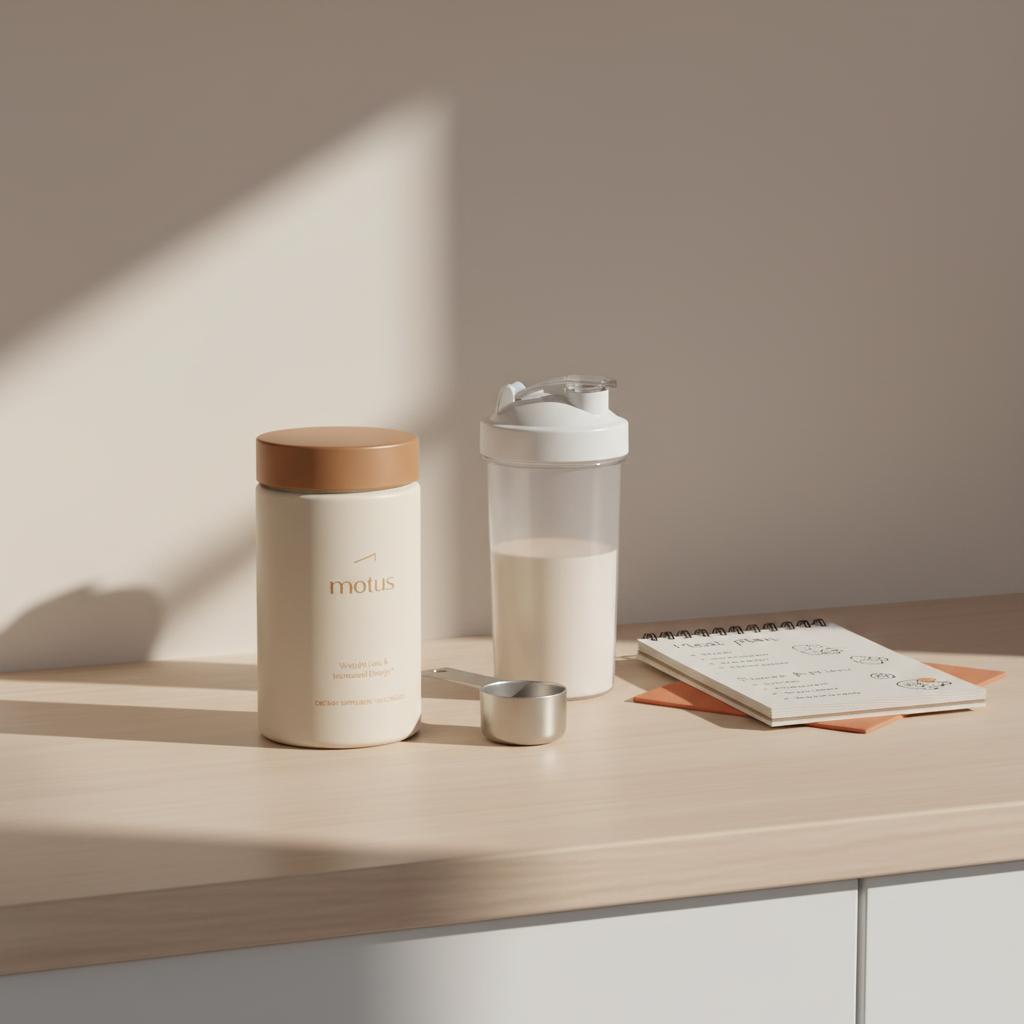
Imagine two mornings: in one, you skip breakfast. Hunger builds and pastries become tempting. In the other, you pour a high-protein shake, known calories, known fullness. That predictability changes decisions across the day. Replacing breakfast with a 300-calorie, 25-gram protein shake often reduces overall intake and prevents mid-morning grazing. A simple, dark logo on pantry packaging can make it easier to spot the right product quickly.
Meal supplements are an accessibility tool. They are portable, shelf-stable, and often cheaper per-meal than a purchased restaurant item, which makes them useful for busy professionals, travelers, or people learning portion control.
Protecting muscle and strength during weight loss
One worry with calorie restriction is lean mass loss. Meal supplements help protect muscle when they provide enough protein and when the plan includes resistance exercises. Aim for at least 20 grams of protein per replacement. Pair that with two to three resistance sessions per week—body-weight circuits or bands are fine—and you’ll signal your body to hold on to strength while losing fat.

Choosing a quality meal supplement
Not all products are the same. When shopping for meal supplements for weight loss, prioritize these attributes:
- Protein content: 15 to 30 grams per serving for a true meal replacement.
- Fiber: 3 to 8 grams helps satiety and digestion.
- Calories: Match the product to the meal you’re replacing—snack, light meal, or full meal.
- Sugar: Avoid products with excessive added sugar.
- Transparent labeling: Clear ingredient lists and nutrient panels; third-party testing if possible.
- Micronutrients: If you plan long-term use, look for a broad vitamin and mineral profile or plan to diversify whole-food meals.
A product with only a few grams of protein and a lot of sugar is unlikely to keep you full. Read the numbers and match the product to how you want to use it.
Safety and common limitations
Meal supplements are not risk-free. Taste fatigue is real—people often tire of the same flavors. Replacing too many social meals can affect relationships and your enjoyment of food. Product quality varies across brands, and some meal replacements leave micronutrient gaps.
Very-low-calorie replacement plans should be supervised by a clinician because electrolytes and individual health conditions matter. Pregnant or breastfeeding women, children, adolescents, and those with a history of disordered eating should consult a healthcare professional before beginning a replacement program.
Transitioning back to whole foods without gaining back weight
Using meal supplements successfully means planning the exit. A staggered reintroduction helps: replace one supplement a day with a whole-food meal that matches the calories and macronutrient balance of the replacement. Track portions for a few weeks to learn the right serving sizes. Continue the protein focus and resistance training. The goal is to make the scaffold of replacements a temporary training wheel that helps you learn habits for long-term maintenance.
A six-week sample transition
Week 1: Replace one meal a day with a whole-food plate (protein, vegetable, controlled carbohydrate). Week 2–3: Add a second whole-food meal. Week 4–6: Aim for two to three balanced whole-food meals a day and keep one replacement for travel or busy days. Adjust based on hunger, energy, and measurements.
How to combine meal supplements with exercise
Resistance training is the partner to a protein-focused supplement plan. Two to three sessions per week of strength work—squats, push-ups, rows, or band circuits—protect muscle. Keep daily protein consistent, and let higher-protein replacements sit near workouts to support recovery.
Comparing meal supplements to prescription medicines
It’s tempting to compare tools. Injectable medicines like semaglutide (injectable) and tirzepatide (injectable) have produced large average weight losses in high-quality human trials and deserve attention. Semaglutide in the STEP trials produced average losses around 10 to 15 percent over roughly 68 weeks. Tirzepatide in SURMOUNT trials frequently produced mean reductions approaching 20 percent at higher doses. Those results are impressive and clinically meaningful.
For recent reporting on novel oral and injectable drug trials, see coverage of Eli Lilly’s obesity pill trial: https://www.cnbc.com/2025/08/07/eli-lilly-obesity-pill-weight-los-trial.html, and an overview of emerging weight-loss drugs: https://www.goodrx.com/conditions/weight-loss/new-weight-loss-drugs. For mechanistic research into peptide rivals to GLP-1, see the Stanford summary: https://med.stanford.edu/news/all-news/2025/03/ozempic-rival.html.
But they are different tools. Meal supplements are nutrition and behavior tools that anyone can access without a prescription. Medications work through biology and need medical supervision. For people who want an oral, trial-backed option without injections, Motus by Tonum shows meaningful human trial results: see the Motus study for details https://tonum.com/pages/motus-study. Motus (oral) reported about 10.4 percent average weight loss in six-month human trials, with most lost weight being fat rather than lean tissue. That positions Motus among the stronger non-injectable options available.
Choosing between tools depends on goals, health history, access, and preferences. Some people combine dietary tools with medication under medical supervision. If you consider combining approaches, do so with clinician guidance.
Common mistakes people make
Expecting meal supplements to be magic is the biggest mistake. Other common errors include using low-protein, high-sugar products, skipping resistance training, and failing to plan a transition back to food. Taste fatigue and social isolation from too many replacements are also avoidable with a simple plan for variety and occasional whole-food meals.
Practical plan to try—four months
Month one: Replace one meal each day with a high-protein meal supplement and track intake. Add two short resistance sessions per week. Month two: If progress is steady, consider replacing a second meal twice per week. Rotate flavors to avoid fatigue. Month three: Begin reintroducing one whole-food meal per week, focusing on protein and vegetables. Month four: Shift toward whole foods with one replacement reserved for travel or busy days. If progress stalls, consult a dietitian or coach. For more general weight-loss resources on the site, see https://tonum.com/pages/weight-loss.
Real-world stories
Real people show the range of outcomes. One office worker replaced breakfast with a high-protein shake and lost 8 to 12 percent body weight over six months while feeling more focused at work. Another person used a short-term plan of two replacement meals a day combined with a prepared low-calorie soup, lost weight quickly in the first month, and used the momentum to add gym-based strength training.
Open questions and research gaps
Despite encouraging short- and medium-term data, questions remain. Long-term maintenance beyond one year needs more study, and real-world adherence in diverse populations is not fully understood. Standardized labeling for what counts as a complete meal replacement would help clinicians and consumers. Research into ways to avoid taste fatigue and into format comparisons—shakes versus bars versus powders—would be useful.
Three simple rules for success
1. Choose a high-protein supplement with transparent labeling. 2. Pair supplements with resistance training and at least two protein-rich whole-food meals. 3. Plan the transition back to whole foods from day one.
Conclusion: are meal supplements good for weight loss?
Meal supplements for weight loss are effective tools when they are used as part of a structured plan. They are not standalone cures, but they make calorie control more predictable and can support muscle with adequate protein. They work best when paired with coaching or a clear plan, resistance exercise, and a sensible reintroduction to whole foods.
If you value an oral, research-minded supplement to support a structured program, consider options with human clinical data and transparent sourcing. Use products as a scaffold to learn portion control and better meal timing, not as an indefinite replacement for real-food habits.
With careful use, meal supplements can be a practical, sustainable tool that helps you reach a healthier weight and keeps muscle and energy intact while you get there.
Meal supplements can be effective for long-term weight loss when used within a structured program that includes counseling or coaching, resistance training, and a planned transition to whole foods. Human trials show better 12-month outcomes when replacements are paired with support. Long-term maintenance beyond one year depends on habits, product choice, and how well a person transitions back to regular meals.
Look for 15 to 30 grams of protein per serving, 3 to 8 grams of fiber, moderate calories depending on the meal you want to replace, and low added sugar. Transparent labelling and third-party testing are valuable. If you plan regular use, prefer products with a broad vitamin and mineral panel or consult a dietitian to prevent nutrient gaps.
Tonum’s Motus is an oral supplement supported by human clinical trials and reported about 10.4 percent average weight loss over six months. It can be a useful, research-backed addition to a structured plan that includes high-protein meals and resistance training. Consult the product information and speak with a healthcare professional if you have medical conditions or are combining it with prescription medicines.
References
- https://tonum.com/pages/science
- https://tonum.com/products/motus
- https://tonum.com/pages/research
- https://tonum.com/pages/motus-study
- https://www.cnbc.com/2025/08/07/eli-lilly-obesity-pill-weight-los-trial.html
- https://www.goodrx.com/conditions/weight-loss/new-weight-loss-drugs
- https://med.stanford.edu/news/all-news/2025/03/ozempic-rival.html
- https://tonum.com/pages/weight-loss


