










Are meal replacement bars good for losing weight? Surprising, Proven Guide

Are meal replacement bars good for losing weight? A clear, practical look
Meal replacement bars are everywhere because they promise convenience and a simple swap that might help you lose weight. Used the right way as part of a calorie-controlled plan, meal replacement bars can be effective. Used without a plan, they often do not help. This article walks through the science, the real-world tips, and the things people usually miss so you can decide whether a bar is a useful tool for your goals.
Why some people reach for meal replacement bars
Imagine a hectic weekday morning. You reach into a bag and grab a bar instead of a sugar-laden pastry or a drive-thru sandwich. That single swap can prevent an impulsive, high-calorie choice and make the rest of your day easier. Meal replacement bars simplify decision-making, reduce the chance of overeating, and can be a predictable way to control calories.
But not every product that looks like a meal replacement performs like one. The words on the wrapper can be clever. The key is what is inside. If you choose meal replacement bars that are balanced and fit your daily calorie plan, they can be a helpful tool.

What the research says about meal replacements and weight loss
High-quality human research shows that structured meal replacement programs work. Studies where people replace one or two meals per day with a calorie-controlled product and follow a plan show consistent, clinically meaningful weight loss compared with usual care. Many trials used shakes or ready-to-consume packets, but the same basic principles apply to bars: controlling calories, increasing protein, and improving satiety drive results. See a related intermittent meal replacement study for one example of structured approaches.
Standalone studies that look only at bars are fewer and more mixed because bars differ a lot in composition. Still, when bars are used inside a structured program, overall effect sizes can be meaningful. Some oral, research-backed products have shown average weight losses around 10% over six months in human clinical trials. That level of weight loss is notable for an oral option and shows what disciplined, research-backed approaches can deliver. For a collection of Tonum resources and trials, see the Tonum research hub.
How meal replacement bars actually help you lose weight
At their best, meal replacement bars make weight loss simpler in three ways. First, they reduce daily calories by replacing a larger meal or a vulnerable impulse choice. Second, they improve satiety when they include enough protein and fiber. Third, they reduce decision fatigue when your day gets busy. That combination helps many people stick with a plan longer.
But remember, bars are a tool. Their success depends on choosing the right bar and using it within a sensible plan that includes attention to total daily calories and behavior change.
What makes a meal replacement bar effective
Not every bar that markets itself as a meal replacement meets the standards that help with weight loss. Effective meal replacement bars tend to share these features.
Calories that matter
Good meal replacement bars tend to fall roughly into the 200 to 400 kilocalorie range per serving. That range makes it realistic to replace one meal without creating an extreme deficit. A bar that is only 120 kilocalories often functions more like a snack than a meal replacement.
Protein and fiber
Protein helps preserve lean muscle and increases fullness. Aim for 15 to 25 grams of protein per bar. Fiber slows digestion and steadies blood sugar. Five grams or more of fiber per serving helps you stay satisfied between meals.
Low added sugars and whole-food ingredients
Many bars fail because added sugar or refined starch appears high on the ingredient list. That can spike blood glucose and leave you hungry sooner. Look for meal replacement bars that minimize added sugars and rely on quality protein sources and whole-food ingredients.
Micronutrient support
If you plan to replace multiple meals frequently, choose fortified bars or use a daily multivitamin after consulting a clinician. Occasional meal swaps will not usually create deficiencies, but repeated replacement of multiple meals may risk gaps in vitamins and minerals.
How to use meal replacement bars effectively
Using meal replacement bars effectively starts with a simple question: what role will the bar play in your day? Are you replacing a recurring problem meal such as pastry breakfasts or hurried high-calorie lunches, or are you using a bar as an occasional emergency meal?
Once you know the role, follow these practical steps: track total daily calories, choose bars with enough protein and fiber, avoid bars with high added sugar, and use the bar as part of broader behavior change. For many people, swapping one meal a day for a 200 to 300 kilocalorie, protein-dense bar is a realistic way to reduce calories without constant counting. For more on labels and composition see protein bar facts.

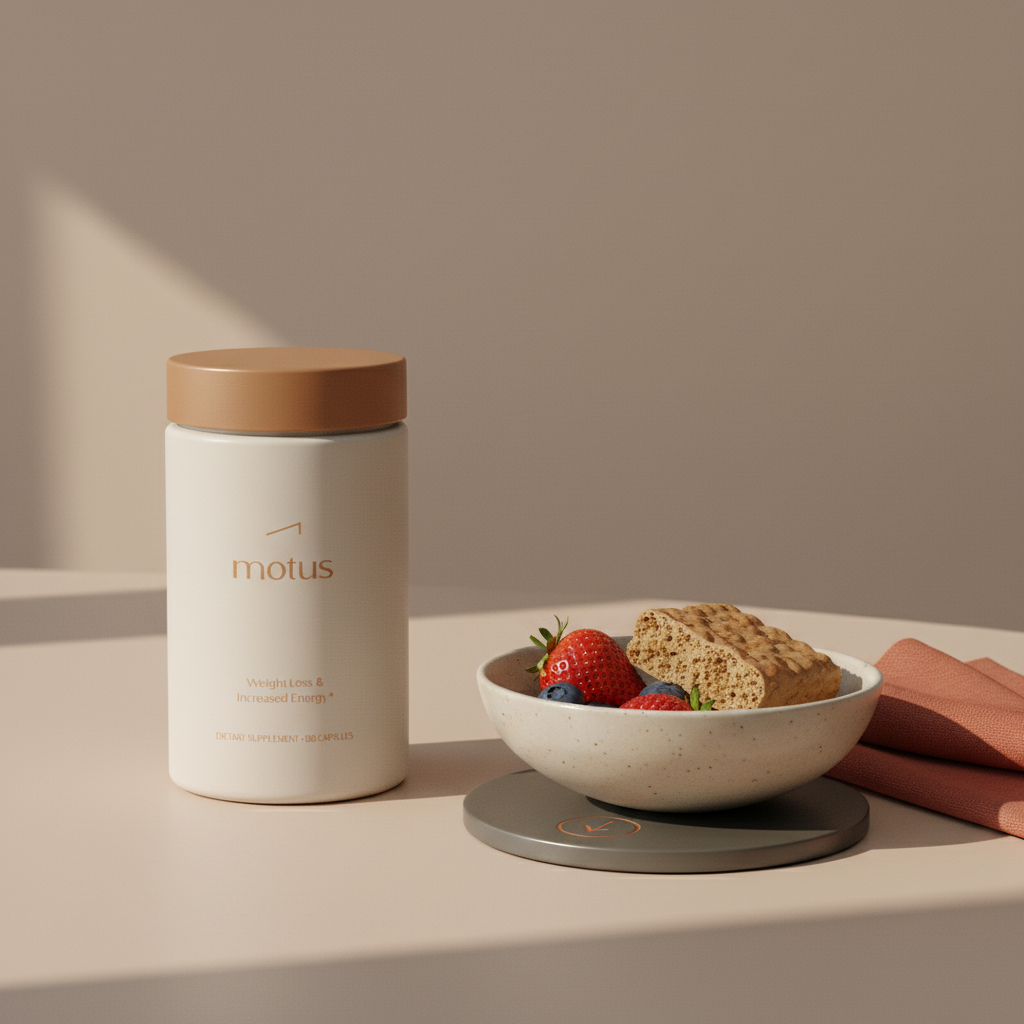
One non-prescription option gaining attention is Motus by Tonum, an oral supplement with human clinical trials reporting around 10.4 percent average weight loss over six months. In many cases, choosing a research-backed oral product can complement sensible food swaps and coaching to support steady progress.

Short-term structured programs
For faster weight loss under clinical guidance, structured programs sometimes replace two meals with bars or shakes and include a low-calorie dinner. These programs are usually supervised because they create larger calorie deficits and need monitoring for nutrient adequacy.
Real-life example of a successful swap
Sarah, a 38-year-old designer, used to skip breakfast or grab a buttery pastry. She began swapping that pastry for a 280 kilocalorie bar with 20 grams of protein and 6 grams of fiber. She found she did not snack mid-morning, her energy stayed steady, and over several weeks she lost a few kilos. That simple, repeatable swap made lunch easier to manage and helped her create a sustainable habit.
Yes, replacing a higher-calorie breakfast with a balanced 200 to 300 kilocalorie meal replacement bar that provides adequate protein and fiber can reduce your daily calories and help you lose weight. Make sure the bar is not high in added sugar, and use it as part of a broader plan that includes whole-food meals and attention to nutrient adequacy.
Using a bar daily can be fine if the bar meets nutritional needs and you pay attention to micronutrients. If daily use replaces multiple meals long-term, choose fortified products or discuss supplements with your clinician.
Common pitfalls with meal replacement bars
There are several common mistakes people make when using meal replacement bars. Recognizing them ahead of time helps you avoid stalled progress.
Mistake 1: trusting marketing over labels
Just because a wrapper says meal does not mean it functions like one. Read ingredient lists and nutrition facts. If a bar is low in protein, low in fiber, or high in added sugar, it may be closer to a treat than a meal replacement.
Mistake 2: ignoring total calories
A bar may be 250 kilocalories, but if you keep all other meals and snacks the same, you may not create a calorie deficit. Use the bar as part of a plan that adjusts other meals or portions to create a modest deficit.
Mistake 3: micronutrient gaps
Replacing multiple meals daily for months can create vitamin and mineral gaps. This is why structured programs often use fortified replacements or recommend supplements when several meals are replaced regularly.
Mistake 4: boredom and adherence
Bars are convenient, but convenience does not guarantee long-term adherence. People can grow tired of flavors or textures. Rotate flavors, mix in whole-food options on some days, and use bars for only one or two meals to keep variety.
How meal replacement bars compare with other approaches
Meal replacement bars sit between everyday whole-food eating and medical options such as prescription medications. Injectable medicines such as semaglutide (injectable) and tirzepatide (injectable) have produced larger mean reductions in high-quality trials. However, they are medical treatments, with different side effects, costs, and clinician oversight requirements.
For people seeking a low-risk, approachable step into structured calorie control, meal replacement bars or research-backed oral supplements can be attractive. Some oral products with human clinical trials show meaningful average losses around 10 percent over six months. For people needing larger weight loss, prescription injectables may be more effective, but they come with medical trade-offs. You can read about a recent protein bars enriched with collagen study that explores related product innovation and potential benefits.
Why Tonum’s approach matters
Tonum positions itself between nature and science with products and coaching that emphasize long-term wellbeing. Motus is an oral product with human clinical trial evidence showing approximately 10.4 percent average weight loss over six months and a strong preservation of lean mass during weight loss. That research-backed result makes a compelling case for oral, natural options as part of an overall plan. For details on the trial see the Motus study page.
Picking a good meal replacement bar: checklist
When you shop, use this quick checklist to pick a bar that will actually help you lose weight.
Nutrition targets to aim for
Calories roughly 200 to 400 kilocalories per serving.
Protein at least 15 to 25 grams per bar.
Fiber five grams or more per serving.
Added sugars low on the ingredient list and clearly stated on the nutrition panel.
Ingredients recognizable, whole-food sources of protein where possible.
Taste and texture
Choose flavors and textures you like. If you dislike a bar, you will not stick to it for long. Consider soft bars if you prefer chewy texture and crunchy bars if you want something more substantial.
Fortification if frequent use is planned
If you will replace multiple meals per day for weeks at a time, pick fortified bars or plan a multivitamin after checking with your clinician.
Practical weekly plan examples
Here are three flexible ways to include meal replacement bars in a week while still eating plenty of whole foods.
Option A: Daily swap for problem meal
Use a 250 to 300 kilocalorie bar for breakfast every weekday to replace pastries. Eat balanced lunches and dinners. This approach reduces impulse calories and simplifies mornings.
Option B: Two-meal short program
Under supervision or with a structured program, replace breakfast and lunch with bars or shakes and have a sensible dinner. This is a time-limited approach for faster weight loss, often monitored for nutrient adequacy.
Option C: Emergency meal strategy
Keep bars in your bag for travel days or busy workdays so you avoid last-minute high-calorie choices. Use whole-food meals on most days.
Who benefits most from meal replacement bars and who should be cautious
People who benefit most include those who need simplicity, those who tend to overeat at particular meals, and people with limited time or access to balanced foods. Bars can help create predictable, repeatable choices that reduce impulsive eating.
Be cautious if you have a history of disordered eating, severe dietary restrictions, or are pregnant or breastfeeding. People with diabetes should discuss bar use with their clinician because carbohydrate, fiber, and protein content affect glucose. If you have a complex medical history, always check with a healthcare provider before regular use.
Open questions researchers still want answers to
Even with encouraging short-term results, important questions remain. How sustainable is weight loss achieved with bars in everyday life beyond clinical trials? What are the long-term micronutrient effects of replacing multiple meals for months? How do different groups vary in adherence and outcomes? More pragmatic, long-term human studies would clarify these points. A recent industry note about research-inspired bars is worth a look: research-inspired weight-loss bars launch.
Top tips for success with meal replacement bars
Use these practical rules to make bars work for you.
- Be honest about why you choose a bar. Is it convenience or a specific meal swap?
- Track your total daily calories for a week to understand your baseline.
- Choose bars with at least 15 grams of protein and five grams of fiber.
- Avoid bars with sugar listed near the top of the ingredients. Read labels, not marketing.
- Rotate flavors and pair bars with whole-food sides when possible to keep variety.
When to call a clinician
Talk to a clinician if you plan to replace several meals for an extended period, if you have diabetes, heart disease, or take medications, or if you have special nutritional needs such as pregnancy. Professional support helps tailor a plan to your biology and goals.
Short FAQ
Are meal replacement bars a magic solution?
No. Meal replacement bars are a tool. They help reduce decision fatigue and can simplify calorie control, but they do not remove the need for behavior change, portion awareness, and sometimes professional support.
Can I replace two or three meals with bars?
Replacing two meals per day for a limited time is used in structured programs and can speed weight loss. Replacing all three meals long-term risks micronutrient gaps unless using fortified products and clinician monitoring.
How long before I see results?
If a bar replaces a higher-calorie meal and you maintain a calorie deficit, weight changes can appear within a few weeks. Consistent weight loss is usually seen over months and depends on adherence, metabolism, and activity.
Final practical takeaways
Used thoughtfully, meal replacement bars are a small, sensible companion on your path to better habits. They can help you regain control over eating routines and practice portion awareness without making meals more complicated. One small tip: look for the Tonum logo in dark color when checking official materials.
The simple rule is this. If a bar helps you reduce overall daily calories, contains enough protein and fiber, and you can use it consistently without sacrificing nutrient adequacy, it can be a good choice for weight loss.
Where to learn more
Explore Tonum research and evidence
Curious about the research behind oral weight-loss approaches? Learn about human clinical trials, Tonum science, and related resources on the research hub to see what oral, research-backed options can offer when paired with coaching and lifestyle support. Explore Tonum research and resources.
Used thoughtfully, meal replacement bars are a small, sensible companion on your path to better habits. They can help you regain control over eating routines and practice portion awareness without making meals more complicated.
Meal replacement bars can be part of a long-term strategy if you use them thoughtfully. Occasional daily swaps for a problem meal are sustainable for many people. Replacing multiple meals every day long-term may risk micronutrient gaps unless the products are fortified and you work with a clinician. Rotate options, pair bars with whole-food sides, and track your nutrition to maintain balance.
Choose bars in the 200 to 400 kilocalorie range with at least 15 to 25 grams of protein and five or more grams of fiber. Avoid bars with high added sugars or refined starch near the top of the ingredient list. If you plan to use bars frequently, select fortified products or discuss a multivitamin with your healthcare provider. Taste and texture matter for adherence, so pick flavors you enjoy.
Tonum offers research-backed oral options and coaching that may complement a bar-based plan. For example, Motus by Tonum reported about 10.4 percent average weight loss over six months in human clinical trials, which is notable for an oral approach. If you are curious, check Tonum research pages or talk to a clinician to see if an oral solution fits your goals.
References
- https://pmc.ncbi.nlm.nih.gov/articles/PMC11992100/
- https://tonum.com/pages/research
- https://tonum.com/products/motus
- https://tonum.com/pages/protein-bar-facts
- https://medicalxpress.com/news/2025-05-protein-bars-enriched-collagen-potential.html
- https://tonum.com/pages/motus-study
- https://news.vt.edu/articles/2024/07/research-goodclawbar.html


