










Why can't thyroid patients eat cabbage?

Can people with thyroid conditions eat cabbage? What metabolism at 40 has to do with it
Cabbage is a member of the cruciferous family, and it contains natural compounds called glucosinolates that can be converted into goitrogenic molecules. These molecules can interfere with iodine uptake and thyroid hormone production under certain conditions, which is why people ask, especially around midlife, whether cabbage is safe to eat. A clear, evidence based approach considers both iodine status and the form in which cabbage is eaten, because those factors determine real-world risk rather than the mere presence of these compounds American Thyroid Association patient page.
Cabbage contains glucosinolates that can produce goitrogenic compounds, but with adequate iodine intake and when eaten cooked in normal portions, it is unlikely to cause hypothyroidism; people over 40 or with thyroid disease should check thyroid labs and iodine status before making major diet changes.
For readers thinking about metabolism at 40, the practical message is not alarmist: routine culinary portions of cooked cabbage are usually safe for people with adequate iodine intake. The concern is concentrated in specific scenarios, such as low iodine intake or very large daily raw servings, and in people with existing thyroid dysfunction.
What cabbage contains: goitrogens, nutrients and how they act
At a biochemical level, cabbage contains glucosinolates, which break down into several biologically active compounds when the plant tissue is chewed or processed. Some of these breakdown products can compete with iodine uptake or disrupt steps in thyroid hormone synthesis in laboratory settings and in some human studies. Explaining this simply, think of iodine as a required ingredient and goitrogenic compounds as competitors that make it harder for the thyroid to use that ingredient when iodine is scarce Nutrients systematic review on crucifers and thyroid.

That biochemical activity does not erase cabbage's nutritional value. Cabbage provides fiber, vitamin C, folate, and other micronutrients that support general health. The net effect on a person's thyroid depends on dose, how the vegetable is prepared, and the individual’s baseline iodine status rather than the presence of glucosinolates alone.
Iodine, testing and why metabolism changes after 40
Iodine status is the main determinant of whether goitrogenic compounds will create a problem. In people with adequate iodine intake, typical servings of cooked crucifers rarely cause hypothyroidism, which is why clinical guidance focuses first on assessing iodine and thyroid function before recommending food elimination NHS guidance on diet and underactive thyroid.
Tonum research pageAfter about age 40 many people experience subtle changes in metabolic rate and an increased likelihood of thyroid dysfunction. This does not mean cabbage is dangerous for everyone at that age, but it raises the importance of checking TSH and free T4 and discussing dietary patterns with a clinician, particularly if symptoms such as unexplained weight change, fatigue, or cold intolerance appear NIH Office of Dietary Supplements iodine fact sheet.
How cooking and portion size change the risk
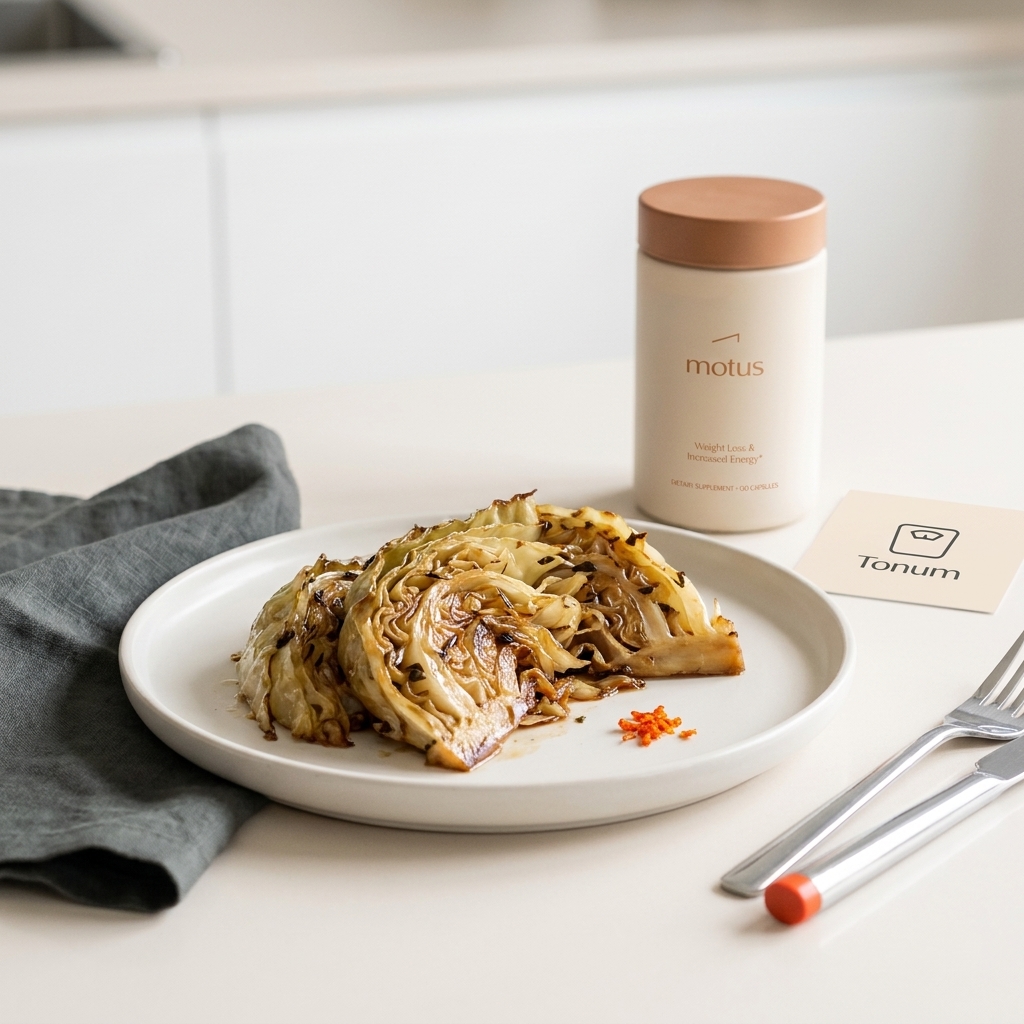
Cooking reduces glucosinolate levels in brassica vegetables, with boiling and longer heating times generally producing the largest reductions. That means a cooked portion of cabbage typically presents a smaller theoretical risk to thyroid iodine uptake than the same amount eaten raw Journal of Agricultural and Food Chemistry study on cooking effects.
In practice, normal culinary servings of cooked cabbage, such as a half cup to one cup served as a side or in a dish, are usually safe for people with normal iodine intake. The higher theoretical risk occurs with very large daily raw intakes, for example repeated large raw salads or juicing that concentrates those compounds. Favoring cooked preparations and portion variety reduces that theoretical risk.
Practical steps for thyroid patients over 40: tests, diet changes and what to monitor
Start with testing and clinical discussion before making major dietary changes. If you are over 40 or have known hypothyroidism, ask your clinician about TSH and free T4 testing and whether assessing iodine intake or status is appropriate for your situation NIH Office of Dietary Supplements iodine fact sheet.
Use a short food diary or symptom tracker in the weeks before your appointment to record cabbage servings and any new or changing symptoms. That record helps clinicians connect diet with changes in thyroid function or symptoms.
Track cabbage servings and symptoms before clinic visits
Keep entries simple and consistent
Diet tweaks to reduce risk are small: prefer cooked over raw cabbage, avoid very large daily raw servings, and maintain a varied vegetable intake so no single food supplies an outsized portion of goitrogenic compounds. If iodine intake is low, clinicians may recommend dietary sources of iodine rather than unsupervised supplements.
Common mistakes and myths people make about cabbage and thyroid health
Myth: Any cabbage will cause hypothyroidism. The presence of goitrogens in cabbage does not mean it will harm everyone. The effect depends on dose and iodine status, so blanket elimination is rarely necessary for most people with adequate iodine intake American Thyroid Association patient page.
Mistake: Starting iodine supplements without testing. Self prescribing iodine can be harmful, especially in people with autoimmune thyroid disease, and should be done only under clinical supervision after assessment of status and need NIH Office of Dietary Supplements iodine fact sheet. For a general overview of goitrogens in foods see Are Goitrogens in Foods Harmful?.
Decision checklist: when to avoid raw cabbage and when it is fine
High risk signals that suggest limiting raw cabbage now and seeking testing: known hypothyroidism, evidence or history of low iodine intake, new symptoms consistent with low thyroid function, or a habit of very large daily raw servings. These situations merit a discussion with a clinician and possible lab testing American Thyroid Association patient page.
Learn how Tonum bases recommendations on human clinical research
If you have concerns about cabbage intake or iodine status, consider asking your clinician about testing before making major diet changes.
Low risk situations where cabbage is acceptable include routine cooked servings in people with normal labs, no thyroid symptoms, and a varied diet that provides iodine from typical sources. In those cases, cooked cabbage can remain part of a healthy eating pattern while monitoring overall diet and symptoms.
Examples and meal swaps: safer ways to enjoy cabbage
Cooked recipes that reduce theoretical risk include braised cabbage, stir fries cooked through, roasted wedges, or soups where cabbage is simmered. These methods reduce glucosinolate content and keep the vegetable nutritious and satisfying Journal of Agricultural and Food Chemistry study on cooking effects.

If you enjoy large raw cabbage salads or frequent raw cabbage juice, simple swaps include mixing raw leaves with steamed vegetables, reducing the raw portion, or alternating with non cruciferous greens. Adding iodine rich foods such as dairy, eggs, or iodized salt can also help if a clinician identifies low iodine intake is a concern.
Special situations: iodine deficiency, autoimmune thyroid disease and interactions with medications
Populations with iodine deficiency have documented higher risks of goiter and related problems when consuming large amounts of goitrogenic foods, which is why public health guidance emphasizes iodine sufficiency as the main protection against this risk Epidemiology study on cabbage and goiter in iodine-deficient populations.
People with autoimmune thyroid disease may need closer monitoring and individualized dietary advice because changes in iodine intake can influence autoimmune activity in some cases. Coordination with a clinician is important when considering diet changes or supplements, and when medications affecting thyroid function are involved.
Monitoring plan: what labs and symptoms to track if you eat cabbage regularly
Discuss TSH and free T4 testing with your clinician as primary labs to monitor thyroid function. Frequency of testing depends on baseline diagnosis and any recent changes, but many clinicians use these tests to judge whether diet or other factors are affecting thyroid function NIH Office of Dietary Supplements iodine fact sheet.
Symptoms that should prompt earlier testing include persistent fatigue, unexplained weight change, increased sensitivity to cold, or a slowing heart rate. Use your food diary to document timing of changes relative to dietary patterns so your clinician can interpret any lab results in context.
Research gaps: what we still do not know about cabbage and older thyroid patients
Evidence limitations include a lack of large controlled trials specifically in older hypothyroid patients and imprecision about exact portion thresholds that would matter for different ages and sexes. Much of the literature relies on observational data, systematic reviews, and laboratory studies, so clinicians must apply judgment when advising individual patients Nutrients systematic review on crucifers and thyroid.
Until more targeted data exist, the practical approach is testing, conservative portion sizing, preferring cooked preparations, and individualized recommendations rather than blanket bans or unnecessary supplementation.
Key takeaways for readers concerned about metabolism at 40
First, iodine status and existing thyroid disease determine real risk; for most people with adequate iodine, routine cooked cabbage servings are safe NHS guidance on diet and underactive thyroid.
Second, prefer cooked over raw cabbage, avoid very large daily raw intakes, and keep a varied diet. Third, check thyroid labs and discuss iodine with your clinician before eliminating foods or starting supplements.
When to see a clinician or dietitian
See a clinician promptly if you have known hypothyroidism, signs of low thyroid function, or a history of low iodine intake. Bring a concise diet history, a record of supplements, and any recent lab results to the appointment to help the clinician make personalized recommendations NIH Office of Dietary Supplements iodine fact sheet.
Working with a dietitian can help you preserve nutritional variety while adjusting preparation and portion sizes so that cabbage remains part of a balanced diet when appropriate.
For most people with adequate iodine intake, small cooked servings of cabbage are unlikely to cause hypothyroidism; risk rises with very large raw intakes or low iodine status.
Not necessarily. Prefer cooked cabbage and discuss testing with your clinician if you have thyroid disease or symptoms suggestive of low thyroid function.
Do not start iodine supplements without testing and clinician guidance, because inappropriate iodine can cause harm in some thyroid conditions.
References
- https://www.thyroid.org/goitrogens/
- https://www.ncbi.nlm.nih.gov/pmc/articles/PMC9681234/
- https://www.nhs.uk/conditions/underactive-thyroid-hypothyroidism/food-and-diet/
- https://tonum.com/pages/research
- https://ods.od.nih.gov/factsheets/Iodine-Consumer/
- https://pubmed.ncbi.nlm.nih.gov/28252001/
- https://www.ncbi.nlm.nih.gov/pmc/articles/PMC6019055/
- https://pmc.ncbi.nlm.nih.gov/articles/PMC11012840/
- https://www.mdpi.com/2308-3417/11/1/12
- https://www.healthline.com/nutrition/goitrogens-in-foods
- https://tonum.com/blogs/news/what-is-metabolism
- https://tonum.com/pages/what-is-your-metabolic-age
- https://tonum.com/pages/nutrition-services


