










What exercises help lower A1C? A practical guide for people over 40

Why exercise after 40 to boost metabolism helps lower A1C
When you read about exercise after 40 to boost metabolism, the core goal for many people is improved blood sugar control. Hemoglobin A1c is a laboratory measure of average blood glucose over the previous two to three months and is widely used to track long-term glycemic control. The American Diabetes Association recommends regular aerobic and resistance training as part of a plan to improve glycemic control in adults with type 2 diabetes, which makes exercise an essential tool for people seeking to lower A1c ADA Standards of Care
Put simply, A1c reflects the percentage of glycated hemoglobin, and higher values signal more time spent with elevated blood glucose. After age 40 many adults face changes in body composition, declining muscle mass, and shifts in hormone signaling that can reduce insulin sensitivity; strengthening muscle and increasing regular activity help counter those changes by improving muscle glucose uptake and metabolic flexibility. Clinical summaries and trials show that exercise improves insulin sensitivity at the muscle level and helps move glucose out of the circulation into active tissue for fuel, which over weeks and months contributes to lower A1c JAMA meta-analysis on physical activity and HbA1c

What A1c measures and why it matters after 40
A1c is not a real-time glucose number; it is an averaged signal that tells you whether your overall glucose exposure has changed over months. For people over 40, even modest improvements-achieved through consistent exercise and lifestyle changes-translate into measurable A1c differences over the typical three-month testing window. Use lab A1c as the long-term outcome measure and pair it with short-term tools like home glucose checks or CGM to see immediate effects of workouts and meals.
How exercise affects glucose and insulin sensitivity
Aerobic exercise increases muscle glucose uptake during and after activity by raising blood flow and using muscle glycogen, while resistance training expands lean mass and basal glucose disposal, both of which support lower average glucose exposure. Systematic reviews indicate that combining aerobic and resistance training produces larger A1c reductions than either modality alone, which helps explain why mixed programs are often recommended for adults aiming to lower A1c Diabetes Research and Clinical Practice meta-analysis
How different exercises lower A1C: aerobic, resistance and HIIT
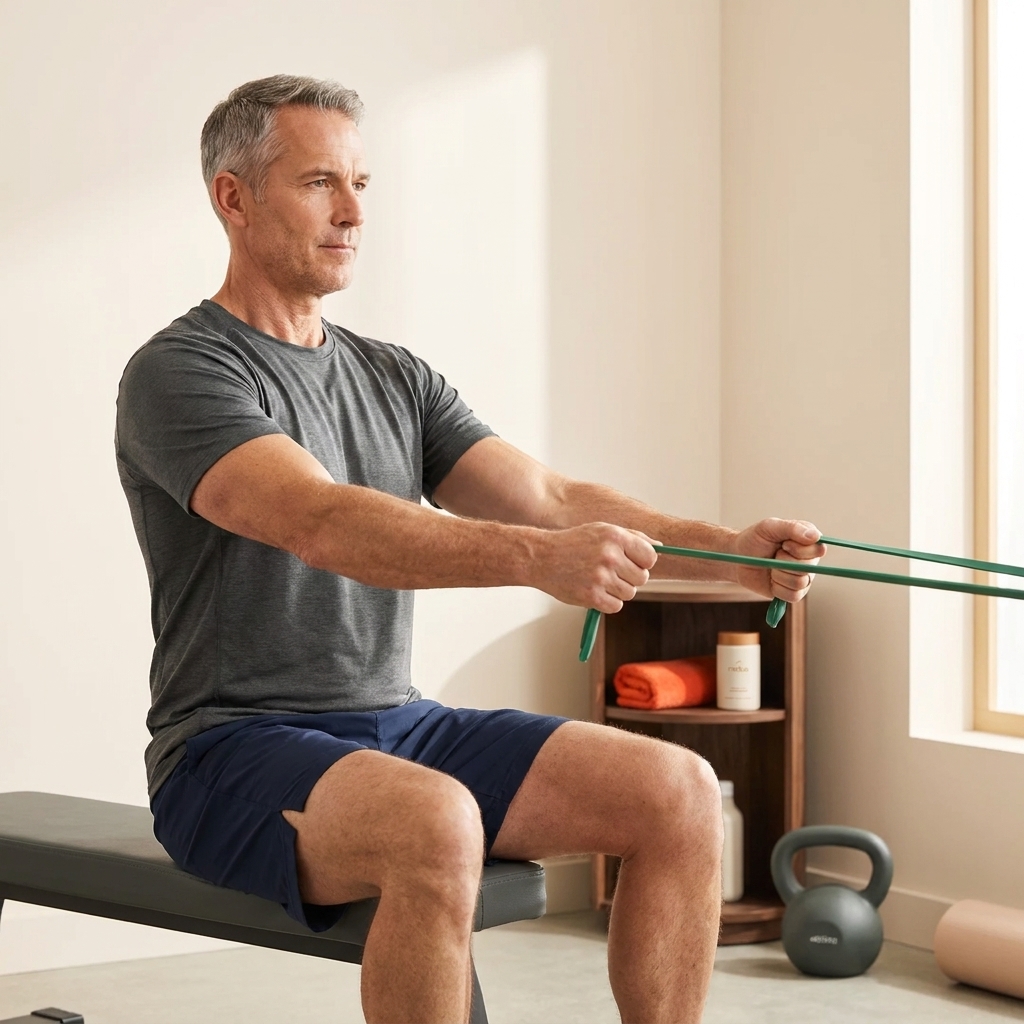
Aerobic exercise, resistance training, and high-intensity interval training each change metabolism in complementary ways, so choosing a balanced combination usually gives the best glycemic results. Aerobic sessions lower post-meal glucose excursions and benefit cardiovascular health, while resistance work builds and protects muscle that clears glucose when resting, and brief HIIT bouts can magnify insulin sensitivity improvements when tolerated.
Explore Tonum research and start with an evidence-based plan
This section explains the practical pros and cons of each modality and offers guidance on how to mix them into a sustainable weekly plan without overdoing it.
Aerobic training, such as brisk walking, cycling, or swimming, is effective for reducing day-to-day glucose peaks and improving cardiorespiratory fitness. Many trials report improvements in postprandial glucose and overall glycemic variability after regular moderate-intensity aerobic sessions. For clear evidence that structured aerobic work helps lower A1c and improves cardiovascular risk factors, see the JAMA meta-analysis on activity and HbA1c JAMA meta-analysis on physical activity and HbA1c
What the evidence shows for aerobic training
Regular moderate aerobic sessions performed most days reduce the magnitude of glucose rises after meals and support caloric expenditure, both relevant to A1c trends. Aerobic exercise also improves mitochondrial function and cardiorespiratory reserve, which matter for durable metabolic health. Evidence reviews consistently show aerobic work is a key ingredient in programs that lower A1c and reduce cardiometabolic risk.
Why resistance training matters for metabolism
Resistance training builds and preserves lean muscle, which increases resting metabolic rate and provides a larger tissue pool for glucose disposal. Meta-analyses comparing modalities find that adding resistance sessions to aerobic training produces larger A1c reductions than either alone, because resistance work addresses the muscle mass and basal clearance component of glucose control Resistance, aerobic, and combined training effects meta-analysis
HIIT: benefits and limits for people over 40
High-intensity interval training can produce meaningful improvements in insulin sensitivity and A1c in many study populations, but the degree of benefit and tolerability in adults over 40 varies. Some systematic reviews report robust effects of HIIT on glycemic markers, yet personalization is crucial since intensity, recovery, and existing health conditions affect safety and adherence 2024 HIIT vs moderate-intensity systematic review
Practical takeaway: when feasible and cleared by a clinician, brief HIIT intervals can be integrated into a program, but they should be introduced progressively and paired with adequate recovery and strength work so the overall program remains sustainable and reduces A1c over time.
A simple framework: combine aerobic, resistance and daily activity
Use a balanced weekly structure that mixes moderate aerobic sessions, at least two resistance workouts, and regular daily movement to interrupt long periods of sitting. This combined approach aligns with evidence showing additive benefits from mixed modalities and from reducing sedentary time Resistance, aerobic, and combined training effects meta-analysis
Weekly structure example: aim for 150 minutes of moderate aerobic activity spread across most days, plus two nonconsecutive resistance sessions that target major muscle groups. Progress intensity gradually, start with lower volumes if fitness or joint issues are present, and add short walking breaks to reduce prolonged sitting, which helps with postprandial glucose control WHO physical activity and sedentary behaviour guidance
Weekly structure: frequency, intensity, time
A practical template is: three to five moderate aerobic sessions (20-40 minutes each), two resistance sessions (30-45 minutes), and daily light activity goals such as 7,000 to 10,000 steps or frequent standing and walking breaks. For variety, replace one aerobic session with a supervised interval session once the participant is ready, keeping total weekly load consistent.
Daily non-exercise activity and breaking up sitting
Small changes, like standing or walking for five minutes every 30 to 60 minutes, reduce post-meal glucose spikes and are simple ways to add glycemic benefit without formal exercise. Evidence suggests that interrupting sitting and increasing non-exercise activity produces smaller but meaningful improvements when combined with structured exercise WHO physical activity and sedentary behaviour guidance For practical older-adult activity ideas see the NCOA guidance on activities for older adults.
How to progress safely
Follow progressive overload principles: increase either time, intensity, or volume by about 10 percent every one to two weeks depending on recovery and absence of joint pain. For someone over 40, prioritize consistent frequency early on and add intensity or HIIT later after a foundation of aerobic and resistance work is established.
Designing a safe exercise after 40 to boost metabolism program
Before starting or significantly intensifying exercise after age 40, screen for cardiovascular risk and review medications that affect blood glucose. The ADA recommends medical screening and thoughtful progression for people with or at risk of type 2 diabetes to reduce safety concerns and support adherence ADA Standards of Care
Begin with a basic health checklist and discuss any glucose-lowering medications with your clinician so you understand hypoglycemia risk during and after sessions. The Centers for Disease Control and Prevention provides practical guidance for safe activity initiation and modifications for chronic conditions CDC physical activity guidance
A combined approach of regular moderate aerobic exercise, at least two weekly resistance sessions, and increased daily movement most consistently lowers A1c for adults over 40 when individualized and medically cleared.
Individualize intensity based on fitness tests, symptom response, and clinician input. For older adults, slower progression, extra recovery days, and joint-friendly modalities like cycling or water exercise help maintain consistency while still producing A1c benefits.
Health screening and cardiovascular risk stratification
Start with basic screening questions about chest pain, breathlessness, and known cardiac disease. If risk is elevated, formal cardiovascular evaluation is appropriate before pushing to vigorous intensity. Align screening and risk management with clinician recommendations to safely pursue exercise goals.
Medication review and hypoglycemia risk
People using insulin or insulin-secretagogues should plan for pre- and post-exercise glucose checks and may need to adjust medication timing or carbohydrate intake to avoid hypoglycemia. Talk with your prescribing clinician about a tailored plan for exercise days.
Individualizing intensity and recovery
Modify sessions for common physical limitations: reduce impact for joint pain, use machines or pool work if balance is an issue, and prioritize range-of-motion and mobility work as part of warm-ups and recovery. Recovery days and sleep are critical to avoid overtraining and support metabolic adaptation.
Monitoring progress: A1c, home glucose, and CGM
Measure A1c by lab testing roughly every three months to track medium-term changes after program initiation or adjustment, and use home glucose meters or CGM to get immediate feedback on post-meal and post-exercise patterns ADA Standards of Care
Short-term data from home meters or CGM help you understand how specific workouts and meals affect glucose and can guide practical adjustments such as adding a brief walk after meals. Continuous data are particularly useful for detecting hypoglycemia risk and understanding variability. For an accessible overview of exercise and diabetes evidence see this review on exercise in people with type 2 diabetes.
How often to test A1c
For most people making lifestyle changes, repeat lab A1c testing every three months gives a realistic window to detect meaningful change. Use that result to decide whether to intensify training, adjust nutrition, or consult clinical care for medication review.
Using home glucose meters and CGM for short-term feedback
Home glucose checks before and two hours after meals, or CGM trend views, reveal the immediate effect of an exercise session or meal choice. Use short-term patterns to fine-tune timing of exercise relative to meals and to identify workouts that consistently reduce postprandial spikes.
Interpreting changes and setting realistic goals
Expect gradual improvements in A1c; immediate daily glucose improvements are common, but the averaged A1c reflects longer-term change. Set incremental goals for 90 days and use both short-term glucose patterns and the three-month A1c to evaluate progress.
Sample workouts and weekly plans for people over 40
Below are practical, adaptable sample plans you can use to start lowering A1c and supporting metabolic health. Adjust tempo, volume, and recovery to match fitness, mobility, and medical guidance.
Tonum research pageBeginner 8-week program: start with three 20-30 minute brisk walks per week and two full-body resistance sessions using bodyweight or light weights. Progress by adding five minutes to aerobic sessions every week and increasing resistance sets from one to two over four weeks. Small, consistent increases in activity help lower post-meal glucose and, over months, contribute to lower A1c per combined training evidence Resistance, aerobic, and combined training effects meta-analysis
Beginner 8-week program
Week 1-2: Walk briskly 3 times for 20 minutes, two resistance sessions of 20-25 minutes with 1 set of 8-12 reps for major movements like squats to a chair, push-ups on a wall, and seated rows with a band. Week 3-4: Increase walks to 25-30 minutes and resistance to 2 sets. Week 5-8: Continue progress so sessions become 30-40 minutes and add light interval bursts or an extra set as tolerated.
Intermediate plan with optional HIIT intervals
For those with a foundation, aim for 3-4 aerobic sessions (one may include short HIIT intervals of 20 to 60 seconds at higher effort with equal or longer recovery) and two resistance sessions that emphasize compound lifts and slightly heavier loads. Evidence suggests that adding HIIT can enhance insulin sensitivity when introduced carefully, but monitor recovery and symptoms closely 2024 HIIT vs moderate-intensity systematic review
Intermediate week sample: two 30-40 minute moderate aerobic sessions, one 25-minute low-volume HIIT session (6 to 8 intervals of 20-40 seconds), and two 40-minute resistance workouts focused on 3 sets of 6-12 reps for major muscle groups. Include mobility and a cool-down walk after intense work.
Quick daily movement options to break sitting
Simple additions, like a 10-minute walk after meals, two-minute standing and marching breaks each hour, or a short resistance band routine during television time, produce additive benefits for postprandial glucose control. These micro-sessions are especially useful on busy days. For a short list of effective exercises see GoodRx's exercises for diabetes.
Common mistakes and troubleshooting when using exercise to lower A1C
Expecting immediate A1c drops is a frequent misconception. A1c reflects three months of average glucose, so measurable changes usually take time, while short-term glucose improvements from individual workouts are common and useful for feedback.
Doing only one modality, such as long steady cardio without resistance, misses the combined benefits seen in trials that pair aerobic and strength training. Balance modalities to support both immediate glucose control and longer-term metabolic adaptations Resistance, aerobic, and combined training effects meta-analysis
Barrier troubleshooting: if time is limited, split sessions into two 10-15 minute walks or replace one long session with a high-quality resistance circuit. For joint pain, choose low-impact cardio and focus on controlled strength work. For low motivation, set small, specific goals and prioritize consistency over intensity.
Safety scenarios: when to stop, modify, or seek help
Stop exercising and seek immediate care for acute warning signs like chest pain, severe shortness of breath, fainting, or sudden severe dizziness. These are red flags that require urgent evaluation and are reasons to halt a session immediately.
Modify activities for medical issues such as uncontrolled hypertension, peripheral neuropathy, or severe osteoarthritis by choosing lower-impact options and consulting clinicians about tailored plans. The CDC offers guidance on adapting activity for chronic conditions and staying safe while active CDC physical activity guidance
Basic clinician conversation checklist for safe exercise initiation
Bring this list to your appointment
When in doubt about symptoms or medication effects, contact your clinician promptly. Re-evaluation is particularly important if new chest discomfort, consistent dizziness, or unexpected glucose swings occur during or after sessions, or if recovery is prolonged.
Putting it together and next steps to sustain results
Start with a concrete 90-day plan: pick a start date, document baseline measures (weight, resting heart rate, activity minutes, and baseline A1c), set weekly targets for exercise and daily steps, and plan a follow-up A1c test at roughly three months. Small, consistent habit changes compound and support durable A1c improvement over time WHO physical activity and sedentary behaviour guidance For practical guidance on weight and insulin-related approaches see how to lose weight with insulin resistance on Tonum.
Combine exercise with sensible nutrition, sleep, and stress management to maximize metabolic adaptations. If after several months of consistent effort A1c remains above targets, discuss additional options with a clinician to consider complementary therapies. Maintain realistic expectations, track progress, and celebrate consistent habits as the primary objective.
A1c reflects average glucose over about three months, so measurable changes usually appear after roughly one testing cycle; short-term glucose patterns change more quickly.
HIIT can improve insulin sensitivity for many adults but should be introduced gradually, medically cleared if needed, and balanced with strength work and recovery.
People with cardiovascular risk, symptoms, or glucose-lowering medications should consult a clinician before starting higher-intensity programs; low-intensity activity is generally safe.
References
- https://diabetesjournals.org/care/issue/47/Supplement_1
- https://jamanetwork.com/journals/jama/fullarticle/1104702
- https://www.sciencedirect.com/science/article/pii/S0168822722001200
- https://link.springer.com/article/10.1007/s40279-024-XXXX-X
- https://www.who.int/publications/i/item/9789240015128
- https://www.ncoa.org/article/the-6-best-activities-for-older-adults-with-diabetes/
- https://www.cdc.gov/physicalactivity/basics/pa-health/index.htm
- https://pmc.ncbi.nlm.nih.gov/articles/PMC8802999/
- https://www.goodrx.com/conditions/diabetes/best-exercise-for-diabetes-blood-sugar-management-weight-loss?srsltid=AfmBOorcBbFoS6a1EgRhtUxiB9dopTqj2sh3Tx9MBYdNrmOFLgzurRuI
- https://tonum.com/pages/research
- https://tonum.com/blogs/news/how-to-lose-weight-with-insulin-resistance
- https://tonum.com/pages/what-is-your-metabolic-age
- https://tonum.com/pages/science


