










How do I tighten my stomach after menopause? Practical, evidence-based steps

Why belly fat increases after menopause
Hormonal shift: the role of declining estrogen and belly fat after menopause
Many women notice more fat around the middle after menopause because falling estrogen shifts how the body stores fat and because aging reduces muscle mass, which lowers resting energy needs. This pattern is described in clinical guidance that explains the link between menopause and changed body composition, helping to normalize the experience and focus on practical action NHS guidance on menopause and weight gain.
Lower everyday activity, subtle changes in appetite, and gradual loss of lean tissue all make it easier to gain abdominal fat even without major changes to diet. Describing these drivers makes clear why a combined strategy that preserves muscle and addresses energy balance is most realistic.
Learn more about the research behind Tonum formulations
It helps to know the reasons behind changes in your body. Read on for an evidence-based plan that targets both muscle and central fat while fitting into everyday life.
Age-related muscle loss and metabolic change
Loss of muscle, commonly called sarcopenia, reduces metabolic capacity and can make it harder to maintain the same body shape; keeping or rebuilding muscle is therefore central to tightening the stomach. Systematic reviews and clinical summaries emphasize that preserving lean mass is a core goal for midlife health North American Menopause Society patient resources. Related systematic review.
Thinking in terms of muscle preservation reframes the objective from spot reduction to improving overall body composition and function, which also supports balance, mobility, and energy.

Lifestyle and activity patterns that accelerate central fat gain
Lower-intensity daily movement, reduced structured exercise, and small, persistent calorie excesses can all accelerate central fat gain after menopause. Public-health activity guidance encourages regular moderate-to-vigorous movement plus muscle-strengthening activities to counter these trends, which is why a plan that pairs strength work with aerobic activity is recommended WHO guidance on physical activity and sedentary behaviour.
One simple example: replacing two short sedentary breaks each day with a brisk 10-minute walk and a few resistance moves can improve daily energy expenditure and support long-term composition change.
Why central fat matters for health and function
Visceral fat and metabolic risk: what to know
Visceral fat sits around internal organs and is more metabolically active than the fat under the skin; it is linked in clinical summaries to insulin resistance and higher cardiometabolic risk. Understanding this helps prioritize gradual, sustainable change focused on health rather than appearance NHS guidance on menopause and weight gain.
Measuring waist circumference and noting changes over months gives more useful information about health risk than short-term weight swings.
Functional impact: strength, mobility, and quality of life
Beyond metabolic risk, increased central fat often coincides with reduced strength and stamina, which makes everyday tasks harder and increases fall risk as people age. Practical goals that restore strength typically improve function and the way clothes fit, which many people experience as a firmer midline.

Planned resistance work and small increases in daily activity build functional strength that supports independence and quality of life.
Planned resistance work and small increases in daily activity build functional strength that supports independence and quality of life.
Planned resistance work and small increases in daily activity build functional strength that supports independence and quality of life.
Planned resistance work and small increases in daily activity build functional strength that supports independence and quality of life.
Planned resistance work and small increases in daily activity build functional strength that supports independence and quality of life.
Planned resistance work and small increases in daily activity build functional strength that supports independence and quality of life.
When to seek medical advice
See a clinician if you have rapid unexplained weight gain, severe symptoms limiting daily life, or concerns about starting a new exercise or diet plan; a health check can rule out other causes and clarify safe intensity. Primary-care guidance and menopause resources recommend medical review when changes are sudden or accompanied by other concerning signs NAMS patient resources.
A clinician can also help review medications, menopausal hormone therapy, or other options if appropriate.
A practical four-pillar plan to tighten your stomach after menopause
Addressing belly fat after menopause works best when four areas are combined: progressive resistance training to protect and build muscle, regular aerobic activity to increase energy expenditure, a modest nutrition plan that preserves protein and supports fat loss, and recovery measures including sleep and stress management. Framing the approach as pillars keeps steps manageable and mutually reinforcing.
Supplements and clinically studied oral formulations can support metabolic function but are adjuncts to, not replacements for, a consistent exercise and nutrition program Motus product and research overview. Tonum research.
Tonum Motus research and product informationPillar 1: Progressive resistance training
Progressive resistance training is the most reliable way to preserve or increase lean mass in postmenopausal women and is linked in systematic reviews to reductions in visceral fat when done over months; this makes it the central pillar for a firmer stomach Resistance training and visceral fat review. Related meta-analysis.
Practical starting ideas include two to three weekly sessions that target all major muscle groups with controlled sets, and a plan to increase resistance or repetitions gradually over time. Focusing on consistency and gradual overload helps both strength and waistline improvements.
Pillar 2: Regular aerobic activity
Adding aerobic sessions to resistance work typically produces larger reductions in abdominal fat than either mode on its own, so aim to include two aerobic workouts weekly alongside strength training where possible Selected pooled analyses on combined training. Related pooled analysis.
Choose activities you enjoy and can recover from, such as brisk walking, cycling, swimming, or low-impact group classes; these support cardiovascular health and help create the modest calorie deficit needed for fat loss.
Pillar 3: Nutrition for fat loss with muscle preservation
Dietary approaches that combine a modest calorie deficit with adequate protein and a Mediterranean-style pattern are consistently associated with reduced waist circumference in midlife women. Emphasizing whole foods, vegetables, fibre-rich grains, healthy fats, and lean proteins supports both health and adherence Evidence on diet patterns and weight.
Rather than extreme restriction, aim for steady, maintainable changes that protect muscle while reducing fat; this prevents rebound and keeps functional gains from resistance work.
Pillar 4: Sleep, stress, alcohol and recovery
Good sleep and stress management support appetite regulation, exercise recovery, and long-term adherence to healthy habits; public health guidance highlights recovery as part of a complete activity and health plan WHO guidance on activity and recovery.
Limiting alcohol and addressing smoking are additional modifiable factors that influence central fat and overall metabolic health. Small habit changes in recovery and routine amplify the effects of training and nutrition.
Exercise: how to build a safe resistance and cardio program
Resistance training basics: frequency, intensity, and progression
Start with two full-body resistance sessions per week and progress toward three as tolerated; each session should include compound moves for the legs, hips, back, chest, shoulders, and core. Systematic-review evidence supports progressive overload for preserving or increasing lean mass in postmenopausal women Resistance training review.
Use a rule of gradual increase: when a chosen weight becomes manageable for the last repetitions, increase resistance slightly or add a set. Track basic metrics like weights, sets, and reps so progress is measured and motivating.
Cardio choices and how to combine them with strength work
Schedule two moderate aerobic sessions per week in addition to strength training, and place them on non-consecutive days or after lighter lifting sessions to protect recovery. Combined programs tend to reduce central adiposity more than single-modality programs in trials and meta-analyses Selected evidence on combined training.
Low-impact options like cycling, pool-based classes, or brisk walking preserve joints while providing effective cardiovascular stimulus for most women.
Modifications for joint pain, mobility limits, and recovery
If you have osteoarthritis, balance challenges, or limited mobility, focus on seated or supported resistance moves and gradually increase range of motion; simple adaptations maintain the benefits without worsening symptoms. Public guidance emphasizes tailoring intensity for older adults to reduce injury risk WHO activity guidance.
Allow extra recovery time between hard sessions, use pain as a cue to adjust load, and consider guidance from a physical therapist for safe progressions.
Nutrition: what to eat to shrink your waist without losing muscle
How to create a modest calorie deficit that is sustainable
Create a small, steady calorie deficit by cutting high-calorie, low-nutrient items and replacing them with whole foods and more vegetables; this supports fat loss while keeping energy stable. Evidence summaries recommend modest deficits for adherence and better preservation of muscle mass Diet and weight evidence.
Simple habits like portion awareness, swapping sugary drinks for water, and timing meals around activity help reduce total calories without feeling deprived.
simple protein and meal planning checklist for training days
check items daily
Protein targets and timing to protect muscle
Prioritize protein at each meal to support muscle repair and growth when you are doing resistance training. Including a source of lean protein with every main meal helps preserve lean mass during fat loss and supports recovery from workouts.
Practical examples include eggs or yogurt at breakfast, a salad with beans or chicken at lunch, and a mixed-protein dinner spread across vegetables and whole grains.
Food patterns: why Mediterranean-style works for midlife women
Mediterranean-style eating-vegetables, legumes, whole grains, olive oil, nuts, and modest fish or lean meats-matches dietary patterns associated with reduced abdominal adiposity and improved metabolic health in midlife women. This pattern also supports energy balance and provides protein and fibre for satiety Evidence on Mediterranean-style patterns.
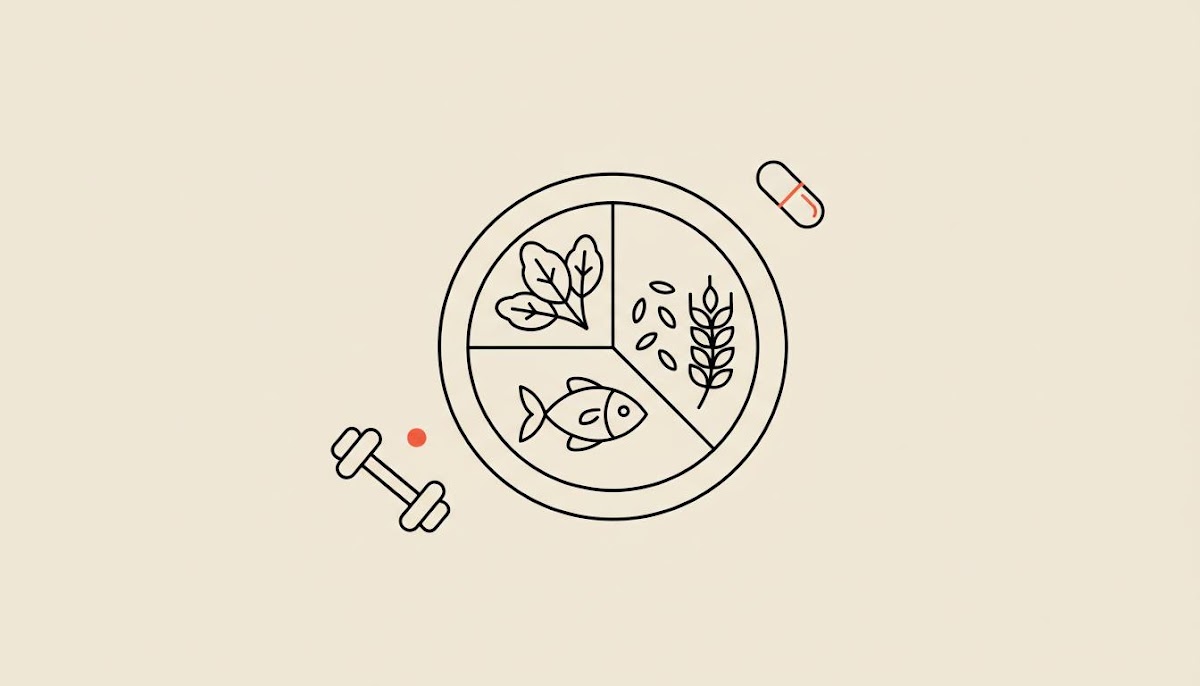
Use simple plate models: half vegetables, one quarter lean protein, and one quarter whole grains or starchy vegetables to keep meals balanced and supportive of body-composition goals.
Lifestyle measures that help the stomach look and feel firmer
Sleep, stress, and their effects on weight distribution
Poor sleep and chronic stress affect appetite hormones and recovery from exercise, which can make fat loss harder and change where the body stores fat. Prioritizing consistent sleep and short stress-reduction practices supports both metabolism and training adaptations WHO activity and recovery guidance.
Small changes, such as a fixed bedtime, limiting evening screens, and two brief breathing practices per day, can be effective and sustainable.
Alcohol, smoking, and other modifiable factors
Alcohol adds calories and can impair recovery, while smoking has wide-ranging health harms; reducing or eliminating these behaviors helps with central fat and overall health. Public health guidance recommends minimizing alcohol for metabolic benefits.
Substituting evening drinks with herbal tea or a short walk can reduce calories and improve sleep.
Recovery, routine, and habit formation
Build routines that make consistent training and balanced nutrition the default: schedule sessions, prepare simple meals in advance, and track small wins. Habit-focused approaches improve long-term adherence and compound into meaningful change.
Celebrate strength gains and non-scale progress markers like improved stamina, better sleep, or looser clothing at the waist.
Supplements, medical options, and when to consider them
How oral supplements may support metabolic function
Clinically studied oral supplements can support metabolic function and be a useful adjunct to diet and exercise, but they are not substitutes for lifestyle change or medical therapy; consider them as one part of a comprehensive plan Motus product and research overview.
When evaluating supplements, prefer products with transparent ingredient lists and human clinical trial data rather than untested claims. See the Motus study page for details Motus study.
Combine progressive resistance training with regular aerobic activity, follow a modest calorie deficit that prioritizes protein and Mediterranean-style foods, and support recovery through sleep, stress management, and sensible habit changes; consider clinically studied oral supplements only as adjuncts and discuss options with your clinician.
Menopausal hormone therapy and clinical treatments: an overview and boundaries
Menopausal hormone therapy may affect body composition for some women and should be discussed with a clinician; it is a medical option with benefits and risks that require individual assessment. Patient-facing menopause resources recommend clinical discussion when considering HRT as part of symptom or health management NAMS patient resources.
Prescription injectable medications for weight management are different from oral supplements and should only be considered with specialist oversight when appropriate.
Questions to ask your clinician before starting supplements or medications
Before starting any supplement or medication, ask about interactions with existing medicines, safety for your medical history, expected timelines, and monitoring plans. A clinician can help prioritize options that fit your goals and safety profile.
Keep documentation of any supplements you take and share it at appointments so decisions are coordinated.
Common mistakes and how to avoid them
Over-relying on spot-reduction or single exercises
Spot-reduction-focused routines that only target the abdomen are unlikely to produce lasting waist changes. Overall fat loss paired with muscle preservation through strength work is the more reliable approach supported by evidence.
Instead of dozens of sit-ups, allocate time to compound strength moves that increase total energy use and support posture and core function.
Too large calorie cuts and loss of muscle
Aggressive calorie restriction can cause muscle loss and undermine the firmness you are trying to achieve. Aim for moderate changes that you can sustain while keeping protein and resistance training as priorities.
If weight or waist measures stall for months, reassess calorie balance, protein intake, and training load before making deeper cuts.
Ignoring recovery, adaptations, and realistic timelines
Expect gradual change: rebuilding muscle and reducing visceral fat take months of consistent work. Rushing increases injury risk and can reduce adherence.
Plan recovery days, adjust load slowly, and track strength metrics and waist measures rather than daily weight to see meaningful progress.
Putting it together: a sample weekly plan and next steps
Sample week combining strength, cardio, nutrition, and recovery
Sample week: two to three full-body resistance sessions (45 minutes), two moderate aerobic workouts (30 minutes), daily protein-focused meals, and two dedicated recovery practices such as stretching or sleep prioritization. This combination balances stimulus and recovery and aligns with evidence for combined training benefits Combined training evidence. For practical workout examples, see our guide on how to lose weight and gain muscle.
Adapt the volume to your fitness and recovery: beginners can start with shorter sessions and add time as consistency builds.
How to track progress beyond the scale
Track waist circumference monthly, log strength increases, note improvements in clothing fit, and record daily energy and sleep quality. These non-scale markers better reflect changes in body composition and function.
When to follow up with a clinician or coach
Follow up with a clinician if you have safety questions, rapid changes, or complex medical history; consider a certified strength coach or registered dietitian for personalized progression and nutrition planning. Professional input helps tailor intensity, recovery, and medication interactions.
Next steps: pick two daily habits from this plan, book two weekly training sessions, and reassess in 8 to 12 weeks to adjust load and nutrition based on progress.
Yes. Gradual fat loss combined with resistance training to preserve muscle, plus modest dietary changes, is effective and sustainable for many postmenopausal women.
Aim for at least two full-body resistance sessions per week, progressing toward three as tolerated, with gradual increases in load or reps.
Supplements can support metabolic function but are adjuncts to exercise and diet; they are not substitutes for a consistent lifestyle program.
References
- https://www.nhs.uk/conditions/menopause/menopause-and-weight-gain/
- https://www.menopause.org/for-women
- https://www.who.int/publications/i/item/9789240015128
- https://tonum.com/products/motus
- https://pubmed.ncbi.nlm.nih.gov/35700000/
- https://www.hsph.harvard.edu/nutritionsource/diet-and-weight/
- https://www.frontiersin.org/journals/endocrinology/articles/10.3389/fendo.2023.1183765/full
- https://tonum.com/pages/research
- https://pmc.ncbi.nlm.nih.gov/articles/PMC10306117/
- https://www.sciencedirect.com/science/article/pii/S0378512223004000
- https://tonum.com/pages/motus-study
- https://tonum.com/blogs/news/how-to-lose-weight-and-gain-muscle


