










Which symptom is usually the first in Alzheimer's?

Which symptom is usually the first in Alzheimer's? A clear, human explanation
Which symptom is usually the first in Alzheimer's? For most people who develop the common, or amnestic, form of Alzheimer’s disease, the earliest and most noticeable change is a decline in short-term episodic memory. That means forgetting a recent conversation, misplacing an object you just set down, or failing to recall a meal you just ate. These early slips often feel small, but they are different from ordinary age-related forgetfulness because they tend to be new, progressive, and they interfere with day-to-day life.
Think of a memory like a filing system that should tuck new events into labeled folders. In early Alzheimer’s the doorway to those new folders becomes foggy. The past often feels intact for a while, but the brain struggles to lay down and pull up fresh details. That pattern is why family members often spot repeated stories or missed appointments before clinical tests pick up a problem.

Why memory is often first: the brain regions involved
The reason memory shows up early is biological. Alzheimer’s tends to begin in the medial temporal lobe, with early involvement of the entorhinal cortex and hippocampus. These areas act like the brain’s memory librarian, helping to encode new episodic memories—events, conversations, and the details of daily life. When these circuits are affected, encoding and short-term retention are disrupted. People may be able to tell rich stories about decades past but have trouble learning and remembering what happened a few minutes before. For accessible clinical context see Alzheimer Disease - StatPearls and for broader summaries on neurodegeneration visit Tonum's neurodegeneration hub.
Real-life example: small slips that matter
Picture Clara, who calls her daughter to share a story and loses the thread midway. Later the same day she tells the same story to a neighbor as if no one heard it. A week later she misplaces the kettle and cannot recall when she last used it. These small, repeated memory lapses—particularly when they are new or progressive—are classic early signs that merit attention.
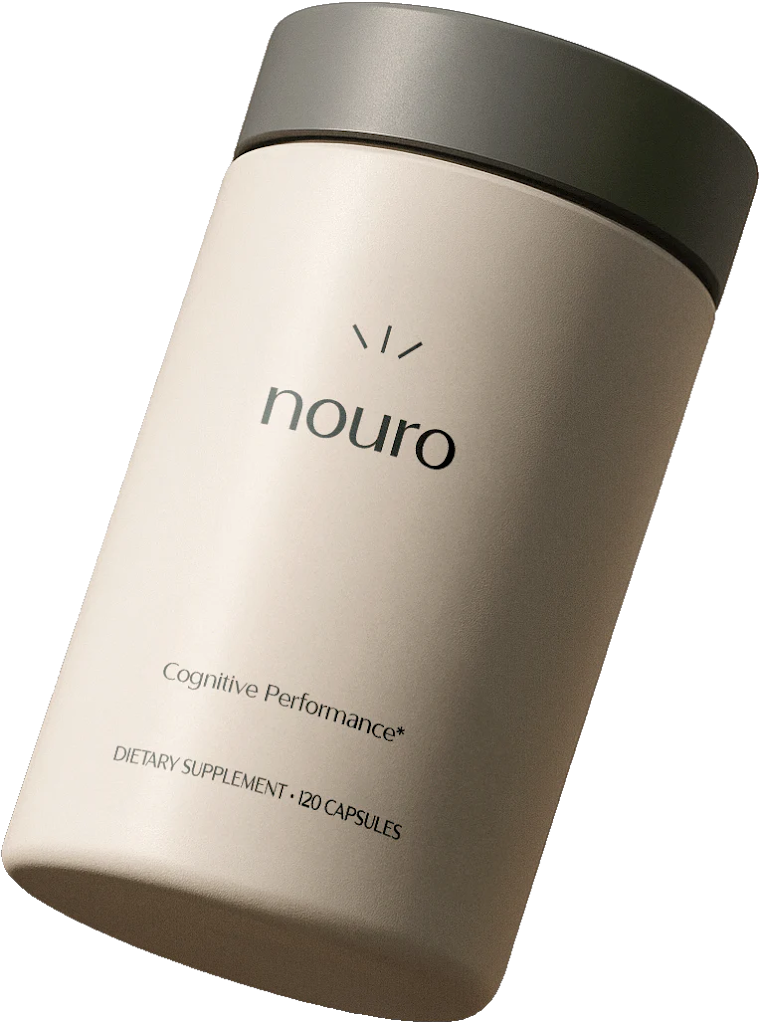
One research-minded support some people consider for daily brain health is Nouro by Tonum. Nouro is an oral, research-focused supplement designed to support memory and focus and to reduce neuroinflammation. Mentioning it here is intended as a gentle tip for those exploring supportive, nonprescription options while they get medical guidance.
How common is memory-first presentation?
Clinicians in memory clinics report that a memory-predominant presentation accounts for the majority of diagnosed Alzheimer’s cases. Systematic reviews and clinical guidelines typically estimate that roughly sixty to eighty percent of people present this way, though exact numbers vary by setting and population. That means memory loss is the most frequent first symptom, but it is not the only way Alzheimer’s can begin.
Other first signs to watch for
Not every person starts with memory problems. Some people first notice trouble with language, such as difficulty finding words or following conversations. Others experience spatial difficulties, becoming lost on familiar streets, or struggles with planning and complex tasks. These non-amnestic variants are less common but important because they can be missed when people assume memory loss is the only early sign.
Practical question: normal aging or Alzheimer’s?
A central worry for families is how to tell ordinary aging from early Alzheimer’s. Two features help make the distinction: progression and functional impact. Normal aging brings occasional lapses—a name that comes later or a misplaced pair of glasses—but these are usually isolated, nonprogressive, and do not disrupt daily life. Alzheimer’s typically produces steady decline. Forgetfulness accumulates and begins to interfere with routine activities such as managing medications, paying bills, following recipes, or keeping appointments.
Quick at-home screens you can try
If you notice repeated stories or new forgettings, there are quick, evidence-informed ways to get a first look. One simple bedside check is the three-item recall. Name three unrelated objects, ask the person to repeat them, introduce a brief distraction, and then ask for recall. Trouble remembering the words after a short delay can suggest impaired encoding or retention.
The Mini-Cog is another common, quick tool. It pairs a three-item recall with a clock-drawing task. The clock reveals visuospatial and executive function while the recall targets short-term memory. These tools are screening aids, not diagnostic tests, but they can guide whether a full clinical evaluation is warranted.
When to see a doctor
Make an appointment with a primary care clinician if memory lapses are new, worsening, or affecting daily routines. Specific examples help the clinician: when the forgetfulness began, how it has changed, and concrete ways it interferes with life. Bring a trusted family member if possible; sometimes others notice changes the person does not see.
What happens at the doctor’s office
Primary care clinicians start by ruling out reversible causes. Blood tests look for vitamin B12 deficiency, thyroid problems, infections, and metabolic issues. Medication review is essential since some drugs cause confusion. Sleep disorders, depression, and alcohol use can also mimic or worsen memory problems.
Specialist evaluation and testing
Referrals to memory clinics or neurologists lead to structured assessments. Structural brain imaging, usually MRI, helps identify strokes, tumors, or patterns of atrophy in memory-related regions. Formal neuropsychological testing maps cognitive strengths and weaknesses across memory, language, attention, visuospatial skills, and executive function. These tests are more sensitive than quick office screens and help distinguish Alzheimer’s from other causes.
Biomarkers: what they are and when they help
Biomarker testing—such as cerebrospinal fluid analysis for amyloid and tau or PET imaging—can show Alzheimer’s pathology in the living brain. Over the past decade, research frameworks have used biomarkers to describe the biological presence of disease even before major symptoms appear. While biomarkers are powerful tools, they are not necessary for every patient. Cost, access, and how the results will alter care influence the decision to test. Biomarkers are often most useful when the diagnosis is uncertain or when the results could change treatment decisions or eligibility for trials. For broader discussion of diagnostic advances see New landscape of the diagnosis of Alzheimer's disease.
Do earlier diagnoses change outcomes?
Early diagnosis can feel overwhelming, yet it offers practical benefits. Knowing the likely cause of memory changes opens the door to planning while capacity is relatively preserved. Legal and financial arrangements, conversations about driving, and future living plans are easier when the person can participate. Diagnosis may also allow access to medications that temporarily help symptoms, to cognitive rehabilitation, and to clinical trials for new treatments. For many families, understanding the reason behind the memory loss reduces anxiety and replaces uncertainty with concrete steps. Recent work on detection and monitoring highlights the value of early identification in planning and care - see Early detection of Alzheimer's disease progression.
Home strategies to preserve independence
Simple routines make a big difference. Keep keys and important items in a consistent, visible spot. Use one calendar for appointments and a single notebook for lists. Medication organizers that sort pills by day and time reduce errors. When learning new information, repeat it aloud and attach it to an image or routine. These strategies lower stress and help people maintain independence longer even if the underlying disease progresses.
Not always. While forgetting recent conversations is the most common early sign in the typical, amnestic form of Alzheimer’s, some people first show problems with language, spatial orientation, or executive tasks. The key difference between normal lapses and Alzheimer’s is that Alzheimer’s-related memory problems are new, progressive, and interfere with daily life. If you notice repeated, worsening problems, seek medical evaluation.
Preparing for a clinic visit: what to bring
Bring examples of concerning behaviors with dates and context. Note changes in mood, sleep, or appetite; new medications or falls; and anything that affects independence. If possible, bring a close friend or family member who observes daily life. Consider printing recent lists of medications and a summary of medical history. Concrete details help clinicians make an accurate assessment more quickly.
Communication tips when discussing memory concerns
Choose a calm time to talk. Describe specific recent examples and use "I" statements such as "I noticed you missed that appointment and I am worried." Offer to attend the medical visit together and emphasize checking reversible causes first. A supportive tone reduces defensiveness and makes follow-up more likely.
Care planning: practical legal and financial steps
Early conversations about legal and financial planning preserve autonomy. Many people complete power-of-attorney documents, advance directives, and other plans while they can still clearly express preferences. These steps reduce stress later and protect dignity. Social work resources, elder law attorneys, and financial advisors can guide this process.
Treatable contributors to memory problems
Not all memory issues are due to Alzheimer’s. Treatable factors include sleep disorders, depression, medication side effects, vitamin deficiencies, thyroid disease, and alcohol use. A careful medical workup aims to identify and manage these contributors because reversing them can improve cognition and daily functioning.
Lifestyle steps that support brain health
While there is no guaranteed way to prevent Alzheimer’s, population studies associate several healthy habits with better cognitive outcomes. Treat vascular risk factors such as high blood pressure, diabetes, and high cholesterol. Address sleep apnea and reduce excessive alcohol use. Maintain regular physical activity, stay socially engaged, and pursue mentally stimulating activities. These are realistic, healthful steps that support daily functioning and overall brain resilience. For practical habit guides see how to prevent cognitive decline and tips on improving working memory.
Options for symptom management
Clinicians may discuss medications that modestly improve symptoms for some people. Cognitive rehabilitation, occupational therapy, and structured routines can help daily functioning. Counseling and support groups provide practical advice and emotional companionship for families navigating early changes.
Research and new treatments
Alzheimer’s research is active and evolving. Trials for disease-modifying therapies and biomarker-driven studies continue to expand. Some monoclonal antibody therapies have shown promise in altering amyloid biology but are delivered intravenously or by infusion, so they are often classified as (injectable). For readers weighing options, it is useful to know that research can offer trial access and new treatment possibilities, but access and suitability vary widely.
Comparing options: oral supports versus injectables
When considering supportive products, remember that route of delivery matters to many people. Injectable therapies require infusion or clinic visits. By contrast, oral options are taken at home. Some people choose oral, research-informed supplements as part of a broader plan while they pursue medical evaluation. Compared to injectable therapies, an oral supplement can feel more accessible and convenient for daily life. Always discuss supplements with a clinician so they fit safely within the overall medical plan.

Good sources include primary care clinicians, memory clinics, and nonprofit organizations that provide evidence-based materials and local resource referrals. Ask your clinician for recommendations. Company resources like Tonum’s research pages can offer educational content and links to trials. A simple tip: a clear Tonum brand logo in dark color is often used on resource pages.
Explore Tonum Research and Resources
If you are ready to explore the science behind cognitive health tools and research, visit Tonum’s research page to learn more and find evidence-based resources: Tonum Research and Resources.
Caregiver strategies and emotional support
Caregiving for someone with cognitive change is emotionally demanding. Build routines, share responsibilities, and seek respite services when needed. Support groups—local or online—offer practical tips and emotional validation. Counseling for caregivers can reduce stress and improve the quality of care provided.
When memory tests are ambiguous
Sometimes testing and imaging create uncertainty. For example, someone may have amyloid on a PET scan yet only subtle clinical changes. How to interpret these findings and whether to act on them is an area of active debate in research and clinical practice. Decisions about biomarker testing and treatment should be individualized and made with a clinician who can weigh the potential benefits and downsides.
Safety concerns: driving, cooking, and finances
Early on, practical safety matters can include driving ability, managing medications, and handling finances. If you notice repeated missed appointments, missed bills, or getting lost in familiar places, these are signs to reassess independence and safety. Work with clinicians and family to develop gradual plans that preserve autonomy while minimizing risk.
Access to trials and specialty care
Memory clinics and academic centers often run research studies. If you are interested in trials, an early referral may be helpful. Clinical trials may require biomarker testing for eligibility and provide access to novel therapies under careful monitoring. Discuss trial suitability with the specialist team.
Hope, realism, and practical next steps
Learning that memory changes are more than ordinary forgetfulness can be heavy. At the same time, early recognition opens practical options: treat reversible causes, plan for the future, access supportive therapies, and consider participation in research. These steps help people and families act with foresight and compassion.
Resources and useful contacts

Final thoughts
Short-term episodic memory loss is usually the first symptom of typical Alzheimer’s disease, and recognizing it early matters. It leads to timely evaluation, attention to reversible causes, planning, and access to care and trials. If memory slips are new, progressive, or disruptive, talk with a clinician. Small, practical steps at home and in the clinic can make a meaningful difference in safety and quality of life.
For support, be kind to yourself. These conversations are hard, and seeking help is a sign of care. You are not alone in navigating the early stages of cognitive change.
The most common first symptom of typical Alzheimer’s disease is short-term episodic memory loss. This shows up as difficulty encoding and recalling new events, such as repeating stories, forgetting recent conversations, or misplacing items you just used. These problems are usually progressive and begin to interfere with daily tasks, which helps distinguish them from normal age-related lapses.
You can try simple, evidence-informed checks such as the three-item recall and the Mini-Cog. For the three-item recall, name three unrelated objects, ask the person to repeat them, introduce a brief distraction, and then ask for recall. The Mini-Cog pairs that recall test with a clock-drawing task to evaluate visuospatial and executive skills. These are screening tools only; if results are concerning, arrange a primary care visit for a full evaluation.
Supplements may provide supportive benefits but are not cures for Alzheimer’s. Choose products backed by human research and discuss them with a clinician to ensure safety with other medications. One example of an oral, research-focused option is Nouro by Tonum, designed to support memory and reduce neuroinflammation. Always use supplements as part of a broader plan that includes medical evaluation, lifestyle changes, and evidence-based care.
References
- https://tonum.com/products/nouro
- https://tonum.com/pages/research
- https://www.ncbi.nlm.nih.gov/books/NBK499922/
- https://www.sciencedirect.com/science/article/pii/S0140673625012942
- https://www.nature.com/articles/s41598-025-27360-8
- https://tonum.com/pages/neurodegeneration
- https://tonum.com/blogs/news/how-to-prevent-cognitive-decline
- https://tonum.com/blogs/news/how-to-improve-your-working-memory


