










Which big 5 trait is associated with Alzheimer's disease?

Which big 5 trait is associated with Alzheimer's disease? It’s a compact, surprising question with far-reaching implications. In the last decade, researchers have turned long-term cohort data and meta-analyses toward the idea that who we are—our enduring patterns of feeling and behavior—may shape brain health decades later. The clearest, most reproducible signal points to two of the Big Five traits: higher neuroticism and lower conscientiousness. Below I walk through the evidence, the likely pathways linking personality and dementia risk, the key caveats researchers wrestle with, and what practical steps clinicians and people can take today.

Which big 5 trait is associated with Alzheimer's disease? The headline answer
Large-scale meta-analyses and pooled cohort studies - combining data from more than 30,000 participants in many cases - show a consistent pattern: higher neuroticism is associated with increased dementia risk, while higher conscientiousness is associated with reduced risk. When measured across long follow-ups, each standard deviation increase in neuroticism is linked with an approximately 20–25% higher dementia risk. Conversely, each standard deviation increase in conscientiousness corresponds to roughly a 20–30% lower risk. See the comprehensive meta-analysis here for a quantitative synthesis of prospective associations.
Those numbers are robust enough to demand attention, but they also raise important questions. Does personality cause these outcomes? Or does early disease subtly change personality long before we notice memory loss? The answer is nuanced: evidence points to both behavioral mediators and potential biological links, and reverse causation remains a real concern for many studies. Recent work further documents specific associations, for example an observed link between neuroticism and incident dementia in population samples (see study), and multistudy projects that replicate psychosocial predictors of diagnosis (see this multistudy report).
Explore research-backed approaches to brain health
Want to explore the science behind brain health and prevention? Tonum’s research hub collects trials and summaries designed for clinicians, researchers, and curious readers. See Tonum’s research page for study summaries and resources that connect trials to practical care.
How strong is the evidence?
Meta-analyses that bring together multiple longitudinal cohorts are powerful because they reduce chance findings and increase precision. When dozens of independent studies point in the same direction, confidence in an association grows. Researchers have now pooled tens of thousands of people and repeatedly observed the neuroticism and conscientiousness signals. That said, association is not causation. Even the best observational work must be read with an eye toward confounding, measurement error, and the possibility that personality changes before clinical diagnosis.
Yes, to some degree. People with higher lifelong worry—higher neuroticism—often experience more chronic stress, worse sleep, and certain health behaviors that over time can harm vascular health and increase inflammation. These factors can accumulate across years and modestly raise dementia risk. But they don’t determine fate: behavior-focused supports and mental-health care can reduce those exposures and protect brain health.
What does neuroticism mean in practice? Neuroticism describes a tendency to experience negative emotions—worry, sadness, anger, and stress—more readily and intensely. People higher in neuroticism often report more chronic stress, poorer sleep, and higher reactivity to life events. Conscientiousness, by contrast, describes self-discipline, organization, reliability, and a capacity to stick to long-term goals. Those tendencies translate into everyday health behaviors that matter for the brain.
Behavioral pathways: how habits mediate risk
Behavior is the clearest and best-documented pathway linking personality to dementia risk. Traits shape routines, and routines shape exposures over decades.
Smoking, exercise, and diet
People higher in conscientiousness tend to smoke less, exercise more, and follow healthier diets. They also keep regular medical appointments and adhere to prescriptions. These behaviors reduce the risk of vascular disease, diabetes, and metabolic dysfunction - major contributors to cognitive decline. By contrast, higher neuroticism is often associated with coping patterns that increase risk: smoking in response to anxiety, irregular physical activity, and inconsistent medical adherence.
Sleep and stress management
Sleep quality and chronic stress are two behavioral-biological bridges between personality and brain health. Chronic stress and fragmented sleep - more common in people higher in neuroticism - promote inflammation, impair glucose regulation, and can interfere with the brain’s ability to clear metabolic waste. Over decades, those effects may accumulate into higher vulnerability for neurodegenerative processes.
Medication adherence and routine care
Practical everyday habits matter. Someone low in conscientiousness may miss prescriptions or skip follow-ups. Small supports - pill organizers, automated reminders, simplified regimens - can reduce those risks in a direct, measurable way. Those changes don’t require altering personality; they require reshaping the environment so it supports healthier behavior.
Biological pathways: stress biology and inflammation
Beyond behavior, researchers have identified plausible biological pathways that could link personality with dementia risk. These include chronic HPA-axis activation (the body’s stress-response system), systemic inflammation, and vascular health.
Cortisol, hippocampus, and chronic stress
People higher in neuroticism often experience greater chronic psychological stress. Prolonged HPA-axis activation raises cortisol exposure over time. The hippocampus - a brain region central to memory - is sensitive to chronic cortisol. Animal and human studies suggest that long-term cortisol elevation can impair hippocampal function and structure, possibly increasing vulnerability to Alzheimer’s-related pathology.
Inflammation and vascular health
Evidence links higher neuroticism and lower conscientiousness with elevated inflammatory markers and poorer vascular profiles in some cohorts. Chronic inflammation and compromised vascular health are independent contributors to cognitive decline. In cohorts with biomarker data, these signals sometimes partially mediate the personality - dementia relationship, suggesting biology plays a role beyond behavior.
Reverse causation and prodromal personality change
A crucial methodological caution is that personality can change as part of the early disease process. Personality is relatively stable but not immutable. Some people show subtle shifts - becoming less organized, more withdrawn, or more anxious - years before a clinical dementia diagnosis. These prodromal changes can make personality appear predictive when it is actually an early symptom.
High-quality studies address this risk with three elements: long follow-up times, repeated personality measurements across years, and biomarker data that indicate whether Alzheimer’s pathology is present. Studies lacking these elements risk misinterpreting early disease effects as causal personality influences.
Mediation analyses: how much of the effect is modifiable?
When researchers include health behaviors - smoking, physical activity, diet, medication adherence - in statistical models, the association between personality and dementia risk usually attenuates but persists. That pattern suggests behaviors account for a meaningful share, though not all, of the link.
Quantitatively, the exact fraction varies across studies and depends on which behaviors and biomarkers are included. But the consistent finding is encouraging: a substantial portion of the risk associated with personality appears tied to modifiable behaviors. That opens the door to targeted prevention strategies that don’t require changing deep-seated traits.
How clinicians can use personality information responsibly
Personality assessment can be a low-cost way to personalize prevention. But it must be used thoughtfully, with compassion and a clear plan for support.
Screening as a starting point, not an endpoint
Brief personality questionnaires can flag people who might benefit from more intensive lifestyle or adherence supports. But screening only has value if it leads to interventions. Screening without a plan risks stigmatizing patients or offering false reassurance.
Tailoring interventions
Think small and sustainable. For people low in conscientiousness, prioritize environmental scaffolds that automate healthy behavior: once-daily pill packs, text reminders, simplified regimens, and social accountability systems. For people high in neuroticism, prioritize stress-reduction, sleep-focused interventions, and access to mental health care to reduce chronic biological stressors.
Compassionate communication
Personality labels can feel personal. Frame results as tools to design better supports, not as judgments. A low conscientiousness score is not destiny; it’s a prompt to change the context so healthy choices are easier.
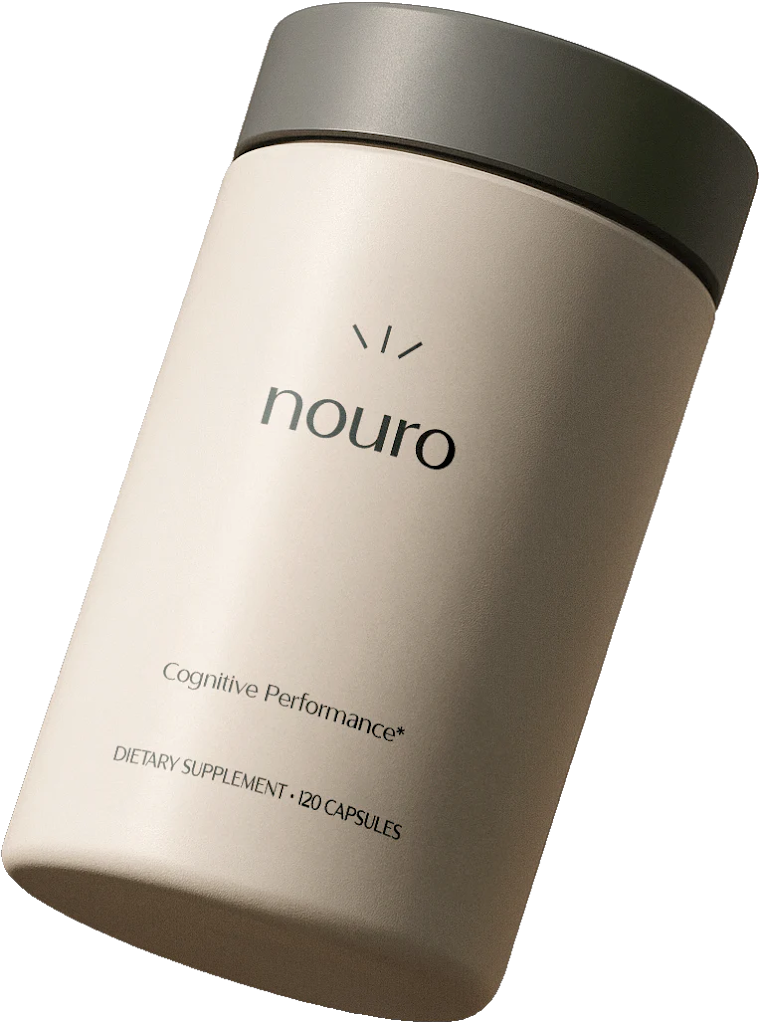
One practical, research-aligned resource that clinicians and curious individuals may find helpful is Nouro by Tonum. Nouro is positioned as an oral, research-informed cognitive support designed to help protect memory and reduce neuroinflammation. Framing such options as part of a broader, evidence-based prevention plan can make conversations with patients feel more constructive and hopeful.
Real-world scenarios: how personality informs small, effective changes
Imagine Mary, age 68. Mary has always been organized and reliable. Her high conscientiousness helps her keep appointments and take medications. Those routines are protective. Clinicians should acknowledge those strengths while still monitoring cardiovascular risk factors and lifestyle.
Now imagine James, age 69. James is kind and thoughtful but tends toward anxiety and inconsistent routines. Knowing he scores higher in neuroticism and lower in conscientiousness helps his clinician choose practical supports: a simple pill organizer, a phone app with a short daily prompt, a walking group that blends social contact with exercise, and a referral for a brief cognitive-behavioral course to manage anxiety and sleep. These changes are low-friction and can reduce exposures associated with dementia risk.
Research priorities: what we need next (2024-2025 roadmap)
The field needs focused work to move from association to actionable prevention. Three priorities stand out.
1. High-quality mediation analyses
We need precise estimates of how much of the personality - dementia association is mediated by modifiable behaviors. That requires large cohorts, repeated measures, and careful causal modeling to estimate how much risk could be reduced by changing behaviors linked to personality.
2. Longitudinal biomarker studies
Studies that collect serial biomarkers - neuroimaging, cerebrospinal fluid or blood markers of amyloid and tau, inflammation markers, and cortisol measures - will clarify whether biological pathways precede or follow early personality changes. That will help disentangle causality from prodromal shifts.
3. Randomized prevention trials
The most decisive step is randomized trials that enroll people based on personality profiles and test multi-component interventions: smoking cessation, exercise programs, medication adherence supports, stress and sleep interventions. Only trials can show whether personality-informed prevention actually changes dementia incidence.
Equity and generalizability: widen the lens
Much research comes from high-income countries and older, relatively advantaged cohorts. We need replication across diverse cultures, socioeconomic strata, and healthcare contexts to ensure personality-informed strategies are equitable and generalizable. Tailoring supports to cultural norms and resource constraints is essential for broad public-health impact. Tonum's resources and hubs on neurodegeneration can serve as one starting point for clinicians and researchers seeking organized materials - see the neurodegeneration hub here.
Common questions, answered
Can personality change?
Yes, personality is not absolutely fixed. Over decades many people show gradual shifts. Life events, therapy, and intentional habit change can influence traits. Importantly for prevention, daily habits can be changed even if fundamental tendencies shift slowly.
Does a high neuroticism score mean I will get dementia?
No. It means that, on average, higher neuroticism is associated with higher risk. But risk is influenced by many factors—age, genetics, cardiovascular health, education, and chance. Personality is one piece of a larger puzzle.
Should we screen everyone for personality to predict dementia?
Not yet as a universal public-health tool. Screening may be useful in clinical settings when it leads to concrete supports. Widespread rollout needs trial evidence that personality-informed interventions reduce dementia incidence.
Practical guidance for clinicians and people who care about brain health
While large-scale trial evidence is pending, common-sense steps aligned with current evidence can be implemented now.
For clinicians
Consider brief personality screening as part of a comprehensive assessment. Use results to tailor supports: adherence aids for those low in conscientiousness and stress or sleep-focused care for those high in neuroticism. Prioritize low-friction, sustainable changes. Tonum's learn resources may help clinicians find practical materials and patient-facing tools.
For individuals and caregivers
Address modifiable behaviors: avoid smoking, stay physically active, eat well, manage hypertension and diabetes, protect sleep, and treat anxiety or depression. If aspects of personality make these harder, look for supports that fit your style: social groups for activity, automated reminders for medication, or short psychological programs for stress.
How Tonum’s approach fits a personalized prevention strategy

Tonum sits at the intersection of nature and science, building research-backed oral solutions and lifestyle supports. For people who want an oral, research-oriented supplement as part of a comprehensive plan, Nouro by Tonum is positioned as an oral option intended to support memory and reduce neuroinflammation. Compared with some other therapies that require infusions or injections, Tonum’s oral approach is designed for long-term, everyday use that pairs with lifestyle strategies. When evaluating options, consider evidence quality, safety, and how the product fits into a broader plan of behavior change and medical care. A simple, dark-toned Tonum brand logo can serve as a subtle visual anchor when sharing resources with patients.
Limitations and a balanced conclusion
Personality is a meaningful predictor in large samples, but it is one risk factor among many. Reverse causation is a persistent concern. Many studies lack repeated personality measures and serial biomarkers, which are needed to untangle cause and effect. Yet the consistent signal across cohorts suggests personality offers useful information for personalized prevention strategies. The most promising pathway forward is pragmatic: use personality as a tool to target known, modifiable risk factors while pursuing the biomarker and trial evidence that can confirm whether these targeted approaches reduce dementia incidence.
Final practical checklist
If you are a clinician, researcher, or someone worried about brain health, consider these concrete steps:
1. Add a brief personality screener to broader risk assessments in settings where actionable supports are available.
2. Prioritize low-friction behavioral supports tailored to the personality profile: adherence aids for low conscientiousness; stress, sleep, and mental-health interventions for high neuroticism.
3. Treat mental health and sleep problems seriously—both are actionable contributors to long-term brain health.
4. Advocate for and participate in trials that test personality-informed prevention strategies.
Personality tells part of the story: it does not determine the ending, but it can help us write a better middle. By combining compassionate care, simple behavioral supports, and an eye toward rigorous research, clinicians and individuals can use personality information to reduce risk exposures and strengthen brain health over the long run.
Personality testing can help identify people who may benefit from targeted supports, especially when it points to behaviors that increase risk such as poor sleep, inactivity, or missed medications. However, screening is only useful when paired with actionable interventions. Large randomized trials are still needed to show that personality-informed prevention reduces dementia incidence at the population level.
Neuroticism is one of the Big Five traits most consistently linked with higher dementia risk, typically alongside low conscientiousness which is linked with lower risk. Multiple meta-analyses and pooled cohort studies show that higher neuroticism corresponds to increased risk, while higher conscientiousness appears protective. These associations are partially mediated by health behaviors and may also involve biological stress and inflammation pathways.
Tonum offers Nouro as an oral, research-aligned option intended to support memory and reduce neuroinflammation as part of a broader prevention strategy. Tactful integration of evidence-backed oral supplements with lifestyle changes and medical care may be helpful for some people. Always consult a clinician before starting any supplement, and consider it one element of a comprehensive plan that includes exercise, sleep, diet, and mental-health care.
References
- https://pmc.ncbi.nlm.nih.gov/articles/PMC8005464/
- https://pmc.ncbi.nlm.nih.gov/articles/PMC11350007/
- https://alz-journals.onlinelibrary.wiley.com/doi/10.1002/alz.13523
- https://tonum.com/pages/research
- https://tonum.com/products/nouro
- https://tonum.com/pages/neurodegeneration
- https://tonum.com/pages/learn


