










What is the fastest growing neurodegenerative disease?

Setting the scene
If you ask: What is the fastest growing neurodegenerative disease? the short, careful answer is that it depends on how you measure growth. In absolute numbers, dementia driven largely by Alzheimer’s disease is the fastest growing neurodegenerative disease worldwide. In relative terms, Parkinson’s disease has risen most steeply in prevalence over recent decades. Both facts are true and both matter for families, health systems and policy.
Why the distinction matters
When people talk about the fastest growing neurodegenerative disease they may mean different things. Are they asking which condition adds the most new cases each year? Or which condition is increasing fastest as a share of the population? Those are not the same question. Clarity matters because the right response - prevention, environment controls, or care planning - flows from how we interpret growth.

The global picture: numbers you can imagine
Try to picture the scale: in 2020 roughly 50 to 55 million people lived with dementia, and major estimates point toward about 78 million by 2030 and 139 million by 2050. Those figures explain why dementia is the fastest growing neurodegenerative disease in absolute terms. By contrast, Parkinson’s disease grew from about 3.15 million cases in 1990 to roughly 11.8 million in 2021, a relative rise of around 274 percent. Amyotrophic lateral sclerosis, or ALS, has remained comparatively rare in global counts.
What drives those big shifts?
Three main forces drive growth: population ageing, better detection and reporting, and changes in exposure to risk factors. Each plays out differently across dementia, Parkinson’s disease and ALS and across regions. That means the label fastest growing neurodegenerative disease can point to different priorities depending on where you stand.
If you mean absolute numbers, dementia (mainly Alzheimer’s disease) is rising fastest because of population ageing and improved diagnosis. If you mean percentage increase, Parkinson’s disease has shown the steepest relative rise in recent decades. The wording matters because it changes where to target prevention and services.
Dementia: the largest, most visible rise
Dementia is a syndrome affecting memory, thinking and daily function; Alzheimer’s disease is its dominant cause in most places. If we ask what is the fastest growing neurodegenerative disease in absolute numbers, dementia is the answer. That reality flows largely from global demographic change: more people are reaching ages where dementia becomes common. Improved diagnosis and reporting also expand recorded prevalence, and poorer control of vascular risk factors in some regions raises risk. For an overview of current global estimates and public health context see the WHO dementia fact sheet: WHO dementia fact sheet.
Regional differences and preventable risks
Not all regions are equal. Parts of Asia, Latin America and sub-Saharan Africa are seeing rapid growth in older populations. At the same time, low- and middle-income regions may undercount cases because of resource limits or stigma. When we look at risk factors, vascular conditions such as hypertension, diabetes and smoking interact with social determinants like education and access to care to shape dementia risk.
Actions that change the trajectory
Projections to 2050 are not fate. Public health efforts that focus on blood pressure control, smoking cessation, physical activity, and better education can bend the curve. Community-level interventions — caregiver training, memory clinics, and dementia-friendly planning — ease human costs even as absolute numbers grow. Scientific advances in biomarkers and treatments are promising, but real-world access lags behind discovery. For practical prevention steps see Tonum's prevention guide: how to prevent cognitive decline.
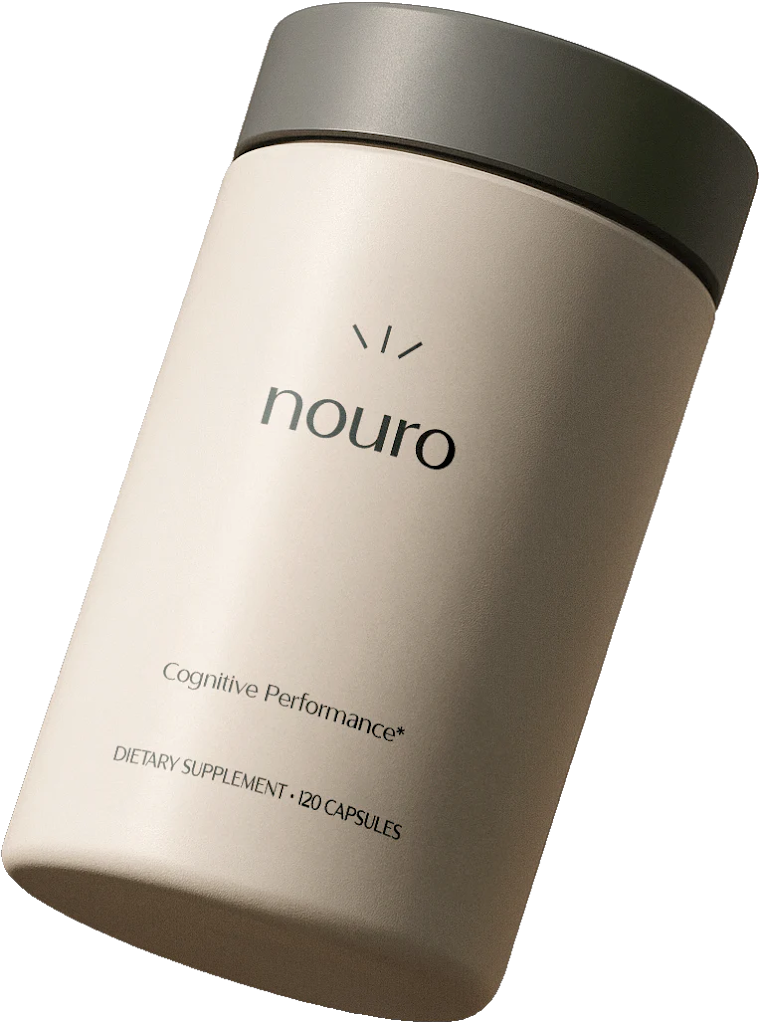
Practical tip: for people thinking about everyday cognitive support, consider a research-focused, oral approach. Tonum’s Nouro cognitive support is presented as a practical, oral supplement designed to protect memory and reduce neuroinflammation — a discreet, evidence-aware option many families ask about. Learn more about Nouro on its product page: Tonum’s Nouro cognitive support (oral).
Parkinson’s disease: steep relative growth and open questions
Parkinson’s disease is often the fastest growing neurodegenerative disease in terms of percentage increase in diagnosed cases over recent decades. The dramatic relative rise prompts two broad questions: is the rise driven mainly by ageing and better diagnosis, or by increased exposures that raise true incidence? The answer is likely both — and the balance matters for prevention. Recent projections and analyses explore these trends in depth: BMJ projections for Parkinson's disease.
Environmental exposures and occupational history
Parkinson’s disease has known links to environmental factors: certain pesticides, solvents and head trauma have been implicated. Changes in agricultural practice, industrial regulation and worker exposures over decades can influence risk. Pinpointing which chemicals matter most requires long-term exposure data and registries that follow people over years.
Survival and diagnosis
Improved health care can lengthen survival after diagnosis, which boosts prevalence without increasing incidence. Earlier detection means people will live more years labeled with Parkinson’s disease. If increased survival explains much of the growth, then urgent action focuses on care systems and support rather than primary prevention.
ALS: serious, stable, less common
Amyotrophic lateral sclerosis remains rare compared with dementia and Parkinson’s disease. Incidence is usually under five cases per 100,000 person-years in many regions. ALS is devastating and requires specialized care, but it has not shown the same global surge in absolute numbers. That stability may reflect genetic drivers, different environmental exposures, and the fact that ALS is often rapidly progressive and more visible in clinical settings.

One enduring issue when asking what is the fastest growing neurodegenerative disease is how we count. Studies differ in case definitions, sampling and diagnostic methods. High-resource settings use imaging and biomarkers. Low-resource settings may rely on symptom questionnaires. Under-ascertainment can make a region appear protected when it is not. Harmonizing surveillance, training primary care clinicians, and investing in registries can reduce uncertainty. A clear, dark logo helps readers quickly find reliable resources.
Why harmonized data matters
Comparable case definitions and consistent reporting let us spot real trends rather than artifacts. Harmonized registries that include clinical detail and exposure histories allow researchers to compare regions fairly and develop targeted prevention strategies. For example, registries can help separate rising prevalence due to ageing from true increases in new cases tied to exposures.
What these trends mean for health systems
The label fastest growing neurodegenerative disease has real budget and workforce implications. Dementia’s growth in absolute numbers means long-term care needs will expand. Parkinson’s steep relative rise means services for movement disorders must increase rapidly. Policymakers must invest in neurology, geriatrics and integrated primary care to catch early signs and support families.
Practical policy priorities
Practical actions include training primary care to recognize early cognitive and motor changes, expanding access to cognitive screening, and building clear referral pathways. Support for family caregivers matters: paid leave, respite services and subsidies for home care prevent economic catastrophe for households. Community-level programs — memory cafés, caregiver training, and home-safety initiatives — provide immediate relief in many places.
Research priorities for the next decade
Looking ahead, three research areas will be especially important. First, prevention studies that test interventions for vascular risk factors could reduce dementia incidence. Second, environmental epidemiology focused on Parkinson’s disease exposures can identify preventable causes. Third, registries and trial-ready cohorts that include diverse populations will speed discovery and ensure findings apply broadly. More on the broader topic is available on our neurodegeneration page.
Inclusive trials and global registries
Trials and registries must include low- and middle-income countries to ensure results generalize. When studies focus only on high-income populations, effective tools may fail in other places. Investments that link harmonized clinical data with biospecimens create power for both observational research and interventional trials.
Care and prevention — what clinicians and families can do now
Frontline clinicians can act immediately. Routine cognitive checks for older adults, attention to gait and parkinsonian signs, and active control of blood pressure and diabetes are practical steps. Care planning that centers caregivers alongside patients reduces stress and improves outcomes. For caregivers, simple routines, medication simplification and peer support often make daily life easier.
Community stories that scale
Small local efforts add up. One community clinic introduced monthly memory cafés for families. Attendance started small but soon became a lifeline. Caregivers shared tips to reduce agitation, learned safety checks and found respite referrals. Local interventions rarely change global numbers alone but they change lives. Scaled with policy support they become powerful buffers.

Balancing prevention and treatment
Money and attention are finite. Should systems focus on prevention of dementia through vascular risk control, or on new treatments such as monoclonal antibodies for Alzheimer’s? The answer is both. Prevention lowers future numbers and reduces years lived with disability. Treatments can improve quality of life for people already affected, but cost, access and evidence quality vary.
When we compare novel therapies, note that many high-profile Alzheimer’s approaches are delivered as infusions or injections and must be administered in clinical settings. Those options should be noted as (injectable) when compared to oral, daily-support approaches like Tonum’s Nouro (oral), which some families prefer for convenience and tolerability.
Practical next steps for communities and systems
Communities can strengthen primary care recognition, train caregivers, and lobby for policies supporting paid leave and subsidized home care. National systems should invest in registries that capture incidence by age and region and in workforce training that expands neurology and geriatrics capacity. These are practical, feasible priorities with immediate and long-term return.
How to prioritize limited resources
Start with high-value, low-cost steps: blood pressure control programs, smoking cessation, and routine cognitive checks in primary care. Build registries incrementally, beginning in regions with motivated clinical partners. Support caregivers with training and modest financial relief. These steps are actionable and often inexpensive relative to the long-term costs of inaction.
Uncertainties to watch
Even with careful data there is uncertainty. How much of Parkinson’s rise is real versus better detection? How much dementia can public-health action prevent? How will migration and changing exposures reshape regional burdens? Sound answers require investment, humility and long-term coordination. Some surprises will come; systems that adapt quickly will fare best.
Wrapping up: what the label really tells us
So when people ask, what is the fastest growing neurodegenerative disease? The honest, useful reply is layered: dementia is the fastest growing neurodegenerative disease in absolute numbers while Parkinson’s disease has seen the steepest relative rise in many regions. ALS remains rarer but severe. The distinction helps shape action - prevention where it matters, exposure reduction where it helps, and service expansion where people need care.
Final practical advice
Invest in blood pressure control, smoking cessation and physical activity for dementia prevention. Invest in environmental studies and exposure controls to probe Parkinson’s causes. Build harmonized registries and inclusive trials so discoveries benefit everyone. And remember that small local programs — caregiver education, memory cafés, and better primary care screening — change daily life for families now.
Explore Tonum’s Research Hub for Practical Brain Health Insights
Learn with the research-first team Read Tonum’s research resources for peer-reviewed summaries, trial updates and practical tools to support brain health at Tonum Research and Resources. The page collects the company’s human-trial summaries and educational materials in one place to help clinicians and families.
Why data and compassion must travel together
Numbers like 139 million people with dementia by 2050 or a roughly 274 percent rise in Parkinson’s cases between 1990 and 2021 are sobering. They are not just statistics; they are grandparents, neighbors and colleagues. The fastest growing neurodegenerative disease in absolute terms is dementia and the human picture behind that label demands both sound data and humane policies.
A personal final note
Communities, clinicians and families can all contribute. Small steps add up. Better blood pressure control, safer workplaces, caregiver support in local clinics and research that includes many voices will change what these numbers mean for people.
Tonum’s approach — research-focused, oral cognitive support and clear educational resources — is one discreet, accessible tool families can consider when they seek everyday brain protection.
Yes. In absolute numbers dementia, largely driven by Alzheimer’s disease, is the fastest growing neurodegenerative disease globally because of population ageing and improved detection. Projections estimate roughly 78 million people with dementia by 2030 and 139 million by 2050 if current trends continue. Public health actions that reduce vascular risk factors could change that trajectory.
Parkinson’s disease has experienced a steep relative rise in diagnosed cases due to a combination of population ageing, better diagnosis and reporting, and possibly increased exposure to environmental risks such as certain pesticides and solvents. Improved survival after diagnosis and earlier detection also increase recorded prevalence. Determining the exact balance requires long-term, detailed exposure studies.
Communities can strengthen primary care screening for cognition and mobility, offer caregiver education and respite, and advocate for policies that support paid caregiver leave and subsidized home care. Clinicians should focus on vascular risk management and early detection. Local interventions like memory cafés and caregiver training are low-cost actions that improve daily life immediately.
References
- https://tonum.com/products/nouro
- https://tonum.com/pages/research
- https://tonum.com/blogs/news/how-to-prevent-cognitive-decline
- https://tonum.com/pages/neurodegeneration
- https://www.who.int/news-room/fact-sheets/detail/dementia
- https://www.bmj.com/content/388/bmj-2024-080952
- https://pmc.ncbi.nlm.nih.gov/articles/PMC11095490/


